
.jpg)
Overview
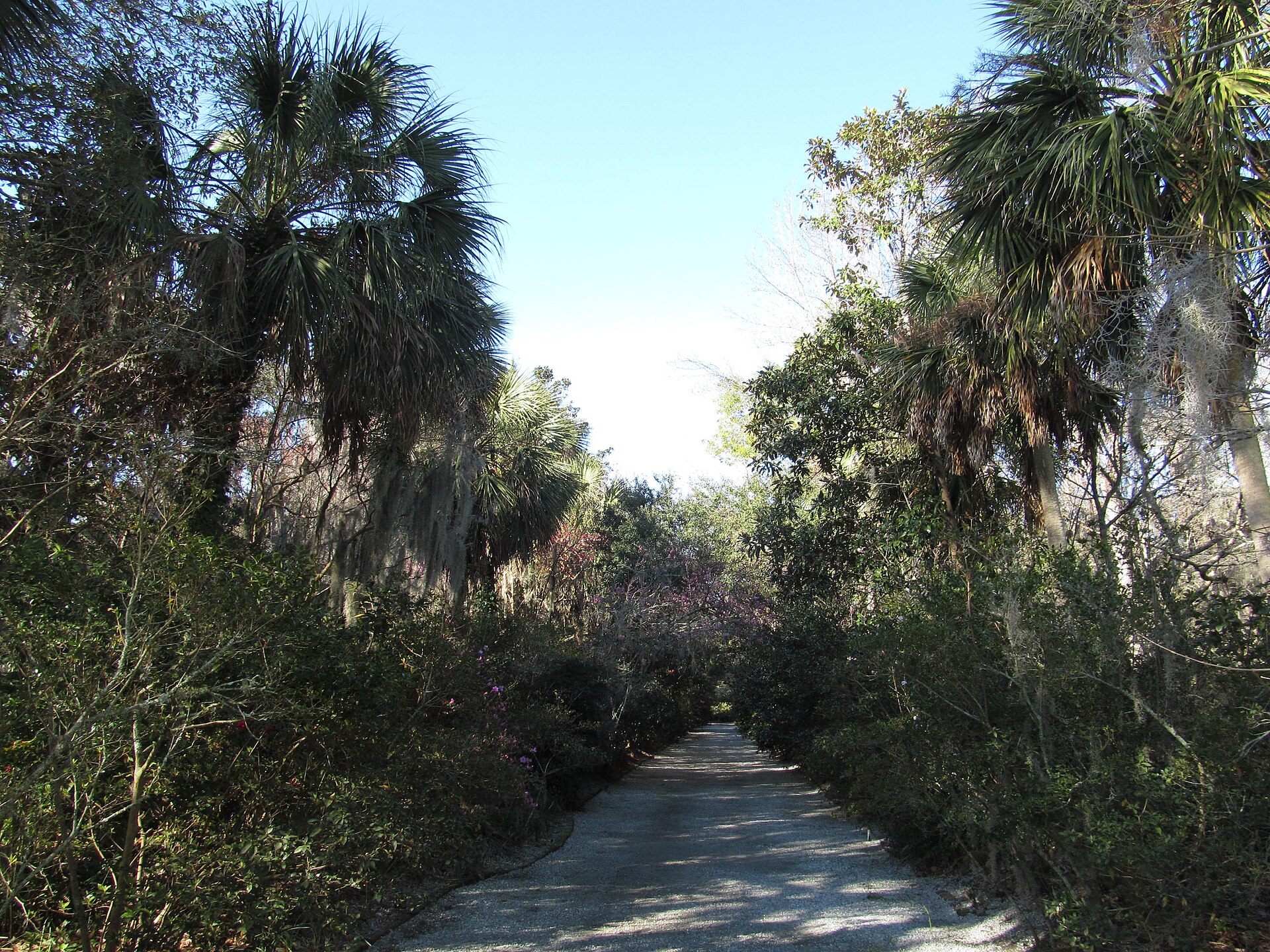
Magnolia Plantation and Gardens occupies 500 acres along the Ashley River, about 12 miles northwest of downtown Charleston. The Drayton family established the property in 1676, and it has remained in the same family for over eleven generations -- one of the longest continuous family ownerships of any property in the United States. The gardens were first opened to the public in the 1870s, making them America's oldest public garden, and their romantic English-style design -- winding paths through ancient live oaks, camellia allees, and reflecting pools -- predates the more formal plantation gardens that came later. In spring, tens of thousands of azaleas and camellias transform the grounds into a blaze of colour that has drawn visitors for over 150 years.
The plantation's history is inseparable from the institution of slavery. Hundreds of enslaved people lived and laboured on the property over nearly two centuries, cultivating the rice and cotton that generated the Drayton family's wealth. Magnolia Plantation has confronted this history more directly than many Southern historic sites through its "From Slavery to Freedom" tour, which takes visitors through the reconstructed slave cabins and interprets the daily lives, resistance, culture, and eventual emancipation of the people who built and maintained everything visitors see today. This programme, developed in partnership with descendants of those enslaved on the property, represents a significant step in honest historical interpretation at plantation sites.
Seasonal Highlights
Magnolia Plantation's gardens are genuinely beautiful and can be enjoyed on a purely sensory level -- the azalea reflections in the black water of the Ashley, the centuries-old live oaks dripping with moss, the quiet of the bamboo grove. But the property's meaning deepens immeasurably with interpretation. The Drayton family's eleven-generation history mirrors the arc of Southern history itself -- colonial settlement, revolutionary politics, the antebellum cotton economy, Civil War destruction (Union troops burned the original plantation house), Reconstruction, Jim Crow, and the modern era. A guide connects the romantic landscape to its economic foundation: rice cultivation required extraordinary engineering of the tidal waterways, performed entirely by enslaved Africans who brought rice-growing knowledge from West Africa. The same impoundments where visitors now spot alligators and herons were once flooded fields where enslaved people worked waist-deep in water.
The tension between beauty and suffering that pervades every Southern plantation is especially pronounced at Magnolia, where the gardens' loveliness exists because of the labour that created them. Guides who know this narrative can walk visitors through the property chronologically, showing how each generation reshaped the landscape and confronted or avoided the moral questions that the property embodies.
Activities
Azalea and camellia gardens: Over 250 varieties of azaleas and 900 varieties of camellias bloom in succession from November through April, surrounding the black-water lakes with explosions of colour. From Slavery to Freedom tour: The most honest and moving experience on the property, walking through reconstructed cabins and hearing the documented stories of specific enslaved individuals.
Audubon Swamp Garden: A boardwalk trail through a blackwater cypress and tupelo swamp, home to alligators, otters, and over 200 bird species. Ancient live oak allee: The tunnel of live oaks leading to the river is one of the most photographed landscapes in the Lowcountry. Plantation house: The current house, relocated to the site after the Civil War, contains family antiques spanning three centuries of Drayton history. Biblical Garden and hedge maze: A garden planted entirely with species mentioned in Scripture, plus a holly hedge maze that delights children and adults alike.
When to Visit
Gardens: Open daily 9:00 AM to 4:30 PM (last entry 3:30 PM). Extended hours in spring and summer. House tours: Offered at scheduled times throughout the day, typically every 30-45 minutes from 9:30 AM to 3:30 PM. From Slavery to Freedom tour: Offered at set times, usually 2-4 times daily. Check schedule in advance as this is the most popular add-on.
Nature train and boat: Seasonal schedules vary; the train loops through the Audubon Swamp Garden while boat tours explore the rice field impoundments. Peak bloom: Mid-March through mid-April for azaleas; November through February for camellias.
Admission and Costs
Garden admission: $22 adults, $15 children ages 6-12. Covers the formal gardens, maze, Biblical Garden, and grounds. House tour (add-on): $8 additional per person for a guided tour of the plantation house. From Slavery to Freedom tour: $8 additional per person, visiting the reconstructed slave street and interpreting the enslaved community's experience.
Nature train: $8 additional per person for the 45-minute ride through the Audubon Swamp Garden, with chances to spot alligators, egrets, and turtles. Private guided day trip from Charleston: $300-500 for up to 6 people, including transportation and narrated exploration of the gardens and plantation history.
Tips for Visitors
Allow a full morning or afternoon: The gardens alone take 1.5-2 hours to walk thoroughly. Add the house and Slavery to Freedom tours and you need 3-4 hours minimum. Wear comfortable shoes: Garden paths are a mix of gravel, boardwalk, and packed earth. Some areas are uneven and muddy after rain.
Insect repellent: The swamp garden and waterside paths are beautiful but buggy, especially in warm months. Mosquitoes are abundant near standing water. Bring a camera with a zoom lens: Wildlife in the Audubon Swamp -- alligators, egrets, painted buntings -- is best photographed from the boardwalk without approaching. Arrive at opening: The morning light through the live oaks is spectacular, and arriving at 9 AM lets you explore the gardens before tour bus groups arrive around 10:30. Combine with downtown: Magnolia is a 25-minute drive from Charleston's Historic District. Pair it with a morning garden visit and an afternoon walking Rainbow Row and The Battery.