

Observation Spots
Activities
- Wall of Names — a long, curving wall inscribed with more than 75,000 names of South Africans who died across eight periods of conflict, from pre-colonial wars and slavery to the two World Wars and the liberation struggle
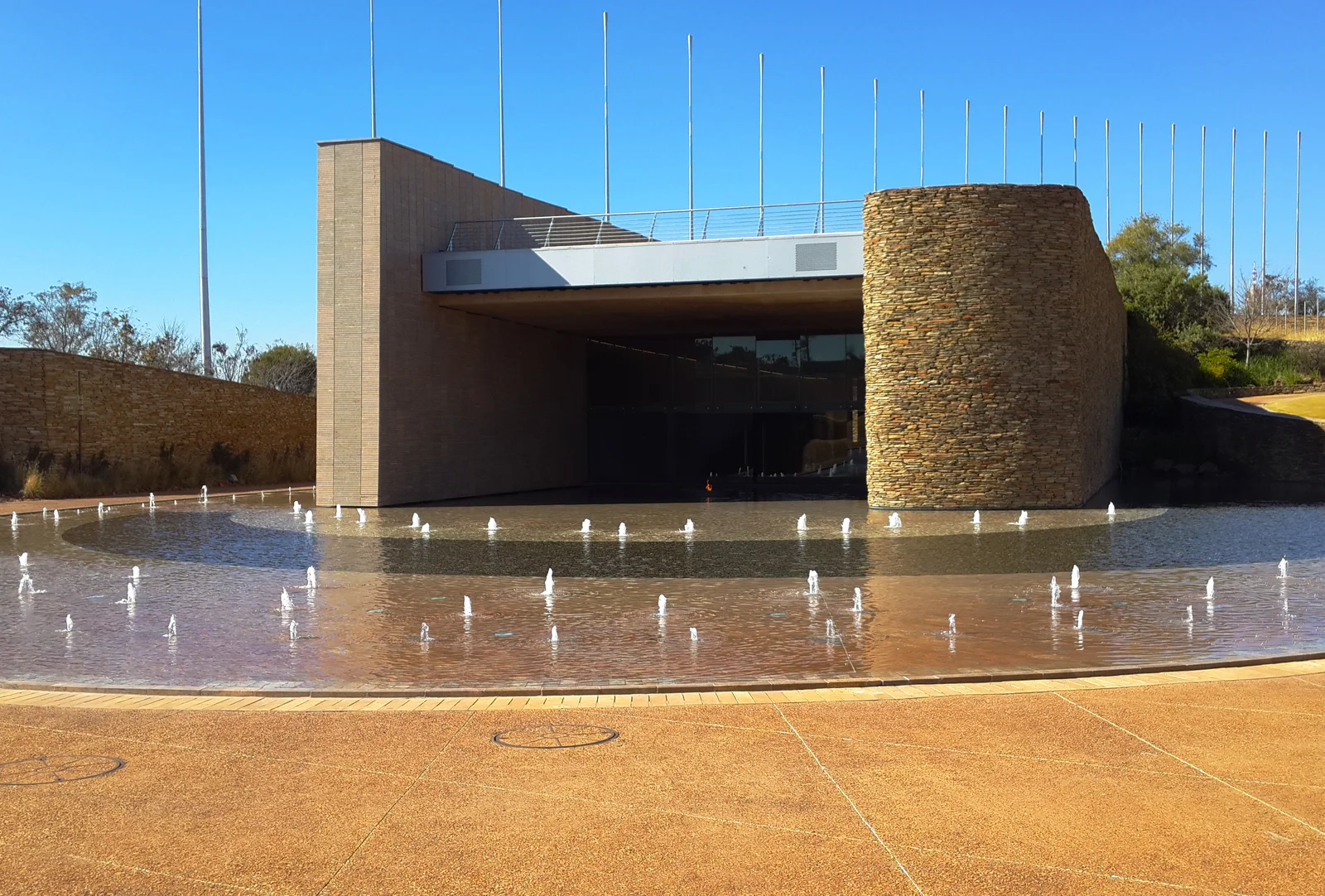
- Isivivane — the garden of remembrance, built around boulders gathered from all nine provinces, where a perpetual flame and cleansing rituals honour the fallen
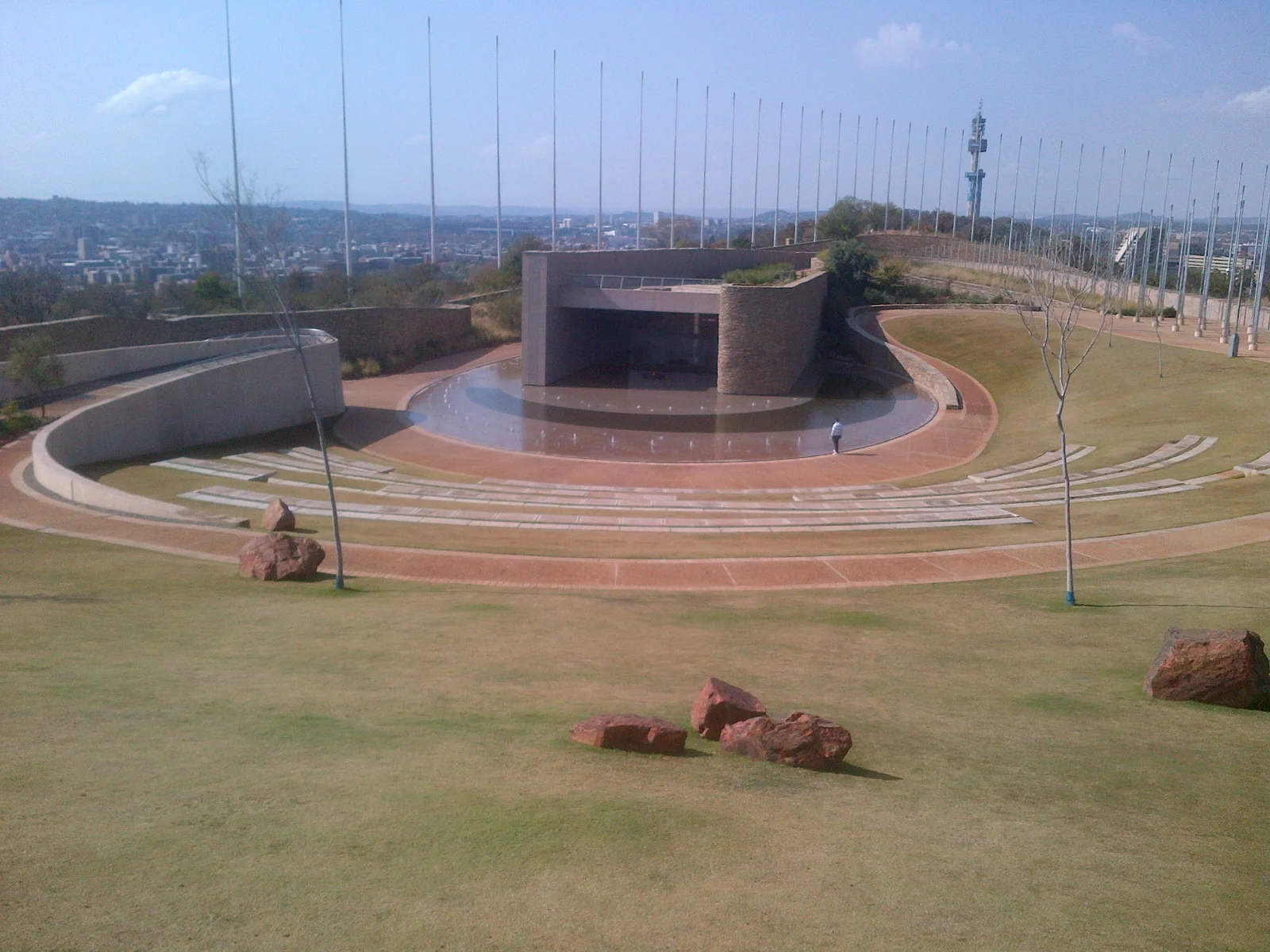
- S'khumbuto — the central precinct crowning the hill, home to the eternal flame, the Gallery of Leaders, a colonnade of towering metal reeds, and the amphitheatre
- //hapo museum — an interactive journey through 3.6 billion years of the land's story across seven epochs, housed in a striking building shaped like a scatter of granite boulders
- Indigenous garden — plantings used in traditional African healing, labelled with their medicinal properties, threaded along the walkways
- Hilltop viewpoints — sweeping panoramas across Pretoria to the Union Buildings and the distant Voortrekker Monument
Seasonal Highlights
Heritage Day (24 September) is the park's signature occasion, bringing special exhibitions, live performances, and commemorative walks across the memorial grounds. Around Freedom Day (27 April) and the Day of Reconciliation (16 December), the site hosts wreath-laying and remembrance events that draw dignitaries and families alike. From September into November, Pretoria's celebrated jacaranda bloom washes the city purple, and the canopy is visible in every direction from the hilltop — the most photogenic season to visit. In the summer months the highveld delivers dramatic late-afternoon thunderstorms, so morning visits are wiser; the winter dry season, by contrast, brings crisp, clear air and long views that stretch well beyond the city.
Freedom Park in Pictures
When to Visit
Daily: 8 AM – 4:30 PM. On-site guided tours depart at 9 AM, 11 AM, and 1 PM and are the best way to see the hilltop precincts in the intended order. Allow at least two hours: the //hapo museum alone absorbs an hour, and the walk between Isivivane, S'khumbuto, and the museum covers real ground on an exposed hillside.
- Best light — early-morning tours catch the Wall of Names at its most striking, before the highveld haze builds
- Golden hour — late afternoon throws long shadows across the reeds and lights the Union Buildings on the far hill
- Accessibility — paved pathways and ramps link the main precincts, though the gradients are real; wheelchair users should ask staff about the easiest route between levels
Admission and Costs
Adult entry: R80 (about $4). Children: R25. The scheduled on-site guided tour is included in the entry fee. Booking a private heritage guide to combine Freedom Park with the Voortrekker Monument typically costs R1,000–2,000 ($55–110) for the pair, while a broader Pretoria landmarks day tour that adds the Union Buildings runs R1,500–2,500. Confirm current fees and tour times on the official Freedom Park website before you travel, as hours shift around public holidays.
The Case for a Guide
Freedom Park is designed to be read, not merely seen, and its symbolism rewards interpretation. A knowledgeable guide explains why the boulders at Isivivane were gathered from every province, how the names on the Wall of Names are ordered across eight distinct periods of conflict, and what the reeds, water features, and orientation of each structure are meant to evoke. Guides also draw out the deliberate dialogue between Freedom Park and the Voortrekker Monument opposite, giving visitors the context to weigh two very different national narratives.
- Layered symbolism — the layout, materials, and sightlines are all intentional; a guide reveals meaning you would walk straight past alone
- Balanced history — pairing Freedom Park with the Voortrekker Monument only makes sense when someone can narrate both stories
- Living memory — many local guides connect the memorial to the recent, first-hand history of the liberation struggle
- Efficient routing — the hilltop precincts are spread out, and a guide keeps a two-hour visit focused on the highlights
Tips for Visitors
- Take the guided tour — Freedom Park's meaning is embedded in its layout, and a guide surfaces layers you would otherwise miss
- Wear sun protection — the hilltop is exposed with little shade along the memorial walkways, and the highveld sun is fierce even in winter
- Keep a respectful silence — the Wall of Names and Isivivane are solemn spaces, so keep voices low and phones on silent
- Pair with the Voortrekker Monument — the two sites face each other across the valley and tell contrasting stories
- Allow two hours — the grounds are larger than they look, and the //hapo museum on its own takes an hour
- Extend into a Johannesburg day — the Gautrain links the two cities in about 35 minutes, making a wider Gauteng heritage circuit easy
Frequently Asked Questions
When is the best season to visit Freedom Park?
October is the highest-rated month, when Pretoria's famous jacaranda trees blanket the city in purple and the hilltop memorial enjoys mild spring weather with clear views. The dry winter months from May through September provide comfortable walking conditions along the exposed memorial pathways, though morning temperatures can drop below 10 degrees Celsius. Summer from November through February sees dramatic afternoon thunderstorms that can strand visitors on the unsheltered hilltop, so morning tours are strongly recommended during this period.
When do guided tours depart and what are Freedom Park's hours?
Daily: 8 AM - 4:30 PM. Guided tours: Depart at 9 AM, 11 AM, and 1 PM. Best: Morning guided tours when the air is cool and the light reveals the Wall of Names at its most striking
Is Freedom Park free to enter?
Adult entry: R80 ($4). Children: R25. On-site guided tour: Included in entry fee (at scheduled times). Private heritage guide (Freedom Park + Voortrekker): R1,000-2,000
What should visitors keep in mind when exploring Freedom Park?
Take the guided tour: Freedom Park's symbolism and layout are deeply intentional; a guide illuminates layers you would miss walking alone. Wear sun protection: The hilltop site is exposed with limited shade along the memorial walkways.
How do you get to Freedom Park, and what else is nearby?
Freedom Park sits on Salvokop hill just south of central Pretoria, a short drive from the city centre with free on-site parking. It pairs naturally with the Voortrekker Monument directly across the valley and the Union Buildings a little to the north, and many visitors fold it into a wider Gauteng heritage itinerary, using the Gautrain to link Pretoria with Johannesburg in about 35 minutes.
How much time should I budget, and is the site accessible?
Budget at least two hours: the //hapo museum alone takes about an hour, and the walk between Isivivane, S'khumbuto, and the museum covers a fair distance on an exposed hillside. Paved paths and ramps connect the main precincts, but the gradients are noticeable, so wheelchair users and anyone with limited mobility should ask staff about the easiest route between levels. Wear sun protection and comfortable shoes, and confirm current hours on the official Freedom Park website before you travel, as times shift around public holidays.