
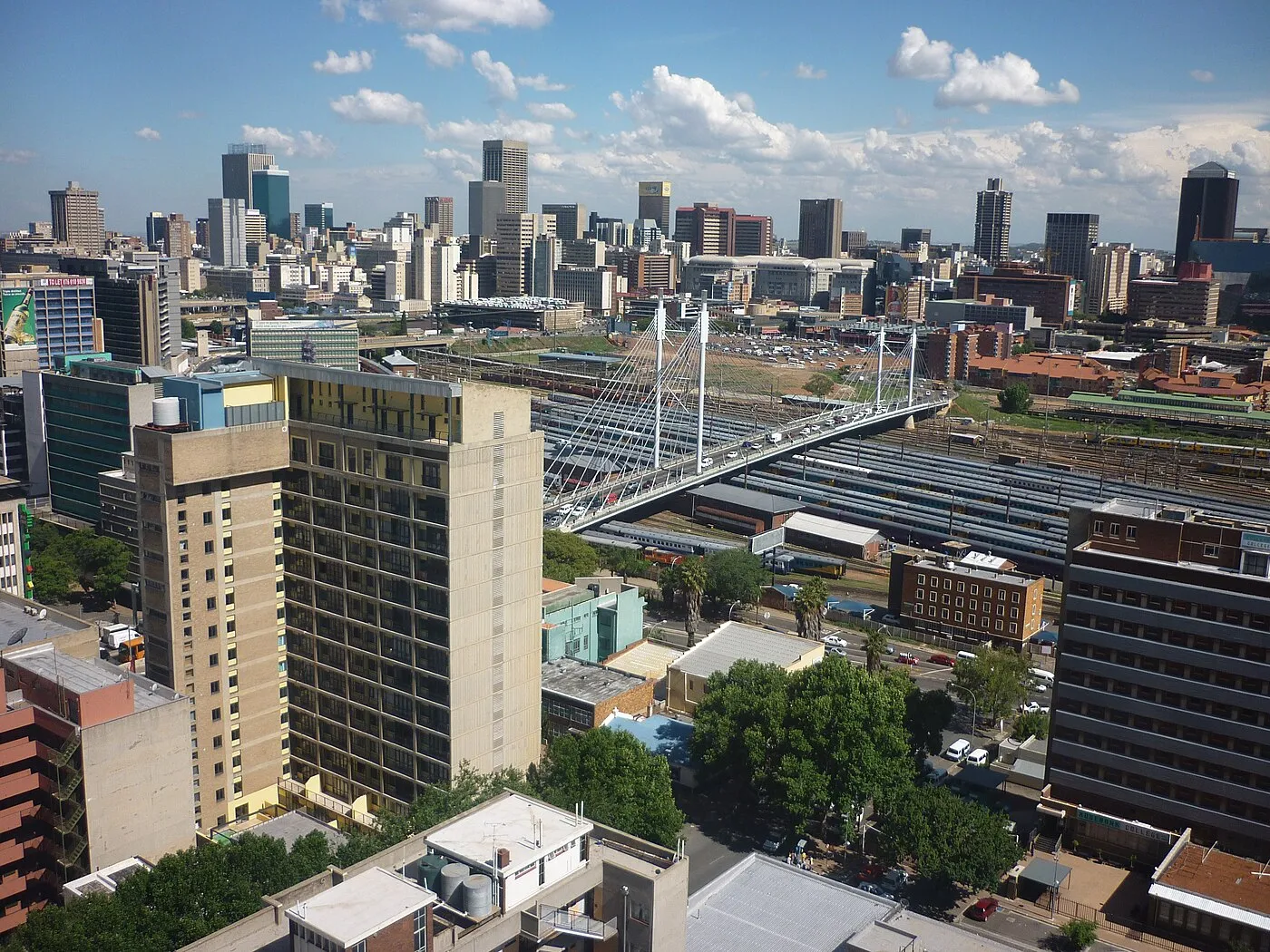
Cited city facts
Key facts for visiting Johannesburg
Johannesburg sits at 1,753 metres above sea level
One of the highest major cities in the world, Joburg's altitude gives it a mild climate despite its subtropical latitude and produces dramatic afternoon thunderstorms each summer
The Cradle of Humankind has yielded over 900 hominin fossils
Located 50 km northwest of the city, this UNESCO site contains the richest concentration of early human ancestor remains discovered anywhere on Earth
Vilakazi Street in Soweto is the only street to have been home to two Nobel Peace Prize laureates
Nelson Mandela and Archbishop Desmond Tutu both lived on this single Soweto street, now a pilgrimage site for visitors from around the globe
Johannesburg has an estimated 10 million trees
Despite being built on treeless highveld grassland, the city is now considered the world's largest man-made urban forest thanks to decades of planting by residents
Source: tour-guide.com — Free to cite with attribution
Things to see
What are the top attractions in Johannesburg?
- Apartheid Museum — Allow at least three hours for this deeply moving exhibition.
- Vilakazi Street in Soweto — The only street on Earth that housed two Nobel Peace Prize laureates.
- Constitution Hill — Where Mandela, Gandhi, and thousands of ordinary people were once detained.
- Maboneng Precinct — Urban regeneration hub with galleries, craft markets, and street art.
- Cradle of Humankind — UNESCO fossil sites where some of our earliest ancestors were discovered.
- Live jazz in Newtown — South Africa's jazz heritage thrives in Joburg's clubs and bars.
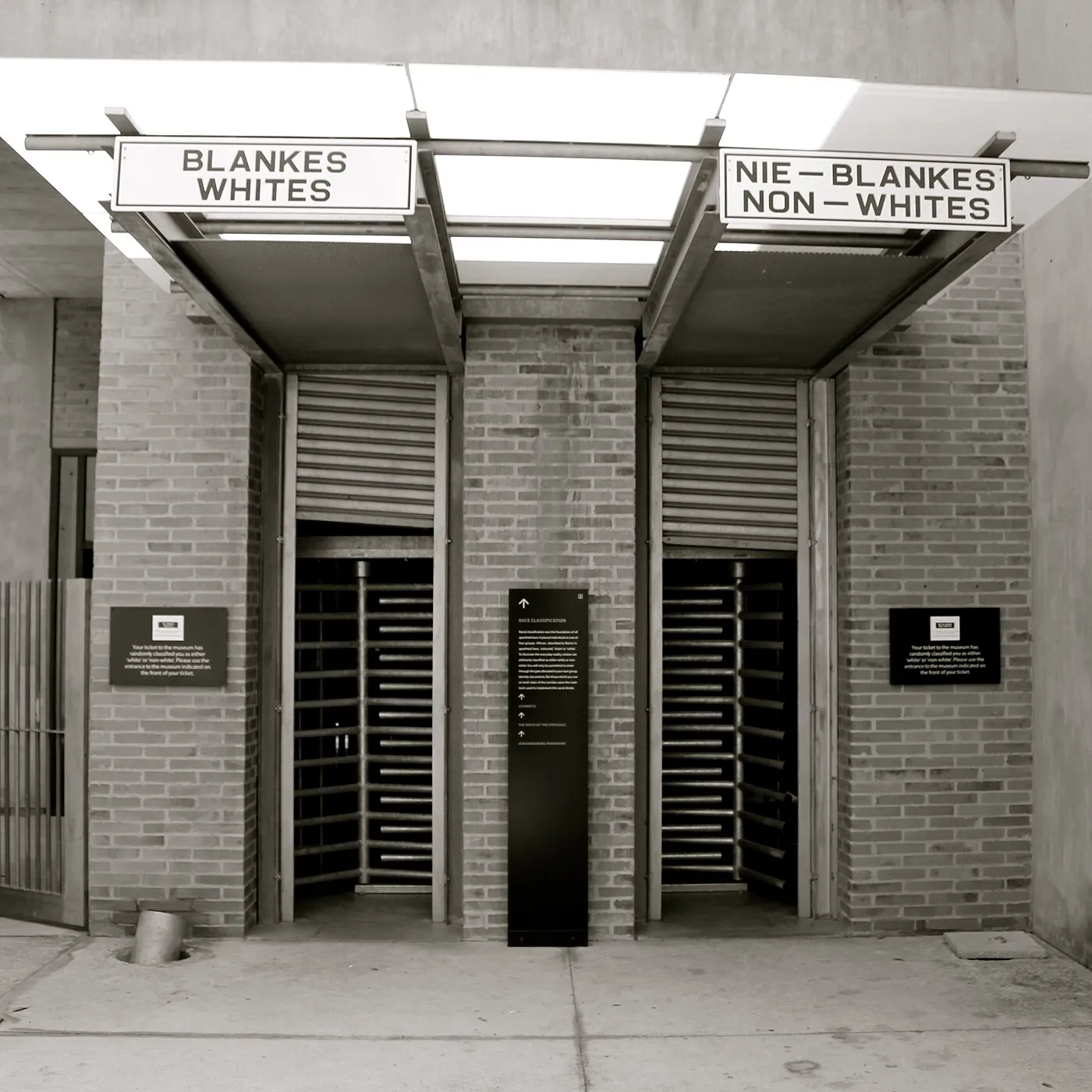
Apartheid Museum
A visceral journey through the rise and fall of South Africa's system of racial segregation
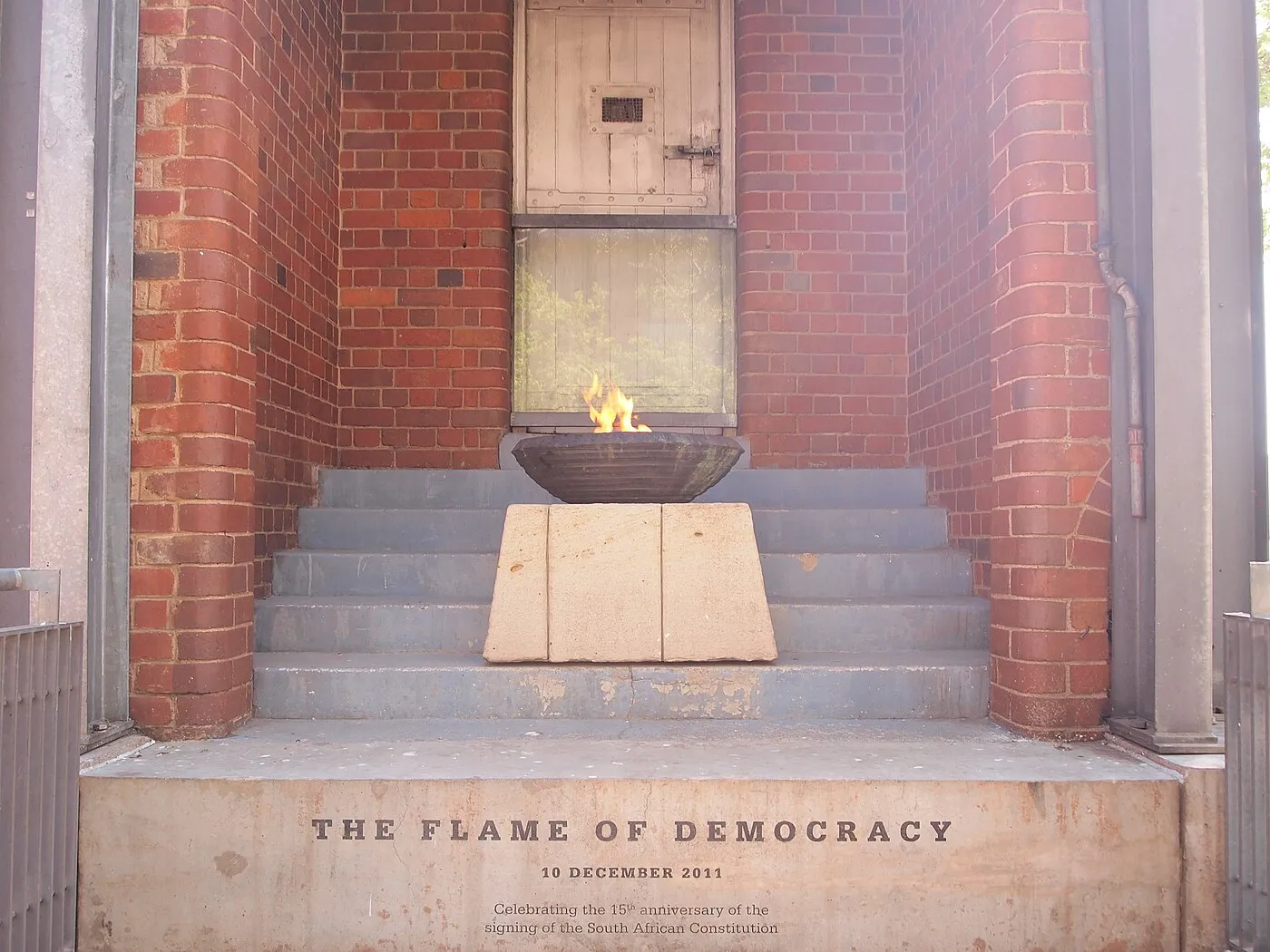
Constitution Hill
From a place of brutality to the seat of South Africa's highest values
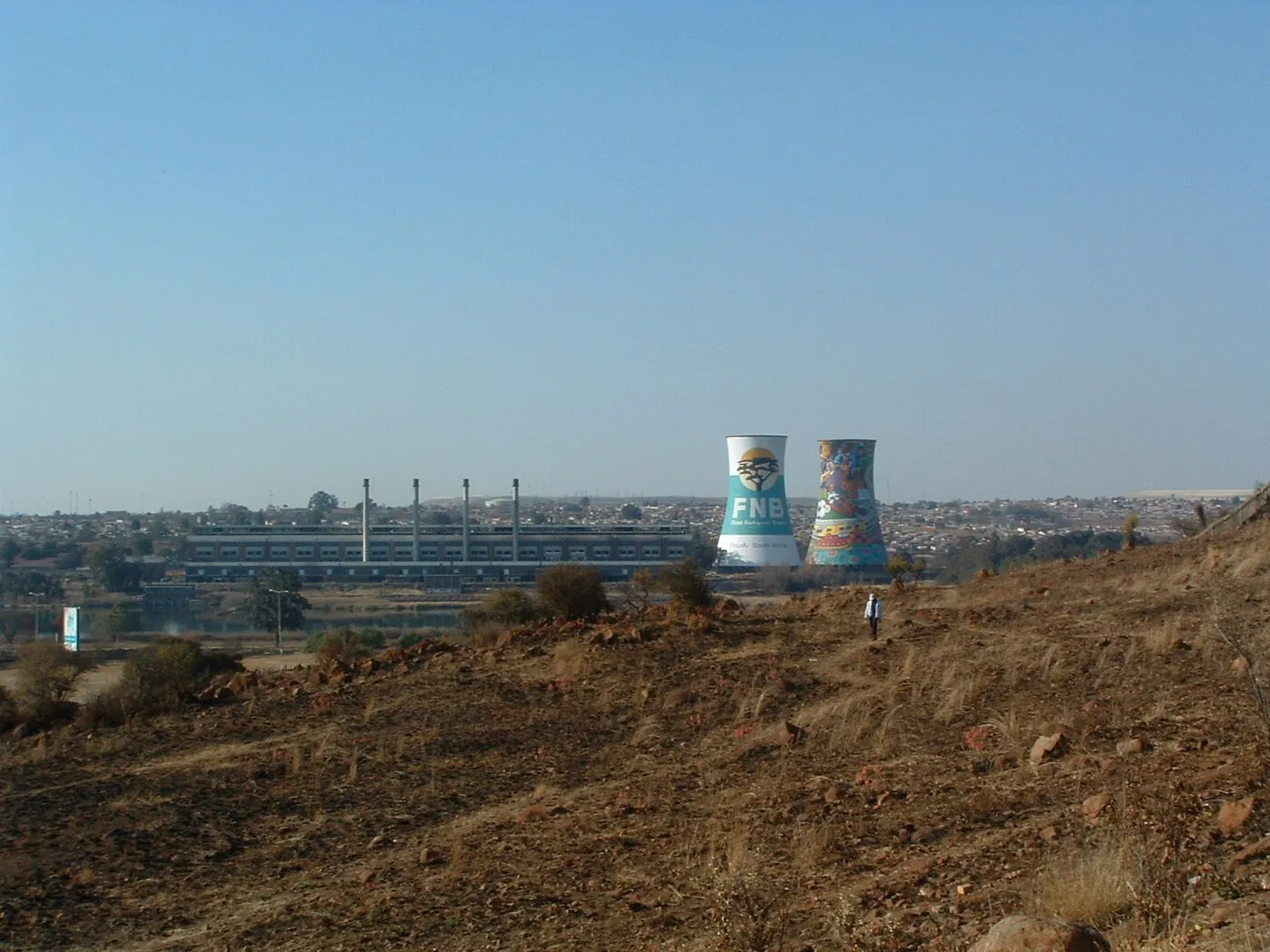
Soweto
The township that changed a nation — Vilakazi Street, Mandela House, and living heritage
Guide planning
How much does a tour guide cost in Johannesburg?
| Tour Type | Price | Details |
|---|---|---|
| Group Walking Tours | R200-400 | $11-22 per person |
| Soweto Half-Day | R800-1,500 | $44-83 per person |
| Full-Day Heritage Tour | R2,500-4,500 | $139-250 private |
| Maboneng Art Walk | R300-600 | $17-33 per person |
Season planner
When is the best time to visit Johannesburg?
- Thunderstorms — Summer afternoons (October-March) bring dramatic but brief electrical storms; plan outdoor activities for mornings.
- Best months: April to September — For dry, sunny days and clear skies.
Spring
Mar-May
Summer
Jun-Aug
Autumn
Sep-Nov
Winter
Dec-Feb
Each score averages that season’s monthly ratings out of 5. The top-rated window is usually the peak season too, so read the guidance above for its trade-offs before you book.
On the ground
How do you get around Johannesburg?
- Use guides for Soweto — Township tours should be community-led; going independently is not recommended for first-time visitors.
- Altitude — Johannesburg sits at 1,753 metres above sea level; stay hydrated and expect cooler evenings than you might anticipate.
- Transport — The Gautrain links the airport to Sandton and Rosebank efficiently; use ride-hailing apps otherwise.
Frequently Asked Questions
What is the best time to visit Johannesburg?
Thunderstorms: Summer afternoons (October-March) bring dramatic but brief electrical storms; plan outdoor activities for mornings. Best months: April to September for dry, sunny days and clear skies.
How much does a tour guide cost in Johannesburg?
Group Walking Tours: R200-400 ($11-22 per person). Soweto Half-Day: R800-1,500 ($44-83 per person). Full-Day Heritage Tour: R2,500-4,500 ($139-250 private).
How do you get around Johannesburg?
Johannesburg's Gautrain rapid rail connects OR Tambo airport, Sandton, and Rosebank. Ride-share apps are the standard for getting around. The city is not walkable between neighbourhoods.