
Durban timeline
-
Vasco da Gama names Natal
The Portuguese navigator sighted this coast on Christmas Day and named it Natal, the first European mark on the map of the bay.
-
Trading post at Port Natal
British traders led by Francis Farewell and Henry Fynn founded a settlement on the natural harbour the Zulu called eThekwini.
-
The town named D'Urban
Settlers renamed the port after Sir Benjamin D'Urban, then governor of the Cape Colony.
-
Indentured Indians arrive
The SS Truro delivered the first indentured labourers from India to work Natal's sugar plantations, seeding today's Indian community.
-
Gandhi lands in Natal
Mohandas Gandhi arrived in Durban and spent two decades here shaping the philosophy of satyagraha, or nonviolent resistance.
-
World Cup at Moses Mabhida
Durban hosted 2010 FIFA World Cup matches in the new arch-crowned Moses Mabhida Stadium on the old racecourse.
Cited city facts
Key facts for visiting Durban
Busiest port in sub-Saharan Africa
The Port of Durban, operated by Transnet, is the busiest general-cargo and container harbour in sub-Saharan Africa and the economic engine of KwaZulu-Natal
Over 800,000 residents of Indian descent
Durban holds the largest population of people of Indian origin outside Asia, a legacy of the indentured labourers first shipped to Natal's sugar estates aboard the SS Truro in 1860
Sea temperatures near 22°C year-round
The warm Agulhas Current sweeping down the Indian Ocean coast keeps Durban's water swimmable in every season, unlike Cape Town's frigid Atlantic-facing beaches
uShaka Marine World holds 17.5 million litres of water
Built around a replica sunken cargo ship on the Golden Mile, uShaka is one of the largest aquarium complexes in the Southern Hemisphere
Moses Mabhida Stadium's arch rises 106 metres
The stadium built for the 2010 FIFA World Cup carries a SkyCar to the crown of its 106-metre arch for panoramic views over the city and harbour
Source: tour-guide.com — Free to cite with attribution
Things to see
What are the top attractions in Durban?
- Sunrise surf at the Golden Mile — Warm water and consistent swells make Durban South Africa's surf capital.
- Bunny chow on Florida Road — Durban's signature dish, a half-loaf stuffed with rich mutton or bean curry.
- Valley of a Thousand Hills — Watch traditional Zulu dancing and share a meal in a rural homestead.
- Victoria Street Market — Spice stalls, beadwork, and handcrafted Zulu baskets under one roof.
- Moses Mabhida Stadium — Ride the SkyCar to the top of the 106-metre arch, or walk the 550 steps for sweeping views over the harbour.
- Sardine Run and whale watching — The "greatest shoal on earth" surges up the coast in winter, and humpbacks migrate past from June to November.
- Rivertown Precinct — Street art, craft breweries, and weekend markets in a revitalised warehouse district.
Golden Mile
Durban's legendary beachfront strip where surf culture meets subtropical energy

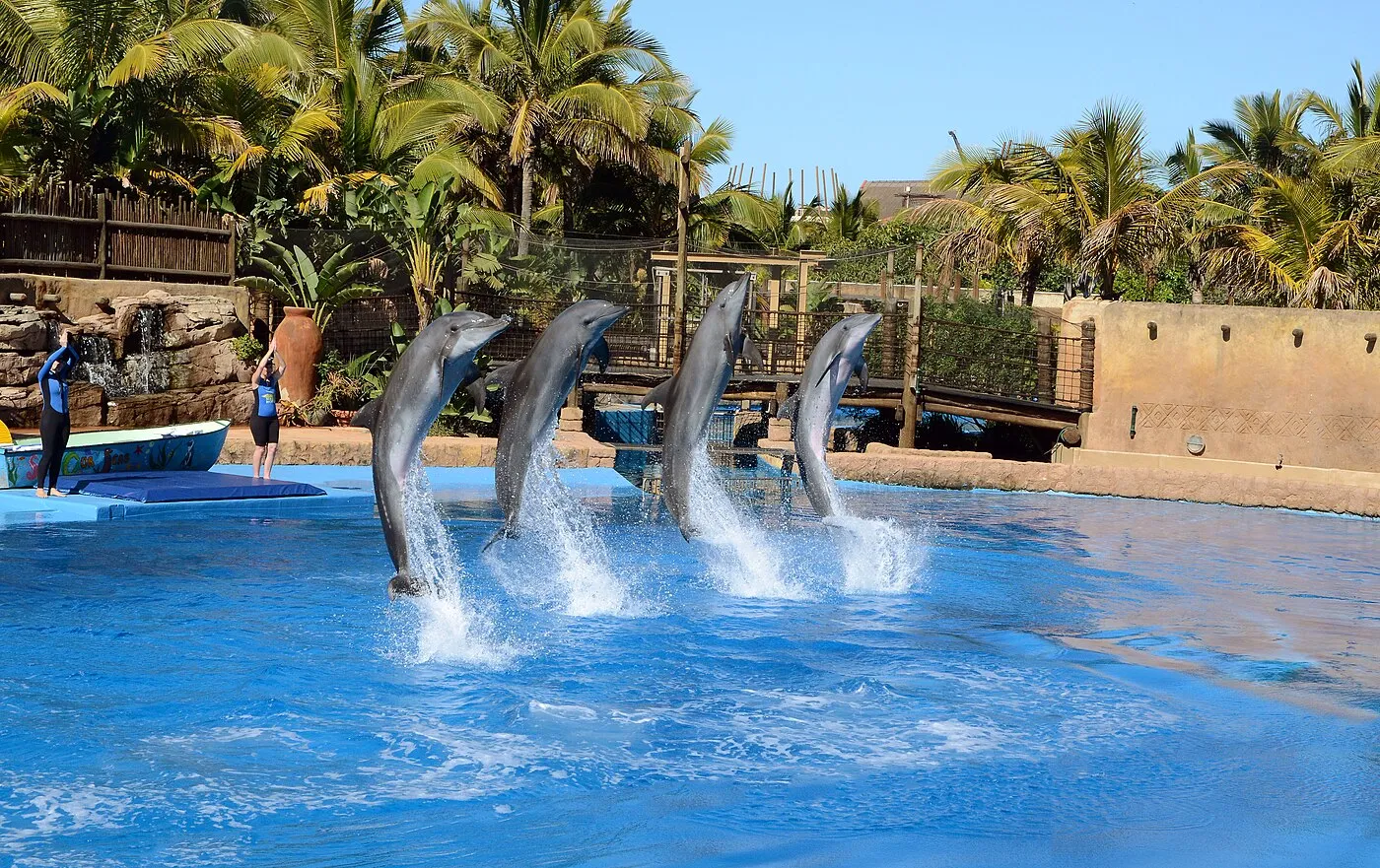
uShaka Marine World
Africa's largest aquarium, built inside five replica shipwrecks on Durban's waterfront
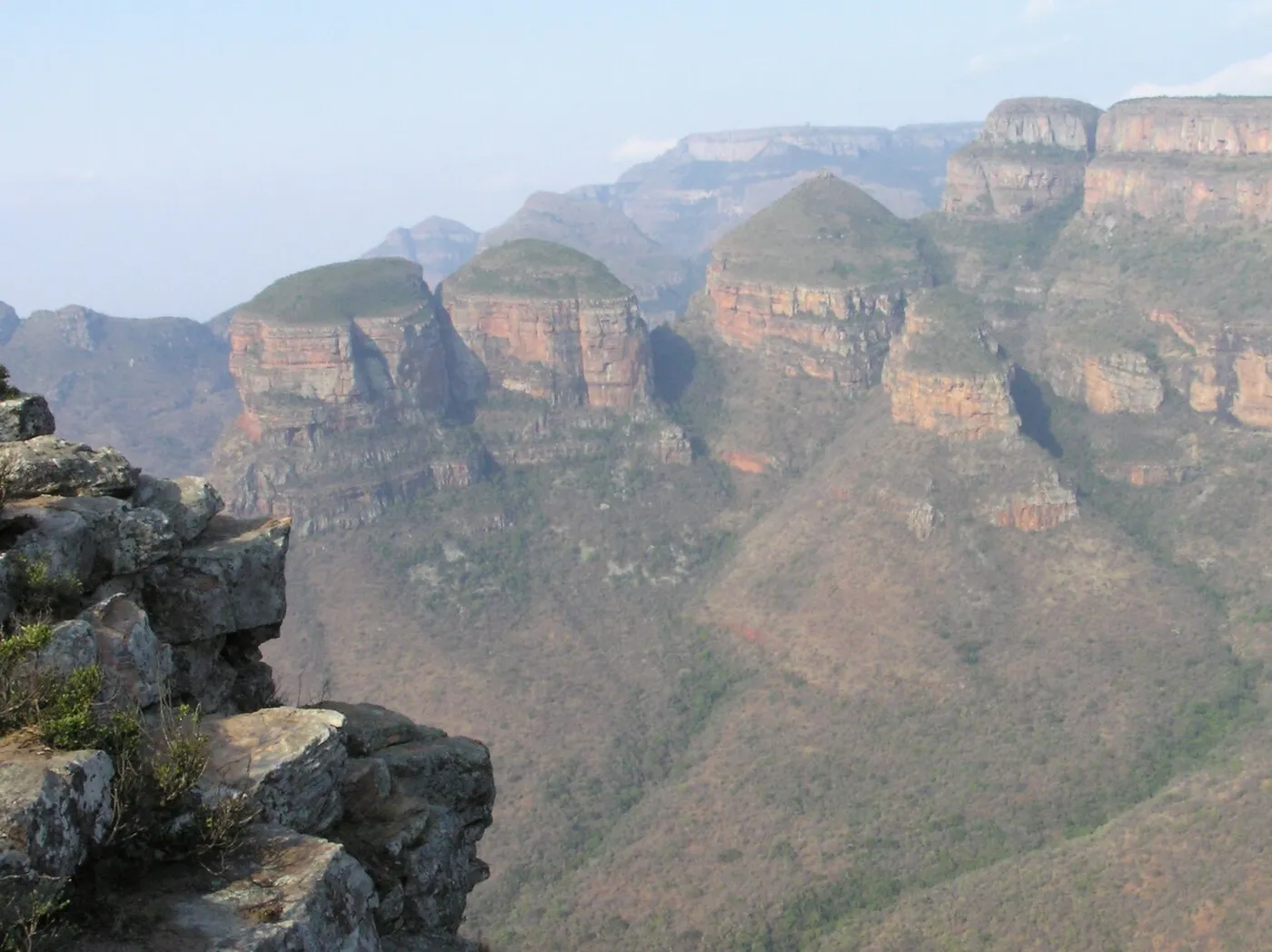
Valley of a Thousand Hills
Rolling green ridges, Zulu homesteads, and views that stretch to forever
Guide planning
How much does a tour guide cost in Durban?
Durban's guides tend to specialise: Zulu cultural interpreters for the valley, food-and-market walkers for the Indian quarter around Victoria Street Market, and surf-and-beach hosts for the Golden Mile. KwaZulu-Natal law requires a registered guide to carry a provincial tourist-guide badge, so ask to see it before you book. Typical rates:
| Tour Type | Price | Details |
|---|---|---|
| Group City Walks | R200-400 | $11-22 per person |
| Zulu Cultural Tour | R1,000-2,000 | $56-111 per person |
| Full-Day Valley Tour | R2,000-3,500 | $111-194 private |
| Food & Market Tour | R500-900 | $28-50 with tastings |
Season planner
When is the best time to visit Durban?
- Autumn to spring (April–September) is the sweet spot — warm, dry, sunny days in the low-to-mid 20s°C with little humidity or rain, and a sea that still hovers near 20°C, warm enough to swim.
- Summer (November–March) turns hot and sticky, with humidity above 80% and dramatic afternoon thunderstorms; it is also when Gauteng families pour south, so the December–January school holidays bring the busiest, priciest beaches.
- Sardine Run (June–July) — millions of sardines surge up the KwaZulu-Natal coast in the "greatest shoal on earth", trailing dolphins, sharks, and diving gannets.
- Whale season (June–November) — humpback whales migrate along the coast, and some are visible from shore or on boat trips out of the harbour.
- The Durban July (first Saturday of July) — South Africa's most glamorous horse race fills Greyville racecourse with high fashion and half the city.
Spring
Mar-May
Summer
Jun-Aug
Autumn
Sep-Nov
Winter
Dec-Feb
Each score averages that season’s monthly ratings out of 5. The top-rated window is usually the peak season too, so read the guidance above for its trade-offs before you book.
On the ground
How do you get around Durban?
- The People Mover bus loops the beachfront and city centre for a few rand a ride, linking the Golden Mile, uShaka Marine World, and the CBD.
- On foot — the Golden Mile promenade is flat and walkable end to end; stick to daylight and the busy, patrolled stretches.
- Ride-share apps and metered taxis cover the wider city; agree a fare or use an app rather than hailing on the street.
- King Shaka International Airport sits about 35 km north near uMhlanga; the M4 coastal road and airport shuttles reach the centre in roughly 40 minutes.
- Hire a car or join a tour for day trips inland to the Valley of a Thousand Hills, 30 km from the coast.
- Good to know — swim only between the flags on shark-netted beaches, and note that Durban, unlike Kruger, is malaria-free.
Frequently Asked Questions
What is the best time to visit Durban?
Humidity: Durban is subtropical and humid year-round; pack light, breathable clothing. Best months: April to September for warm days without summer humidity or rain.
How much does a tour guide cost in Durban?
Group City Walks: R200-400 ($11-22 per person). Zulu Cultural Tour: R1,000-2,000 ($56-111 per person). Full-Day Valley Tour: R2,000-3,500 ($111-194 private).
How do you get around Durban?
Durban's beachfront Golden Mile is walkable. Ride-share apps and metered taxis serve the wider area. The People Mover bus connects tourist spots, and King Shaka International Airport lies about 35 km north near uMhlanga.