

Overview
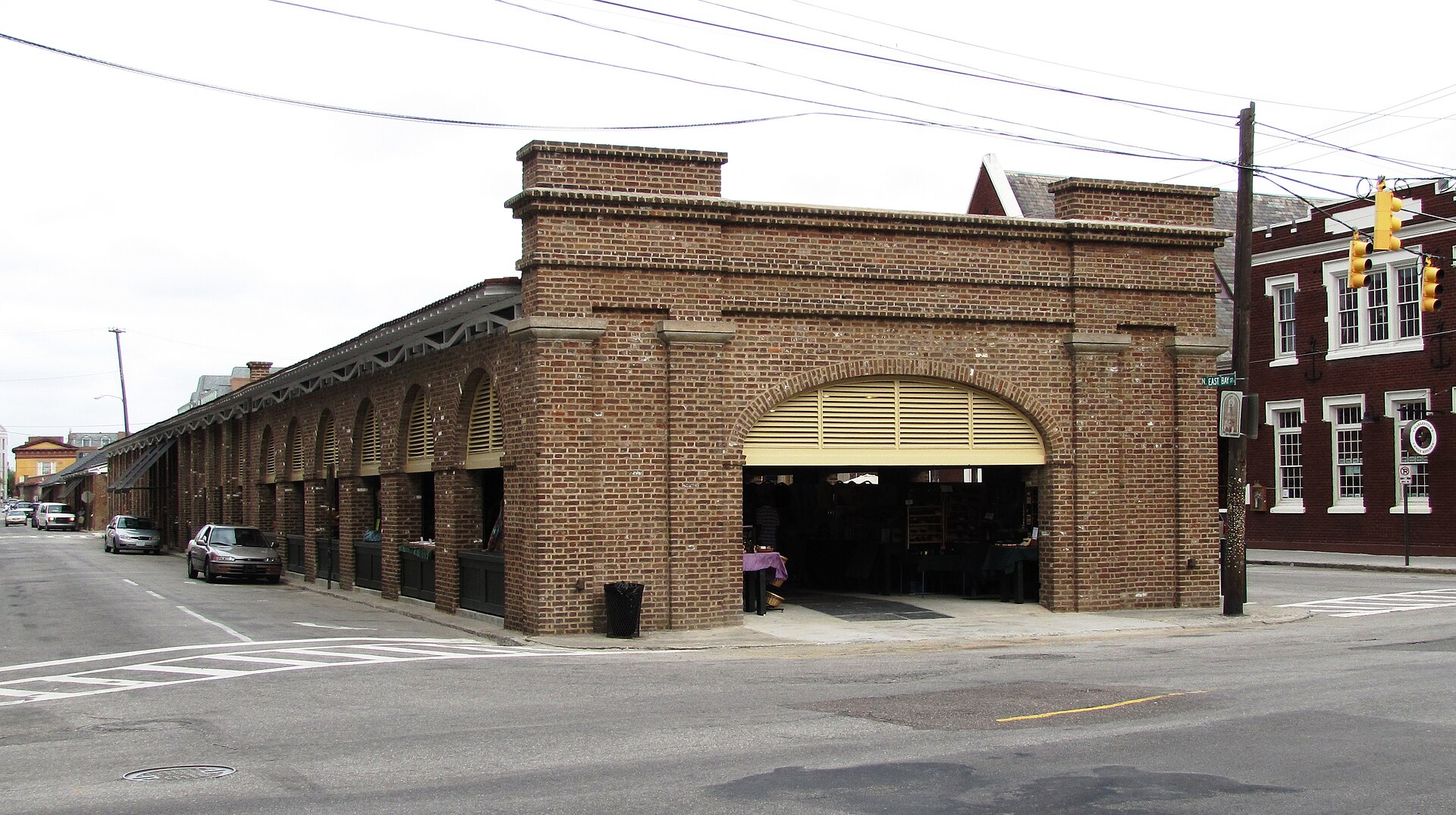
The Charleston City Market stretches four blocks between Meeting Street and East Bay Street, an open-air marketplace that has operated on this site since the 1790s. The original market buildings -- long, low brick sheds with open sides designed to catch the harbour breeze -- still stand, and inside them a rotating cast of over 300 local vendors sell everything from sweetgrass baskets and handmade jewellery to pralines, hot sauce, and Lowcountry art. The market is not a flea market or a farmers' market but something distinctly Charlestonian: a cultural institution where Gullah Geechee basket weavers sit alongside fourth-generation candy makers, and where the boundary between commerce and craft has been blurred for over two centuries.
The sweetgrass basket weavers are the market's living treasures. Gullah women -- and increasingly men -- sit at stands along the market's edges, coiling sweetgrass, pine needles, and palmetto leaves into baskets using techniques brought from the rice-growing regions of West Africa over 300 years ago. These baskets were originally utilitarian, used for winnowing rice in the Lowcountry plantations, but today they are recognised as fine art, with intricate pieces selling for hundreds or even thousands of dollars. A guide who understands the Gullah Geechee tradition can introduce visitors to individual weavers, explain the symbolism of different patterns, and place this living craft within the broader story of African cultural survival in the American South. Rainbow Row and The Battery are a short walk from the market's eastern end.
Food Stalls
Wandering the market independently is pleasant but superficial. Without context, the sweetgrass baskets are attractive souvenirs rather than three-century-old living links to West African rice cultivation. The market buildings themselves carry stories invisible to casual browsers -- the site's history as a commercial hub dating to the colonial era, the role of enslaved and free Black vendors who were the market's backbone for most of its existence, and the architectural evolution from open-air fish and vegetable stalls to the artisan marketplace visitors see today.
Sweetgrass basket weaving: Watch Gullah artisans at work and ask about their family's weaving tradition -- many represent five or more generations of basket makers in the Lowcountry. Market Hall (1841): The Roman Revival building at the Meeting Street end houses the Daughters of the Confederacy museum upstairs, while its columned facade anchors the market complex. Praline and benne wafer vendors: Sample these traditional Lowcountry confections made from recipes that trace back centuries. Benne seeds were brought from West Africa by enslaved people who planted them as good-luck charms in their personal garden plots, and they eventually became a signature ingredient in Lowcountry cooking. A guide who can introduce you to a basket weaver by name, explain why a particular candy recipe uses sorghum instead of cane sugar, and point out the architectural details of the 1841 Market Hall with its Roman Revival facade transforms a shopping trip into cultural immersion. Local art and photography: Charleston-based painters, photographers, and metalworkers sell original work that captures the city's architecture, landscapes, and culture. Night Market atmosphere: Friday and Saturday evenings transform the market into a lively scene with string lights, live music, and a different vendor mix than the daytime hours.
What To Buy
The market buildings carry stories invisible to casual browsers -- the site's history as a commercial hub dating to the colonial era, the role of enslaved and free Black vendors who were the market's backbone for most of its existence, and the architectural evolution from open-air fish and vegetable stalls to the artisan marketplace visitors see today.
Culinary guides add another dimension, connecting the pralines, benne seed wafers, and she-crab soup sold at market-adjacent restaurants to the specific cultural traditions that created them. The 1841 Market Hall with its Roman Revival facade anchors the western end of the complex, and a guide who can introduce you to a basket weaver by name, explain why a particular candy recipe uses sorghum instead of cane sugar, and point out architectural details transforms a shopping trip into cultural immersion.
When to Visit
Daytime market: Daily 9:30 AM to 5:00 PM (6:00 PM in summer). Individual vendor hours vary, but the main sheds are generally full by 10:00 AM. Night Market: Friday and Saturday evenings from 6:30 PM to 10:30 PM, March through December, with a different selection of vendors, live music, and a festive atmosphere after dark.
Best time to visit: Weekday mornings between 10:00 and 11:30 AM, when all vendors are set up but before the midday tour bus crowds arrive. Sweetgrass weavers are most consistent in the morning hours; their outdoor stands along the market perimeter and nearby streets are weather-dependent.
Admission and Costs
Entering the market: Completely free. No admission fee to browse any of the four market sheds. Sweetgrass baskets: Small pieces from $20-60, medium baskets $80-200, large and intricate works $300-2,000+. Prices reflect hours of hand-coiling labour.
Guided market and food tour: $45-85 per person, typically 2-2.5 hours covering market history, artisan introductions, and Lowcountry food tastings at nearby restaurants. Private cultural tour: $200-350 for up to 6 people, weaving the market into a broader Gullah Geechee heritage narrative.
Tips for Visitors
Cash for small vendors: While most vendors accept cards, some smaller artisan stands are cash-only. An ATM is available nearby on Market Street. Ask permission for photos: Sweetgrass basket weavers are working artisans, not performers. Ask before photographing them, and consider purchasing something if you spend time watching and learning.
Shipping available: Many vendors offer shipping for large or fragile items, particularly basket weavers and painters whose work may not fit in luggage. Nearby dining: The blocks surrounding the market are packed with restaurants. Husk, 167 Raw, and Magnolias are within a 5-minute walk. Combine with Rainbow Row: East Bay Street is a 3-minute walk from the market's eastern end, making these two landmarks a natural pair.