

Overview
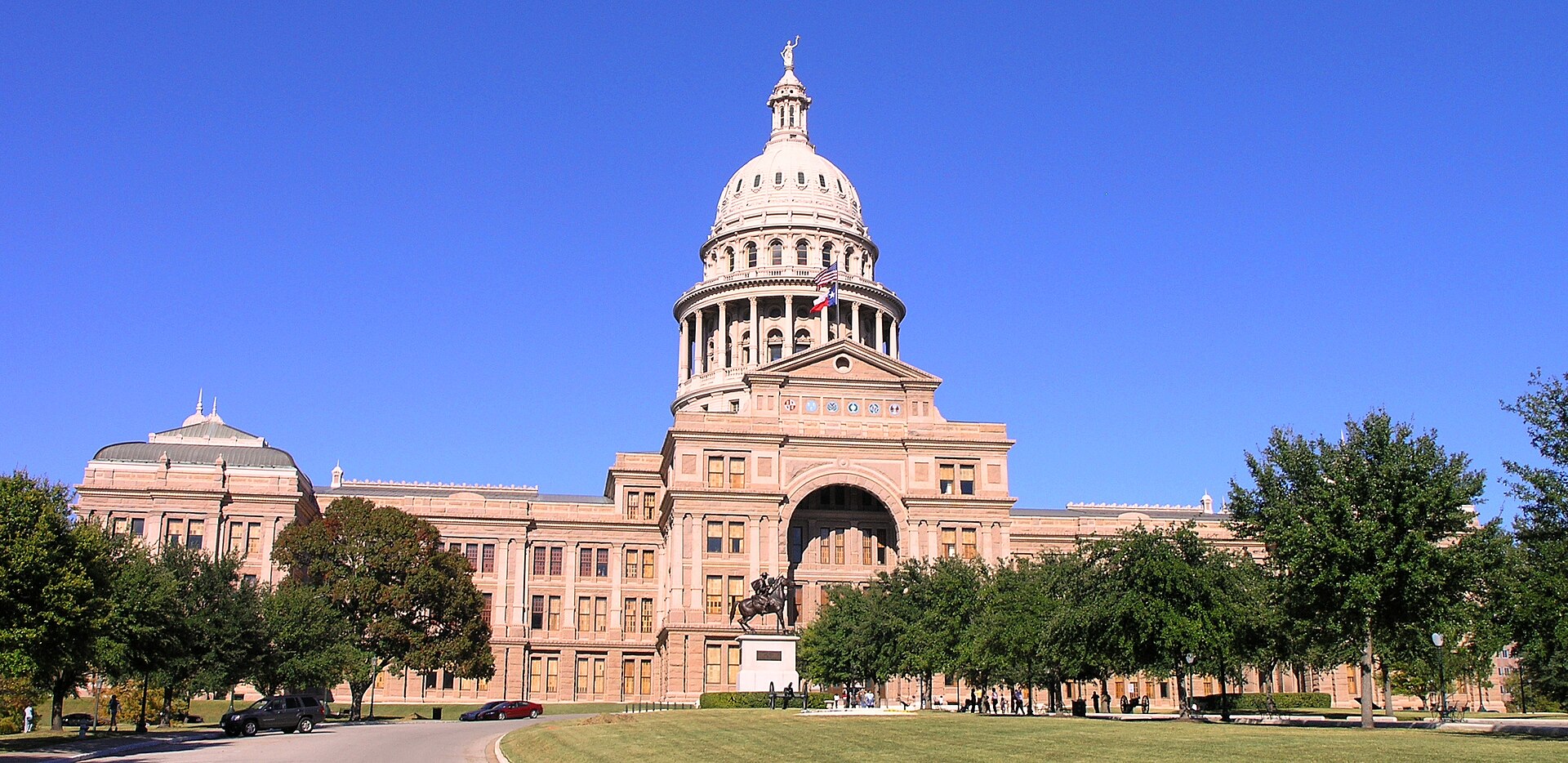
The Texas State Capitol rises from a hilltop at the head of Congress Avenue, its pink granite dome commanding the Austin skyline with an authority that is entirely intentional. When the building was completed in 1888, Texas legislators insisted that it stand taller than the United States Capitol in Washington, D.C., and at 308 feet from ground to the tip of the Goddess of Liberty statue, they succeeded by 14 feet. The exterior is clad in sunset red granite quarried from Marble Falls, 50 miles northwest, and the interior unfolds through corridors of polished oak, terrazzo floors inlaid with brass stars, and a rotunda that funnels the eye upward through four stories of balconied galleries to the star painted on the inside of the dome. Beyond its architectural grandeur, the Capitol is a living theater of Texas politics and history. The building has witnessed the impeachment of a governor, the debate over secession, the signing of women's suffrage legislation, and decades of oil-boom dealmaking in its ornate legislative chambers. The surrounding 22-acre grounds are studded with over a dozen monuments, from the Confederate Soldiers Memorial to the more recent African American and Tejano monuments that have expanded the story told on these lawns. A massive underground extension, completed in 1993, doubled the building's usable space while preserving the original facade. Free guided tours run throughout the day and remain one of the best bargains in Austin, but a private guide adds historical context that the standard tour compresses, drawing connections between the building's architecture, the state's tumultuous political past, and the legislative battles that continue to shape Texas today.
Historical Significance
⭐ Rotunda floor star: Stand on the lone star inlaid in the terrazzo floor at the center of the rotunda and look straight up through four levels of balconies to the painted star inside the dome. 🔥 Sunset red granite: The exterior glows warmest in the final hour before sunset; walk the south lawn for the best view of the dome against the sky. 🏛 Senate and House chambers: Both legislative chambers retain their 1888 desks and fixtures; the Senate chamber's coffered ceiling and stained glass are particularly striking. 🗼 Governor portraits gallery: The second-floor corridor displays portraits of every Texas governor from Sam Houston onward, a visual timeline of the state's turbulent political evolution. 🌳 Capitol grounds walk: The tree-shaded 22-acre grounds include the Great Walk (a formal approach from Congress Avenue) and monuments that tell the story of Texas from multiple perspectives. 🔓 Underground extension: The 1993 underground addition, accessible from the Capitol, houses committee rooms, a cafeteria open to the public, and a light-filled atrium courtyard. 🚩 Goddess of Liberty: The zinc statue atop the dome holds a gilded star aloft; the original 1888 statue was replaced in 1986 and is now displayed in the Bob Bullock Texas State History Museum nearby
Architecture
Arrive early for tours: The free guided tours are first-come, first-served and popular with school groups; arriving before 10 AM on weekdays ensures a smaller group. Combine with Sixth Street: The Capitol sits four blocks north of the entertainment district, making a morning Capitol visit and evening music outing a natural pairing. Dress comfortably: The building is air-conditioned, but the grounds tour involves walking on gravel paths in full Texas sun; bring water and a hat. Check the legislative calendar: If the Legislature is in session, the public galleries in both chambers offer a front-row seat to Texas politics in action. Congress Avenue approach: Walk south on Congress Avenue from the Capitol for the most iconic view of the building, and continue all the way to South Congress for an afternoon of shopping and food. Bob Bullock Museum: Three blocks northeast, this state history museum complements a Capitol visit with interactive exhibits spanning 16,000 years of Texas history. Accessible entrances: Wheelchair-accessible entrances are available on the north side; elevators serve all public floors including the underground extension
When to Visit
Building hours run Monday through Friday 7 AM to 10 PM, and Saturday-Sunday 9 AM to 8 PM. Free guided tours are offered every 30-45 minutes from 8:30 AM to 4:30 PM on weekdays and 9:30 AM to 3:30 PM on weekends. Self-guided visits are available during all open hours; pick up a brochure at the visitors centre in the southeast corner of the grounds.
The best time to visit is early morning on weekdays, when the rotunda is quiet and light through the eastern windows illuminates the terrazzo floors. The Texas Legislature meets in odd-numbered years from January to May; visiting during session lets you watch debates from the public galleries.
Admission and Costs
Symbolism saturates every surface of this building, invisible to those who walk through without interpretation. Lone stars appear embedded in the door hinges, brass fixtures, and terrazzo floors. The portraits of every Texas governor since Sam Houston line the second-floor corridors in chronological sequence, their expressions and poses revealing as much about artistic fashion as political temperament. Knowledgeable guides decode these details, transforming architectural ornamentation into a narrative about Texas identity that the free docent tours compress into sound bites. The legislative chambers have witnessed some of the most dramatic moments in American political history. Filibuster battles that stretched through entire nights, oil-money deals struck in ornate anterooms, impeachment proceedings that captivated the state - these events left no physical trace in the wood and marble, yet they define what this building means. Guides bring the chambers to life with specific stories: which desk belonged to which consequential legislator, where Barbara Jordan sat when she became the first African American elected to the Texas Senate since Reconstruction, how the acoustics were designed so that voices would carry without amplification. The story of the building's construction alone demands telling - how Texas, cash-poor but land-rich, paid for the Capitol with three million acres of Panhandle prairie, creating the legendary XIT Ranch in one of the most remarkable real estate transactions in American history. Beyond the building itself, 22 acres of grounds contain monuments spanning the Civil War to the civil rights movement, each with stories that bronze plaques cannot adequately convey. The context requires human explanation: why certain monuments stand where they do, what political battles accompanied their placement, how the landscape of memory on these lawns has evolved with changing times. Guides weave the Capitol into Austin's broader fabric, connecting it to Sixth Street four blocks south and the University of Texas campus directly north, revealing a city where political power, live music, and intellectual ambition have always existed in creative tension.
Tips for Visitors
Arrive before 10 AM on weekdays -- the free guided tours are first-come, first-served and popular with school groups. The Capitol sits four blocks north of Sixth Street, making a morning Capitol visit and evening music outing a natural pairing.
Dress comfortably: the building is air-conditioned, but the grounds tour involves walking on gravel paths in full Texas sun, so bring water and a hat. Check the legislative calendar -- if the Legislature is in session, the public galleries in both chambers offer a front-row seat to Texas politics. Walk south on Congress Avenue from the Capitol for the most iconic view of the building, and continue all the way to South Congress Avenue for an afternoon of shopping and food. The Bob Bullock Texas State History Museum, three blocks northeast, complements a Capitol visit with interactive exhibits spanning 16,000 years of Texas history.