
.jpg)
Overview
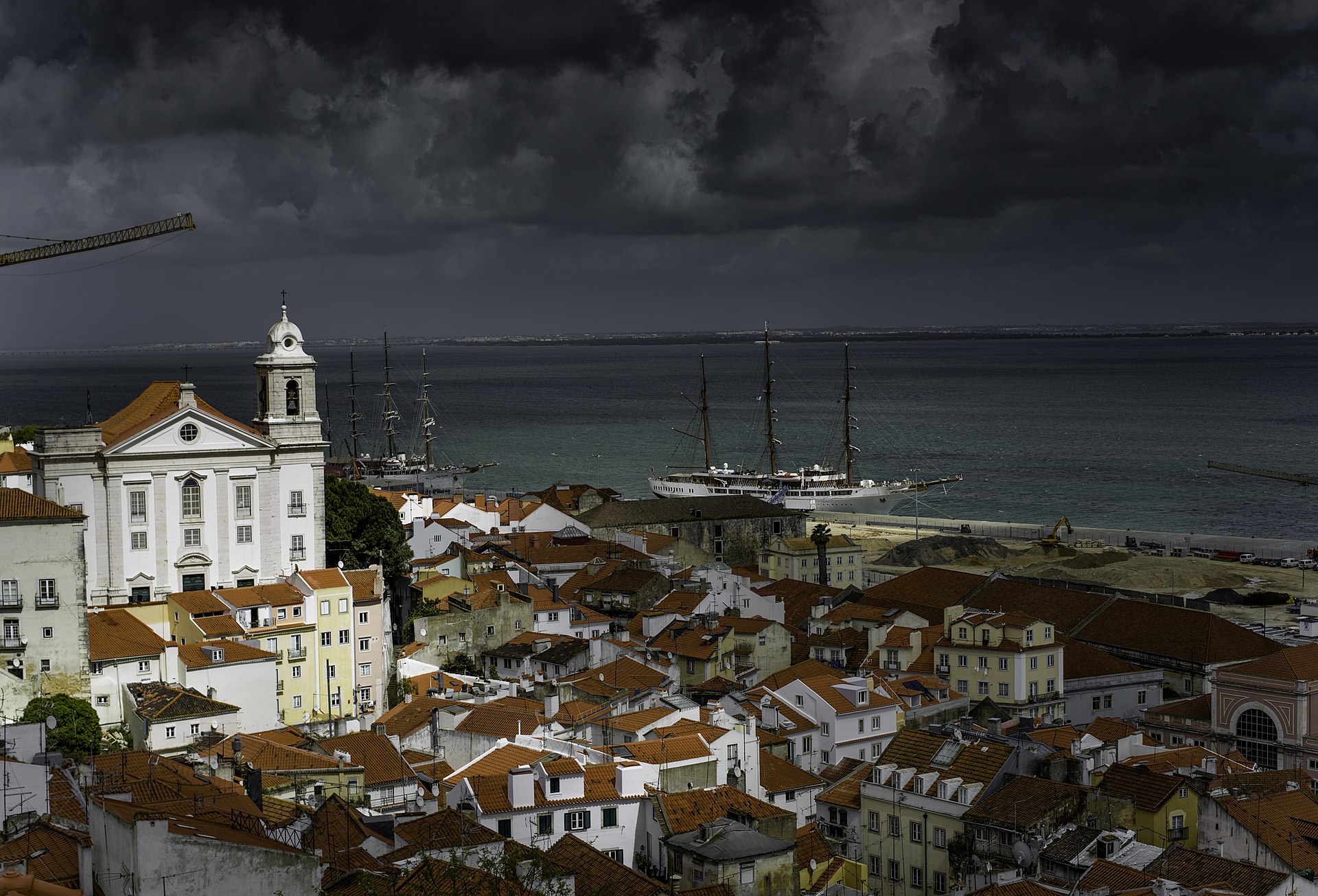
Alfama is the neighborhood the 1755 earthquake couldn't destroy. While the quake and tsunami leveled most of Lisbon, Alfama's position on solid bedrock spared its Moorish-era street plan — a tangle of alleys, stairways, and dead-end passages that have barely changed since the 12th century. This is where fado was born in the 1820s, in taverns so small that the singer's voice bounced off the walls and into the street. Today, laundry still hangs between azulejo-tiled buildings, elderly residents lean from windows to chat across the lane, and the scent of grilled sardines rises from backstreet restaurants every afternoon.
Local Life
Navigation: GPS struggles in Alfama's medieval maze — even Google Maps sends you into walls; a guide knows every shortcut and stairway. Fado gatekeeping: The best fado venues don't advertise — guides have personal relationships with fadistas and know which doorways lead to genuine performances. Moorish history: Alfama's name comes from the Arabic "al-hamma" (hot springs), and a guide uncovers the Islamic layer beneath the Catholic surface. Miradouro sequencing: There are a dozen viewpoints scattered across the hills — guides route you through the best ones in logical order without backtracking
Walking Routes
Casa de fado — Intimate venues where three performers (singer, Portuguese guitar, classical guitar) create the sound of saudade. São Jorge Castle — The Moorish fortification crowning Alfama with panoramic rampart walks. Miradouro da Graça — Terraced viewpoint looking across to the castle and down to the Tagus. Miradouro de Santa Luzia — Bougainvillea-draped terrace with azulejo panels depicting pre-earthquake Lisbon. Sé de Lisboa — The city's 12th-century Romanesque cathedral, built on the site of a mosque. Feira da Ladra — Lisbon's sprawling flea market, held every Tuesday and Saturday since the 13th century. Tram 28 route — The iconic yellow tram squeaks through Alfama's narrowest passages
When to Visit
Morning (9-11 AM): Quiet streets, good light for photography, shops opening, tram 28 less crowded. Late afternoon (4-6 PM): Golden hour on the miradouros, cooling temperatures, neighborhood comes alive. Evening (8 PM onward): Fado performances start in casas de fado — some require dinner reservations. Tuesday & Saturday mornings: Feira da Ladra flea market at Campo de Santa Clara. Avoid: Midday in summer — the steep hills and cobblestones are punishing in 35°C heat with no shade
Admission and Costs
Exploring on foot: Free (the neighborhood itself is open-air). Fado in a casa de fado: €25-50 per person (usually includes one drink; dinner shows €50-80). Guided Alfama walking tour: €10-20 per person (2-3 hours, covers history + viewpoints). Private fado + food tour: €80-150 per person (includes tastings, ginjinha, and a fado performance). São Jorge Castle entry: €15 (at the top of Alfama)
Tips for Visitors
Shoes matter: Alfama's calçada cobblestones are polished smooth and deeply uneven — sturdy flats or sneakers only. Start at the top: Take the tram or taxi to São Jorge Castle and walk downhill through the neighborhood. Fado etiquette: Absolute silence during performances — no talking, phone sounds, or flash photography. Pickpocket awareness: Tram 28 and crowded miradouros attract skilled thieves — keep valuables zipped. Sardine season: June is the Santos Populares festival — Alfama fills with grilled sardines, music, and street parties every night. Water: Carry at least a liter — the hills are relentless and shade is sparse