
Lisbon timeline
-
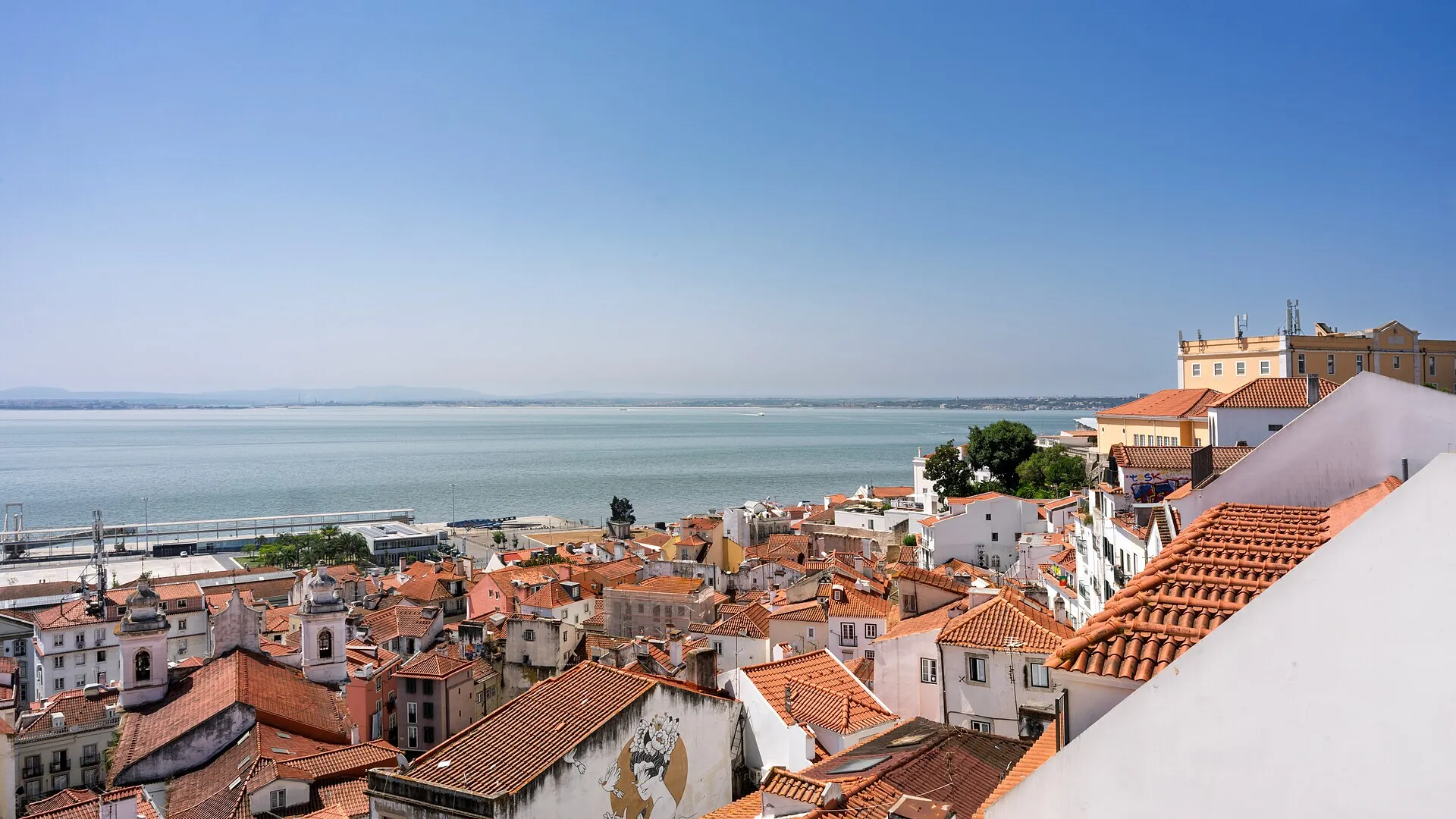
São Jorge Castle ramparts
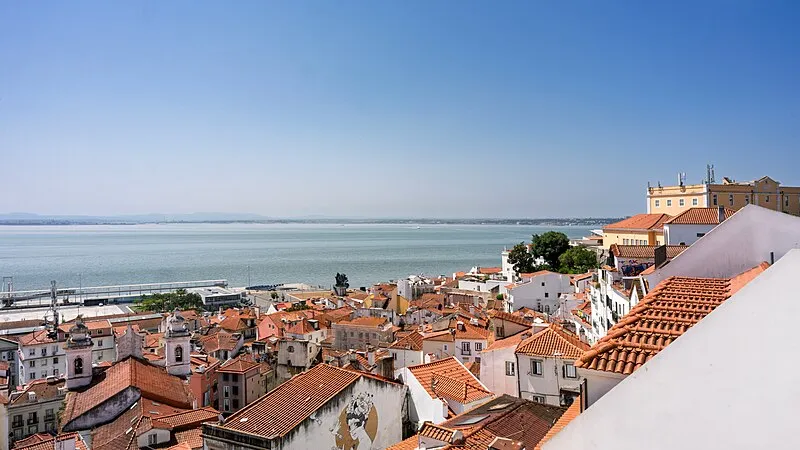
— Walk the Moorish walls for a 360-degree panorama from the Ponte 25 de Abril to the Alfama rooftops.
-
Lisbon reconquered
Afonso Henriques and crusader allies took the city, beginning Lisbon's Christian medieval chapter.
-
Vasco da Gama returns
The India voyage confirmed Lisbon as a capital of Atlantic and Indian Ocean trade.
-
Earthquake remakes the city
Disaster destroyed much of Lisbon and led to the planned Baixa grid that defines the center.
-
Republic proclaimed
Portugal's republic began in Lisbon, changing civic symbols and political life.
-
Tram 28 runs on a route established
Tram 28 runs on a route established in 1914.
-
Expo renews the riverfront
The world's fair transformed eastern docklands into the Parque das Nacoes district.
Cited city facts
Key facts for visiting Lisbon
The 1755 earthquake killed an estimated 30,000 to 50,000 people in Lisbon
The magnitude-8.5 quake, followed by a tsunami and fires, destroyed 85% of the city and reshaped European philosophy, inspiring Voltaire's Candide
Tram 28 runs on a route established in 1914
The vintage yellow Remodelado trams navigate some of Lisbon's steepest and narrowest streets, covering 7 km between Martim Moniz and Campo Ourique
Lisbon receives approximately 2,800 hours of sunshine annually
Making it one of the sunniest capitals in Europe, with more annual sunshine than Rome, Madrid, or Athens
Over 50 miradouros (viewpoints) are scattered across the city
Lisbon's seven-hill topography means panoramic vistas are never more than a short climb away, each offering a different angle on the terracotta rooftops and Tagus estuary
Source: tour-guide.com — Free to cite with attribution
Things to see
What are the top attractions in Lisbon?
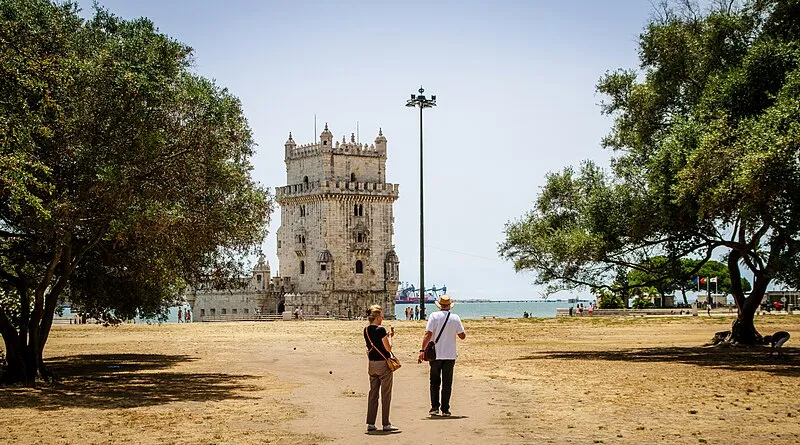
- Belém Tower at golden hour — The fortified tower catches sunset light reflected off the Tagus estuary.
- Fado in Alfama — Hear Portugal's soul music in a tiny tavern where the singer stands arm's length away.
- Jerónimos Monastery cloisters — Manueline stone carved into ropes, sea creatures, and exotic plants from newly discovered lands.
- São Jorge Castle ramparts — Walk the Moorish walls for a 360-degree panorama from the Ponte 25 de Abril to the Alfama rooftops.
- Tram 28 — The vintage yellow tram threads through Lisbon's steepest, narrowest streets — ride it with a guide who knows when to hop on and off.
- Pastel de nata trail — Guides lead tastings beyond the famous Pastéis de Belém to lesser-known bakeries with equally exceptional custard tarts.
Alfama
Lisbon's soul district — fado, Moorish alleys & hilltop miradouros
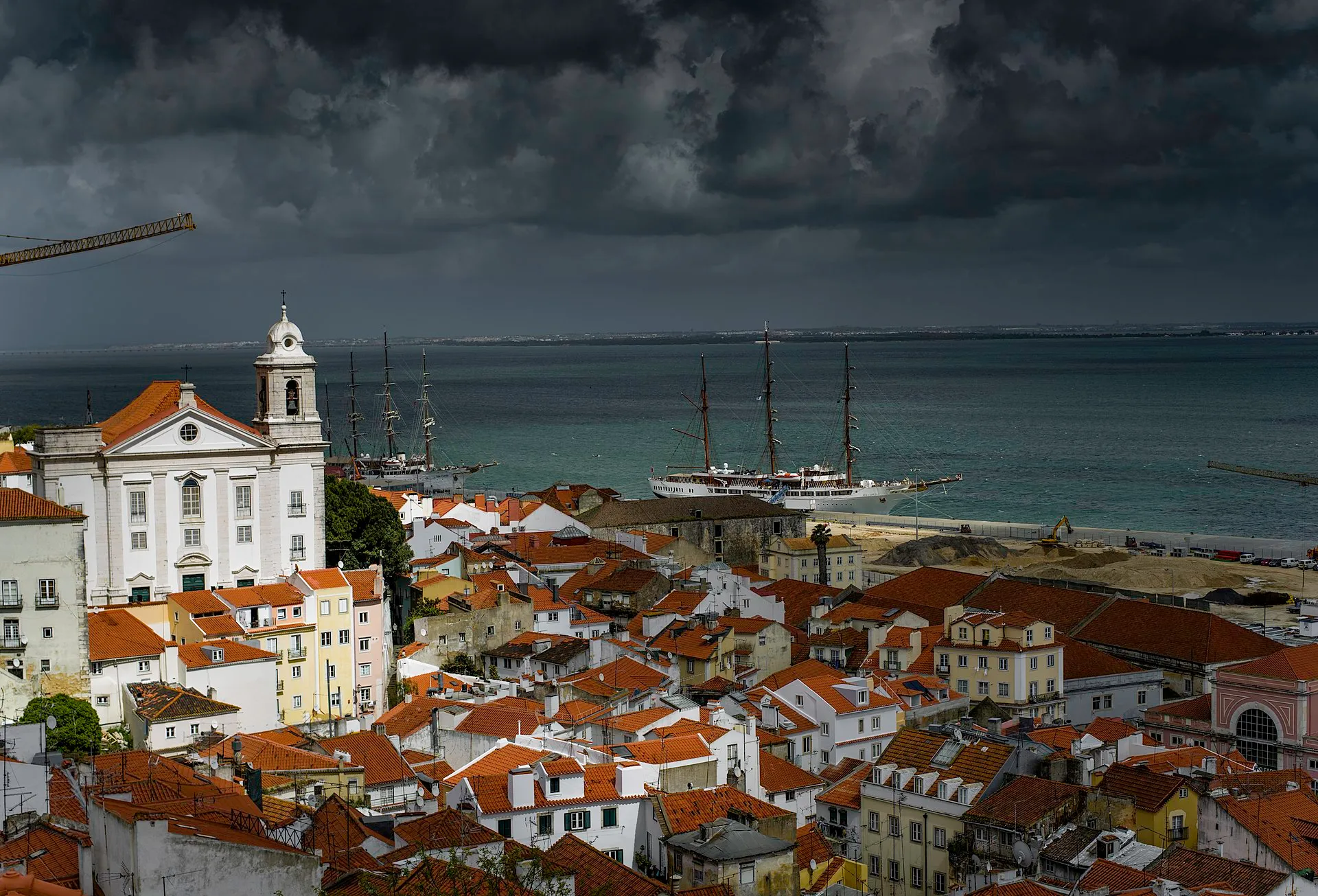
Belém Tower
Manueline fortress at the edge of the known world
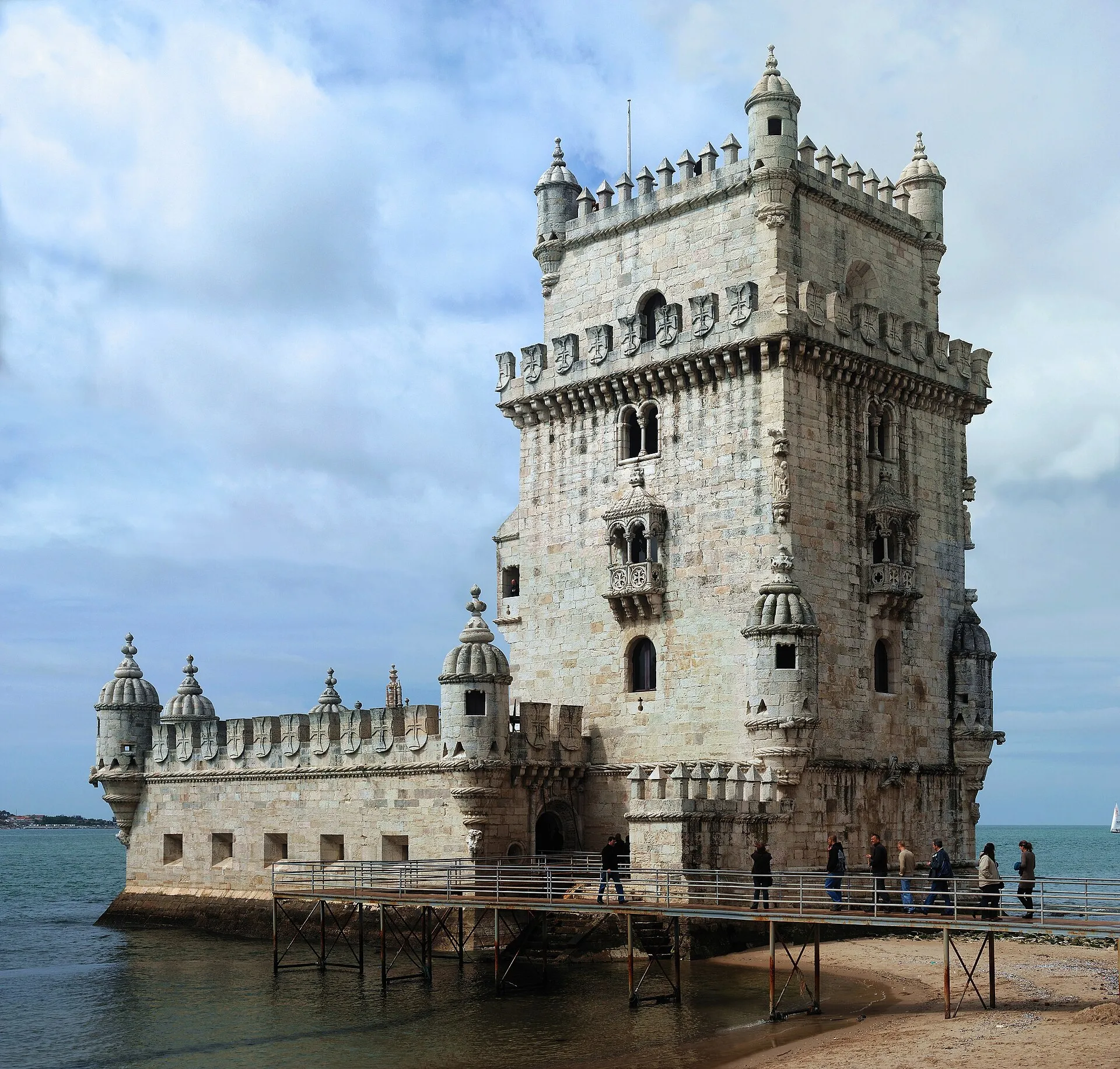
Jerónimos Monastery
Manueline glory in stone — where Portugal celebrated its maritime conquests
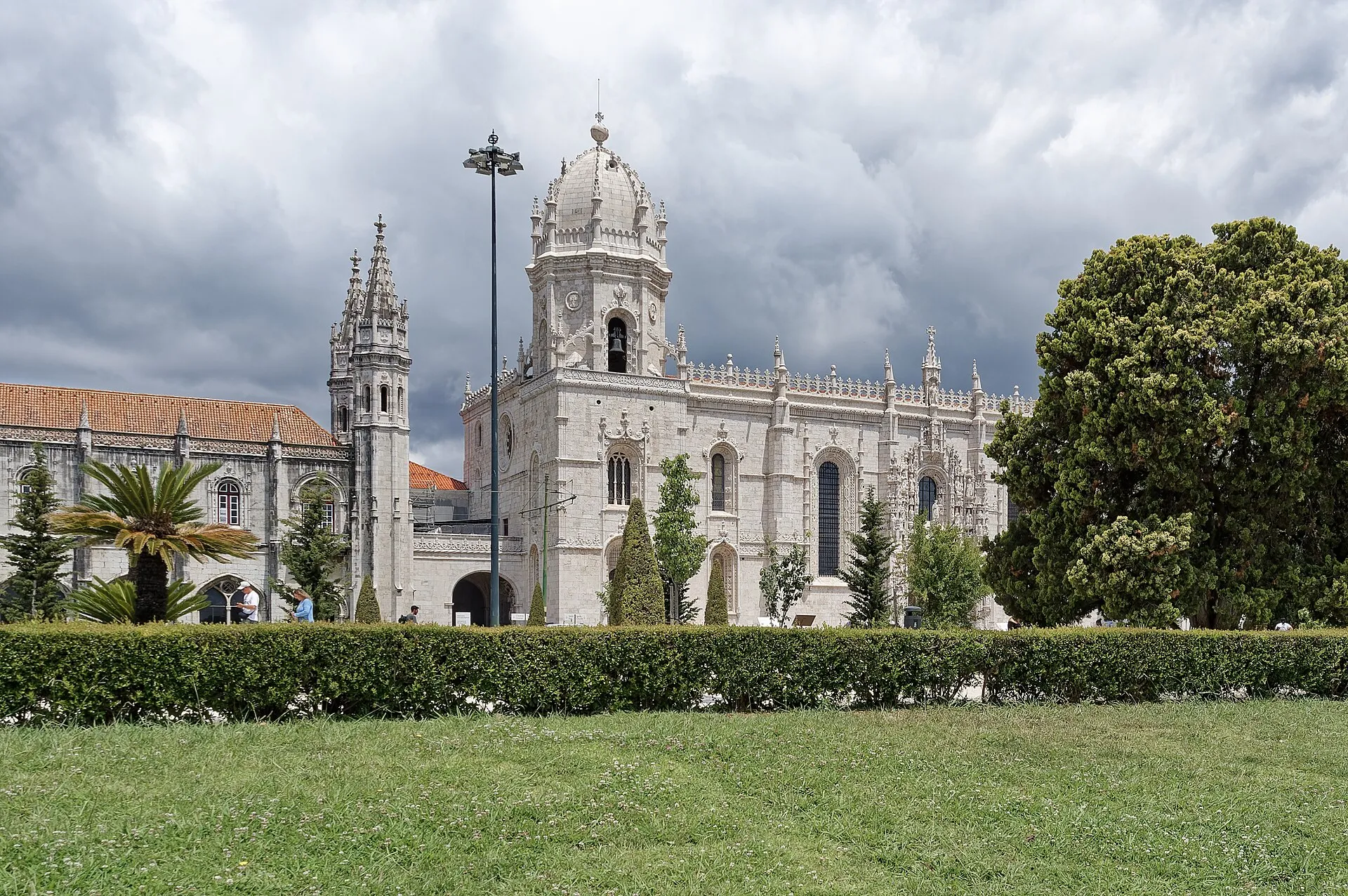
São Jorge Castle
Moorish ramparts with the finest panorama in Lisbon
Guide planning
How much does a tour guide cost in Lisbon?
Lisbon has a thriving guide scene — here's how to find the right fit:
| Tour Type | Price | Details |
|---|---|---|
| Group Walking Tours | €10-20 | Per person, 2-3 hours |
| Private Half-Day | €100-200 | Up to 6 people, 4 hours |
| Private Full-Day | €200-400 | Up to 6 people, 8 hours |
| Fado & Food Evening | €60-120 | Per person, includes tastings |
Book a Local Guide
The guides below are independent local businesses we recommend purely on editorial merit. We don't sell placement and we earn no commission when you book with them — see our booking and affiliate disclosure.
Taste of Lisbon Food Tours
Taste of Lisbon runs small-group food walks through the Mouraria and Alfama neighbourhoods, stopping at family-run tasca restaurants, pastéis de nata bakeries, and ginjinha bars that would be almost impossible to find without a local. The guides weave food history into every tasting stop, so you leave knowing why salt cod shaped an entire nation's cuisine.
Lisbon With Us
Lisbon With Us specialises in private guided tours built around your interests — whether that means tracing the Age of Discoveries through Belém's monumental architecture, following tram 28 through the hills with historical commentary, or exploring the Mouraria with a fado singer as your guide. Flexible booking and personalised itineraries make this the go-to for visitors who prefer depth over checklists.
Season planner
When is the best time to visit Lisbon?
- March-May — Mild weather, blooming jacarandas, manageable crowds before summer rush.
- September-October — Warm evenings, festival season winding down, golden light across the Tagus.
- Early mornings — Hit Belém Tower and Jerónimos Monastery at opening to beat coach groups.
- Avoid July-August — For sightseeing (35°C+ on shadeless hilltops), though evenings stay lively.
Spring
Mar-May
Summer
Jun-Aug
Autumn
Sep-Nov
Winter
Dec-Feb
Each score averages that season’s monthly ratings out of 5. The top-rated window is usually the peak season too, so read the guidance above for its trade-offs before you book.
On the ground
How do you get around Lisbon?
- Comfortable shoes are non-negotiable — Lisbon's cobblestoned hills are steep and slippery — flat, grippy soles only.
- Tram 28 pickpockets — The famous route attracts crowds and skilled thieves — a guide helps you ride safely or suggests alternatives.
- Lisboa Card — Covers public transport, trams, and free entry to 39 museums — guides can advise whether the 24/48/72-hour pass suits your plans.
- Tipping — 10% for private guides, €3-5 per person for group tours if satisfied.
- Ginjinha — Cherry liqueur served in chocolate cups at hole-in-the-wall bars — a guide knows the best spots in Rossio.
- Day trip to Sintra — Sintra is 40 minutes by train — combine both in a well-planned guided itinerary.
Frequently Asked Questions
How many days do you need in Lisbon?
Three days fits Lisbon and its hills nicely. One day explores the riverside Belém district — the Belém Tower, the Manueline Jerónimos Monastery, and the original pastéis de nata. A second climbs through Alfama to São Jorge Castle, ideally on vintage Tram 28, ending with Fado in a tiny tavern. The third day is for the Chiado, Bairro Alto, and the Time Out Market. Add a fourth day for the palaces of Sintra, an easy and spectacular train ride away.
What is the best time to visit Lisbon?
March-May: Mild weather, blooming jacarandas, manageable crowds before summer rush. September-October: Warm evenings, festival season winding down, golden light across the Tagus.
How much does a tour guide cost in Lisbon?
Group Walking Tours: €10-20 (Per person, 2-3 hours). Private Half-Day: €100-200 (Up to 6 people, 4 hours). Private Full-Day: €200-400 (Up to 6 people, 8 hours).
How do you get around Lisbon?
Lisbon has metro (4 lines), iconic trams (especially Tram 28), buses, funiculars for the hills, and ferries across the Tagus.