
Lisbon in 3 Days: A Complete Itinerary for First-Time Visitors
A day-by-day Lisbon itinerary covering the city's historic tram routes, hilltop viewpoints, fado houses, Belém monuments.
Read the full guideUpdated · 10 min read
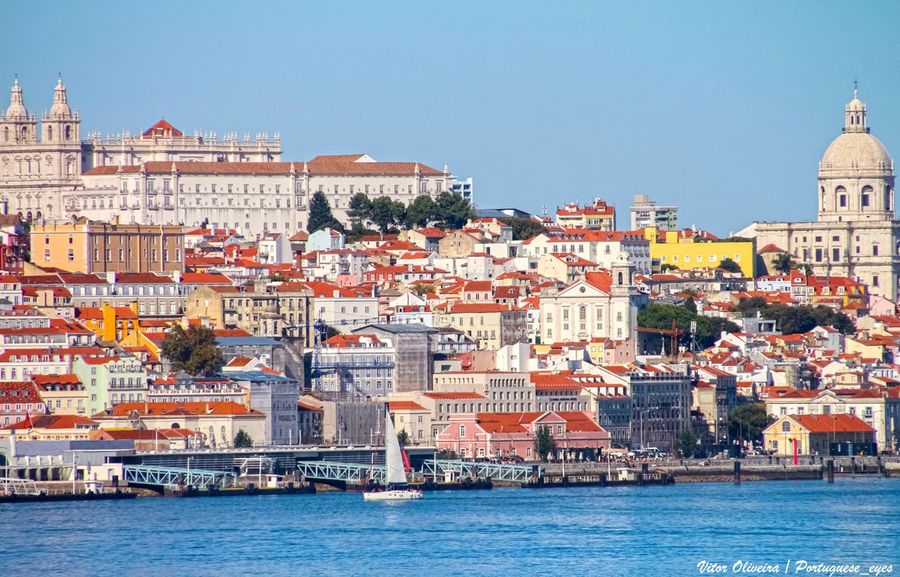
Three days is enough to grasp Lisbon: spend day one on hilltop Alfama, São Jorge Castle, and evening fado; day two across the rebuilt Baixa, Chiado, and nightlife of Bairro Alto; and day three among Belém's Age of Discovery monuments. The city is walkable but seriously hilly, so wear proper shoes.
Lisbon is one of Europe's oldest capitals and one of its most atmospheric. Built across seven hills above the Tagus estuary, it layers medieval Moorish heritage, Age of Discovery grandeur, and a contemporary creative revival that has drawn a wave of international attention without (mostly) destroying the character that makes it distinctive. Three days is enough to understand why people keep coming back.
What should you know before you arrive in Lisbon?
Lisbon is walkable in places but seriously hilly, with some streets reaching a 20% gradient, so good shoes are essential. The Metro is faster than the crowded 28E tram, and a Viva Viagem card covers trams, Metro, buses, and rail. Book Belém sites, São Jorge Castle, and fado houses ahead.
Lisbon is compact and walkable in places, but the hills are serious — some streets reach a 20% gradient. Good walking shoes are essential, not optional. The city's famous yellow trams (particularly the 28E) are charming but slow and crowded with tourists in peak season; for practical movement, the Metro is faster and the Viva Viagem card (loaded with credit or a day pass) covers trams, Metro, buses, and suburban rail.
Book your Belém sites (Jerónimos Monastery, Tower of Belém) and the São Jorge Castle online in advance to avoid queues. If you plan to visit a fado house on the final evening, reservation is essential for the better restaurants.
How should you spend day one in Alfama and the historic city?
Start high at São Jorge Castle, the Moorish fortress on Lisbon's highest hill since the eleventh century, then descend into Alfama, the tangled medieval quarter that survived the 1755 earthquake. Spend the afternoon at the Portas do Sol and Graça miradouros, and end with fado at a small Alfama casa de fado.
Morning: São Jorge Castle and Alfama
Start high. Climb to the São Jorge Castle (Castelo de São Jorge) — the Moorish fortification that has occupied Lisbon's highest hill since the eleventh century — for commanding views over the Tagus and the terracotta roofline of Alfama below. The castle grounds include a small archaeological museum with finds from excavations revealing prehistoric, Phoenician, and Roman layers beneath the medieval walls.
Descend into Alfama, the oldest surviving neighbourhood, on foot. Alfama was one of the few areas to survive the 1755 earthquake that destroyed much of the medieval city, and its warren of steep, narrow streets still carries the irregular geometry of its Moorish origins. There is no set route; getting slightly lost is the correct approach. The Feira da Ladra flea market runs on Tuesday mornings and all day Saturday in the Campo de Santa Clara at the eastern edge of Alfama — worth timing your visit around if possible.
Afternoon: Viewpoints and Graça
Lisbon's viewpoints (miradouros) are both practical (you can get your bearings) and genuinely beautiful. From Alfama, two miradouros deserve time:
Miradouro das Portas do Sol is a terrace with a café overlooking the rooftops of Alfama to the Tagus below. Miradouro da Graça, a ten-minute walk further, is quieter and used primarily by locals — the view is arguably better and the atmosphere is more authentic.
The National Pantheon (Igreja de Santa Engrácia), a seventeen-century baroque dome visible from much of the city, is five minutes from Portas do Sol. Its interior houses the tombs of several Portuguese historical figures including Amália Rodrigues, the fado singer who defined the art form internationally.
Evening: Fado in Alfama
Alfama is the heartland of fado — the mournful, expressive musical genre that UNESCO recognises as an intangible cultural heritage. Smaller fado houses (casas de fado) where the music is primary rather than incidental to a commercial dining experience include Tasca do Chico and Sr. Fado. These get booked weeks in advance. Larger venues offer dinner-with-fado packages; the musical quality tends to be reliable even if the food is competitively mediocre. Reserve by phone or email before arriving.
What fills day two across Baixa, Chiado, and Bairro Alto?
Day two explores the flat, rebuilt city. Walk the Pombaline grid of Baixa from Rossio to Praça do Comércio, ride the 1902 Santa Justa Lift up to literary Chiado, and wander multicultural Mouraria and the LX Factory. As night falls, eat early in Bairro Alto before its bars fill.
Morning: Baixa and the Pombaline Grid
The Baixa (lower city) is Lisbon's commercial heart — rebuilt from scratch after the 1755 earthquake by the Marquis of Pombal in an early example of systematic urban planning. The grid streets between Rossio square and the waterfront arcade of Praça do Comércio have a geometric clarity that contrasts sharply with Alfama's organic tangle. The Santa Justa Lift (Elevador de Santa Justa), an iron neo-Gothic structure built in 1902, connects Baixa to the Chiado neighbourhood above; the queue for it is long but moving quickly — arrive before 10 a.m. or skip it in favour of the Largo do Carmo steps at the top.
Praça do Comércio, the grand riverside square that forms Lisbon's ceremonial entrance from the Tagus, has been recently repurposed as an events space and market venue. The equestrian statue of King José I at its centre survived the earthquake; the square itself did not — it replaced the old Ribeira Palace that fell in 1755.
Afternoon: Chiado, LX Factory, and Mouraria
Chiado is the literary and cultural quarter, home to the Bertrand bookshop (the world's oldest operating bookshop, established 1732), art galleries, and the design-forward shopping streets around Rua Garrett. The Museu do Chiado (National Museum of Contemporary Art) is compact and rewarding — Portuguese art from the mid-nineteenth century to the present day, including works heavily influenced by the country's colonial and political history.
LX Factory on the riverfront west of Baixa is a creative campus occupying a former nineteenth-century industrial complex — the Sunday market here mixes vintage dealers, street food, and local producers. On other days it's a collection of independent shops, studios, and cafés.
Mouraria is the neighbourhood immediately below Alfama where Lisbon's largest Muslim community lived before the Christian reconquest in 1147. It is now one of the city's most genuinely multicultural areas, with South Asian spice shops alongside traditional tascas, and a strong claim to being the birthplace of fado. The Intendente square at its heart has been revitalised after years as the city's most notorious drug market and is now one of the most interesting places in the city for an afternoon coffee.
Evening: Bairro Alto
Bairro Alto is Lisbon's bar and restaurant district — chaotic, social, and unapologetically dense. The best approach is to eat dinner at a slightly unfashionable hour (7 p.m.) before the crowds arrive and then move between bars as the evening develops. Ginjinha (cherry liqueur) is the local street drink; small ginjinha bars on Largo de São Domingos near Rossio serve it from tiny glasses through hatches in the wall.
Why is day three in Belém worth a full morning?
Belém, 6 km west, holds Portugal's densest cluster of Age of Discovery monuments. The Manueline Jerónimos Monastery, where Vasco da Gama is buried, and the riverside Torre de Belém both reward a booked ticket, while the Pastéis de Belém shop serves custard tarts warm from the oven. Finish at the MAAT.
The Belém district, 6 km west of the city centre, is reached by tram (15E from Praça do Comércio) or by Uber. It contains the most concentrated collection of monuments from Portugal's Age of Discovery and deserves a full morning.
The Jerónimos Monastery
The Mosteiro dos Jerónimos is the peak achievement of Manueline architecture — a Portuguese late-Gothic style characterised by extravagant maritime ornamentation that emerged from the wealth generated by Vasco da Gama's sea route to India. The cloisters are extraordinary: every surface carved with armillary spheres, coral, ropes, and exotic botanical motifs collected from the new territories Portugal was encountering. Da Gama himself is buried in the church. Book tickets online; the monastery draws large crowds and the queue without a reservation can exceed an hour.
Tower of Belém and Monument to the Discoveries
The Torre de Belém is a UNESCO World Heritage Site and Lisbon's most photographed monument — a Manueline watchtower built between 1516 and 1519 where the Tagus meets the Atlantic. Its interior is small; the exterior and the surrounding riverside gardens are what justify the visit.
The Padrão dos Descobrimentos (Monument to the Discoveries) is a 1960 structure shaped like a caravel's prow, honouring the Portuguese explorers and the country's fifteenth-century global expansion. Climb to the top for views back toward Belém and across the river to the Cristo Rei statue on the far bank.
The Pastéis de Belém pastry shop at Rua de Belém 84 claims to serve the original recipe for pastéis de nata (custard tarts) from a monastery recipe dating to the nineteenth century. The queue moves quickly; eating one still warm from the oven is non-negotiable.
Afternoon: MAAT and the River
The Museum of Art, Architecture and Technology (MAAT) occupies a striking new building alongside a refurbished nineteenth-century power station on the Belém waterfront. The contemporary art exhibitions rotate seasonally; the architecture alone justifies the walk along the riverside path from the Tower.
Take the tram back to the city centre, or — if the weather is clear — walk the 1.5 km riverside path back toward Cais do Sodré and reward yourself with a late afternoon drink on one of the riverside terraces overlooking the Tagus.
What practical tips make a Lisbon trip smoother?
A few essentials smooth the trip. The Metro is fastest for distance, while trams and walking suit shorter, hillier hops. Lunch is Portugal's main meal, with tascas' prato do dia offering the best value, and dinner runs late. Budget €60–90 a day mid-range, and a few Portuguese words are appreciated.
Getting around: The Metro is fastest for longer distances. Trams and buses are more atmospheric but slower. Walking connects most areas but requires accepting the hills.
Eating: Lunch (almoço) is Portugal's main meal — the daily specials at tascas (prato do dia) typically offer the best value. Dinner is lighter and later (8–10 p.m.). Pastel de nata, bifanas (pork sandwiches), and prego (steak sandwiches) are street food essentials.
Costs: Lisbon is no longer the bargain it was before 2015 but remains cheaper than London or Paris. Budget €60–90 per day for accommodation, meals, and entry fees on a mid-range budget.
Language: Portuguese is the language; English is widely spoken in tourist areas but a few words of Portuguese (obrigado/obrigada for thank you, com licença to excuse yourself) are always appreciated.
Lisbon rewards the traveller who resists filling every hour. Leave time to sit at a miradouro with a glass of vinho verde, watch the light change over the Tagus, and understand why this city, perched at the edge of Europe looking westward, still feels like it is contemplating the horizon.
Frequently Asked Questions
Is the famous Tram 28 worth riding in Lisbon?
Yes, it climbs through Alfama and the historic centre past major landmarks, but it gets very crowded and is a known target for pickpockets. Ride early in the morning and watch your belongings.
How do I get from central Lisbon to Belem?
Tram 15 and several buses run along the river to Belem in about twenty to thirty minutes, or you can take a short train from Cais do Sodre. Allow half a day for the monuments there.
Where can I experience authentic fado in Lisbon?
The Alfama and Bairro Alto districts have traditional fado houses. Smaller, reservation-only venues tend to offer a more intimate and authentic performance than large tourist shows.
Is Lisbon a walkable city?
Lisbon is very walkable but extremely hilly, with steep cobbled streets. Comfortable shoes are essential, and the city's funiculars and the Santa Justa lift help with the steepest climbs.