
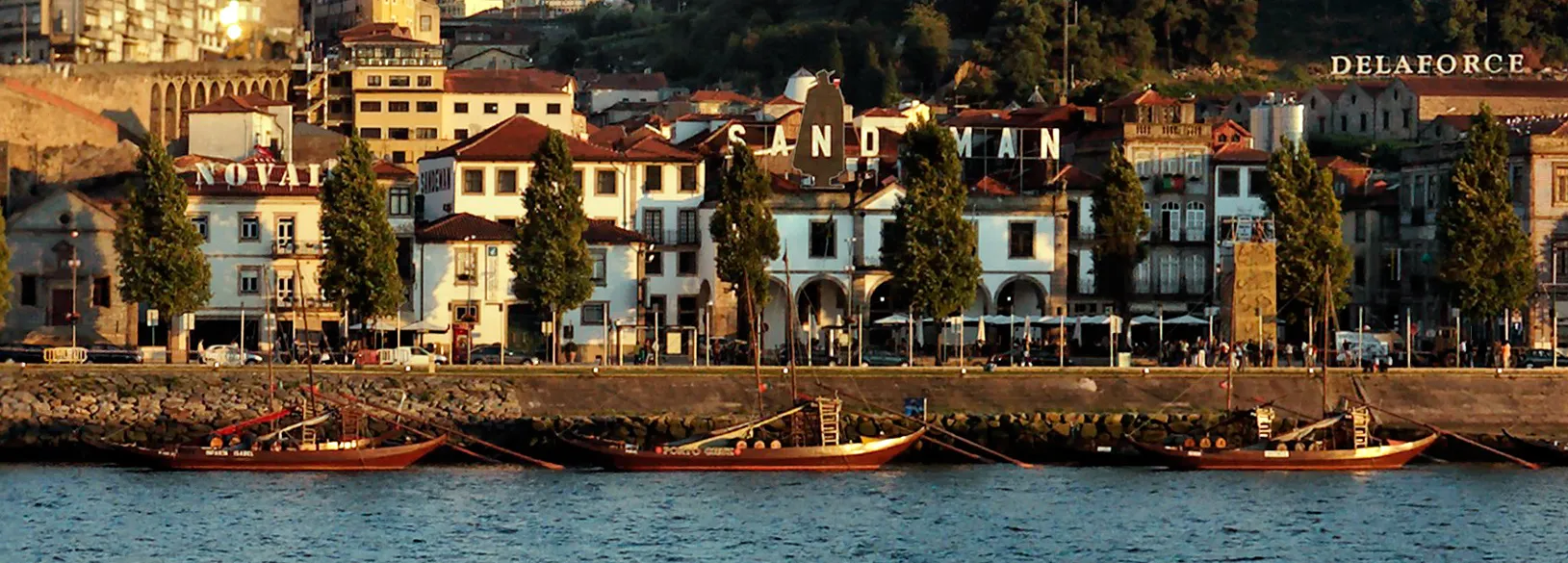
Porto timeline
- 1st century BCE
Roman Portus Cale takes shape
The Roman port settlement at the mouth of the Douro gave both the city and Portugal their names.
-
Royal wedding seals an alliance
John I of Portugal married Philippa of Lancaster in Porto, cementing the Anglo-Portuguese alliance that later shaped the port wine trade.
-
Douro wine region demarcated
The Marquis of Pombal's regulation created one of the world's first demarcated wine regions and tied Gaia's cellars to the river trade.
-
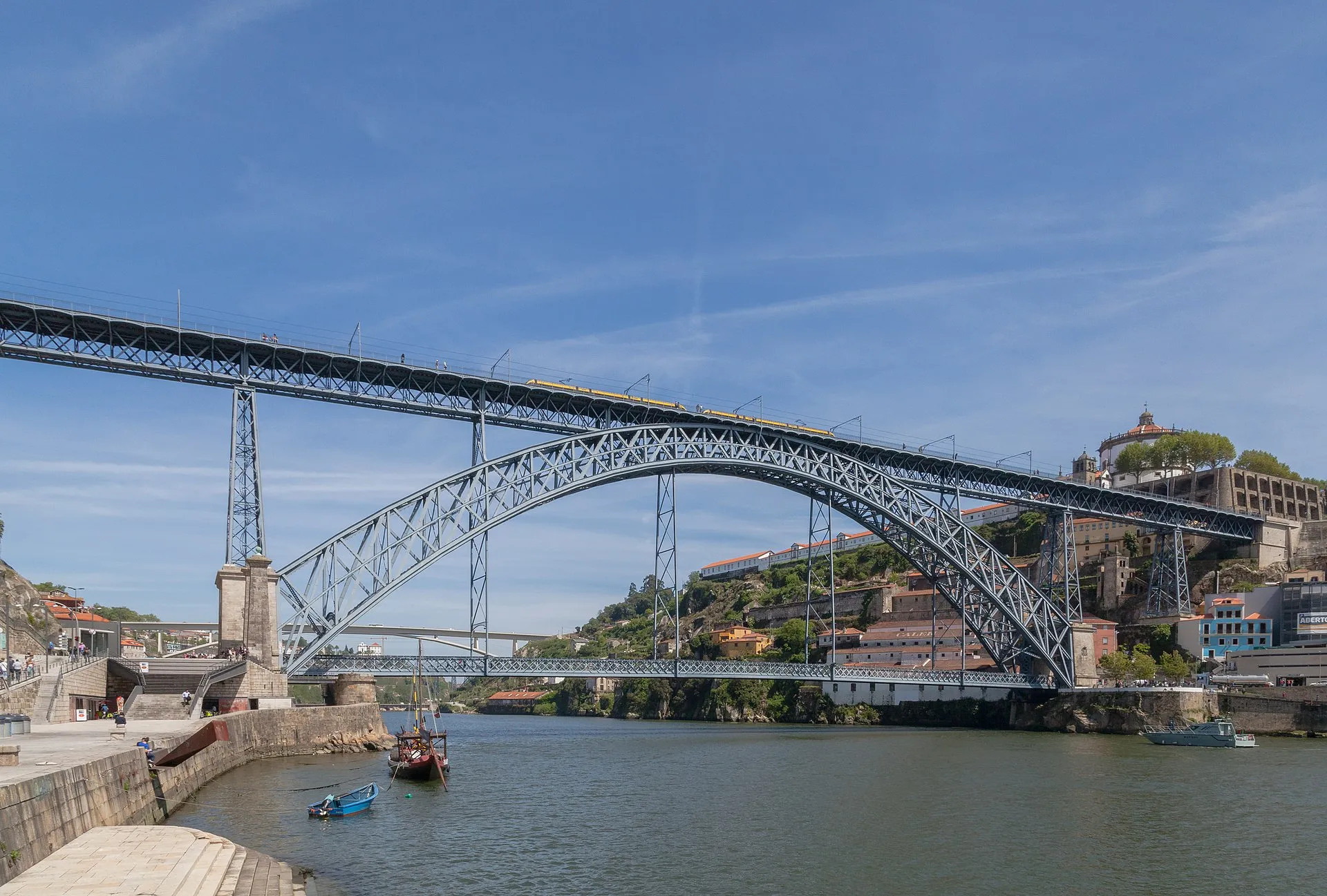
Dom Luis I Bridge opens
Teofilo Seyrig's double-deck iron arch joined Porto and Vila Nova de Gaia, becoming the crossing visitors walk today.
-
UNESCO World Heritage listing
The Ribeira riverfront and historic centre were inscribed by UNESCO, recognising centuries of layered mercantile architecture.
Cited city facts
Key facts for visiting Porto
Sao Bento station hall contains 20,000 azulejo tiles
Painted by Jorge Colaco over 11 years (1905-1916), the blue-and-white tiles depict scenes from Portuguese history, transportation, and rural life
Dom Luis I Bridge spans 172 meters at 60 meters above the Douro
Designed by a student of Gustave Eiffel and opened in 1886, the double-deck iron bridge carries both the metro on top and cars below
Vila Nova de Gaia houses over 50 port wine lodges
Port wine must legally be aged in the Gaia cellars across the river from Porto, a regulation dating back to 1756 when the Marquis of Pombal established the Douro wine region
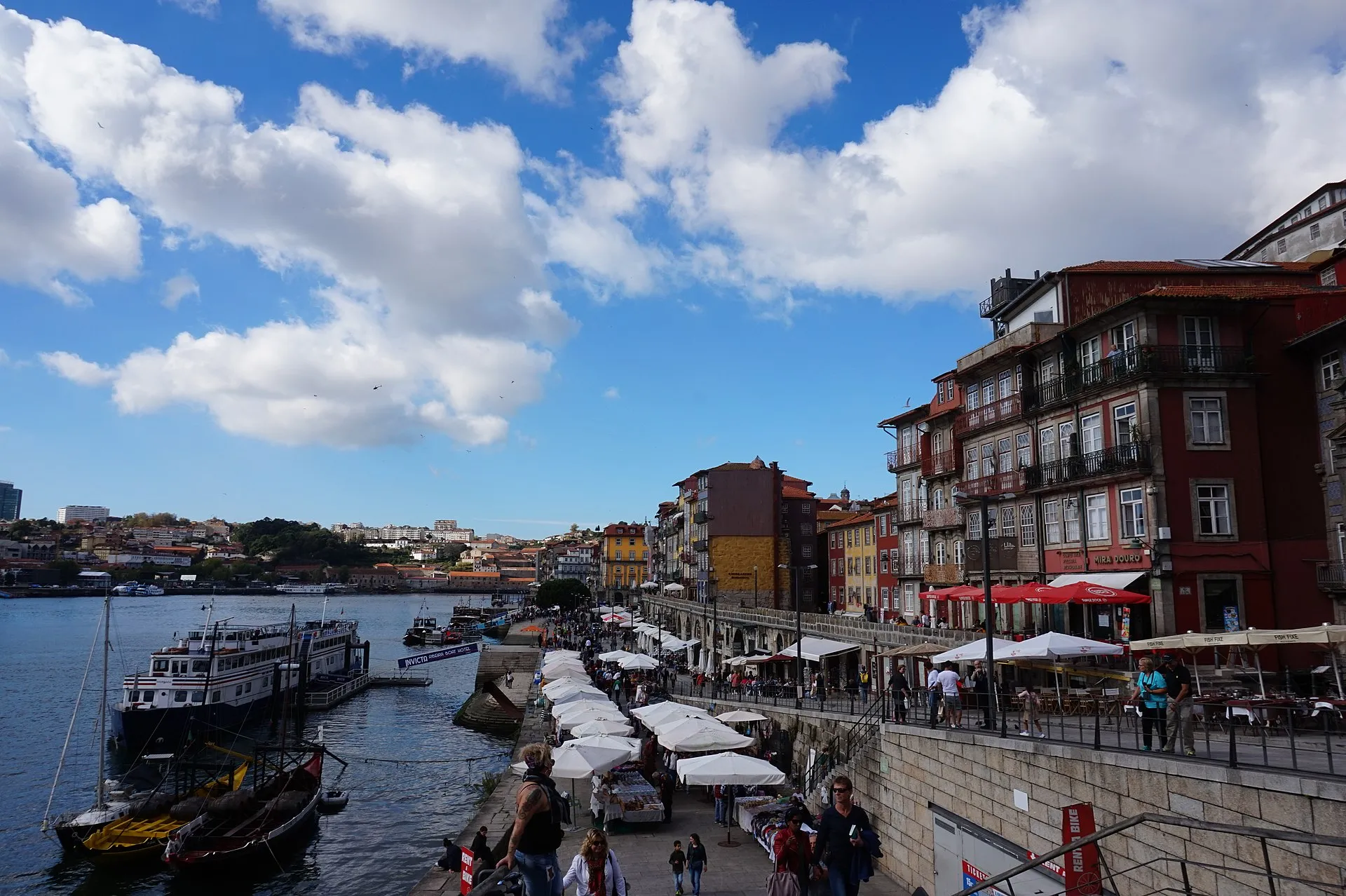
Porto's Ribeira district has been a UNESCO World Heritage Site since 1996
The medieval riverside quarter's layered townhouses, churches, and warehouses represent an urban fabric largely unchanged since the 14th century
Source: tour-guide.com — Free to cite with attribution
Things to see
What are the top attractions in Porto?
- Ribeira at sunset — Watch golden light paint the Douro and the stacked townhouses from a riverside terrace.
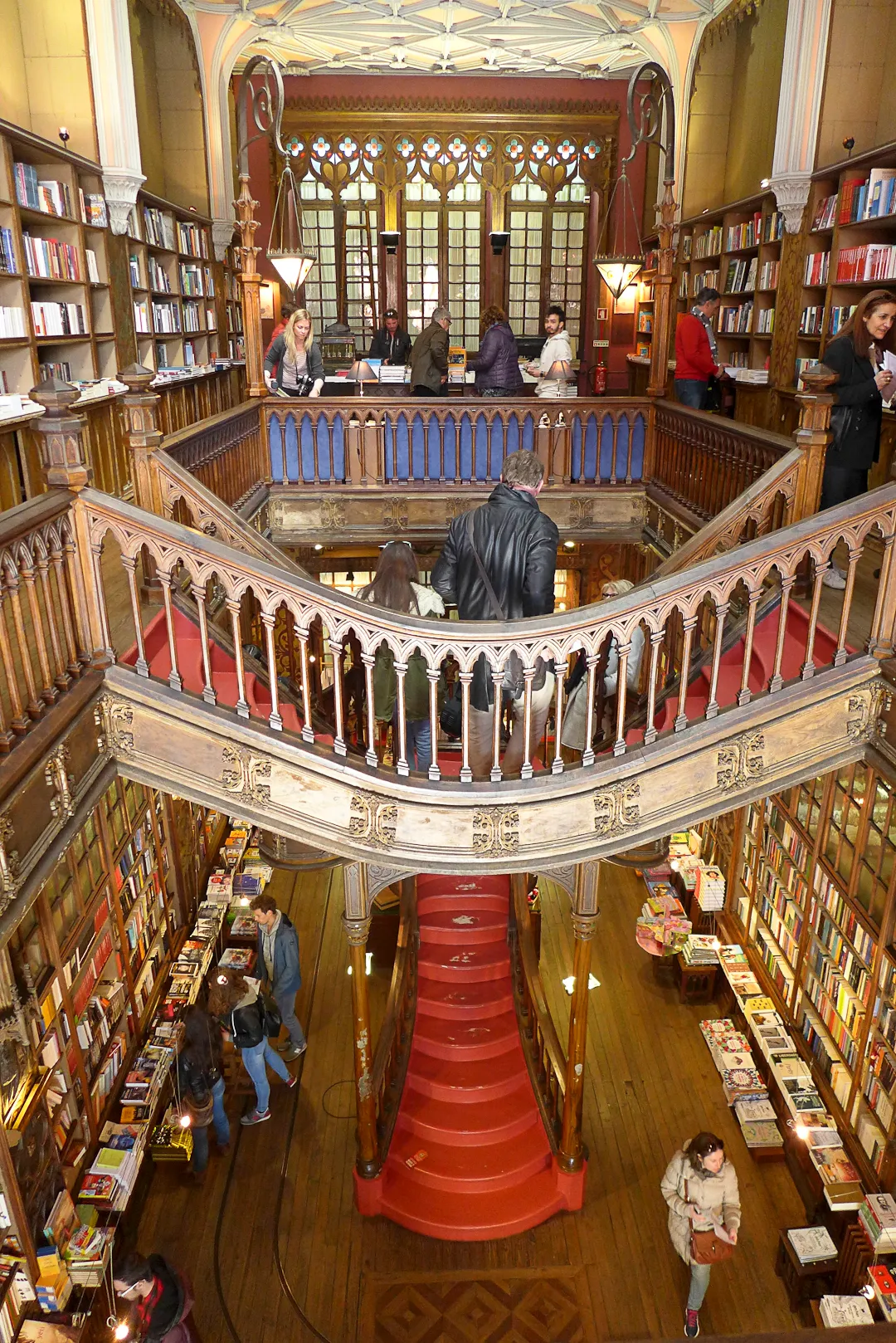
- Livraria Lello's staircase — The forking crimson staircase in one of the world's most photographed bookshops.
- Dom Luís I Bridge upper deck — Walk across the iron span 60 meters above the Douro with the entire city spread below.
- Port wine cellars in Gaia — Cross the bridge to taste tawny, ruby, and vintage ports in centuries-old stone lodges.
- São Bento Railway Station — The entrance hall is lined with 20,000 azulejo tiles depicting Portuguese history.
- Clérigos Tower — Climb 240 steps for a 360-degree view of Porto's rooftops and the Douro.
Dom Luís I Bridge
Double-deck iron span connecting Porto's soul to its port wine heritage
Livraria Lello
A neo-Gothic temple to literature with the world's most photographed staircase
Ribeira District
Porto's medieval waterfront — stacked townhouses, Douro views & centuries of trade
Guide planning
How much does a tour guide cost in Porto?
Porto's guide scene mixes food, wine, and history specialists:
| Tour Type | Price | Details |
|---|---|---|
| Group Walking Tours | €10-18 | Per person, 2-3 hours |
| Private Half-Day | €90-180 | Up to 6 people, 4 hours |
| Port Wine Tasting Tour | €40-80 | Per person, 3 cellars + guide |
| Douro Valley Full-Day | €80-150 | Per person, transport + tastings |
Season planner
When is the best time to visit Porto?
- May-June — Warm and dry, São João festival on June 23 fills the streets with sardine smoke and plastic hammers.
- September-October — Douro Valley grape harvest season — the vineyards are at their most photogenic.
- Early mornings — Livraria Lello at first opening and Ribeira before the lunch crowds.
- Avoid January-February — For cold, grey rain — though the port cellars are cozy year-round.
Spring
Mar-May
Summer
Jun-Aug
Autumn
Sep-Nov
Winter
Dec-Feb
Each score averages that season’s monthly ratings out of 5. The top-rated window is usually the peak season too, so read the guidance above for its trade-offs before you book.
On the ground
How do you get around Porto?
- Hills are relentless — Porto rivals Lisbon for steep terrain — wear comfortable shoes and expect a workout.
- Francesinha for lunch — Porto's signature dish — a meat sandwich drowned in melted cheese and spicy beer sauce — is filling; guides know which restaurants do it best.
- Livraria Lello tickets — You must buy a €5 voucher (redeemable against book purchases) before entering — buy online to skip the street queue.
- Tipping — 5-10% for private guides, €3-5 per person for group tours.
- Gaia vs. Porto — The port wine lodges are technically in Vila Nova de Gaia, across the river — a different municipality.
- Free churches — Many of Porto's finest azulejo-covered churches (Igreja do Carmo, Capela das Almas) are free to enter.
Frequently Asked Questions
What is the best time to visit Porto?
May-June: Warm and dry, São João festival on June 23 fills the streets with sardine smoke and plastic hammers.
How much does a tour guide cost in Porto?
Group Walking Tours: €10-18 (Per person, 2-3 hours). Private Half-Day: €90-180 (Up to 6 people, 4 hours). Port Wine Tasting Tour: €40-80 (Per person, 3 cellars + guide).
How do you get around Porto?
Porto has metro (6 lines), buses, historic Tram 1 along the Douro, and is walkable though hilly.