
Country guide
What makes Portugal a must-visit destination?
Portugal occupies a narrow strip of the Iberian Peninsula that packs an outsized punch for its size. From Lisbon's seven hills tumbling toward the Tagus estuary to Porto's terraced riverfront stacked with port wine lodges, this is a country where maritime history, Moorish architecture, and contemporary creativity collide on every cobblestoned street. The Age of Discoveries launched from these shores — Vasco da Gama, Ferdinand Magellan, and Bartolomeu Dias all sailed from Portuguese harbors — and the remnants of that global ambition live on in Manueline stonework, world-class maritime museums, and a cuisine that borrows spices from Goa to Macau.
With 17 UNESCO World Heritage Sites, over 30 million annual visitors, and a coastline stretching 1,794 kilometers from the surf breaks of Nazaré to the Algarve's sandstone sea caves, Portugal rewards travelers who go beyond the obvious. The fairy-tale palaces of Sintra sit hidden among forested hills just outside Lisbon, while Porto's Douro Valley produces some of Europe's most celebrated wines. A knowledgeable local guide connects these threads — explaining why the tiles are blue, how bacalhau became the national dish despite Portugal having no cod-fishing tradition, and where to hear fado sung the way it was meant to sound.
- Language
- Portuguese Widely spoken across Portugal
- Currency
- Euro (€) Legal tender across Portugal
- Time zone
- UTC+0 (WET) Local time in Portugal
- Power plugs
- Types C, F · 230V Sockets used across Portugal
- Getting around
- Rail (CP) & trams Getting between Portugal's cities
- Best months
- Apr, May, Jun, Jul, Aug, Sep, Oct Averaged across Portugal's city ratings
Portugal timeline
-
Kingdom recognized
The Treaty of Zamora established Portugal's kingdom and medieval identity.
-
Maritime expansion begins
The capture of Ceuta opened the overseas era behind port, monastery, and navigation sites.
-
Sea route to India
Vasco da Gamas voyage made Portuguese maritime history central to Lisbon and Belem.
-
Lisbon earthquake
The disaster and rebuilding shaped the capital visitors walk today.
-
Carnation Revolution
The peaceful revolution ended dictatorship and colonial war, changing modern Portugal.
-
Portugal joins Europe
European Community membership helped fund infrastructure and heritage renewal.
Local context
Culture and travel signals
17 UNESCO World Heritage Sites
Portugal's heritage list ranges from the 12th-century Convent of Christ in Tomar, built by the Knights Templar, to the Laurel Forest of Madeira, a subtropical relic dating back 20 million years
1,794 kilometers of coastline
For a country roughly the size of Indiana, Portugal's Atlantic seaboard is strikingly long, featuring Europe's tallest recorded wave — a 26.2-meter giant surfed off Nazaré in 2024
Over 30 million international visitors annually
Tourism accounts for roughly 17% of Portugal's GDP, making it the single largest contributor to the national economy and employing over 1 million people directly and indirectly
Oldest nation-state in Europe with unchanged borders since 1249
The Treaty of Alcanizes in 1297 formally established the Portuguese-Spanish frontier, which has remained essentially unaltered for over seven centuries
Source: tour-guide.com — Free to cite with attribution
Season planner
A year in Portugal
Use this best time to visit snapshot as a country-wide average, then check the city guides for local timing.
Mar-May
Spring
Spring holds up well for guided travel in Portugal, averaging Mar-May (4/5).
Jun-Aug
Summer
Summer is Portugal's strongest guide window — Jun-Aug (5/5) across its cities.
Sep-Nov
Autumn
Autumn holds up well for guided travel in Portugal, averaging Sep-Nov (4/5).
Dec-Feb
Winter
Winter is Portugal's quietest stretch at Dec-Feb (2.3/5) — plan narrower, local days.
Where should you go in Portugal?
Lisbon & Surroundings
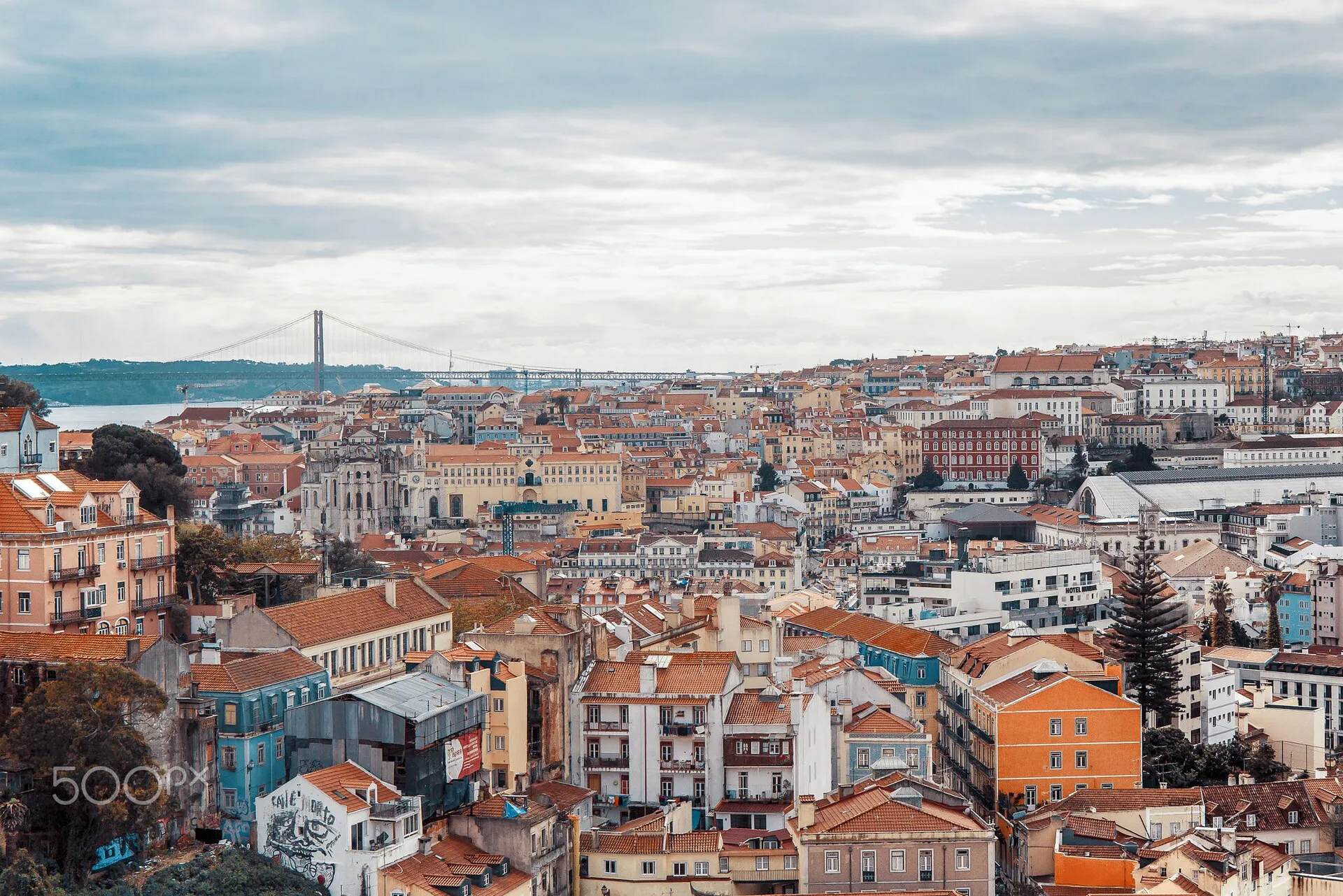
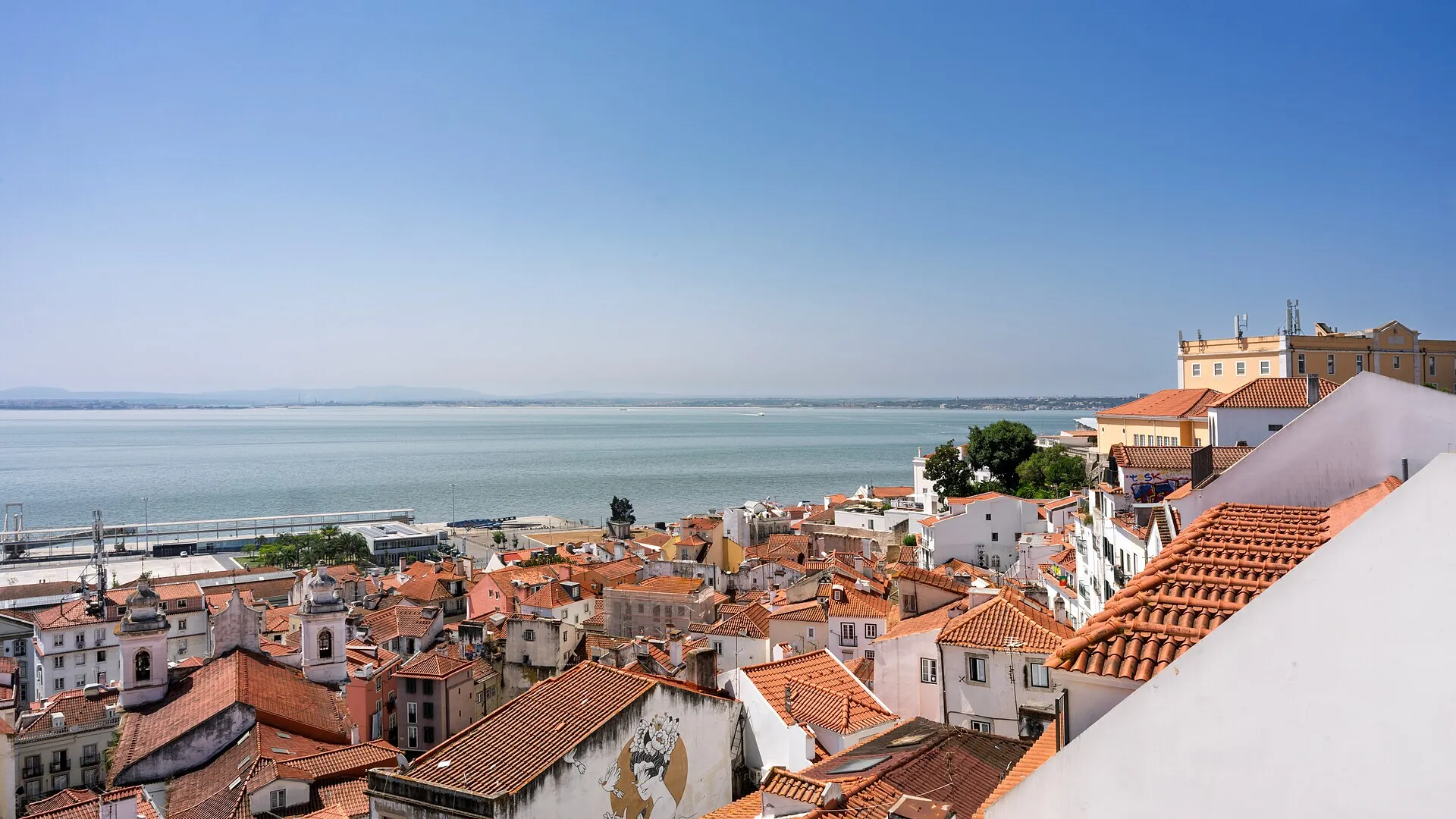
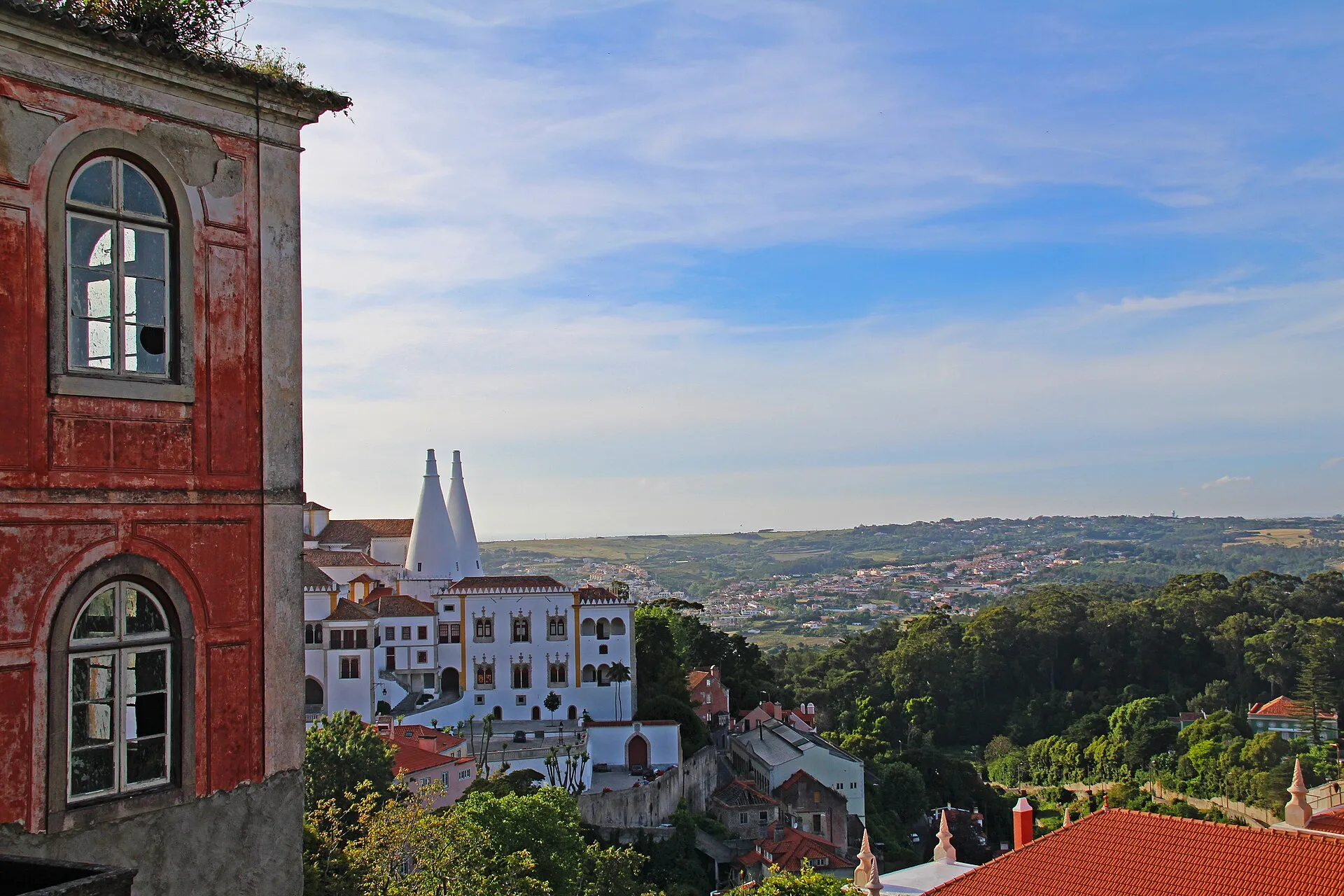
Lisbon tumbles across its seven hills in a cascade of terracotta rooftops, rattling trams, and tiled facades — wander into Alfama for raw fado performances, then follow the Tagus downstream to the honey-stone monasteries and towers of Belém. Just beyond the capital, Sintra hides an entire fantasy world in its forested hills: the technicolor turrets of Pena Palace, the occult grottoes of Quinta da Regaleira, and the crenellated ramparts of the Moorish Castle emerging from the mist.
Porto & The North
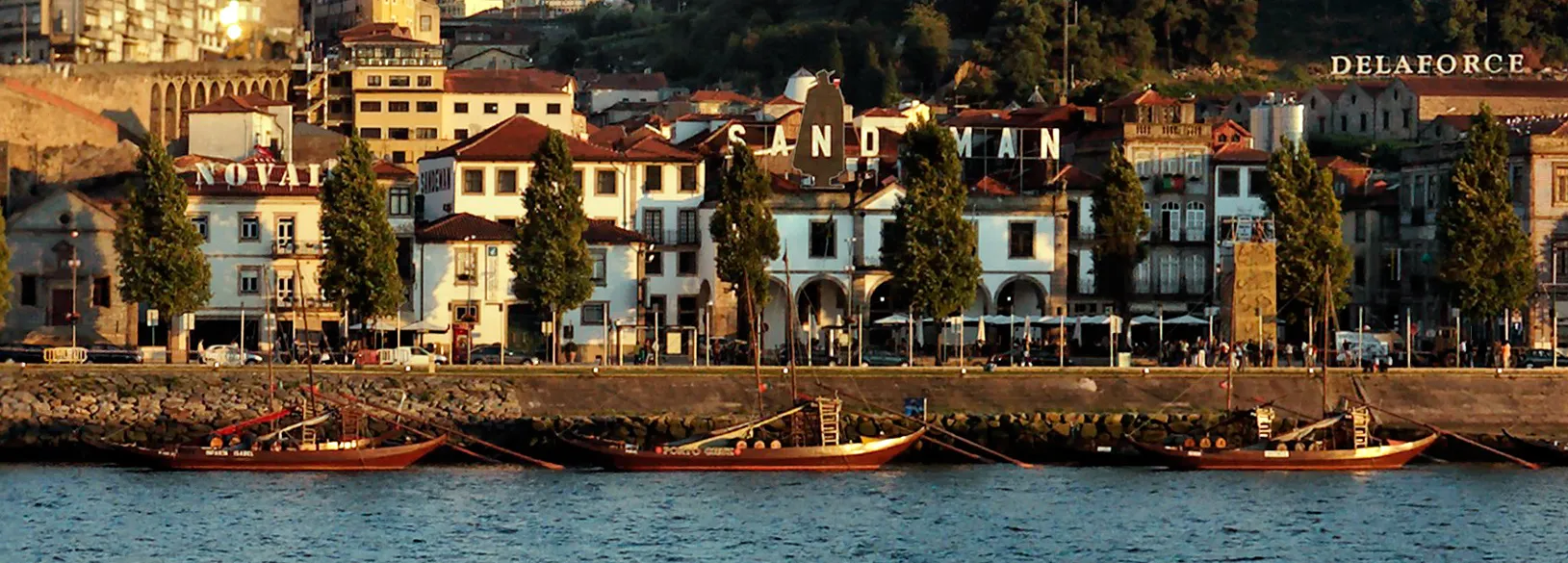
Porto stakes its own claim to attention with the Ribeira waterfront stacked above the Douro, baroque church towers wrapped in blue azulejos, and the fantastical neo-Gothic staircase of Livraria Lello tucked behind an unassuming shopfront.
A guide who knows these three cities stitches together a narrative that runs from maritime conquest to contemporary creativity.
Must-see attractions across Portugal
From coast to capital, here are the places worth building a Portugal itinerary around — and the kind of detail a guide fills in on site.
What do visitors need to know about Portugal?
Finding a Guide
- Turismo de Portugal — maintains visitor centers in every major city; licensed guides carry a credential issued by the national tourism authority; look for "Guia-Intérprete Nacional" certification
- GetYourGuide, Viator, Civitatis, and Airbnb Experiences — connect you with verified Portuguese guides; Civitatis is particularly strong in the Iberian market with many Lisbon and Porto specialists
- Hotels across Lisbon and Porto — maintain long-standing relationships with guides who offer private fado evenings, Douro Valley wine tours, and Sintra day trips
- SNATTI and AGIC — professional associations that maintain directories of certified guides with regional specializations
Typical Costs
| Tour Type | Price Range |
|---|---|
| Group walking tour (2–3 hrs) | €10–20 per person |
| Private half-day tour (up to 6) | €100–200 |
| Private full-day tour (up to 6) | €200–400 |
| Specialist guide (food, wine, fado) | €250–500 per day |
Must-See Experiences
- Jerónimos Monastery — Manueline masterpiece celebrating Vasco da Gama's voyage to India, its cloisters among Europe's finest
- Belém Tower — fortified watchtower at the mouth of the Tagus that once greeted returning explorers
- Alfama — Lisbon's oldest neighborhood, a labyrinth of fado taverns, miradouros, and Moorish-era streets
- Ribeira District — Porto's UNESCO-listed riverside quarter, where medieval warehouses meet port wine lodges
- Livraria Lello — one of the world's most beautiful bookshops, with a crimson staircase that inspired literary imaginations
- Pena Palace — a Romantic-era fantasy perched on Sintra's forested peaks, painted in vivid yellows and reds
- Quinta da Regaleira — mystical estate with an initiatic well descending nine spiraling levels into the earth
- Dom Luís I Bridge — Porto's iconic double-deck iron bridge spanning the Douro gorge
Tips for Visitors
- Book ahead for Sintra — Pena Palace and Quinta da Regaleira sell out during peak season; reserve 1–2 weeks in advance
- Language — Portuguese is not Spanish, and locals appreciate visitors who learn a few words; English is widely spoken in Lisbon and Porto tourist areas
- Tipping — 5–10% is generous for private guides, €3–5 per person for group tours if satisfied
- Cobblestones everywhere — Lisbon's calçada portuguesa pavements are beautiful but treacherous; wear sturdy shoes and expect steep hills
- Best months — April–June and September–October for mild weather, lower prices, and thinner crowds
- Day trips — Sintra is 40 minutes by train from Lisbon, an easy guided day excursion from the capital
- Late dining — Portuguese eat dinner around 8–9 PM; food tours in Lisbon and Porto follow local rhythms
- Pastéis de nata — these custard tarts are everywhere, but a guide knows which bakeries still make them by hand
- Pricing note — Portugal remains one of Western Europe's most affordable destinations; guide prices are typically 20–30% lower than Spain or France; museum entry fees are separate and generally modest (€5–15)
Frequently Asked Questions
What is the best time of year to visit Portugal?
April through June brings warm sunshine to Lisbon and long golden evenings along the Algarve without the crush of peak-summer tourists, while September and October offer similar mild weather plus the grape harvest in the Douro Valley, when Porto's wine country comes alive with festivals and tastings. July and August deliver the hottest beach weather but also the highest prices and heaviest crowds, especially along the southern coast where European vacationers fill every cove. Winter is surprisingly gentle — Lisbon rarely drops below 10°C, making it a pleasant off-season city break with shorter queues at Sintra's palaces and Belém's monastery.
How much does a private tour guide cost in Portugal?
Group walking tours: €10–20 per person (2–3 hours). Private half-day tours: €100–200 (up to 6 people). Private full-day: €200–400. Specialist guides for fado performances, Douro wine regions, or azulejo tile history: €250–500 per day.
Do I need to speak the local language to travel in Portugal?
Portuguese is the national language — not Spanish, and locals appreciate visitors who learn a few words like obrigado. English is widely spoken in Lisbon and Porto tourist areas, but a guide who speaks Portuguese unlocks fado lyrics, market banter, and the stories behind azulejo tile facades that English signage never covers.