
Collections Highlights
Fairground Organs: The museum's largest instruments — ornately decorated organs that once powered carnival rides — produce a volume that fills the entire Gothic church. Their live demonstrations are the museum's signature experience. Musical Clocks: 18th-century longcase clocks that play miniature organ pieces on the hour, their mechanisms visible through glass panels showing hundreds of tiny pipes and pinned barrels. Pianola Collection: Reproducing pianos that replay the performances of famous pianists through perforated paper rolls — hearing a Chopin performance "played" by a mechanical piano is uncanny. Restoration Workshop: Watch craftspeople repair and restore instruments using traditional techniques — the patience required to re-pin a barrel or tune a music box mechanism is mesmerizing. Interactive Elements: Children (and adults) can turn barrel organ cranks, operate music box mechanisms, and try to program simple tunes — the museum encourages touching and experimenting.
Guided Tours
Staff-led demonstrations throughout the day bring the collection to life in ways that static displays cannot — hearing a 200-year-old barrel organ fill the Buurkerk's Gothic nave with sound is the museum's defining experience. Specialist guides explain the engineering principles behind each instrument type: how pinned cylinders encode musical information (the earliest form of programming), how pneumatic systems replaced clockwork to enable greater volume and complexity, and how the transition from mechanical to electronic music made these instruments obsolete yet fascinating. Group tours can be booked in advance for deeper technical or musical focus. Combine with the Dom Tower climb to experience Utrecht's carillon — a musical instrument built into architecture — and then walk to the canal wharves for the city's most atmospheric dining.
Museum Speelklok in Pictures
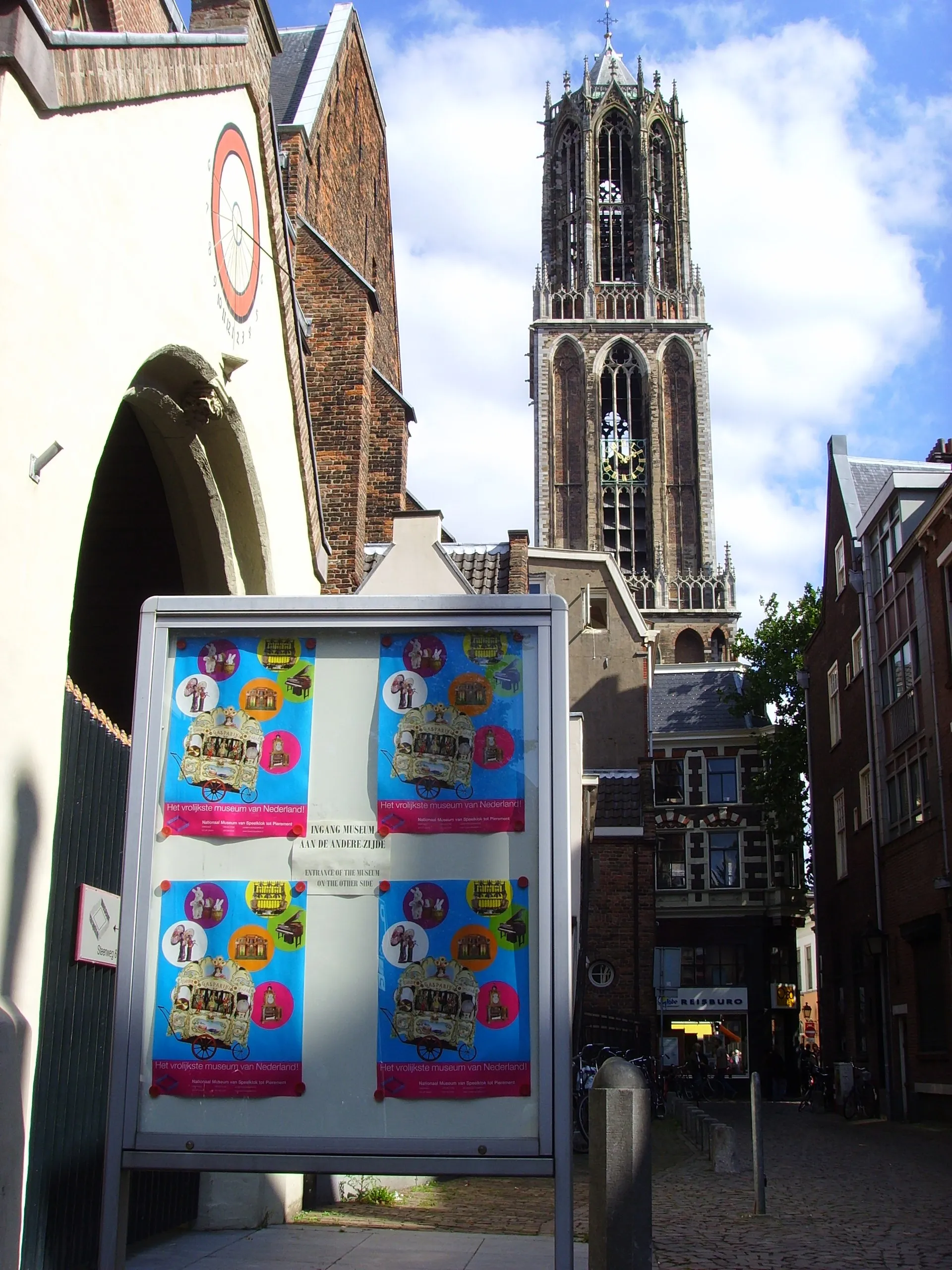
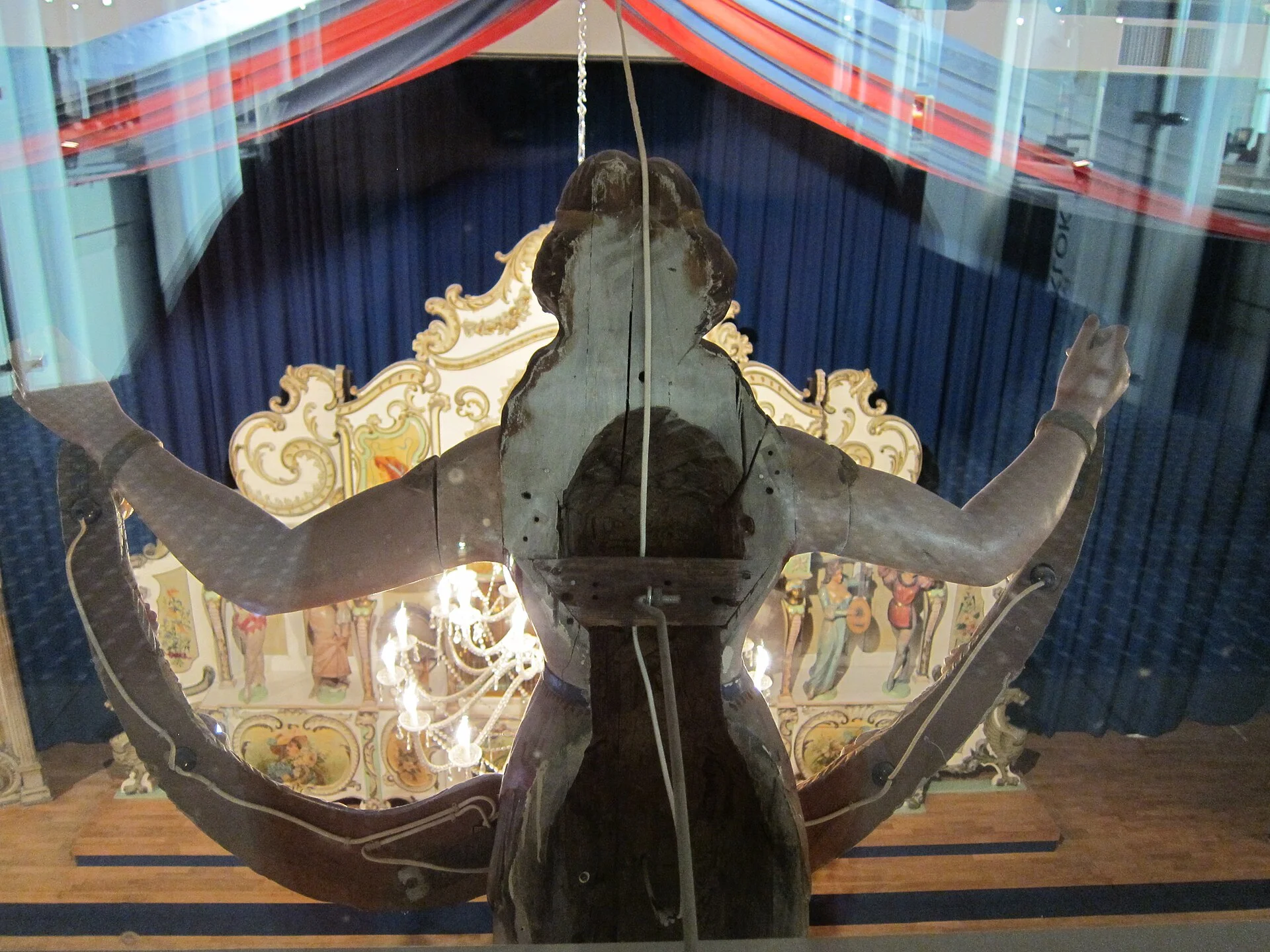
When to Visit
Open: Tuesday-Sunday 10:00-17:00; closed Mondays. Live demonstrations: Run regularly throughout the day — check the schedule upon arrival for fairground organ performances. Best: Arrive early (10:00) for quieter rooms, or time your visit to catch a fairground organ demonstration. Allow: 1.5-2 hours, including time for demonstrations and the restoration workshop.
Admission and Costs
General admission: €16 adults; €9 children 4-12; free under 4. Museumkaart: Accepted for free entry. Guided tours: Group tours available upon booking; the regular admission includes staff-led instrument demonstrations. Museum shop: Music boxes, CDs of instrument recordings, and clockwork toys available.
Tips for Visitors
Join demonstrations: The live instrument demonstrations are the museum's best feature — check the schedule as you enter and plan your visit around the fairground organ performance. Photography and video: Recording the instruments during demonstrations is allowed and encouraged — the visual and auditory experience is worth capturing. For families: The interactive elements make this one of the best museum experiences for children in the Netherlands — kids who find traditional art museums tedious will be engaged here. Building appreciation: The Buurkerk itself is worth attention — the 15th-century Gothic architecture creates acoustics that enhance the musical instruments, which is why this location was chosen. Combine with Dom Tower: Museum Speelklok is a 5-minute walk from Domplein — both attractions occupy medieval religious buildings and pair naturally for a morning of Utrecht's heritage. Gift shop: The museum shop sells Swiss music boxes at various price points — from affordable souvenirs to collector-grade mechanisms.
Frequently Asked Questions
When is the best time to visit Museum Speelklok?
Open: Tuesday-Sunday 10:00-17:00; closed Mondays. Live demonstrations: Run regularly throughout the day — check the schedule upon arrival for fairground organ performances.
What does admission to Museum Speelklok cost?
General admission: €16 adults; €9 children 4-12; free under 4. Museumkaart: Accepted for free entry. Guided tours: Group tours available upon booking; the regular admission includes staff-led instrument demonstrations.
How to plan a Museum Speelklok visit around the demonstrations?
Join demonstrations: The live instrument demonstrations are the museum's best feature — check the schedule as you enter and plan your visit around the fairground organ performance.