
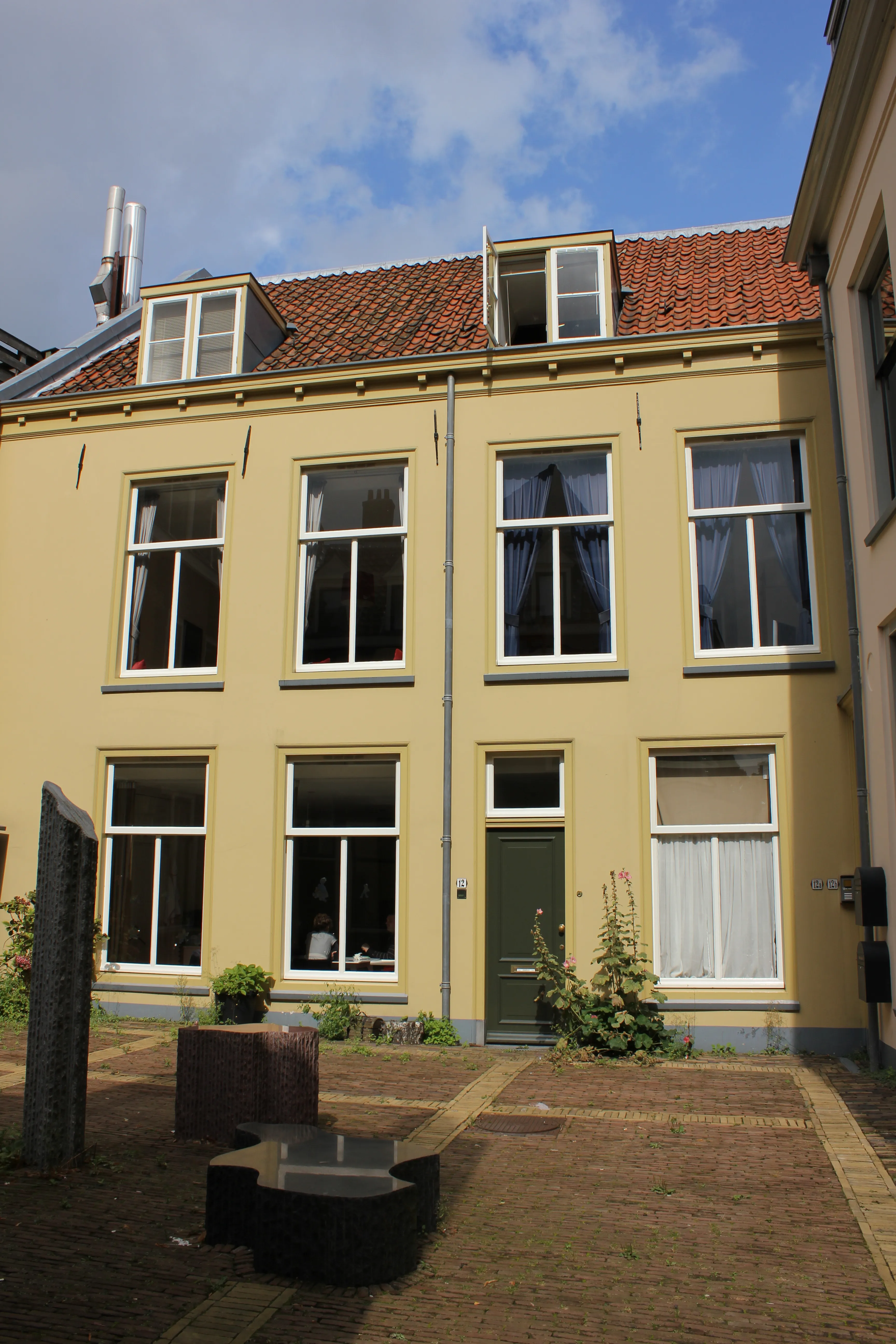
Excavation History
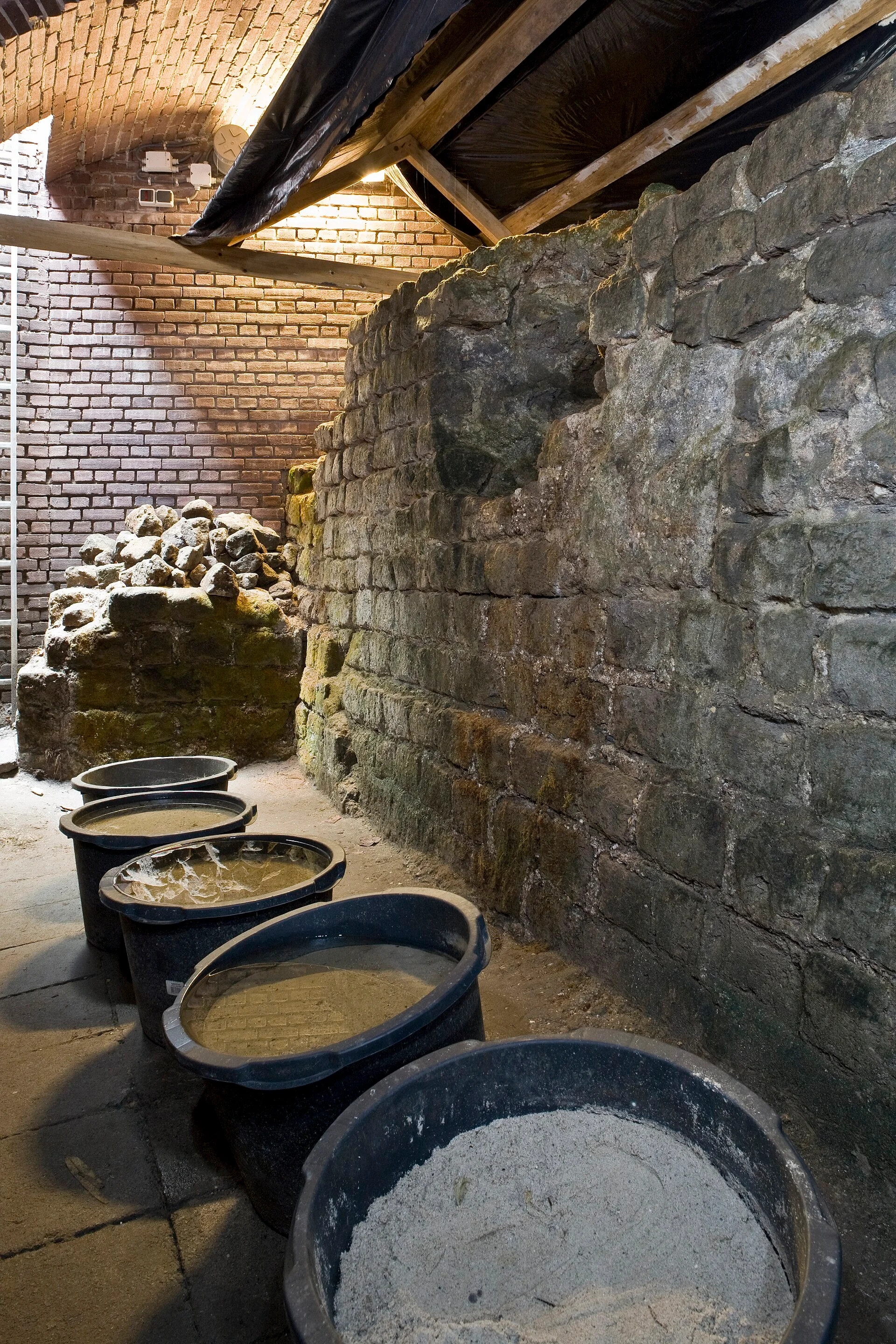
A square built over a fort: Excavations beneath Domplein traced occupation back to the Roman castellum of Traiectum, founded around 47 AD on the Rhine frontier — the seed from which Utrecht grew. Churches upon churches: The digs revealed successive religious buildings stacked on the same spot, from early missionary churches to the Gothic cathedral, showing nearly two millennia of continuous sacred use. The 1674 catastrophe: A distinct destruction layer preserves the collapse of the cathedral nave in the 1674 tornado — rare physical evidence of a single dated disaster, left in place. In-situ preservation: Rather than removing the finds, archaeologists and designers built a protected space around them, so visitors experience the site as excavators found it. Ongoing interpretation: Sensor-triggered explanations let the site update its storytelling without disturbing the fragile remains, keeping the underground museum current.
Key Artifacts
Roman foundations: The stone footings of Traiectum's defences sit at the lowest visible level — the literal foundation of the city's two-thousand-year story. Cathedral footings: Massive medieval foundation blocks show the scale of the church that once spanned the square now occupied only by paving and the Dom Tower. Destruction debris: The tangle of dressed stone from the 1674 collapse is the tour's emotional centre — the moment Utrecht's skyline was permanently changed. Everyday fragments: Pottery, building materials, and small objects lost over centuries surface between the larger structures, hinting at daily life above. The torch-and-sensor system: The interactive flashlight is itself part of the experience — a low-impact way to read a site too fragile for conventional display.
DOMunder in Pictures
When to Visit
Open: Daily timed sessions; exact times vary by season, so check before arriving. Duration: The guided underground experience lasts about 1 hour. Group size: Small, capped groups — places are limited per session. Best: Book a morning slot and combine it with the Dom Tower climb the same day for the full up-and-down contrast. Note: The route is below ground throughout, with no daylight — dress for a steady, cool temperature year-round.
Admission and Costs
Admission: Roughly €16 for adults; reduced rates for children, with very young children free but not ideal for the dark, enclosed route. Combination tickets: A joint Dom Tower and DOMunder ticket is sometimes offered at a reduced combined price — ask when booking. Museumkaart: Acceptance varies; confirm at the time of reservation rather than assuming. Booking: Online advance booking is strongly advised, as each timed session holds only a handful of people and walk-up space is unreliable in high season.
Tips for Visitors
Reserve a specific time: Sessions are small and timed — turning up without a booking often means waiting hours or missing out, particularly on weekends. Pair it with the tower: Doing DOMunder and the Dom Tower on the same morning gives you the city's two complementary perspectives, below and above the same square. Mind the conditions: It is dark, cool, and tight in places — not the tour for anyone with claustrophobia or who needs step-free access. Let children lead the torch: The sensor-flashlight format is genuinely engaging for school-age kids; handing them the light keeps them involved. Look up afterwards: Back on Domplein, the outline of the demolished nave is marked in the paving — having just seen the rubble below, the empty square overhead suddenly makes sense. Then walk to the canal wharves for a drink at water level.
Frequently Asked Questions
What exactly is DOMunder in Utrecht?
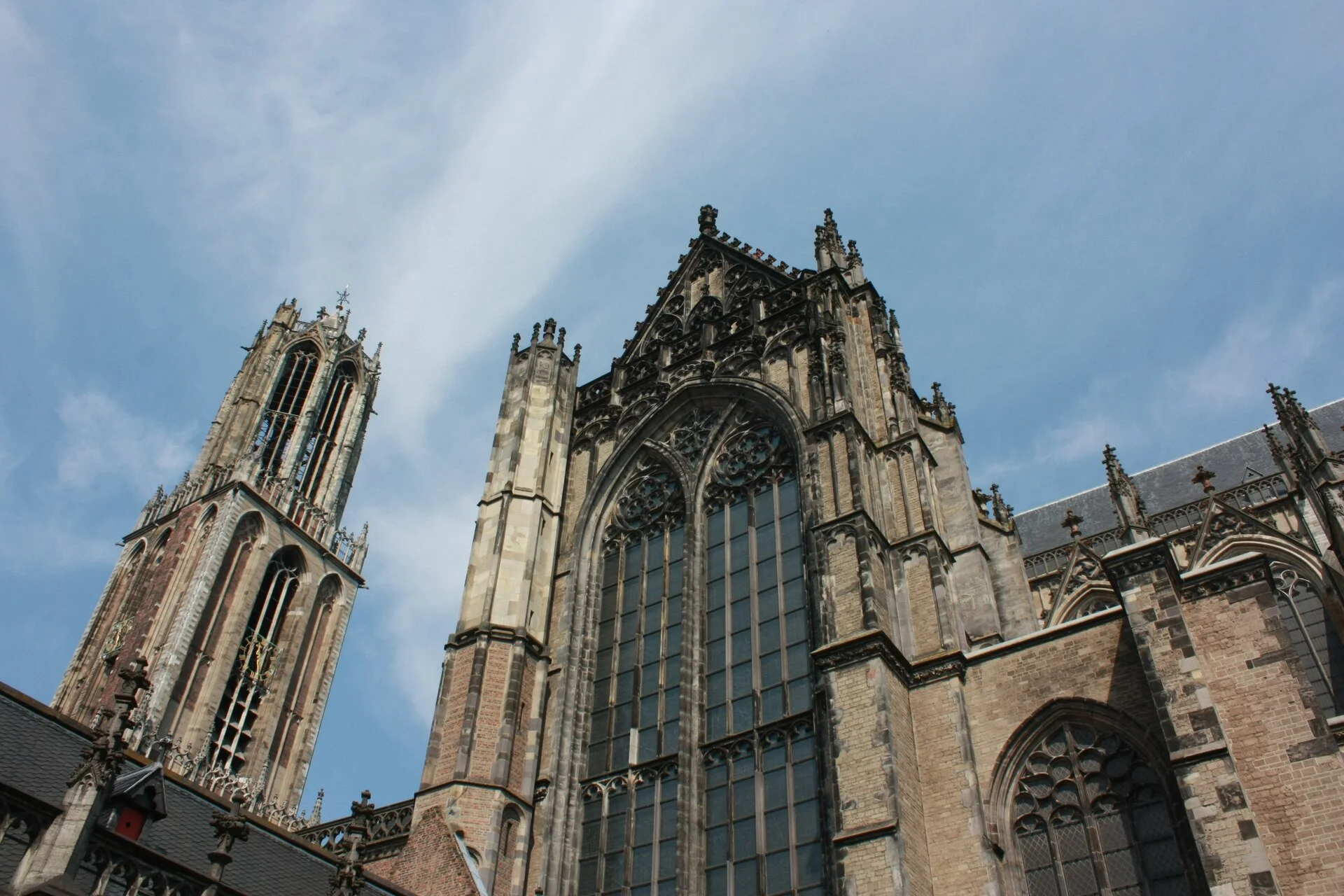
DOMunder is an underground archaeological experience beneath Domplein, the square between the Dom Tower and the cathedral choir. On a guided tour you carry a flashlight fitted with a sensor and explore preserved remains in situ — the Roman fort of Traiectum, medieval cathedral foundations, and rubble from the 1674 storm — rather than viewing finds in display cases.
How long is the DOMunder tour and do you need to book?
The full experience runs about an hour, in timed small groups, and advance booking is strongly recommended because each session has limited places. Tickets cost roughly €16 for adults, with reductions for children; combination tickets with the Dom Tower climb are sometimes available.
Is DOMunder good for children or those wary of enclosed spaces?
It works well for curious children from about age eight, who tend to love the flashlight hunt, but the route is dark, low, and enclosed in places. Anyone with claustrophobia or limited mobility should consider the surface tour of Domplein instead, as there is no step-free alternative underground.