
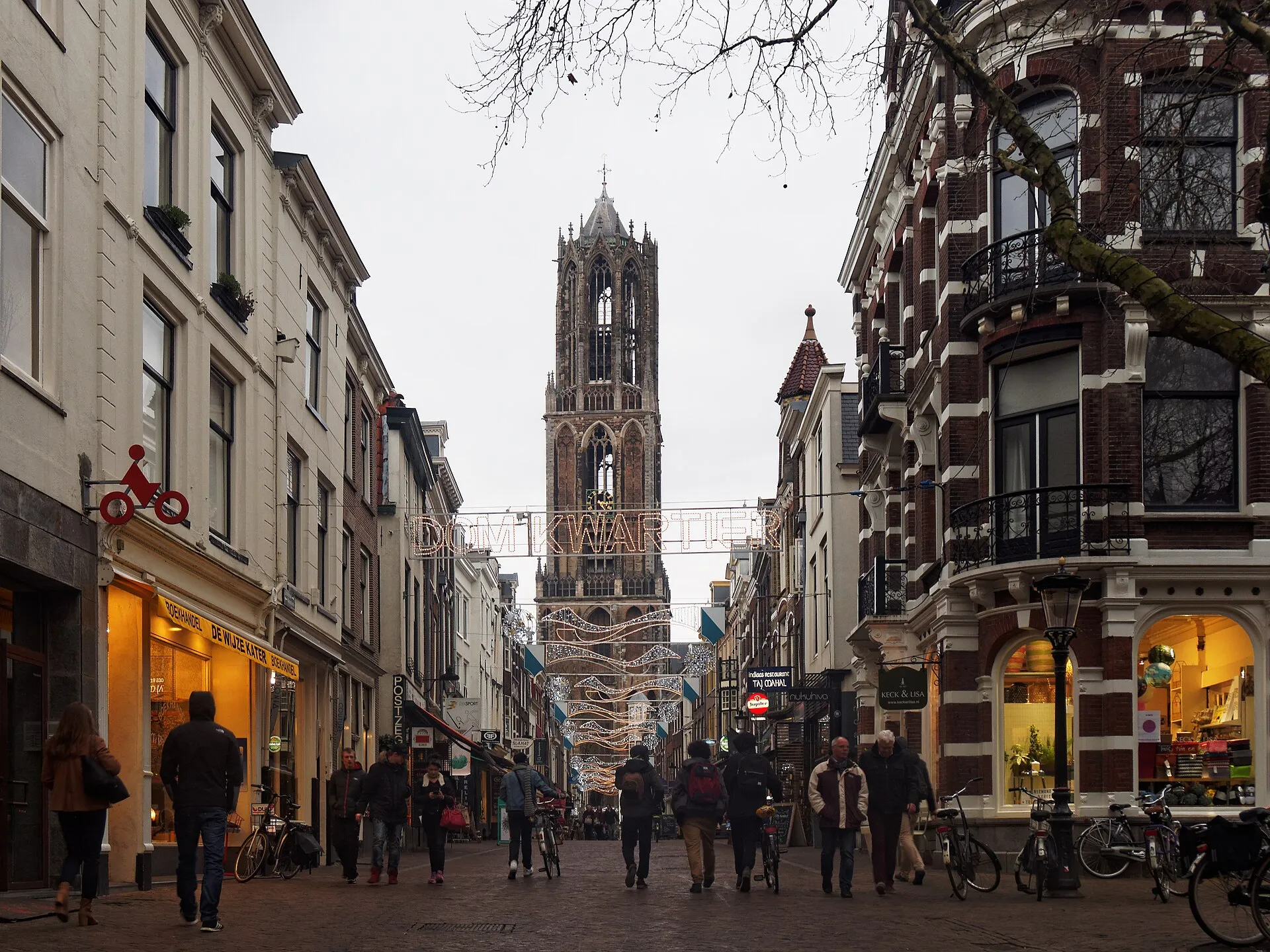
Spiritual Significance
Bell Room: Standing among 14 bells — the largest, Salvator, weighing over 8,000 kg — during a carillon performance is a full-body sonic experience that reverberates through your skeleton. Medieval Chapel: Halfway up, a chapel with surviving 14th-century wall paintings offers a rest stop and a glimpse into the tower's original liturgical function. Panoramic Views: On clear days, the view extends across four provinces — pick out Amsterdam's skyline to the northwest, the Veluwe forests to the east, and the river landscape to the south. The Missing Nave: From the tower, look down at Domplein — the empty square where the cathedral nave stood until 1674. The footprint of the demolished church is marked in the pavement stones. Gothic Engineering: The guide explains how 14th-century builders constructed a 112-meter tower without modern engineering — including the flying buttresses, stone spiral staircase, and the slight intentional lean.
Visitor Etiquette
The Dom Tower climb is always guided — arriving without a booking risks finding all slots filled, especially on weekends and holidays. Groups are kept small to manage the narrow staircase safely, so patience during the ascent is essential. The bell room visits are timed to avoid carillon performance moments when the volume becomes physically overwhelming for those standing among the bells. Photography is permitted throughout but tripods cannot be accommodated in the narrow passages. The Domplein square below — where the cathedral nave once stood — is freely accessible and provides the best ground-level perspective on the tower's full height. Combine the Dom Tower with Museum Speelklok (5-minute walk) for a morning of Utrecht's musical and architectural heritage, then descend to the canal wharves for lunch at water level.
Dom Tower in Pictures
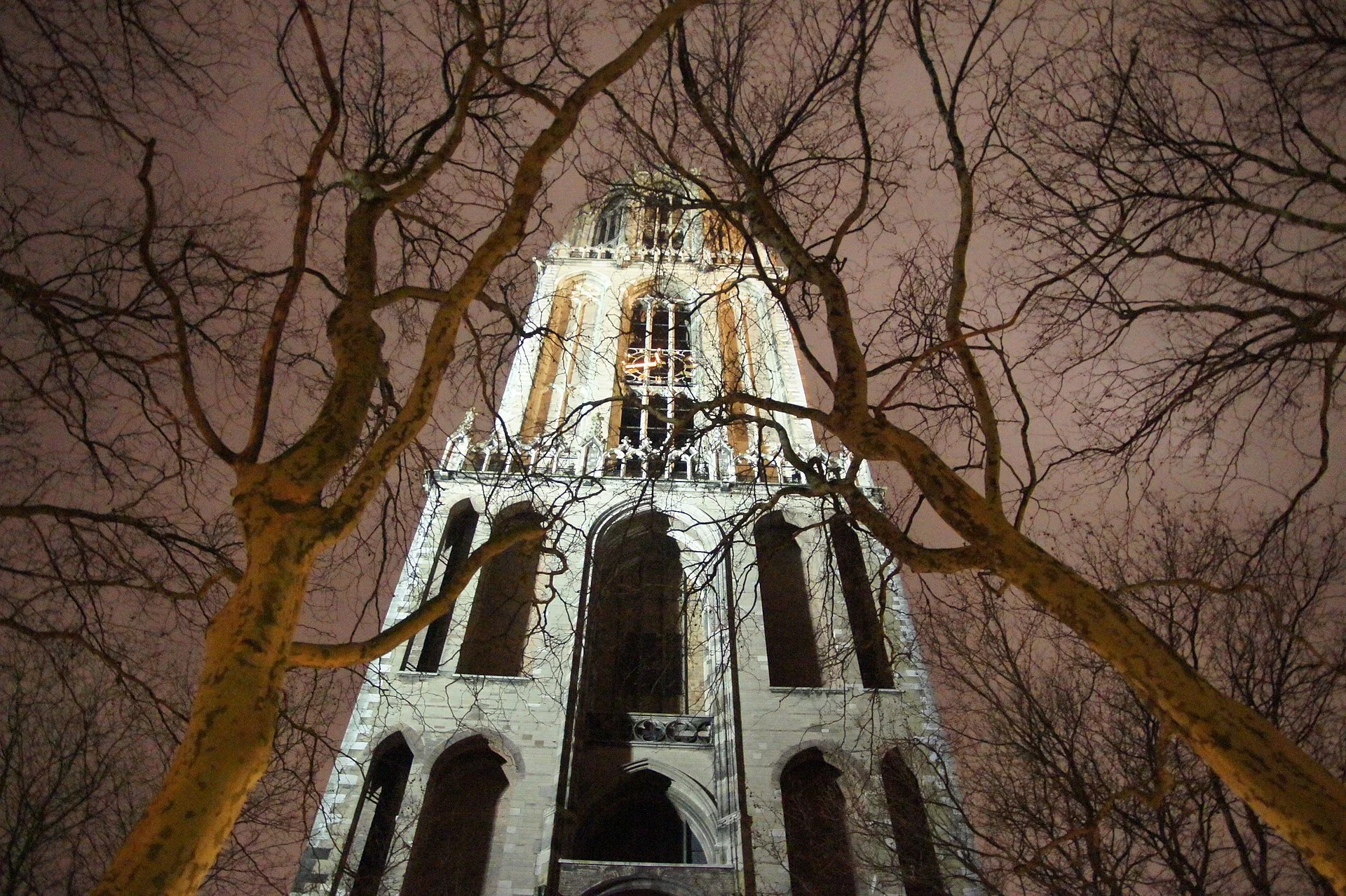
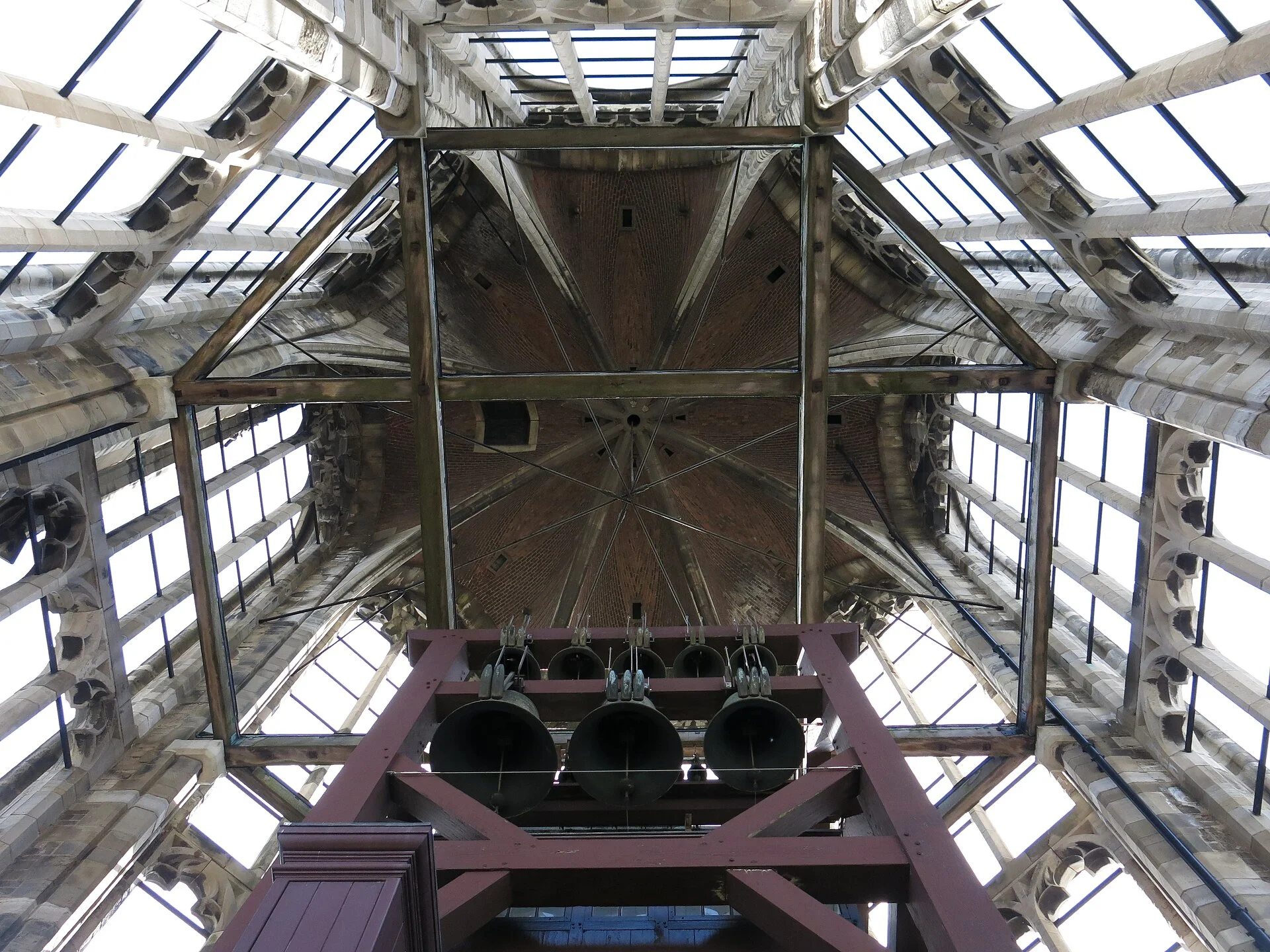
When to Visit
Open: Daily 10:00-17:00 (guided tours depart regularly; last tour typically 16:00). Best: Clear-sky mornings for the best panoramic views from the top. Carillon concerts: Saturday afternoons — the city carillonneur plays the 14-bell instrument, audible from the square and inside the tower. Allow: 1 hour for the full guided climb and descent.
Admission and Costs
Guided tower climb: €12 adults; €7 children 4-12; free under 4 (but not recommended for very young children due to steep stairs). DOMunder (underground tour): Separate ticket, €14.50 — explores archaeological layers beneath Domplein. Combination tickets: Available for Dom Tower + DOMunder at reduced combined price. Booking: Online advance booking recommended; walk-ups possible when slots remain.
The Case for a Guide
Every ascent of the Dom Tower is guided — there is no self-guided ticket — so a guide is not an optional extra but the only way up, and what they unlock is considerable. Behind doors that stay locked to individual walk-ins, the guide opens the medieval chapel with its surviving 14th-century wall paintings, times your passage through the bell room so you are not standing among the 14 bells when the 8,000 kg Salvator sounds, and explains how builders raised a 112-metre stone tower between 1321 and 1382 without cranes or steel. Between stops on the 465-step spiral, the commentary threads together details you would otherwise miss on the stairs: the empty footprint of the nave lost in the 1674 tornado, marked in the pavement of Domplein far below; the slight lean Dutch engineers still monitor; and the mechanism behind the carillon you hear across the city. A good guide also paces the climb, which matters on the steep upper flights where the whole group moves as one — book online in advance, as small-group slots for the best morning light fill first, and pair the ascent with DOMunder beneath the same square for the full up-and-down contrast.
Tips for Visitors
Book ahead: Tours depart in small groups and popular time slots (late morning, early afternoon) fill up quickly on weekends and holidays. Physical fitness: The 465-step climb involves narrow, steep spiral staircases with no elevator alternative. If you have knee problems or claustrophobia, consider the ground-level DOMunder tour instead. Weather check: Views from the top are the main reward — if it's foggy or raining heavily, the panorama disappears. Check the forecast and aim for a clear day. Combine with DOMunder: The underground archaeological tour beneath Domplein complements the tower climb — one takes you up, the other takes you down through 2,000 years of history. Carillon timing: If visiting on a Saturday, time your climb to coincide with the afternoon carillon concert — experiencing the bells from inside the tower is dramatically different from hearing them from the square. After the climb: Descend and walk to the canal wharves for a well-earned drink at water level — the contrast between tower-top panorama and canal-level intimacy captures Utrecht's character.
Frequently Asked Questions
Is the Dom Tower in Utrecht worth visiting?
For most visitors it is the single best thing to do in the city. At 112.32 metres the Dom Tower is the tallest church tower in the Netherlands, and the guided 465-step climb ends on an open gallery with views reaching Amsterdam and, on the clearest days, across four provinces — a payoff no other Utrecht sight matches. It is well worth booking if you enjoy panoramas, medieval interiors, and a short workout. Skip it if you cannot manage steep, narrow spiral staircases with no lift, if you are severely claustrophobic, or if the forecast is grey: the view is the whole reward, so a foggy day is the one time to descend into DOMunder instead.
How do you get to the Dom Tower in Utrecht?
The Dom Tower stands on Domplein in the heart of the medieval centre, about a 12- to 15-minute walk east of Utrecht Centraal station — exit through the Hoog Catharijne shopping centre and follow Lange Elisabethstraat and Steenweg straight to the square. City buses stop at Janskerkhof and Neude, each a two- to three-minute walk away, though most visitors simply walk from the station. Guided climbs depart from the visitor centre on Domplein rather than the tower door, so head there first to meet your guide.
When is the ideal season to climb Utrecht's Dom Tower?
April through September provides the clearest skies for panoramic views from the Netherlands' tallest church tower and the most comfortable temperatures for the demanding 465-step climb. The guided tours operate year-round, but winter wind and storms can reduce visibility and make the narrow upper sections cold. Summer weekdays offer the best odds of clear panoramas combined with available tour slots, as weekends fill up fast in high season.
What days is Dom Tower open to non-worshippers?
Open: Daily 10:00-17:00 (guided tours depart regularly; last tour typically 16:00). Best: Clear-sky mornings for the best panoramic views from the top.
Does Dom Tower charge an admission fee?
Guided tower climb: €12 adults; €7 children 4-12; free under 4 (but not recommended for very young children due to steep stairs). DOMunder (underground tour): Separate ticket, €14.50 — explores archaeological layers beneath Domplein.
What should visitors know before visiting Dom Tower?
Book ahead: Tours depart in small groups and popular time slots (late morning, early afternoon) fill up quickly on weekends and holidays. Physical fitness: The 465-step climb involves narrow, steep spiral staircases with no elevator alternative.