

Overview
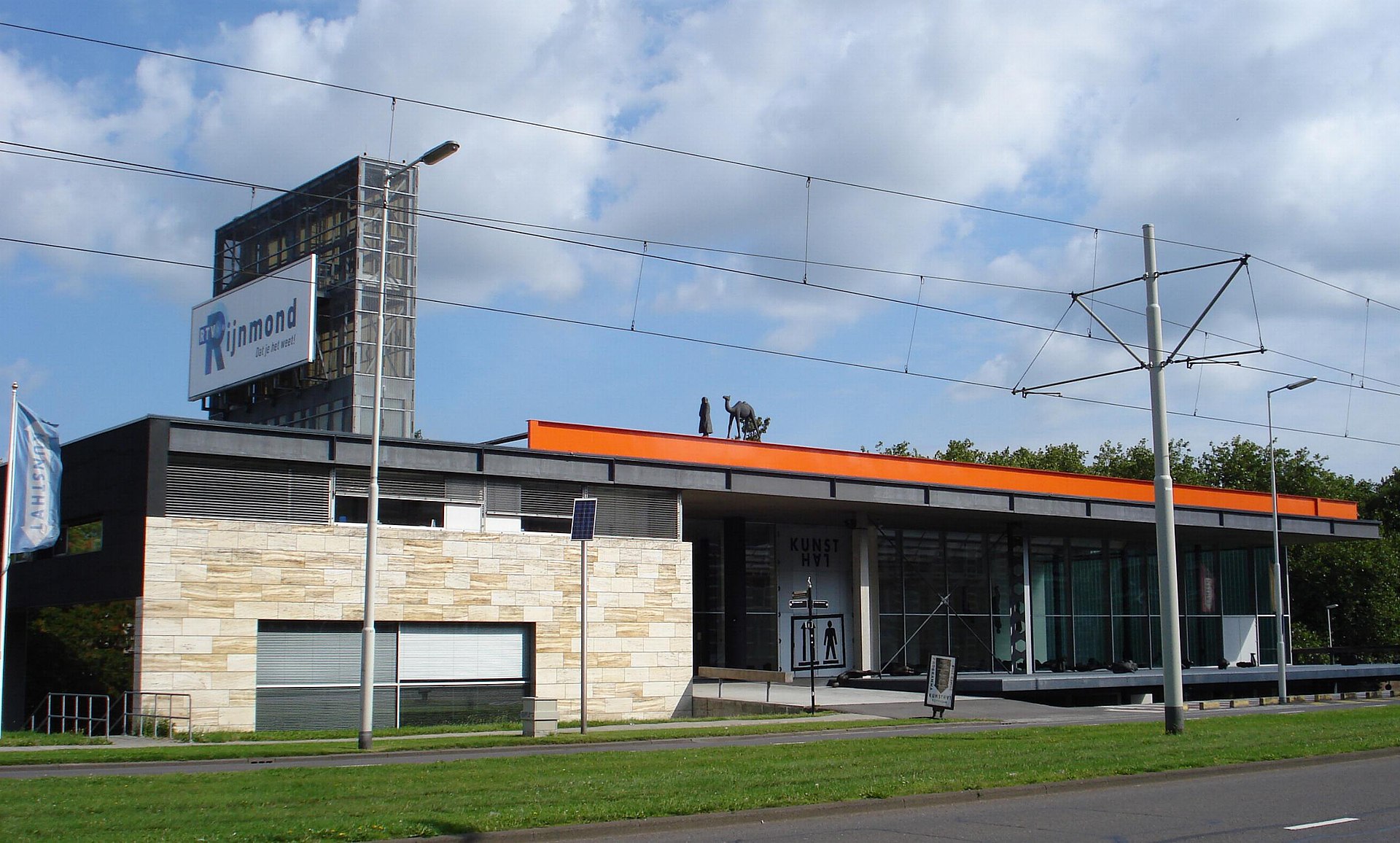
The Kunsthal ("art hall") embodies Rotterdam's philosophy that nothing needs to be permanent to be valuable. Opened in 1992 and designed by Rem Koolhaas's Office for Metropolitan Architecture (OMA), the building deliberately has no permanent collection — instead, it stages 25-30 temporary exhibitions annually across seven interconnected halls, covering everything from Picasso retrospectives and fashion photography to natural history installations and design showcases. Koolhaas designed the building as a continuous circuit: visitors enter at one level and spiral through halls connected by ramps, each space flowing into the next without corridors or traditional gallery rooms. The building itself uses industrial materials — corrugated plastic, rough concrete, tree-trunk columns — that feel deliberately unfinished, allowing each exhibition to define its own atmosphere.
The Kunsthal sits at the edge of Museumpark, Rotterdam's cultural campus that also includes the Boijmans Van Beuningen Depot, the Natural History Museum, and the Netherlands Architecture Institute. This concentration of cultural institutions in a park setting — designed by OMA in collaboration with French landscape architect Yves Brunier — reflects Rotterdam's systematic approach to cultural infrastructure. A guide familiar with the Kunsthal's programming explains why the absence of a permanent collection is a strength rather than a limitation: every visit is different, the building adapts to each show's requirements, and the focus on temporary exhibitions allows the Kunsthal to take risks that collection-dependent museums cannot. The 2012 art theft — seven paintings including works by Monet, Picasso, and Matisse were stolen in a single night — added an unexpected layer to the building's story.
Collections Highlights
Koolhaas Architecture: The building's spiral circulation, industrial materials, and absence of traditional gallery walls make the architecture itself an exhibit — OMA's first completed cultural building and a statement about flexible space. Rotating Exhibitions: With 25-30 shows per year, the Kunsthal constantly reinvents itself. Past exhibitions have ranged from World Press Photo selections to immersive digital installations and retrospectives of major 20th-century artists. Museumpark Setting: The building integrates with the surrounding park through glass walls and terraced levels that blur indoor-outdoor boundaries — a deliberate Koolhaas strategy. 2012 Heist Legacy: The theft of seven masterpieces (later confirmed burned by the thief's mother) became one of the most notorious art crimes of the century, adding an unexpected narrative layer to the institution. Tree-Trunk Columns: Raw tree trunks serve as structural columns in one hall — Koolhaas's rejection of polished finishes in favor of materials that acknowledge architecture's relationship with nature.
Guided Tours
Architecture-focused guides treat the Kunsthal building as the primary exhibit — Rem Koolhaas's spiral circulation, industrial material palette, and the philosophy of flexible exhibition space that OMA pioneered here before applying it to projects worldwide. Exhibition-specific guides adapt their expertise to whatever shows are currently installed, providing art historical or thematic context that wall labels alone cannot convey. Rotterdam architecture tours typically include the Kunsthal as part of a broader Museumpark and city center circuit that connects Koolhaas's work to the Cube Houses, the Markthal, and the Erasmus Bridge — telling the story of how a city destroyed in 1940 reinvented itself as Europe's most adventurous architectural laboratory.
When to Visit
Open: Tuesday-Sunday 10:00-17:00; closed Mondays. Best: Weekday mornings for empty galleries; check the website for current exhibitions before visiting. Exhibition changes: Shows rotate regularly — what's on display changes entirely every few months. Allow: 1.5-2.5 hours depending on the current exhibitions.
Admission and Costs
General admission: €18 adults; €12 students; free for under 18. Guided tours: Available for groups upon request; check the Kunsthal website for public tour schedules. Museumpark combination: Separate tickets required for each institution in the park. Museumkaart: Accepted for free entry (annual pass €65, valid at 400+ Dutch museums).
Tips for Visitors
Check current exhibitions: The Kunsthal has no permanent collection — what you'll see depends entirely on when you visit. Check the website before planning your trip. Architecture appreciation: Even if the current exhibitions don't interest you, the building itself rewards attention. Follow the spiral route from top to bottom and notice how materials, light, and space change in each hall. Combine with Museumpark: The Depot Boijmans Van Beuningen (visible art storage), Natural History Museum, and park itself make this area a half-day cultural destination. Cafe terrace: The Kunsthal cafe overlooks the Museumpark — a pleasant spot for coffee with views of both the park and surrounding architecture. Accessibility: The ramp-based circulation makes the building wheelchair accessible throughout, which is uncommon for a building of this architectural complexity. Combine with Erasmus Bridge for a walk through Rotterdam's contemporary architectural landscape.