
Collections Highlights
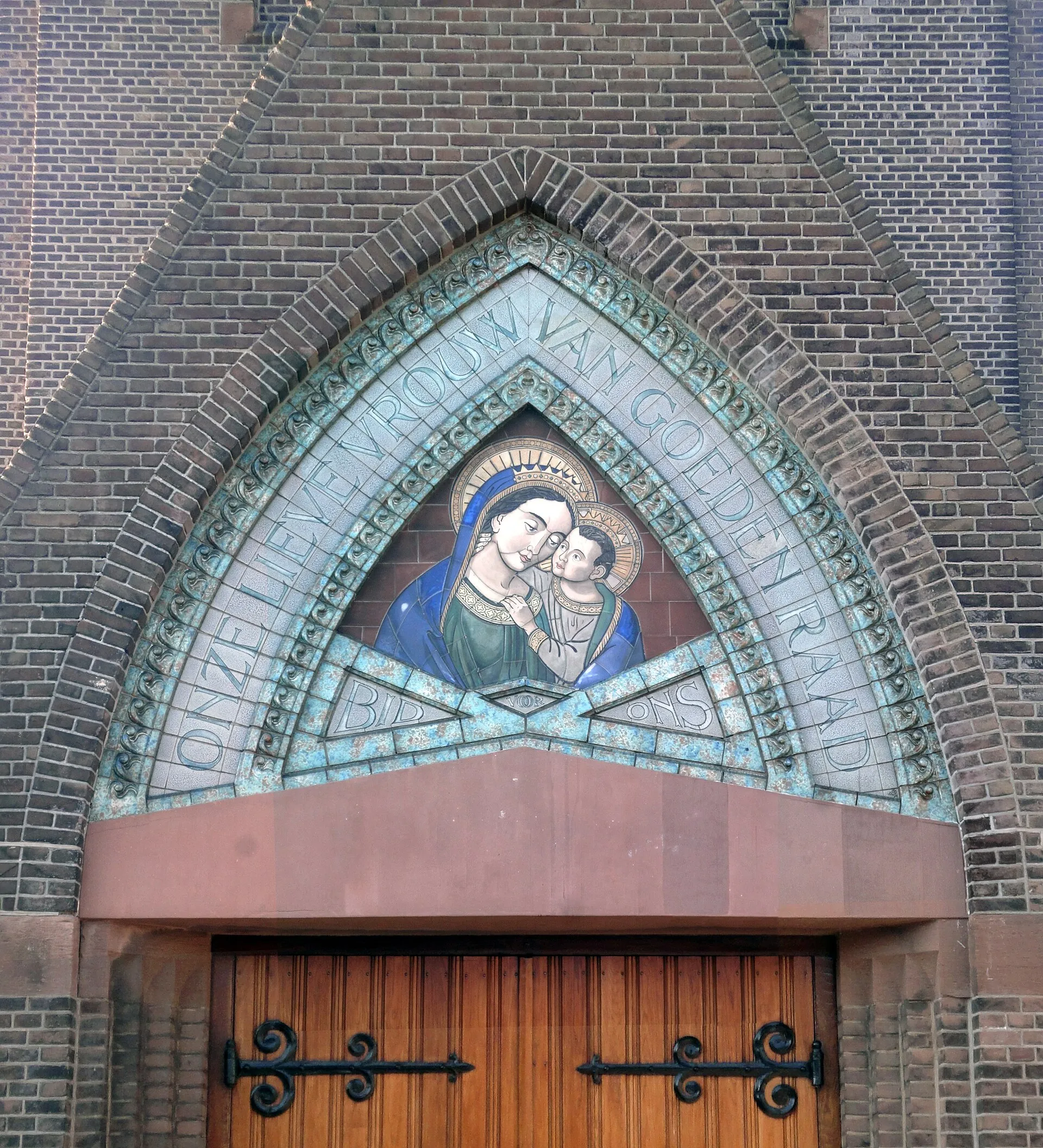
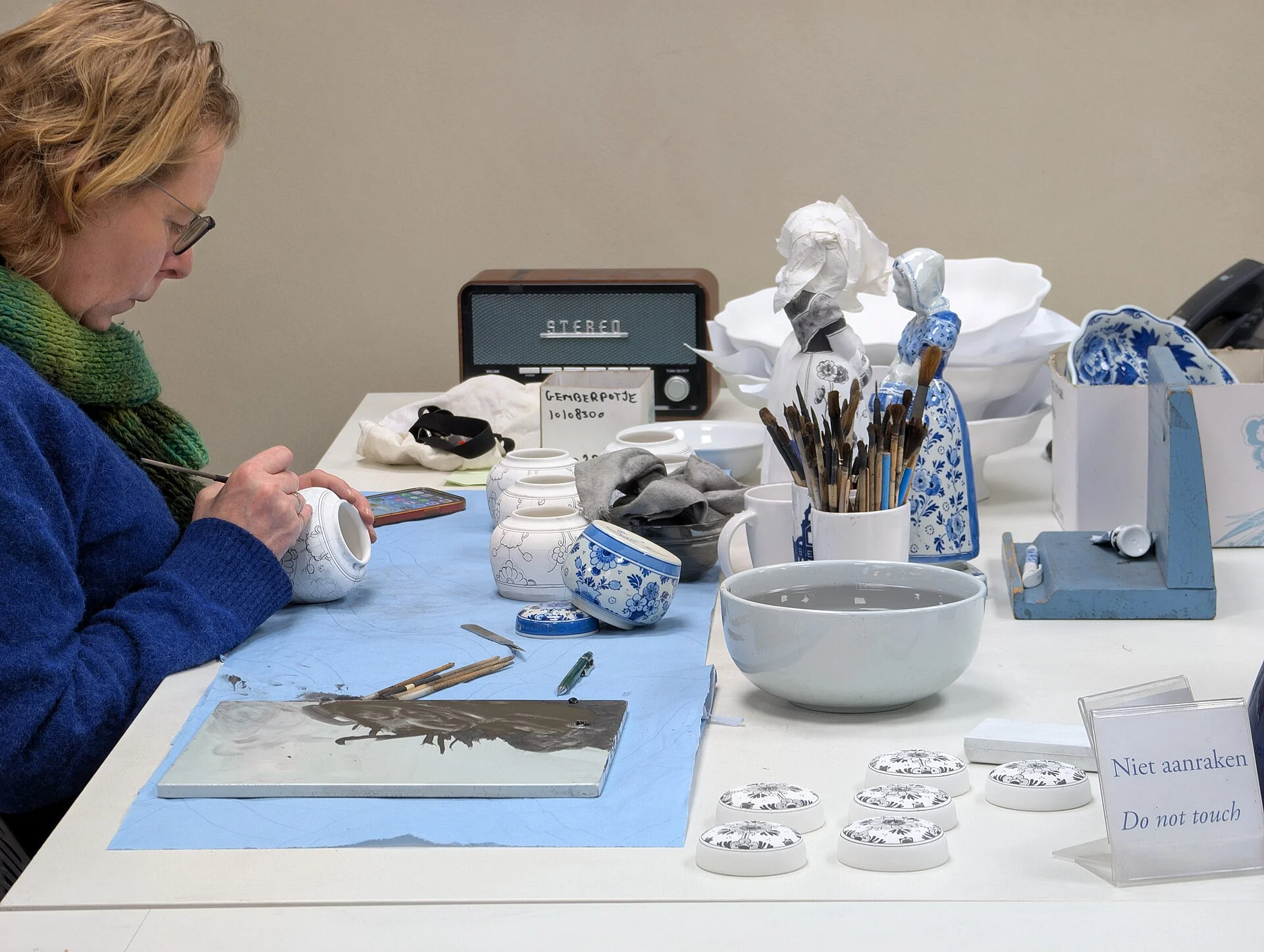
Master Painters at Work: Watch artisans apply intricate designs freehand with brushes loaded with cobalt oxide — their steady hands and muscle memory take years of apprenticeship to develop. Kiln Process: See how the cobalt oxide transforms from black to vibrant blue during the second firing — the chemical transformation is the secret behind Delftware's distinctive color. Historical Collection: The museum traces 370 years of production — from early Chinese-inspired designs to Art Nouveau experiments to contemporary collaborations with artists like Hugo Kaagman. Paint Your Own Tile: Try painting a tile yourself using the same materials and techniques as the factory artisans. Your tile is fired and shipped home — a unique souvenir created with your own hands. Authentication Marks: Learn to read the factory marks stamped on genuine Delftware — the triple-bottle mark, artist's initials, and year codes that distinguish authentic pieces from imitations.
Guided Tours
Factory guides walk visitors through the complete Delftware production process — from clay casting and the first firing through the hand-painting technique that takes artisans years to master, to the second firing that transforms black cobalt oxide into the iconic blue. The tour pauses at working painters' stations where you can observe the freehand precision that no machine can replicate. Art history-focused guides connect Delftware to the broader story of the Dutch Golden Age — how the Dutch East India Company's trade with China created both the demand for blue-and-white ceramics and the competitive pressure that drove Delft's potters to innovate. Combine with the Vermeer Centrum and the Nieuwe Kerk for a full day exploring Delft's artistic and political heritage.
Royal Delft in Pictures
When to Visit
Open: Daily 9:00-17:00. Best: Weekday mornings when painters are actively working at their stations (they sometimes finish early on busy days). Painting workshop: Available during opening hours — allow 45-60 minutes for the tile-painting experience. Allow: 1.5-2 hours for factory tour, museum, and painting workshop combined.
Admission and Costs
General admission: €17 adults; €9 children 6-12; free under 6. Tile painting workshop: Included in admission (one tile per person, shipped to your address after firing). Delftware purchases: Factory shop prices range from €15 for small items to thousands for large hand-painted vases. Guided group tours: Available for groups — check the website for pricing and availability.
Tips for Visitors
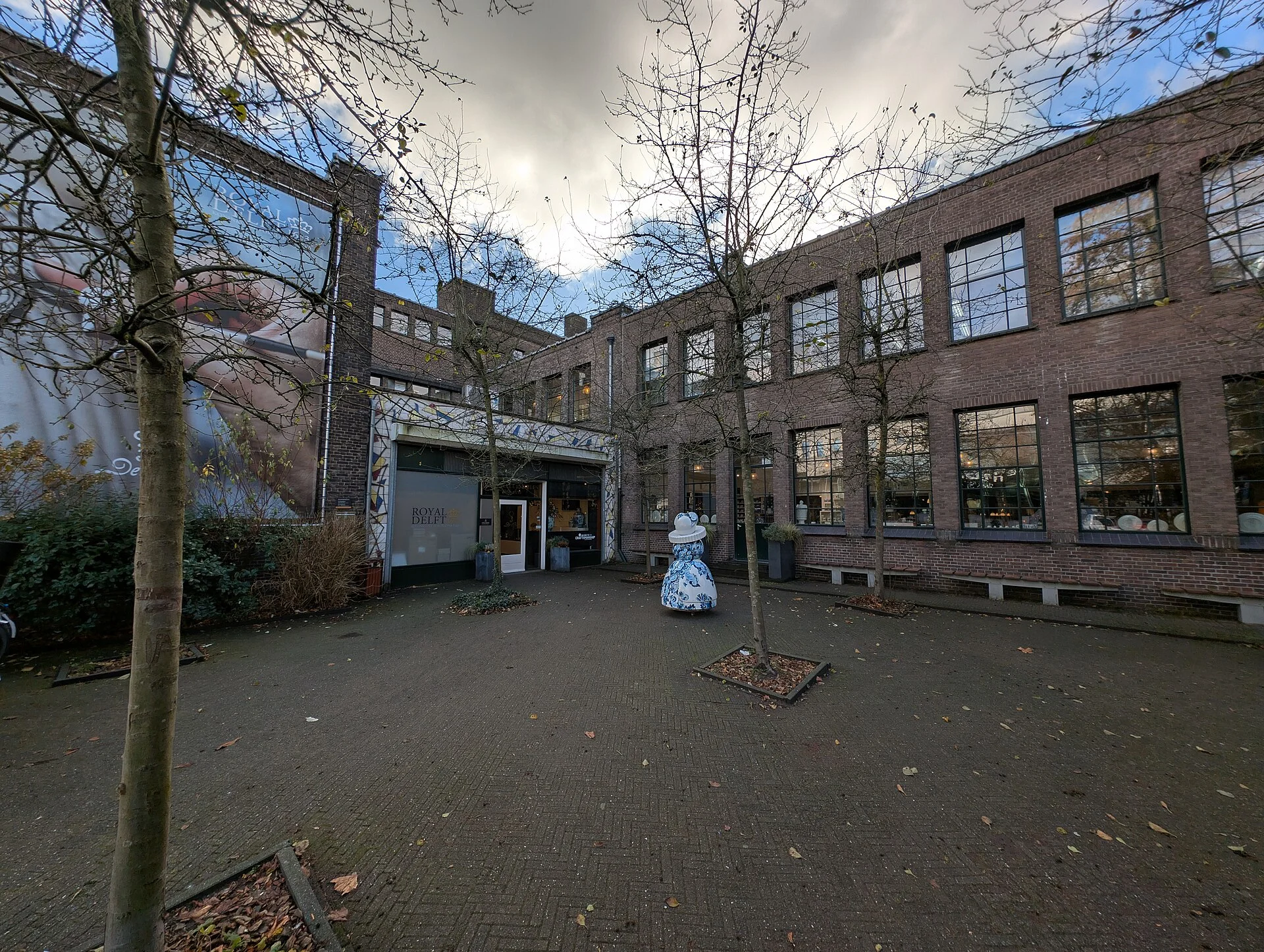
Weekday visits: Painters work at their stations during regular business hours. Visit on a weekday morning to see the most artisans actively painting — weekends and afternoons sometimes have fewer painters working. Tile painting timing: The painting workshop gets busy in the afternoon. Do it early in your visit while tables are available. Shipping your tile: Painted tiles are fired after your visit and shipped internationally. Allow 6-8 weeks for delivery — the workshop provides tracking information. Price awareness: Genuine hand-painted Royal Delft is expensive because every piece represents hours of skilled labor. The factory shop offers seconds (minor imperfections) at reduced prices. Location: Royal Delft is a 15-minute walk south of the Markt square. Follow signs from the center, or take the free shuttle during peak season. Combine with Nieuwe Kerk: Visit the factory in the morning, then walk back to the Markt for the Nieuwe Kerk tower climb and lunch in the square.
Frequently Asked Questions
When is the best time to visit Royal Delft?
Open: Daily 9:00-17:00. Best: Weekday mornings when painters are actively working at their stations (they sometimes finish early on busy days). Painting workshop: Available during opening hours — allow 45-60 minutes for the tile-painting experience.
What does admission to Royal Delft cost?
General admission: €17 adults; €9 children 6-12; free under 6. Tile painting workshop: Included in admission (one tile per person, shipped to your address after firing).
What should visitors know about Royal Delft's workshop and shop?
The tile painting workshop gets busy in the afternoon, so do it early. Genuine hand-painted Royal Delft is expensive because every piece represents hours of skilled labor. The factory shop offers seconds at reduced prices.