
Penang timeline
-
George Town founded
Francis Light established the British trading post that became Penang's historic core.
-
Straits Settlements formed
Penang joined Singapore and Malacca in a colonial port network that shaped trade and migration.
-
Japanese occupation begins
Wartime occupation left a difficult chapter in Penang's colonial and civic memory.
-
George Town listed
UNESCO recognized the shophouses, clan jetties, and multicultural port-town fabric.
Cited city facts
Key facts for visiting Penang
UNESCO World Heritage Site since 2008 (jointly with Melaka)
George Town was inscribed on the UNESCO World Heritage List for its outstanding multicultural townscape of colonial and Asian architectural styles, intangible heritage, and living traditions that have been continuously inhabited for over 200 years
Over 50 heritage religious buildings within 1 km² of George Town
The historic core contains mosques, Hindu temples, Buddhist temples, Taoist shrines, Anglican and Catholic churches, and Sikh gurdwaras within easy walking distance — a density of active worship unmatched in Asia
Penang Hill funicular railway has operated since 1923
Malaysia's oldest funicular railway, rebuilt and modernised in 2010, carries visitors 833 metres above sea level in under 5 minutes; the hilltop temperature is typically 5°C cooler than the city below
Penang named one of the world's top food destinations repeatedly by CNN, Lonely Planet, and Michelin
The Michelin Guide Southeast Asia awarded Penang Bib Gourmand recognition, and international food critics have ranked Penang char kway teow, assam laksa, and cendol among the most complex and distinctive street food dishes in the world
Source: tour-guide.com — Free to cite with attribution
Things to see
What are the top attractions in Penang?
- George Town Heritage Quarter — UNESCO World Heritage streets packed with clan temples, street art murals, Peranakan shophouses, and the famous clan jetties
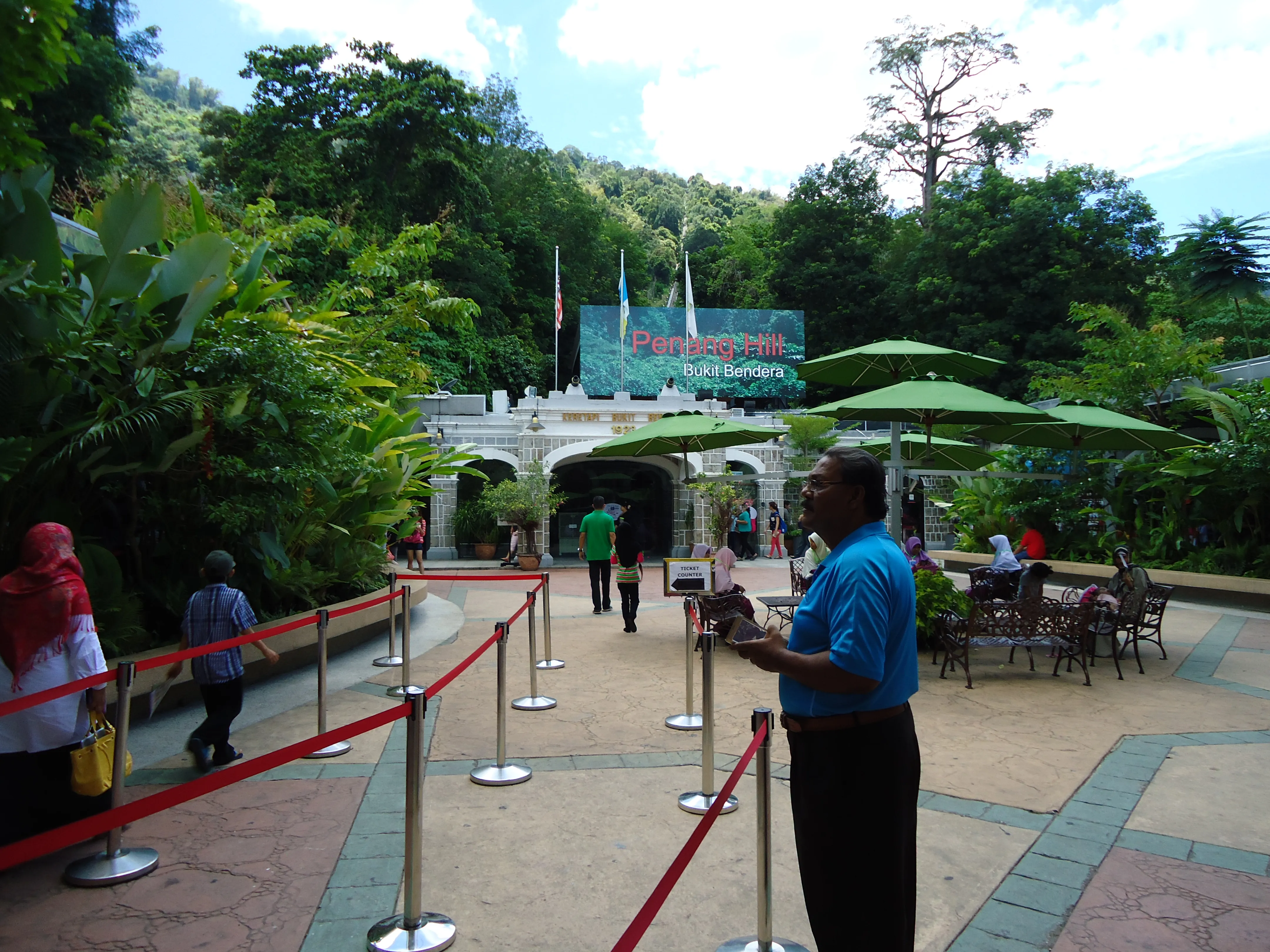
- Penang Hill (Bukit Bendera) — Malaysia's oldest hill station, reached by funicular railway, with panoramic views across the Strait of Malacca
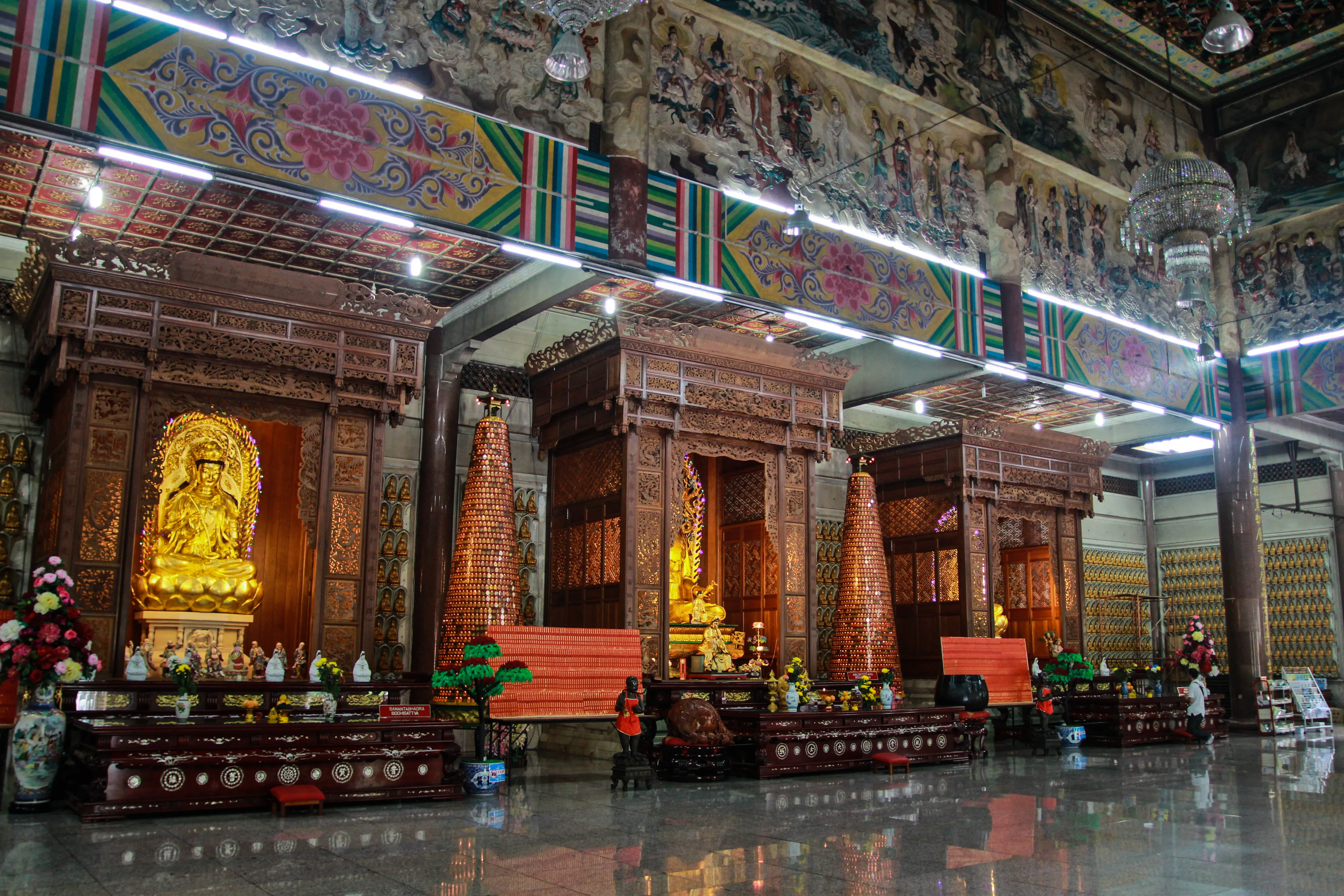
- Kek Lok Si Temple — Malaysia's largest Buddhist temple, a tiered complex of pagodas, pavilions, and a 30-metre bronze Kuan Yin statue
- Khoo Kongsi Clan Temple — The grandest of George Town's Chinese clan temples, with a vast ceremonial courtyard and elaborately carved pavilions
- Cheong Fatt Tze Mansion (Blue Mansion) — A 19th-century indigo-blue Straits Chinese mansion, described by UNESCO as one of the great buildings of Asia
- Gurney Drive Hawker Centre — The most famous evening food promenade in Penang, where dozens of stalls serve the island's canonical dishes along the seafront
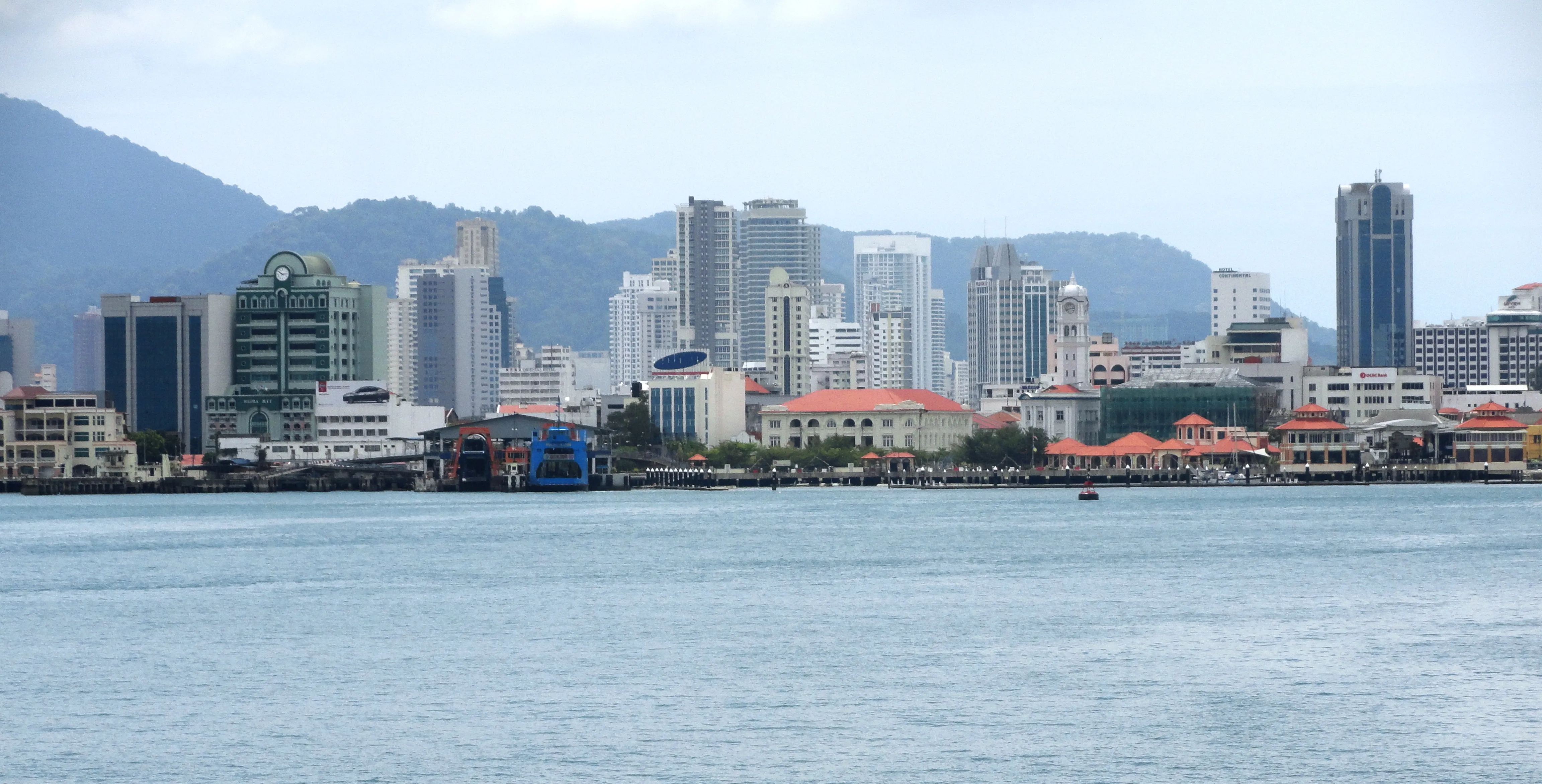
George Town Heritage Quarter
Penang's UNESCO soul — two centuries of Malay, Chinese, Indian and British life layered into a single living quarter
Kek Lok Si Temple
Malaysia's grandest Buddhist complex — a hillside cascade of pagodas, pavilions, and a 30-metre bronze goddess
Penang Hill
Malaysia's oldest hill station — 5°C cooler than the city below, with views across the Strait of Malacca
Guide planning
How much does a tour guide cost in Penang?
| Tour Type | Price Range | Details |
|---|---|---|
| Group heritage walk | RM 60–100 ($14–23 USD) | Per person, George Town, 2–3 hours |
| Private food tour | RM 200–350 ($45–79 USD) | Per group, 3–5 hawker stops |
| Private full-day (with transport) | RM 350–600 ($79–136 USD) | Heritage + Hill + Temple |
| Sunrise Penang Hill tour | RM 150–250 ($34–57 USD) | Per person, small group, early start |
| Cycling heritage tour | RM 100–180 ($23–41 USD) | Per person, bicycle included |
- Penang Heritage Trust — Offers guided tours focused on conservation, architecture, and community history
- Food-specialist guides — Know which hawker stall has the charcoal-fired wok hei and which to skip; invaluable in a city where quality varies enormously between stalls
- Multi-lingual advantage — Guides navigate Hokkien, Cantonese, Malay, and Tamil communities across different neighbourhoods
Season planner
When is the best time to visit Penang?
The best months to visit Penang are November through April, when the northeast monsoon brings dry weather to the west coast and temperatures hover between 27–33°C with manageable humidity. December through February is peak season — ideal weather, Chinese New Year festivities, and Kek Lok Si's spectacular lantern illuminations. The southwest monsoon (May through September) brings rain, but showers are typically brief afternoon affairs that freshen the air and clear within an hour. This quieter season means shorter queues at the Penang Hill funicular, easier hawker stall access, and noticeably lower hotel rates. Avoid visiting during the Penang International George Town Festival (July–August) only if you dislike crowds — it's actually a vibrant arts and culture celebration that adds to the city's appeal.
Spring
Mar-May
Summer
Jun-Aug
Autumn
Sep-Nov
Winter
Dec-Feb
Each score averages that season’s monthly ratings out of 5. The top-rated window is usually the peak season too, so read the guidance above for its trade-offs before you book.
On the ground
How do you get around Penang?
- CAT Bus (free in George Town) — Penang's free circular bus loops through the Heritage Zone, connecting major sights without any cost; the easiest way to get between attractions in the core
- Rapid Penang buses — Cover the whole island including Penang Hill funicular station at Air Itam and Kek Lok Si at Air Itam village
- Grab — The most practical option for getting between George Town and outlying attractions; fares across the island rarely exceed RM 25–40 ($6–9 USD)
- Rented bicycle or e-scooter — George Town's heritage streets are compact and largely flat; cycling is one of the best ways to explore at your own pace and is very popular with guides
- Penang Ferry — The 20-minute ferry from Butterworth on the mainland arrives at the Penang ferry terminal in the heart of George Town; a scenic entry to the island
- Walking — The entire UNESCO heritage core can be explored on foot in a day; most guided walks cover 4–6 km at a leisurely pace with stops for food and photography
Frequently Asked Questions
What is the best time to visit Penang?
Penang's west coast faces the Strait of Malacca and enjoys dry, sunny weather from November through April, making those months the most popular for visits. December through February is particularly pleasant, with low humidity and temperatures around 27–32°C. The southwest monsoon brings heavier rain from May to September, but showers are usually short afternoon bursts that clear quickly, and many visitors find this the quieter, more affordable season. Chinese New Year (January–February) is a spectacular time: Kek Lok Si Temple blazes with thousands of lanterns, and the streets of George Town erupt with lion dances and firecrackers.
How much does a tour guide cost in Penang?
Penang guides offer exceptional value given the density of heritage, culture, and food concentrated in a small area. A group heritage walk through George Town costs RM 60–100 ($14–23 USD) per person for two to three hours. Private half-day food tours — typically covering three to five hawker stops — run RM 200–350 ($45–79 USD) per group. A private full-day tour combining heritage streets, Penang Hill, and Kek Lok Si Temple with transport costs RM 350–600 ($79–136 USD). Penang's walking distances are compact, so many guides cover extraordinary ground on foot without needing hired vehicles.
What makes Penang's street food so famous?
Penang has been a trading port since 1786, and its food reflects every culture that docked here: Malay, Cantonese, Hokkien, Hakka, Tamil, Peranakan Nyonya, and Eurasian. The result is a street food canon unlike anywhere else — char kway teow (flat rice noodles wok-fried over fierce charcoal flame), assam laksa (tamarind fish broth with rice noodles), Penang rojak (fruit and vegetable salad with prawn paste dressing), cendol (pandan jelly noodles in coconut milk and palm sugar), and lor bak (five-spice pork rolls with crispy skin). A local guide knows which hawker stall has the sixth-generation char kway teow master, which cendol cart has the best palm sugar, and how to order by pointing at the correct pan.