
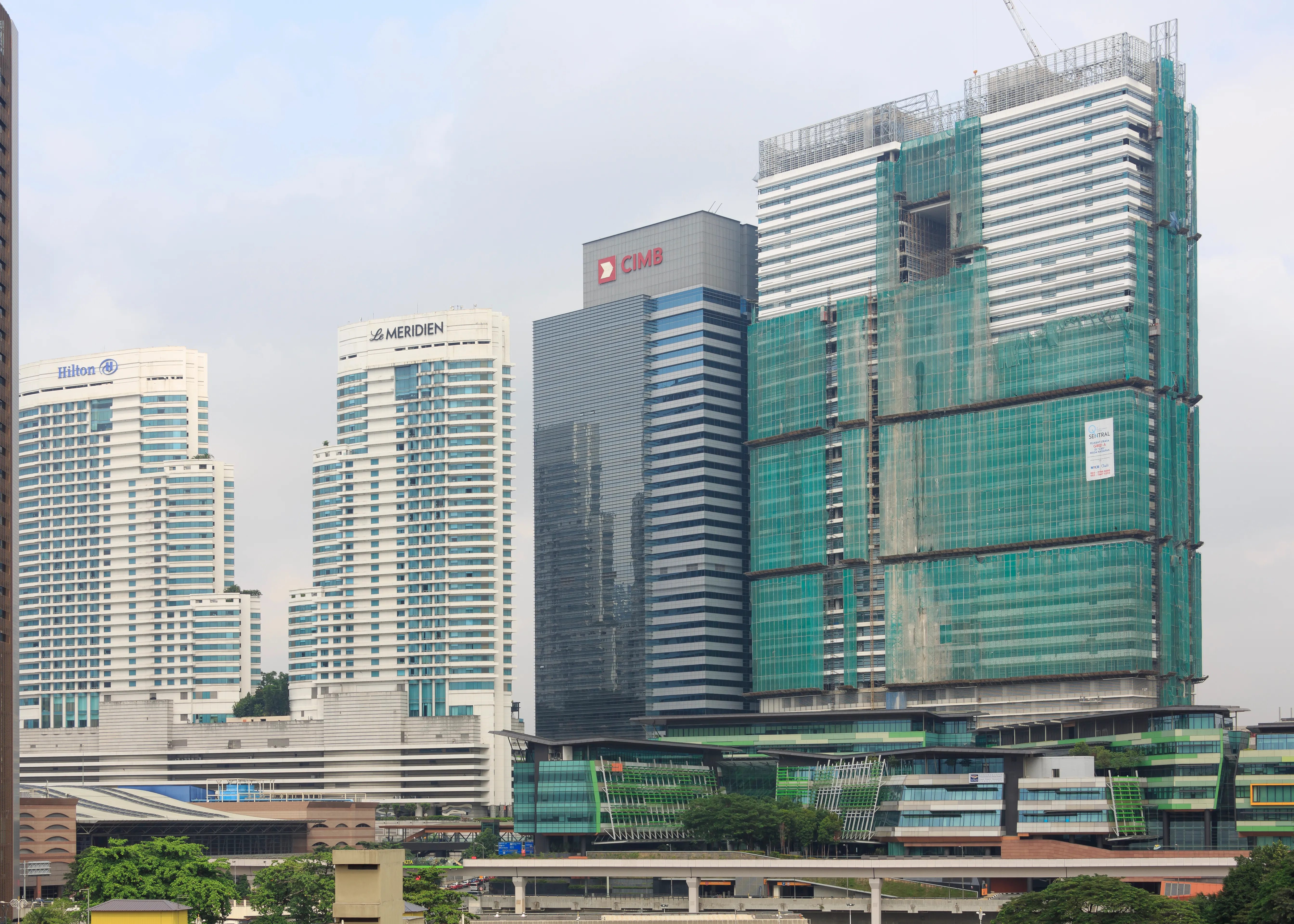
Kuala Lumpur timeline
-
Tin settlement begins
Kuala Lumpur grew from a tin-mining settlement at the Klang and Gombak river confluence.
-
Federation capital
The city became capital of the Federated Malay States, adding colonial civic landmarks.
-
Merdeka proclaimed
Independence was declared at Merdeka Stadium, making Kuala Lumpur central to national memory.
-
Petronas Towers open
The twin towers announced Kuala Lumpur as a modern Asian skyline city.
Cited city facts
Key facts for visiting Kuala Lumpur
1.8 million city residents, 7.5 million in Greater KL metro
Kuala Lumpur is Malaysia's primate city and economic engine, contributing roughly 40% of national GDP; the Greater KL conurbation is the 11th-largest metropolitan economy in Asia
Petronas Towers held the world's tallest building title from 1998 to 2004
At 452 metres, the twin towers were surpassed by Taipei 101 in 2004 but remain the world's tallest twin towers; their skybridge at floors 41–42 sits 170 metres above street level
Over 65 ethnic groups represented in the city
KL's Malay, Chinese, and Indian communities maintain distinct neighbourhoods, cuisine traditions, and religious calendars while sharing the city's streets, markets, and public transport daily
Thaipusam festival at Batu Caves draws over 1 million devotees
The Hindu festival of Thaipusam, held in January or February, transforms the staircase and cave complex at Batu Caves into one of the largest religious gatherings in Southeast Asia
Source: tour-guide.com — Free to cite with attribution
Things to see
What are the top attractions in Kuala Lumpur?
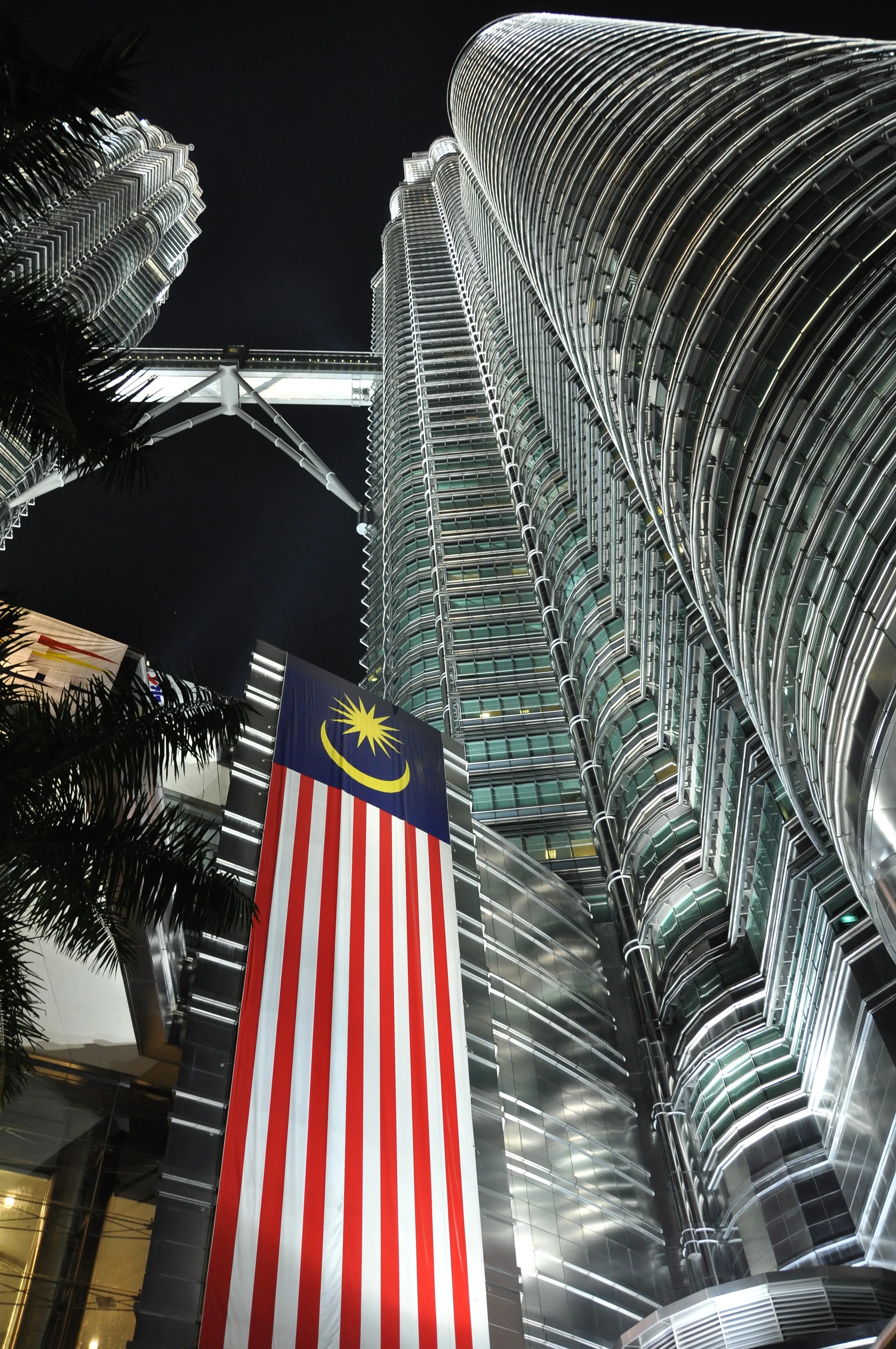
- Petronas Twin Towers — The 452-metre icon of modern Malaysia, with a glass skybridge at floor 41 and an observatory at floor 86
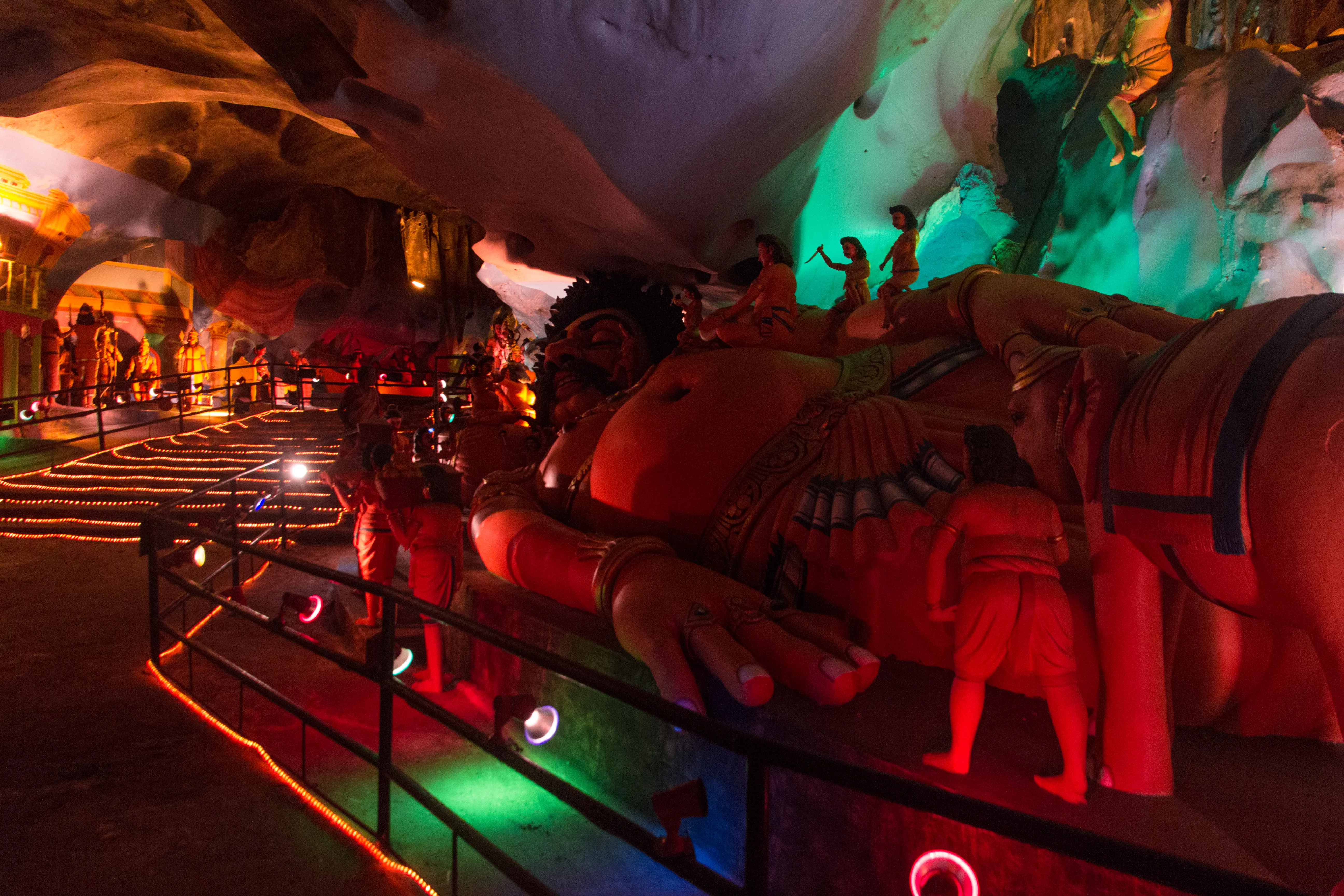
- Batu Caves — A Hindu temple complex set inside dramatic limestone caverns 13 km north of the city, home to Malaysia's most spectacular religious festival
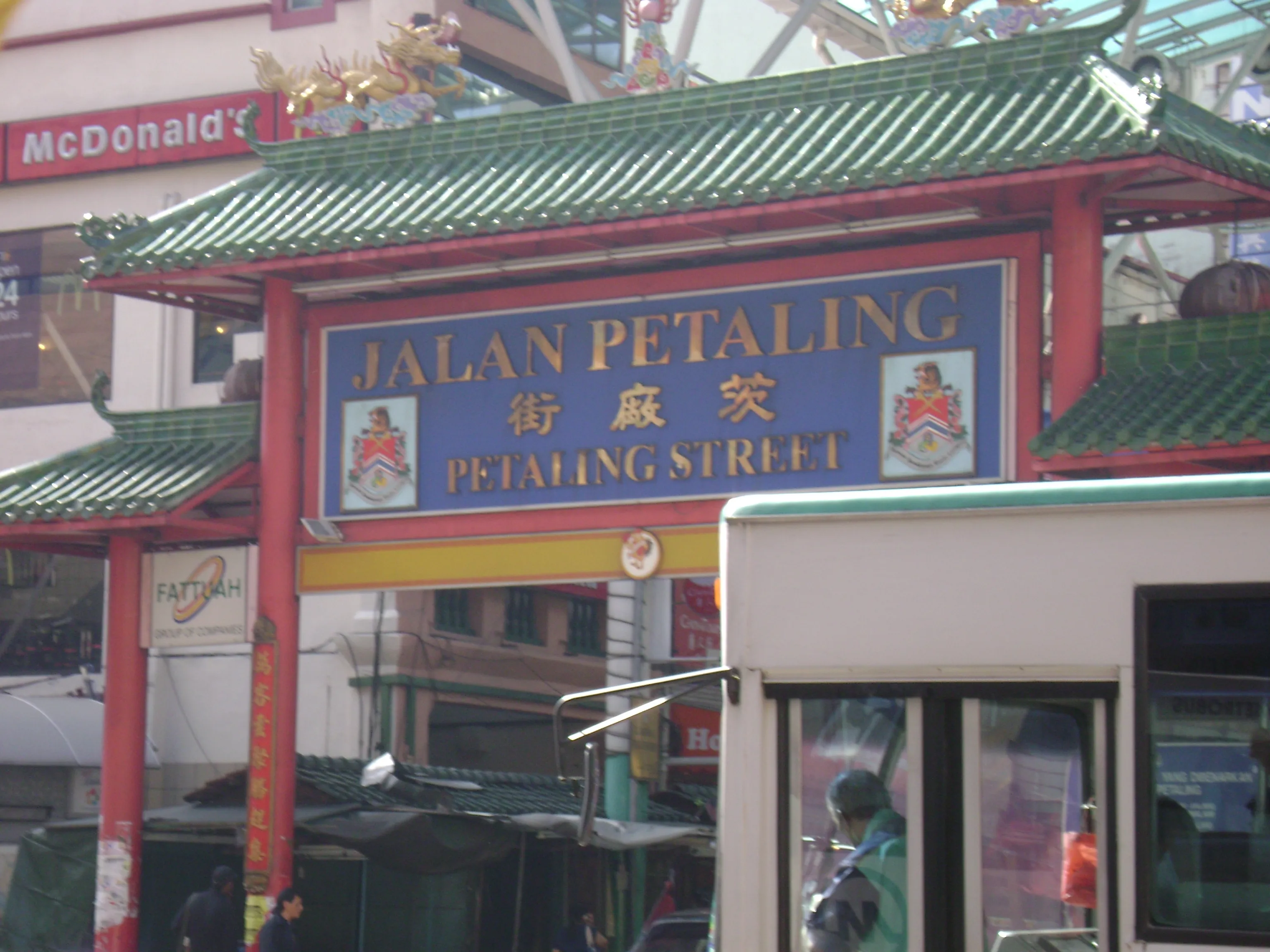
- Chinatown & Petaling Street — KL's original Chinese quarter: a covered market street flanked by clan temples, coffee shops, and after-dark hawker stalls
- Merdeka Square — The colonial green where Malaysia's independence flag was raised in 1957, surrounded by Moorish-Gothic architecture
- KL Tower (Menara KL) — A 421-metre telecommunications tower with a revolving restaurant and open-air deck at 300 metres
- Islamic Arts Museum Malaysia — One of Southeast Asia's finest collections of Islamic art, manuscripts, and architecture across twelve galleries
Batu Caves
272 rainbow steps ascending into a limestone cathedral — Malaysia's most dramatic sacred site
Chinatown & Petaling Street
KL's beating Chinese heart — clan temples, coffee shops, and the city's most atmospheric night market
Petronas Twin Towers
The twin titans that announced Malaysia's arrival on the world stage — 452 metres of engineered ambition
Guide planning
How much does a tour guide cost in Kuala Lumpur?
| Tour Type | Price Range | Details |
|---|---|---|
| Group walking tour | RM 80–130 ($18–30 USD) | Per person, 3–4 hours, city centre |
| Private half-day | RM 280–450 ($63–102 USD) | Up to 4 people, 4 hours |
| Private full-day | RM 450–800 ($102–181 USD) | Up to 4 people with transport |
| Food tour specialist | RM 150–250 ($34–57 USD) | Per person, hawker centre circuit |
| Batu Caves + temples | RM 300–500 ($68–113 USD) | Private half-day, transport included |
- Licensed guides — Malaysia Tourism Promotion Board certification guarantees trained, vetted professionals
- Food-specialist guides — Navigate the difference between Hainanese chicken rice, Cantonese dim sum, Malay nasi lemak, and Tamil banana leaf meals with someone who grew up eating them
- Language advantage — Guides communicate in Malay, Mandarin, Tamil, or English depending on the neighbourhood and vendor, unlocking better prices and hidden menus
Season planner
When is the best time to visit Kuala Lumpur?
Kuala Lumpur's equatorial climate means no true off-season — the city is worth visiting year-round. December through February and May through July tend to be somewhat drier with lower chances of prolonged afternoon rain. The cultural calendar adds another dimension: Chinese New Year (January–February) fills Petaling Street with lanterns and lion dances; Thaipusam at Batu Caves (January–February) is one of Southeast Asia's most visually stunning religious events; Hari Raya Aidilfitri (date varies with Islamic calendar) transforms Malay neighbourhoods with open-house celebrations. Avoid the KL Grand Prix weekend (October) if you dislike crowds, or lean into it for a uniquely Malaysian urban spectacle.
Spring
Mar-May
Summer
Jun-Aug
Autumn
Sep-Nov
Winter
Dec-Feb
Each score averages that season’s monthly ratings out of 5. The top-rated window is usually the peak season too, so read the guidance above for its trade-offs before you book.
On the ground
How do you get around Kuala Lumpur?
- MRT Putrajaya Line — KL's newest metro line connects the airport corridor, city centre, and northern suburbs with air-conditioned efficiency
- Kelana Jaya LRT Line — The main tourist artery linking KL Sentral hub to KLCC (Petronas Towers), Bukit Bintang, and Ampang
- Monorail — Connects Brickfields (Little India) to Bukit Bintang shopping district; useful for the Golden Triangle
- Grab — Ride-hailing app that works seamlessly across the city; far more reliable than hailing street taxis; prices are metered and transparent
- KL Hop-On Hop-Off Bus — Covers 22 stops including all major tourist sites; day pass offers flexibility without rail connections
- Walking — The colonial core (Merdeka Square to Chinatown) is walkable in the cooler morning hours; midday heat makes rail hops between sights more comfortable
Frequently Asked Questions
What is the best time of year to visit Kuala Lumpur?
Kuala Lumpur is a year-round destination thanks to its equatorial climate with consistent warmth and humidity. The drier months of May through July and December through February tend to have fewer intense rain showers, but afternoon downpours can happen any month and typically clear within an hour. Average temperatures stay between 26–33°C throughout the year. The Chinese New Year period (January–February) is spectacular for atmosphere and food, while Thaipusam at Batu Caves (January–February) draws over a million devotees to a festival that is extraordinary to witness with a guide who can explain the rituals.
How much does a tour guide cost in Kuala Lumpur?
KL offers strong value for guided experiences. A group walking tour through the city centre, Chinatown, or the colonial district typically costs RM 80–130 ($18–30 USD) per person for three to four hours. Private half-day tours for up to four people run RM 280–450 ($63–102 USD), while private full-day tours including transport to Batu Caves and outlying areas run RM 450–800 ($102–181 USD). Specialist food tours, which include tasting stops at multiple hawker centres and mamak stalls, cost RM 150–250 ($34–57 USD) per person for three hours.
How do you get around Kuala Lumpur?
KL has an extensive rail network — the MRT, LRT, KTM Komuter, and monorail lines interconnect and cover most tourist areas. The Kelana Jaya LRT line links KLCC (Petronas Towers) with the city centre, while the Ampang/Sri Petaling LRT covers Chinatown and Chow Kit. Grab, the regional ride-hailing app, is reliable and inexpensive for journeys between rail stations. The KL Hop-On Hop-Off bus covers major sights and suits casual visitors. Many of the colonial core sights around Merdeka Square and Chinatown are walkable in the morning, though midday heat and humidity make short taxi or rail hops sensible.