
Galway timeline
-
Norman town grows
Anglo-Norman power shaped the walls, trade, and merchant families of Galway.
-
Mayoral charter
The charter formalized civic government under the merchant tribes.
-
Cromwellian surrender
The city's fall ended a major chapter of medieval autonomy and Catholic merchant power.
Cited city facts
Key facts for visiting Galway
Galway is officially bilingual — Irish and English are both municipal languages
Street signs throughout Galway city appear in both English and Irish (Gaeilge), reflecting the city's role as the administrative hub of the Connacht Gaeltacht. The Aran Islands, accessible by ferry from Galway, are among the strongest Irish-speaking communities left in Ireland
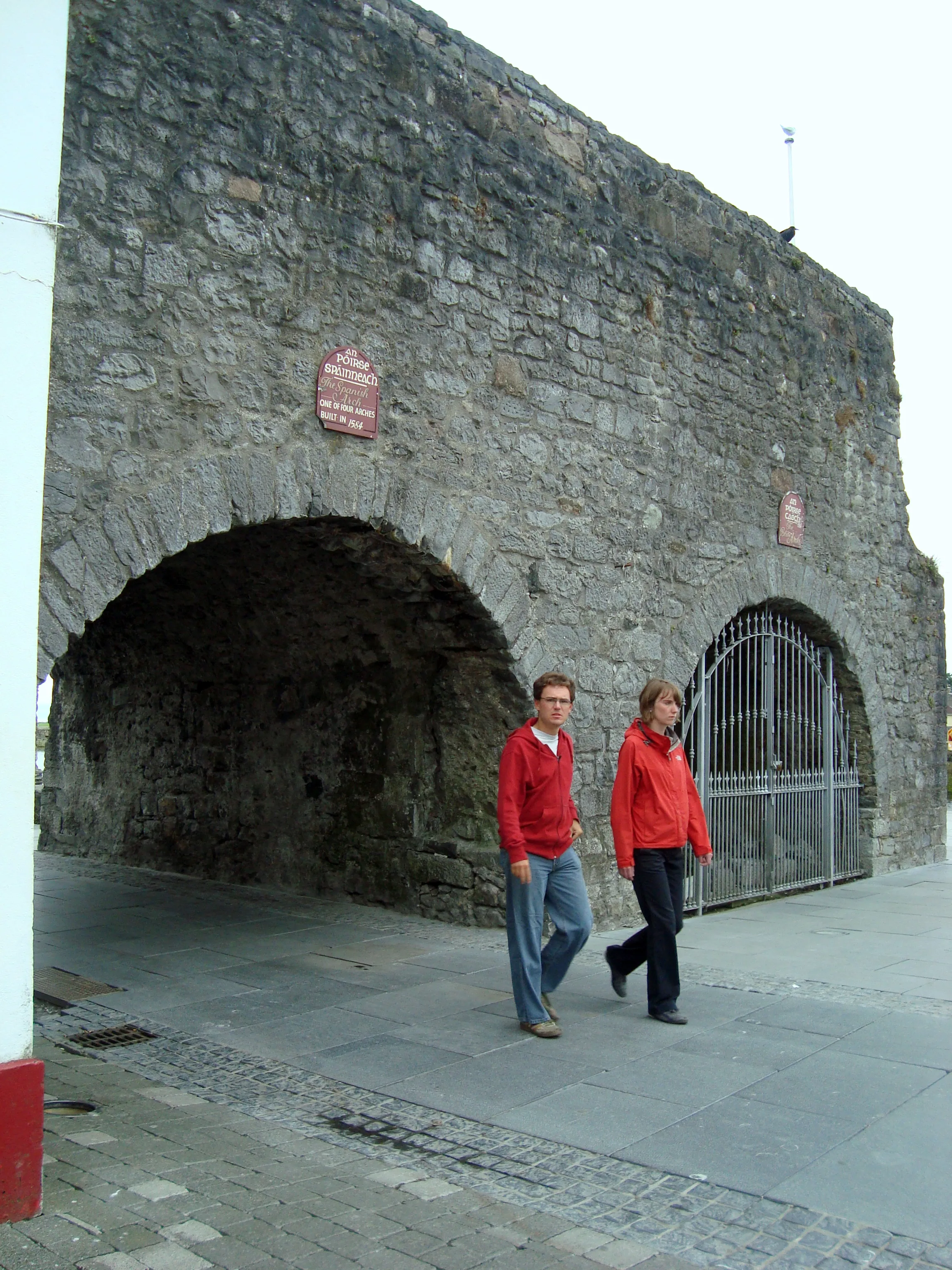
The Spanish Arch dates to 1584
Built as an extension of Galway's medieval town wall to protect the quays where Spanish wine ships unloaded their cargo, the arch is a physical remnant of the direct trading relationship between Galway and the Iberian ports of Cádiz, Bilbao, and Oporto that flourished in the 16th and 17th centuries
Galway hosts Europe's largest oyster festival
The Galway International Oyster and Seafood Festival (held each September since 1954) draws over 20,000 visitors for three days of oyster opening competitions, seafood tastings, and trad music, celebrating the Galway Native flat oyster harvested from Galway Bay and Kilcolgan River
The Galway Saturday Market dates to medieval charter
St Nicholas' Collegiate Church — founded 1320 and the largest medieval parish church in Ireland — holds a weekly market in its grounds every Saturday year-round. The market charter is among the oldest continuously operating commercial licences in the country
Source: tour-guide.com — Free to cite with attribution
Things to see
What are the top attractions in Galway?
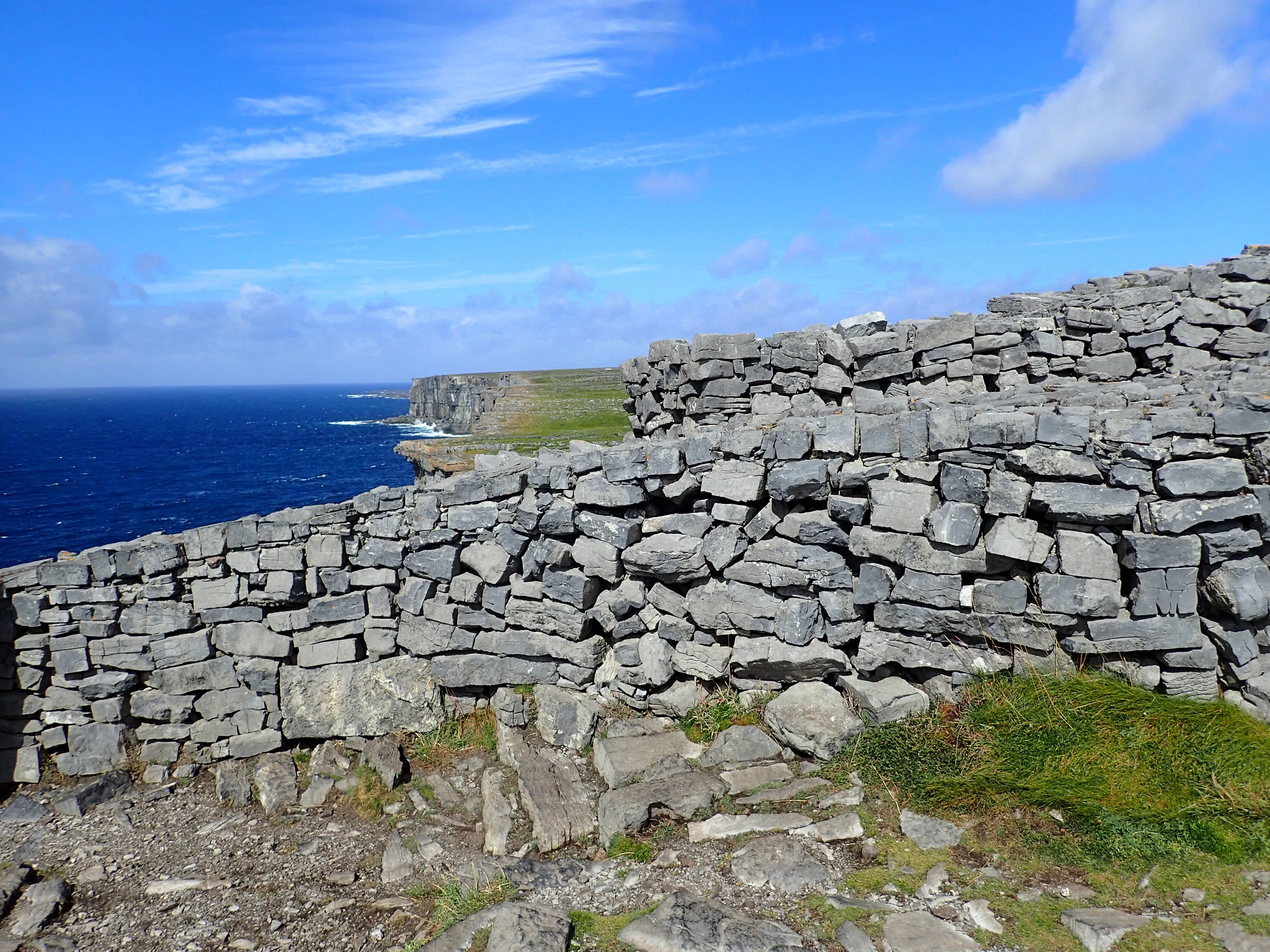
- Aran Islands Day Trip — Bronze Age cliff fort, Irish-speaking communities, and Atlantic sea views on three limestone islands
- Spanish Arch — 16th-century town wall remnant at the point where the River Corrib meets the bay
- Galway Saturday Market — Weekly market at St Nicholas' Church with Connemara food producers and craft makers
- Salthill Promenade — Three-kilometre seafront walk with the tradition of kicking the wall at its western end
- St Nicholas' Collegiate Church — Largest medieval parish church in Ireland; Christopher Columbus allegedly prayed here in 1477
- Trad Sessions — Live traditional music nightly in Tí Coilí, the Crane Bar, and Séhan Ua Neachtain
- Connemara Day Trip — Kylemore Abbey, the Twelve Bens mountains, and Gaeltacht villages west of the city
Aran Islands Day Trip
Three limestone islands where Irish is the first language and Bronze Age forts perch above 100-metre cliffs
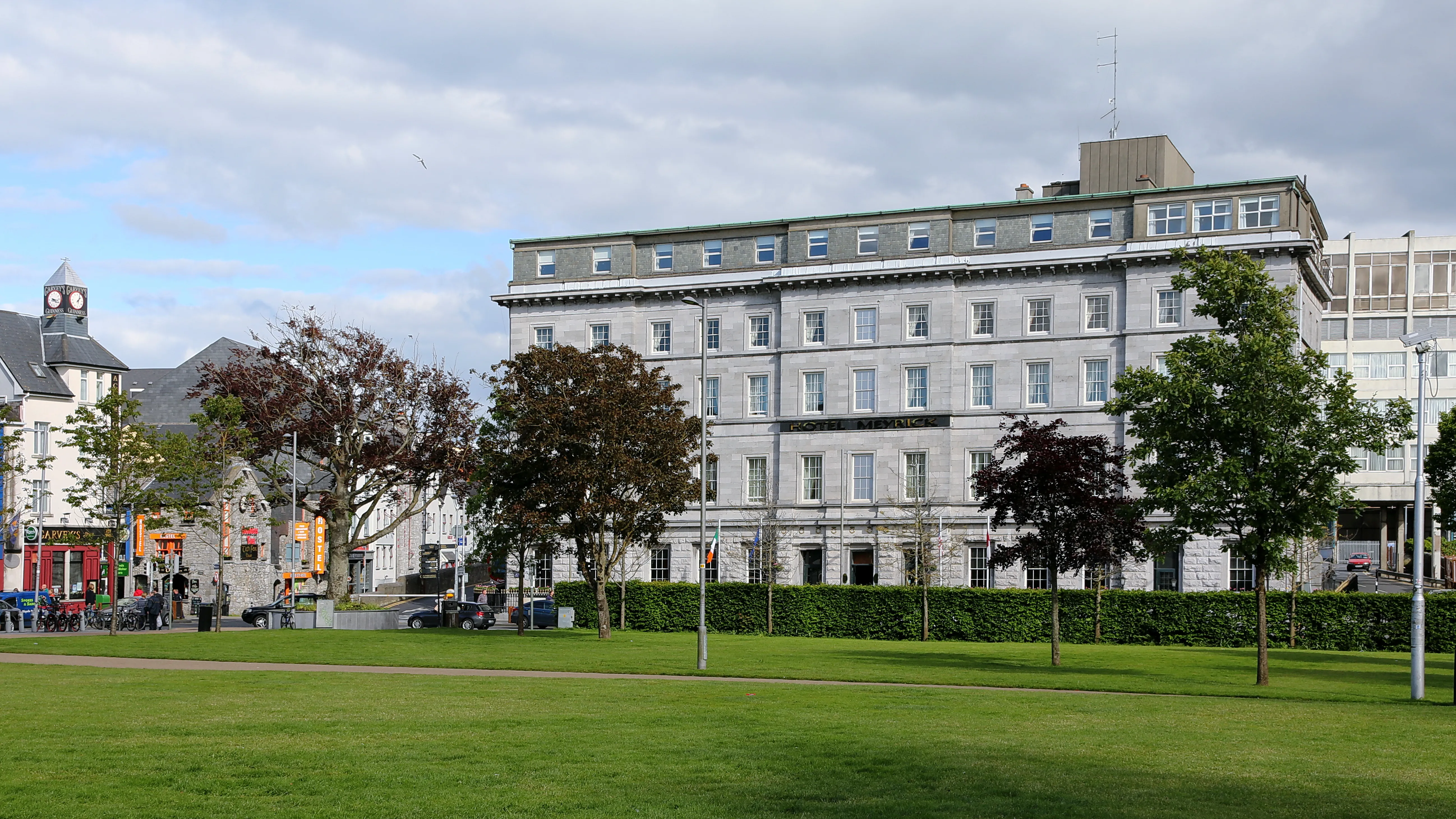
Eyre Square
Galway's beating-heart green, where fourteen tribal banners snap above the city's favourite meeting spot
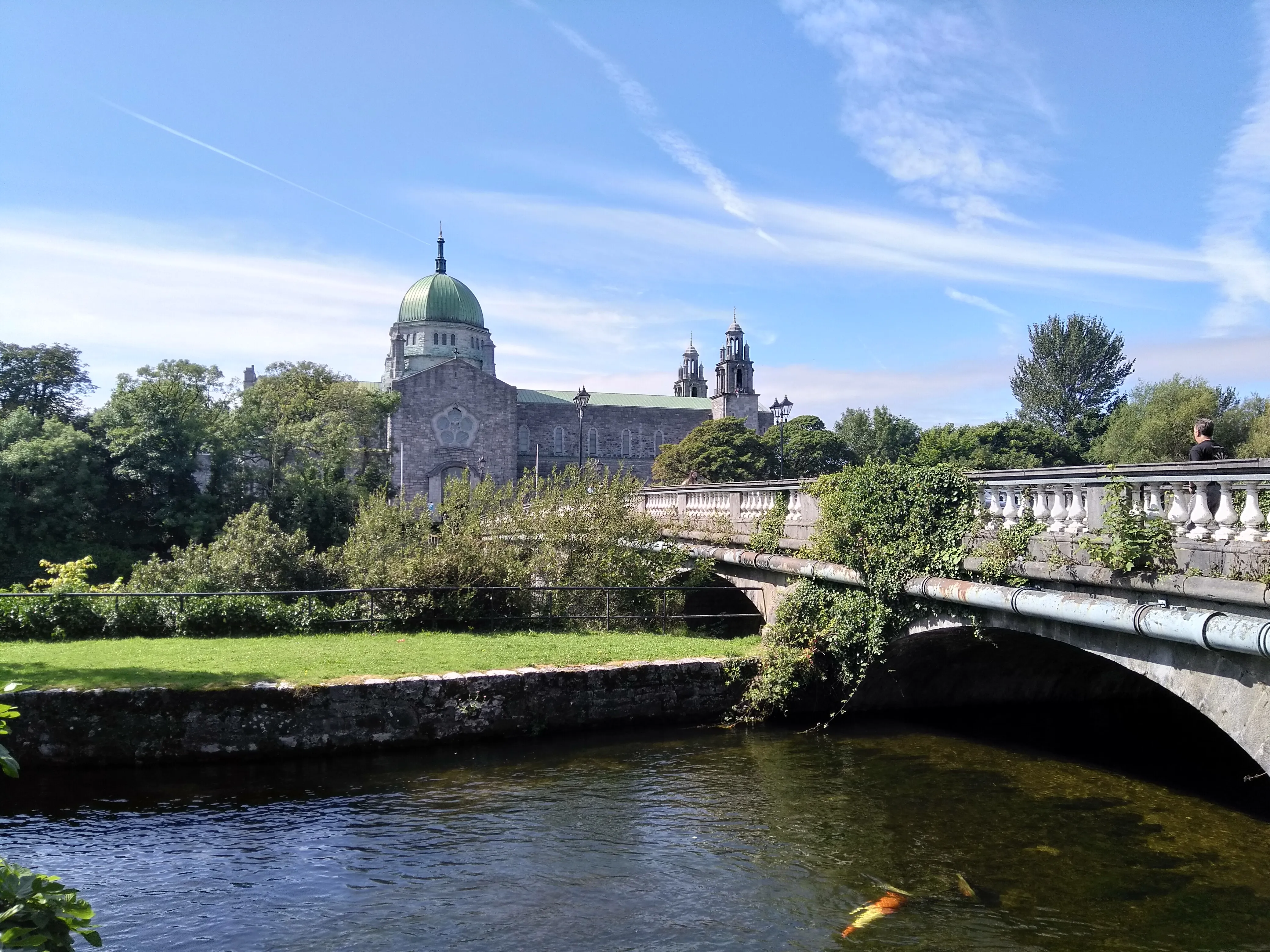
Galway Cathedral
Europe's last great stone cathedral, raised over a demolished jail beside the salmon-rich Corrib
Guide planning
How much does a tour guide cost in Galway?
Galway's guide options range from informal neighbourhood walks to specialist Connemara and islands expeditions:
| Tour Type | Price Range |
|---|---|
| City walking tour (2–3 hrs) | €15–25 per person |
| Aran Islands day trip (ferry + guide) | €40–70 per person |
| Connemara full-day tour | €55–90 per person |
| Private city guide (half-day) | €130–200 |
| Private Connemara/Aran day guide | €280–400 |
Book a Local Guide
The guides below are independent local businesses we recommend purely on editorial merit. We don't sell placement and we earn no commission when you book with them — see our booking and affiliate disclosure.
Season planner
When is the best time to visit Galway?
- June–August — Warmest and longest days; Galway Arts Festival (mid-July) and Galway Races (late July) animate the city
- May and September — Pleasant weather, manageable crowds, and the Oyster Festival in late September
- October — Quieter and atmospheric; the bay light in autumn is exceptional for photography
- Winter — Galway's trad scene is entirely genuine year-round; pubs are quieter and sessions more intimate in January
- Saturday year-round — The market at St Nicholas' is a Galway ritual worth adjusting your itinerary to catch
Spring
Mar-May
Summer
Jun-Aug
Autumn
Sep-Nov
Winter
Dec-Feb
Each score averages that season’s monthly ratings out of 5. The top-rated window is usually the peak season too, so read the guidance above for its trade-offs before you book.
On the ground
How do you get around Galway?
- Walkable centre — The Latin Quarter, Spanish Arch, and Saturday Market are all within ten minutes' walk of each other
- Bus to Salthill — City buses run regularly to the Salthill promenade along the bay, a pleasant coastal suburb
- Rossaveal shuttle — Daily shuttle buses run from Galway city to Rossaveal Pier for the ferry, the usual first leg of an Aran Islands day trip from Galway; included in many day-trip packages
- Car hire — Essential for exploring Connemara and the Burren independently; roads are narrow but well-signed
- Cycling — Galway has a growing cycle network; the Salthill and Terryland forest routes are popular leisure rides
Frequently Asked Questions
What makes Galway different from Dublin as a destination?
Where Dublin carries the weight of imperial architecture and revolutionary history, Galway wears its identity lightly — a university city of 80,000 whose streets feel permanently animated by students, musicians, and the westerly Atlantic weather that shapes everything here. The trad music scene is the most authentic and unselfconscious in Ireland: sessions in pubs like Tí Coilí, Séhan Ua Neachtain, and the Crane Bar happen because local musicians want to play together, not because tourists are watching. The Saturday Market under the shelter of St Nicholas' Collegiate Church is a genuine weekly ritual for Connemara smallholders, artisan cheesemakers, and home bakers — not a tourist market wearing local clothing. And Galway's position as the gateway to Connemara and the Aran Islands gives it an access to Gaelic-speaking Ireland that no other city can match.
How do I get to the Aran Islands from Galway?
The most direct route is Aran Island Ferries from Rossaveal Pier (45 minutes west of Galway city by shuttle bus) to Inis Mór (45 minutes) or Inis Meáin and Inis Oírr (around 90 minutes). Ferries run daily from April through October; winter crossings depend on weather. A combined bus-and-ferry day ticket from Galway city costs approximately €30–40 per person. If you are travelling from the Clare coast instead, the separate Doolin Ferry sails to all three islands from Doolin, Co. Clare. For a more scenic alternative, Aer Arann Islands operates ten-minute flights from Connemara Regional Airport to all three islands — an extraordinary way to see the limestone pavements from the air before landing on a single-strip grass runway. Book Aran Islands day trips well in advance in July and August.
What is Galway like during the arts and race festivals?
The Galway International Arts Festival (mid-July, two weeks) transforms the city with outdoor theatre, large-scale visual art installations, and performances that spill from the city's arts venues onto Eyre Square and the medieval Latin Quarter. Hotel availability drops sharply and prices double — book months in advance. The Galway Races (late July, one week) bring a different crowd: the Galway Races are as much a social event as a sporting one, with the city's pubs running at full capacity from morning. Both festivals showcase Galway at its most intensely itself — generous, chaotic, and brilliantly hospitable.