
Cork timeline
- 6th century CE
Cork begins
The patron saint of Cork, Finbarr (Fionnbarra), established a monastery on the marshy island at the Lee's fork in the 6th century CE.
-
Castle turning point
— site of the 1601 Battle of Kinsale.
-
Cathedral completed
The current Victorian Gothic cathedral (completed 1879), designed by William Burges, stands on the same ground
-
Cork turning point
Cork was at the geographic and emotional centre of the War of Independence (1919–21) and the subsequent Irish Civil War (1922–23).
-
Cork turning point
Cork was at the geographic and emotional centre of the War of Independence (1919–21) and the subsequent Irish Civil War (1922–23).
Cited city facts
Key facts for visiting Cork
The English Market has operated continuously since 1788
Surviving the Act of Union, the Great Famine, the 1920 burning of Cork by British forces (which destroyed the original market structure), and two World Wars, the English Market represents over 235 years of unbroken commercial food trading in the heart of Cork city
St Fin Barre's Cathedral stands on Cork's founding monastic site
The patron saint of Cork, Finbarr (Fionnbarra), established a monastery on the marshy island at the Lee's fork in the 6th century CE. The current Victorian Gothic cathedral (completed 1879), designed by William Burges, stands on the same ground — its golden angel weather vane is the city's most distinctive skyline feature
Cork Harbour is one of the largest natural harbours in the world
At 1,000 square kilometres, Cork Harbour (including the outer harbour) is among the dozen largest natural harbours on Earth. The harbour town of Cobh (Cove) was the last port of call for the RMS Titanic in 1912 and the departure point for millions of Irish emigrants during the Famine years
Cork produces more butter per capita than any other city in Europe
The Cork Butter Exchange (1769–1924) was the largest butter market in the world at its peak, handling 500,000 firkins annually from dairy farms across Munster. The Shandon Butter Museum preserves this history — and Cork's food identity remains deeply shaped by its dairy heritage
Source: tour-guide.com — Free to cite with attribution
Things to see
What are the top attractions in Cork?
- English Market — 235-year-old covered food hall and the beating heart of Cork city; visit Tuesday–Saturday at its fullest
- St Fin Barre's Cathedral — Victorian Gothic cathedral on Cork's 6th-century monastic foundation; the golden angel weather vane defines the skyline
- Shandon Bells — 18th-century church tower whose bells visitors can ring; The Bells of Shandon is Cork's unofficial anthem
- Cork Butter Museum — The story of the Butter Exchange that was the world's largest butter market; free and excellent
- Blarney Castle — 15th-century tower house with extensive wooded grounds, 8 km from the city
- Kinsale — Harbour town where the Battle of Kinsale (1601) changed Irish history; outstanding seafood restaurants
- Cobh — The last port of call for the Titanic; a poignant emigration museum on Cork Harbour
Guide planning
How much does a tour guide cost in Cork?
Cork offers a range of guided experiences from compact city walks to West Cork day excursions:
| Tour Type | Price Range |
|---|---|
| City walking tour (2–3 hrs) | €15–25 per person |
| English Market food tour (2 hrs) | €30–50 per person |
| Kinsale or Blarney day trip | €45–75 per person |
| Private city guide (half-day) | €140–210 |
| Private West Cork day guide | €280–420 |
Season planner
When is the best time to visit Cork?
- May–September — Warmest and brightest; Kinsale and the coastal roads are at their most rewarding
- English Market year-round — Open Monday–Saturday regardless of season; Christmas week is particularly atmospheric
- Jazz Festival (late October) — The Cork Jazz Festival is one of Ireland's biggest music events; hotels fill weeks in advance
- Winter — Fewer tourists, lower prices, and Cork's pub and restaurant scene is as vibrant in January as in August
Spring
Mar-May
Summer
Jun-Aug
Autumn
Sep-Nov
Winter
Dec-Feb
Each score averages that season’s monthly ratings out of 5. The top-rated window is usually the peak season too, so read the guidance above for its trade-offs before you book.
On the ground
How do you get around Cork?
- Compact city centre — Cork's main attractions are within comfortable walking distance of each other on the island
- Bus Éireann — Regular services to Cobh (30 mins), Blarney (25 mins), and Kinsale (50 mins) from Parnell Place bus station
- Cycling — The Lee Fields riverside cycle path is a pleasant alternative to city streets
- Car — Recommended for West Cork exploration; the road west to Clonakilty and Skibbereen requires your own transport
Frequently Asked Questions
What is Cork's English Market and why is it famous?
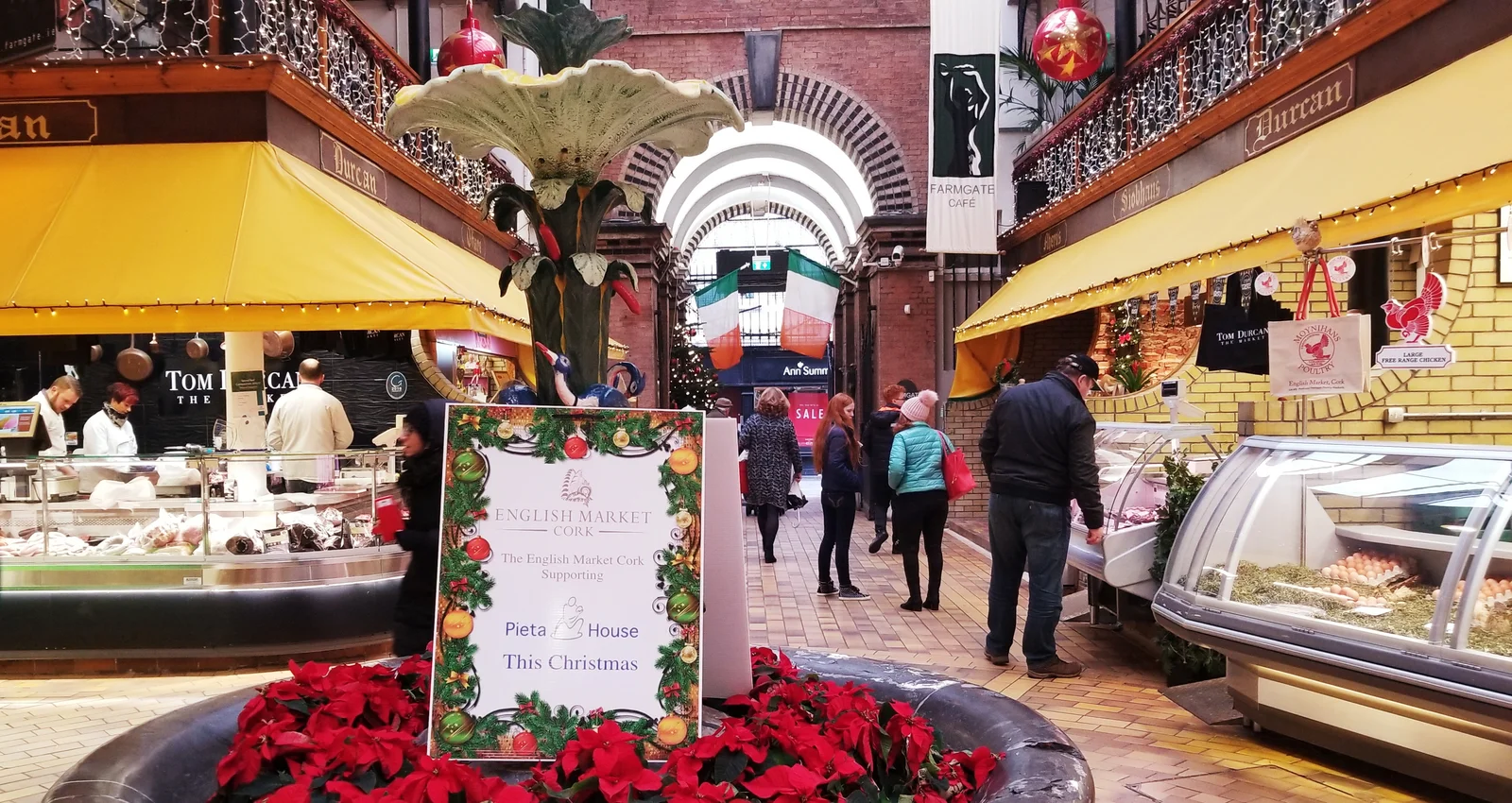
The English Market — officially the Cork City Market — is a covered Victorian food hall on the Grand Parade that has operated continuously since 1788, surviving fire, rebellion, economic collapse, and the Great Famine to become Ireland's most celebrated food market and one of the finest in Europe. Its arched iron-and-glass roof shelters over 140 stalls selling tripe and drisheen (Cork's traditional offal dishes), locally smoked fish from the West Cork smokeries, farmhouse cheeses, artisan bread, and the full range of Cork's extraordinarily deep food culture. Queen Elizabeth II visited during her 2011 state visit to Ireland — a moment that carried enormous symbolic weight in a city that considers itself the rebel capital of Irish culture and politics. The market is best visited Tuesday through Saturday when trading is at its fullest.
Is Blarney Castle worth visiting from Cork?
Blarney Castle, 8 kilometres northwest of the city, is Ireland's third most visited heritage site and carries the obvious risks of that popularity in summer — significant queues to kiss the Blarney Stone (which requires lying on your back and leaning over a parapet drop) and a heavily commercialised surrounding village. But the castle itself, a 15th-century tower house with extensive wooded grounds including a Poison Garden and the Druid's Glen, is genuinely impressive, and a licensed guide can decode its history — including the Blarney woollen mills that made the town wealthy and the origin of the word blarney (persuasive but ultimately empty flattery). Kinsale, 25 kilometres south, offers a more satisfying alternative: a beautifully preserved harbour town where the Battle of Kinsale (1601) marked the decisive end of Gaelic Ireland, surrounded by exceptional seafood restaurants and the intact star fort of Charles Fort.
What is Cork's connection to Ireland's independence movement?
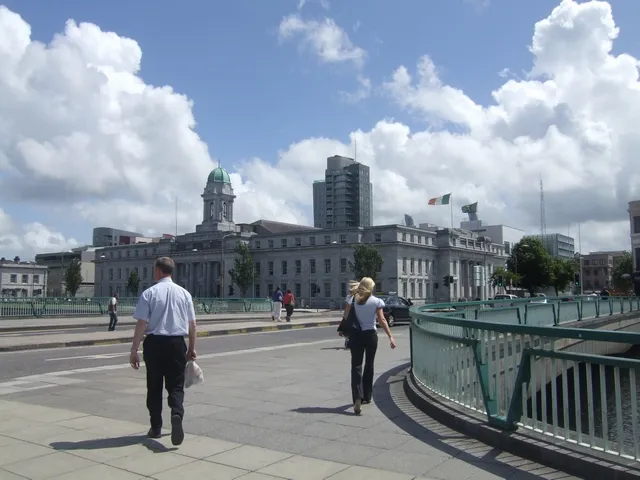
Cork was at the geographic and emotional centre of the War of Independence (1919–21) and the subsequent Irish Civil War (1922–23). The Lord Mayor of Cork, Tomás Mac Curtain, was assassinated by the Royal Irish Constabulary in his own home in 1920; his successor, Terence MacSwiney, died on hunger strike in Brixton Prison after 74 days. The burning of Cork city centre by British forces (the Black and Tans) in December 1920 — which destroyed the original English Market and much of Patrick Street — left a scar that Cork people still reference as the burning. A walking tour of Cork's independence heritage, connecting City Hall, St Finbarr's Cemetery, and the Beamish & Crawford brewery district, is one of the most emotionally engaged history walks available anywhere in Ireland.