
Country guide
What makes Indonesia a must-visit destination?
Indonesia defies the singular — it is less one country than a civilizational archipelago, where Javanese Buddhism, Balinese Hinduism, coastal Islam, and Dayak animism each produced distinct art, architecture, and ritual that still function as living culture rather than heritage display. The national motto, Bhinneka Tunggal Ika — "unity in diversity" — holds more than 300 ethnic groups and over 700 living languages under a single flag, making this one of the most culturally plural nations on earth.
That plurality has deep historical roots. From the 7th century the Buddhist maritime empire of Srivijaya controlled the Strait of Malacca and the spice routes linking India and China; on Java, the Sailendra dynasty raised Borobudur while the rival Sanjaya line built the Hindu Prambanan. By 1293 the Majapahit empire had drawn Java, Bali, and much of maritime Southeast Asia into a single cultural frame still invoked in national identity today.
European contact reshaped the islands. The Dutch East India Company (VOC) built its capital at Batavia in 1619, and three centuries of colonial rule bound the archipelago into the Netherlands East Indies before Sukarno proclaimed independence in 1945. The founding ideology of Pancasila — five principles balancing belief, humanity, unity, democracy, and social justice — was crafted to hold a vast, plural nation together, and the Reformasi movement of 1998 reopened its politics after decades of authoritarian rule.
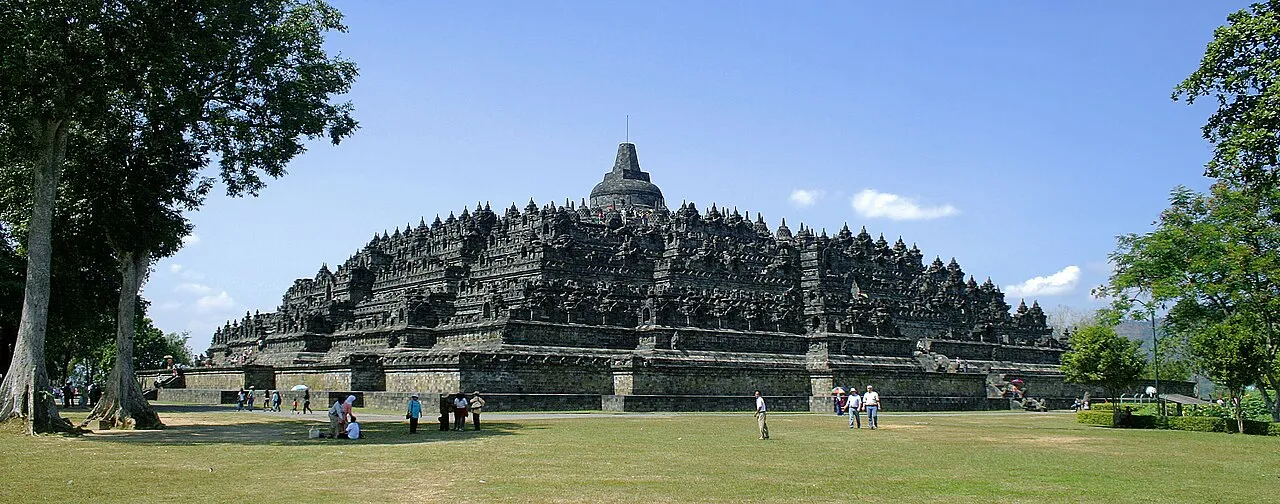
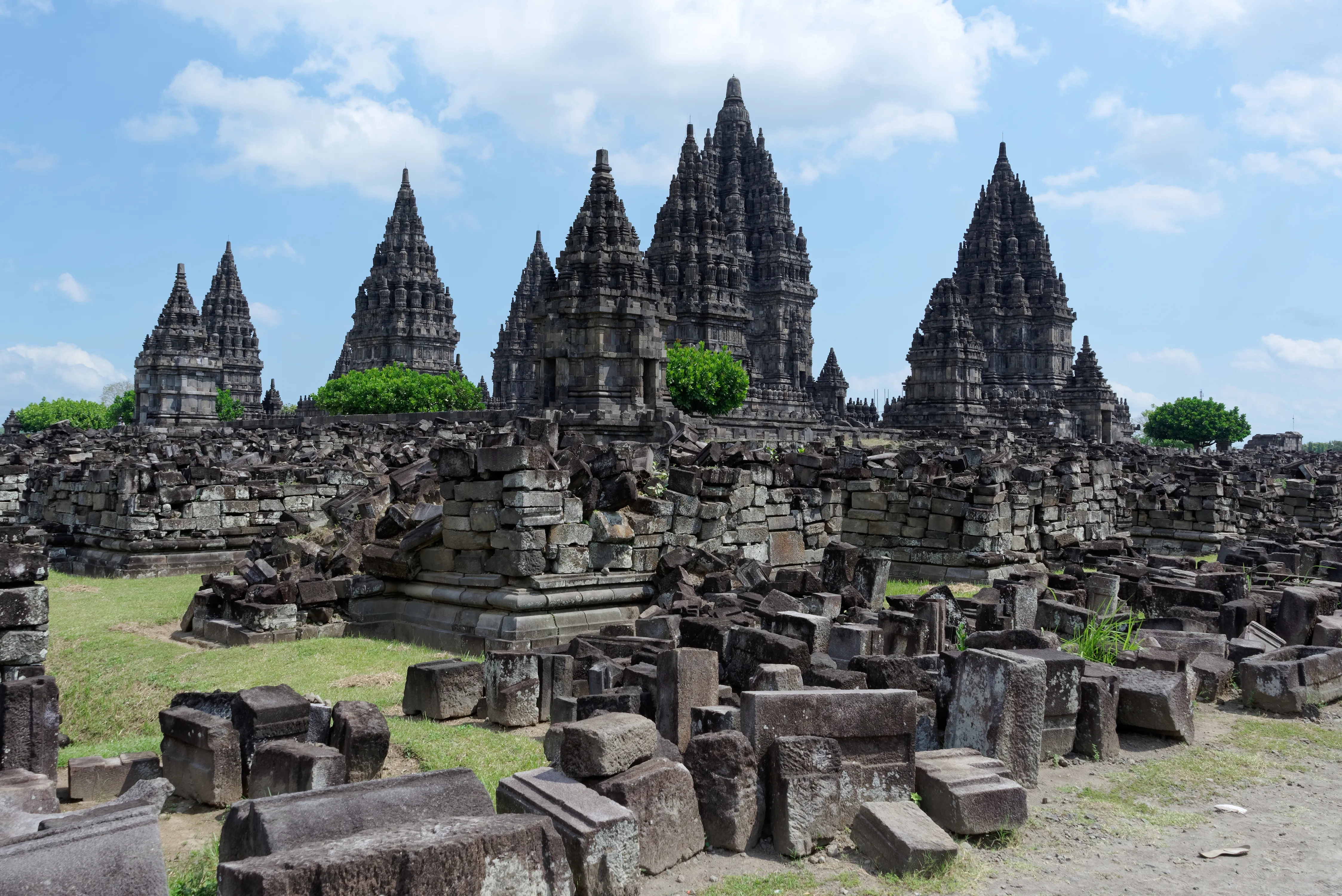
Java holds the country's two greatest archaeological achievements: Borobudur, the world's largest Buddhist temple and a 9th-century stone encyclopedia of Buddhist cosmology; and Prambanan, a Shiva-dedicated Hindu compound whose 47-metre central tower was restored from earthquake rubble. The city of Yogyakarta remains an active Sultanate — the only royal court in Indonesia with constitutional authority — where batik, wayang puppetry, and gamelan have been practised for over 270 years.
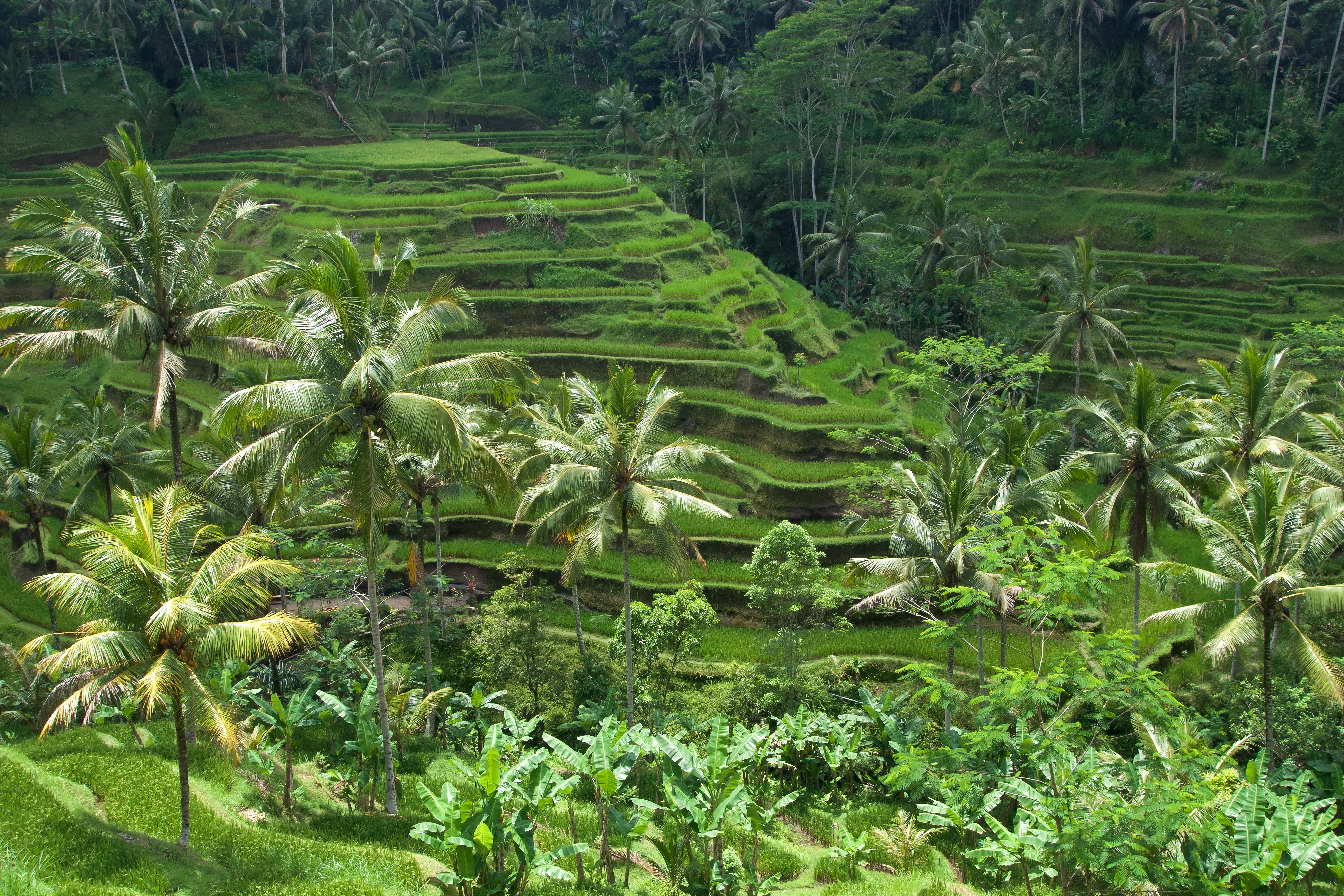
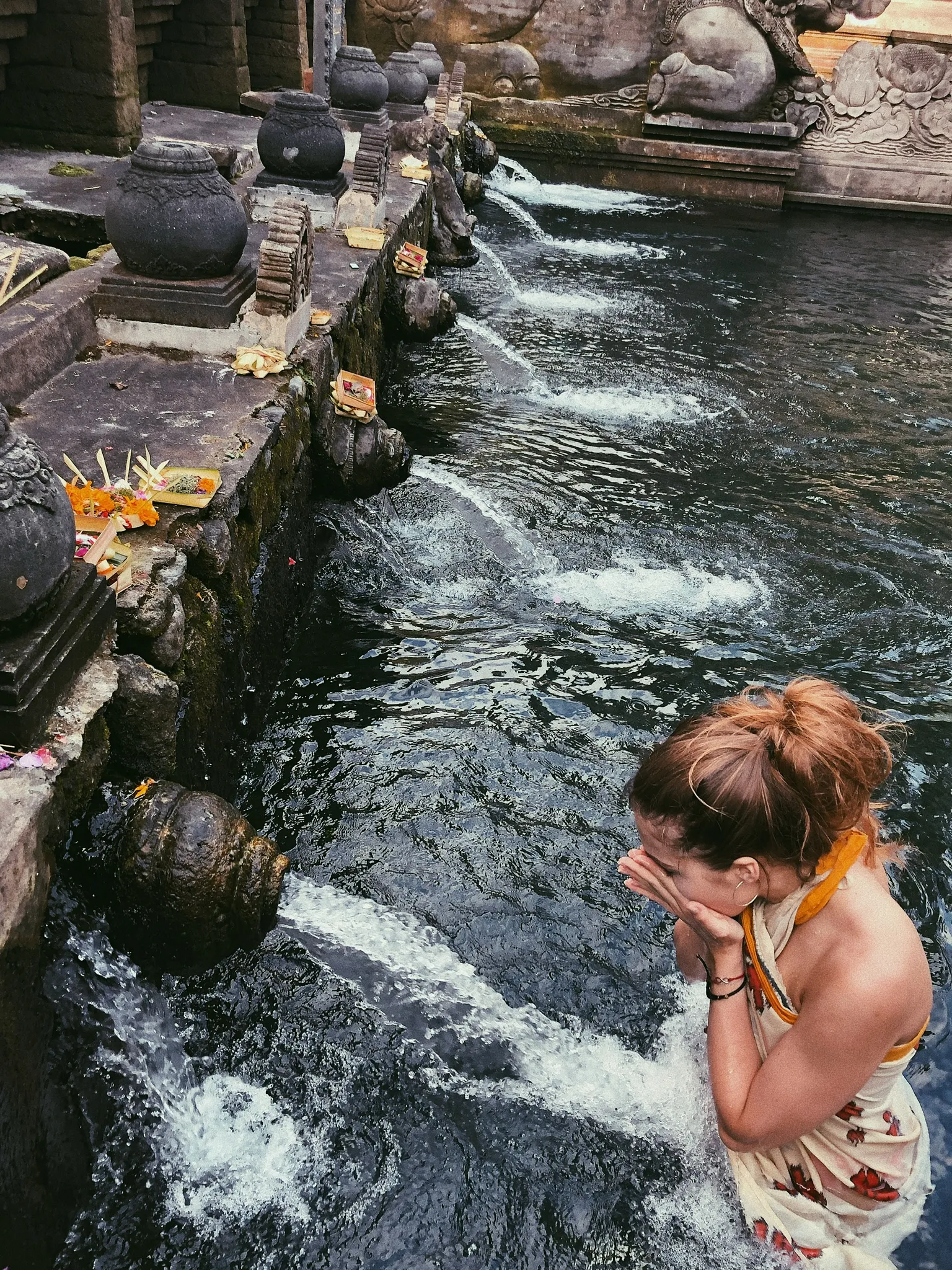
Bali operates on its own cosmological calendar. The island's overwhelmingly Hindu population conducts ceremonies and ritual offerings with no equivalent elsewhere in Indonesia. The UNESCO-recognised Subak irrigation system — a cooperative network of water temples and rice paddies visible at Tegallalang — has shaped the terraced landscape for over a thousand years. At Tirta Empul, Balinese Hindus still bathe in a spring consecrated in the 10th century.
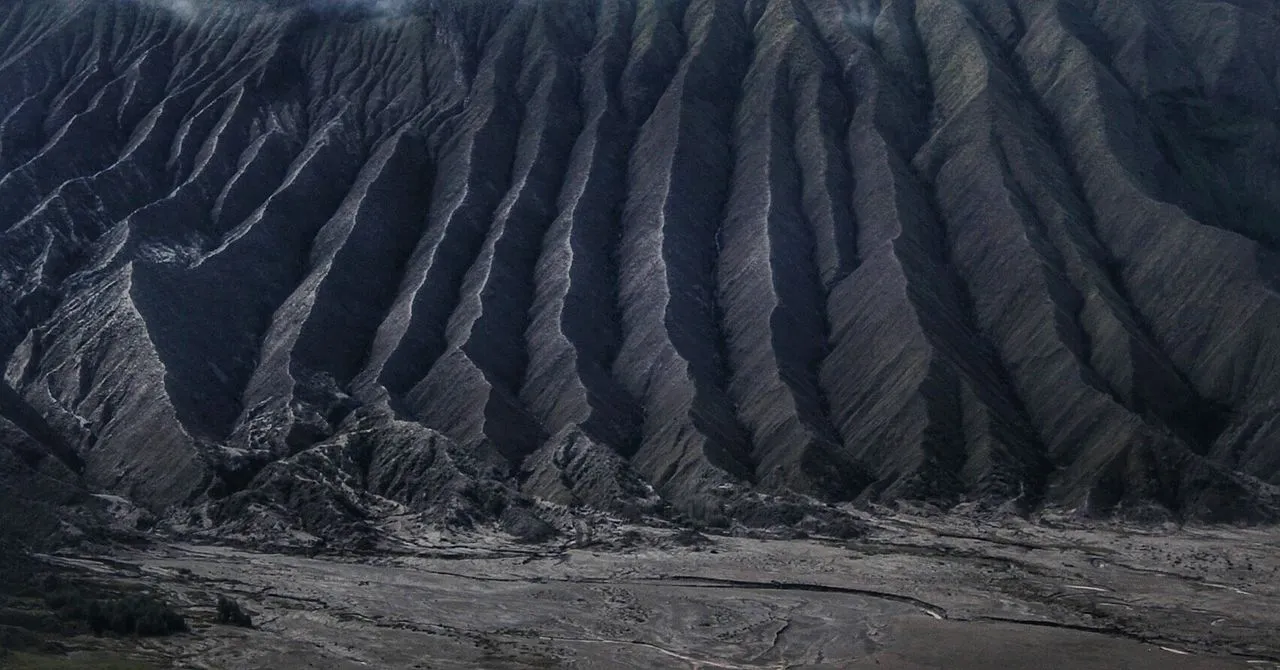
Between these cultural anchors lies a country of extraordinary natural variation: Borneo rainforests sheltering orangutans, the savannah of Komodo where monitor lizards grow to three metres, coral reefs across the Banda Sea, and volcanic peaks rising from the Pacific Ring of Fire. Indonesia sits on more active volcanoes than any nation on earth. A local guide here is not simply useful — across islands this diverse, it is the difference between tourism and understanding.
- Language
- Indonesian Widely spoken across Indonesia
- Currency
- Rupiah (Rp) Legal tender across Indonesia
- Time zone
- UTC+7 to +9 Local time in Indonesia
- Power plugs
- Types C, F · 230V Sockets used across Indonesia
- Getting around
- Domestic flights & ferries Getting between Indonesia's cities
- Best months
- Apr, May, Jun, Jul, Aug, Sep, Oct Averaged across Indonesia's city ratings
Indonesia timeline
- 8th century
Borobudur rises
The great Buddhist monument anchors Java and Indonesia's deep religious heritage.
-
Majapahit era begins
The empire connected Java, Bali, and maritime Southeast Asia in a lasting cultural frame.
-
Batavia founded
The Dutch East India Company base became the colonial layer beneath modern Jakarta.
-
Independence proclaimed
Modern Indonesia declared independence, giving Jakarta and national monuments their context.
-
Reformasi begins
Political reform changed public life and the way contemporary Indonesia is interpreted.
-
Indian Ocean tsunami
The disaster and recovery changed Aceh and national conversations about resilience.
Indonesia in Pictures
Local context
Culture and travel signals
Indonesia comprises more than 17,500 islands spanning three time zones
Approximately 6,000 of Indonesia's islands are inhabited; the five main islands — Sumatra, Java, Kalimantan, Sulawesi, and Papua — account for over 90% of the total land area; Java alone, with well over 140 million people, is the most densely populated island on earth and contains the cultural heartland of Borobudur and Prambanan
Indonesia is home to more active volcanoes than any other country on earth
The archipelago sits on the Pacific Ring of Fire; Mount Merapi near Yogyakarta has erupted more than 68 times in recorded history and remains one of the most active and closely monitored volcanoes in the world; volcanic soil from centuries of eruptions has made Java and Bali exceptionally fertile, directly sustaining the rice-farming culture that built the Subak irrigation system now recognized as UNESCO World Heritage
Over 300 ethnic groups speak more than 700 living languages across Indonesia
The national motto Bhinneka Tunggal Ika — "unity in diversity" — binds this plurality under one flag and one official language, Bahasa Indonesia; Javanese, Sundanese, and Balinese are among the largest regional tongues, and the cultural distance between Hindu Bali, Sultanate Java, Muslim Sumatra, and animist Dayak Borneo makes Indonesia one of the most culturally varied nations on earth
Bali is home to thousands of Hindu temples and holds daily religious ceremonies
Despite Indonesia being the world's most populous Muslim-majority country, Bali's population is overwhelmingly Hindu — a living Balinese Hindu tradition that infuses daily life with temple offerings, processions, and ceremonies visible on every street corner; the density of active temples means virtually every neighbourhood celebrates a temple anniversary (odalan) every 210 days in the Balinese calendar
Borobudur was built with roughly 2 million stone blocks across nine stacked platforms
The 8th–9th century Sailendra dynasty temple contains 2,672 relief panels and 504 Buddha statues; it was buried under volcanic ash and jungle for nearly 1,000 years before its rediscovery was set in motion under British Lieutenant-Governor Sir Thomas Stamford Raffles in 1814; a UNESCO-led restoration from 1975 to 1983 dismantled and re-assembled the structure using the original stones
Bali's Subak irrigation landscape was inscribed as a UNESCO World Heritage Site in 2012
For over a thousand years the Subak — a cooperative network of water temples, canals, and farming associations — has distributed water from the volcanic highlands to terraced paddies without mechanical pumps; UNESCO recognised it as a living expression of the Balinese philosophy of Tri Hita Karana (harmony between people, nature, and the divine), the system still visible in the valleys at Tegallalang
Source: tour-guide.com — Free to cite with attribution
Season planner
A year in Indonesia
Use this best time to visit snapshot as a country-wide average, then check the city guides for local timing.
Mar-May
Spring
Spring holds up well for guided travel in Indonesia, averaging Mar-May (4/5).
Jun-Aug
Summer
Summer is Indonesia's strongest guide window — Jun-Aug (5/5) across its cities.
Sep-Nov
Autumn
Autumn holds up well for guided travel in Indonesia, averaging Sep-Nov (4/5).
Dec-Feb
Winter
Winter stays workable in Indonesia at Dec-Feb (3/5), so lean on city-by-city timing.
Where should you go in Indonesia?
Indonesia's cultural tourism gravitates to two very different centres — the Hindu island of Bali and the Javanese royal city of Yogyakarta — each a gateway to a distinct strand of the archipelago's heritage and the two destinations where its finest guides are concentrated.
Bali — Island of the Gods
Bali is Indonesia's cultural flagship — a Hindu island in the world's largest Muslim-majority country, where temple ceremonies, rice-terrace walks, and artisan craft villages form the texture of daily life. The cultural heartland centres on Ubud, surrounded by Tegallalang's terraced rice paddies, the Sacred Monkey Forest of Mandala Wisata Wenara Wana, and the holy spring temple of Tirta Empul. Beyond Ubud lie the cliff temples of Uluwatu and Tanah Lot and the volcano country around Mount Batur.
Yogyakarta — The Sultan's City
Yogyakarta — known to Indonesians simply as Jogja — is Java's cultural capital: an active Sultanate ringed by two of the world's greatest ancient monuments. Borobudur, 45 km west, is the largest Buddhist temple on earth; Prambanan, 17 km east, is Indonesia's finest Hindu compound; and the Kraton palace at the centre has housed an unbroken royal lineage since 1755. The city briefly served as the republic's wartime capital from 1946 to 1949.
Must-see attractions across Indonesia
Jump past the planning and straight to what makes Indonesia memorable, city by city. A guided visit is where the specifics click into place.
What do visitors need to know about Indonesia?
Finding a Guide
- Licensed Borobudur guides — the Balai Konservasi Borobudur (BKB) maintains a register of certified guides at the temple entrance; licensed guides are mandatory for the restricted sunrise platform
- Bali certified guides — the Indonesian Tour Guide Association (HPI) certifies guides in Bali; reputable agencies in Ubud and Seminyak maintain rosters with language specialisations
- Hotel concierge — major hotels in both Bali and Yogyakarta offer reliable guide connections with vetted transport for day trips to major sites
- GetYourGuide and Viator — useful for comparing group and private options with English-language reviews; filter by specific sites
Typical Costs
| Tour Type | Price Range |
|---|---|
| Bali cultural day tour (private) | IDR 600,000–1,200,000 (USD 40–75) |
| Borobudur certified guide | IDR 150,000–300,000 (USD 10–20) |
| Borobudur + Prambanan full-day guide | IDR 600,000–1,200,000 (USD 40–75) |
| Ubud area half-day guide | IDR 400,000–800,000 (USD 25–50) |
| Specialist academic guide (full day) | IDR 1,200,000–2,000,000 (USD 75–125) |
Must-See Experiences
- Borobudur — sunrise on the world's largest Buddhist temple
- Prambanan — Indonesia's most spectacular Hindu temple compound
- Tegallalang Rice Terraces — Bali's iconic UNESCO Subak terraced landscape
- Tirta Empul Temple — join a Balinese purification ceremony at a 10th-century holy spring
- Sacred Monkey Forest Ubud — sacred macaque sanctuary with 14th-century Hindu temples
- Kraton Yogyakarta — an active royal palace where Javanese court culture still breathes
Getting Around the Archipelago
- Domestic flights — the practical way to cross the islands; Garuda Indonesia, Lion Air, and Citilink connect Jakarta, Denpasar (Bali), and Yogyakarta in one to two hours
- Bali ↔ Yogyakarta — there is no train or road link between the islands; the quick connection is a 1.5-hour flight between Denpasar and Yogyakarta International Airport
- Java's railways — a comfortable, scenic executive-class network links Jakarta, Yogyakarta, and Surabaya; the Jakarta–Yogyakarta run takes roughly seven hours
- Within each region — hire a car with driver for temple circuits in both Bali and Yogyakarta; neither has visitor-friendly public transit outside the main corridors
Tips for Visitors
- Visa — citizens of most countries receive a free 30-day visa on arrival; the B211A visa extension allows up to 60 additional days; confirm your nationality's current status before travel
- Currency — Indonesian Rupiah (IDR/Rp); ATMs are widely available in Bali and Yogyakarta; carry small bills for temple entrance fees and local markets
- Dress code — a sarong and sash are required at all Hindu temples in Bali; most temples loan them at the entrance or sell them cheaply at gate vendors
- Rainy season — November through March brings heavy afternoon rain; plan outdoor sites and rice terrace walks before noon
- Mount Merapi — the active volcano near Yogyakarta is monitored 24 hours by BPPTKG; check alert levels before booking a Merapi trekking tour
- Bargaining — expected at markets (Malioboro Street in Yogyakarta, Ubud Art Market in Bali); not appropriate at fixed-price restaurants or government sites
Frequently Asked Questions
When is the best time to visit Indonesia?
Indonesia's dry season runs from April through October, when rainfall is minimal, skies are reliably clear, and outdoor activities from temple exploration to trekking are most enjoyable. Bali's peak months are July and August — beautiful weather but accommodation prices surge and Borobudur's sunrise platforms are crowded. The shoulder months of April–May and September–October offer the same dry conditions with notably thinner crowds.
The wet season from November through March brings daily afternoon downpours, particularly heavy in Java and Bali; temple complexes like Borobudur and Prambanan remain accessible but rice terraces in Bali reach their most vivid green. A knowledgeable guide can structure itineraries around the monsoon patterns specific to each island.
How much does a local tour guide cost in Indonesia?
Indonesia offers outstanding guide value across a wide price spectrum. In Bali, private cultural guides for Ubud's temples, rice terraces, and artisan villages charge IDR 400,000–800,000 (USD 25–50) per half day. A certified Borobudur guide — mandatory for accessing the restricted sunrise platform — costs IDR 150,000–300,000 (USD 10–20) for a two-hour tour.
Full-day private guides covering both Borobudur and Prambanan in a single day run IDR 600,000–1,200,000 (USD 40–75). Specialist English-speaking guides with academic backgrounds in Javanese archaeology or Balinese Hinduism charge IDR 1,200,000–2,000,000 (USD 75–125) per day and transform abstract temple iconography into comprehensible historical narrative.
Is Indonesia safe for independent travellers?
The main tourist regions of Bali, Yogyakarta, and Lombok are generally safe, with petty theft in crowded markets and tourist areas the primary concern. The greater challenge is navigating Indonesia's extraordinary cultural and linguistic complexity independently — the country spans over 300 distinct ethnic groups, and temple ceremonies, local customs, and sacred site protocols vary significantly between islands.
At active religious sites like Tirta Empul, where Balinese Hindus perform the melukat purification ritual, a guide ensures visitors participate with appropriate respect and understanding. Indonesia's road conditions outside major cities are variable, and a guide with reliable transport eliminates the logistical uncertainty that consumes independent travellers' time.
What cultural etiquette should visitors know in Indonesia?
Indonesia rewards modest, attentive guests. At every Balinese Hindu temple a sarong and sash are required, and most sites lend or sell them at the gate; cover your shoulders and knees at mosques and temples across the archipelago. Use your right hand to give, receive, or eat, keep public displays of affection restrained, and remove your shoes before entering homes and prayer halls.
During ceremonies, never stand or walk in front of kneeling worshippers or point your camera into their faces, and stay below the height of a priest conducting a rite. By long-standing custom some Balinese temples ask that people who are bleeding, including menstruating women, not enter. A guide reads these unwritten rules in real time, so you can join a living ritual — not merely watch it — with confidence and respect.