
Bali timeline
- 9th century
Early Balinese inscriptions
Stone and copperplate records show organized Balinese kingdoms, irrigation, and religious life taking shape.
-
Majapahit influence arrives
Javanese conquest and migration helped shape the Hindu court culture visitors associate with Bali today.
-
Dutch conquest reaches the south
The puputan at Badung marked a traumatic colonial turning point still remembered in Balinese history.
-
Bali joins independent Indonesia
Dutch recognition of Indonesian sovereignty placed Bali inside the modern republic.
-
Subak landscape listed
UNESCO recognized the temple-led irrigation system that links rice terraces, water management, and ritual.
Cited city facts
Key facts for visiting Bali
Bali's population is approximately 83% Hindu — unique in Indonesia
While Indonesia is the world's most populous Muslim-majority country, Bali's Balinese Hindu tradition has continued unbroken for over a thousand years; this cultural singularity means Bali operates on its own ceremonial calendar (the 210-day Pawukon cycle), conducts daily offerings (canang sari) visible on every doorstep, and holds community cremation ceremonies (ngaben) that can draw hundreds of villagers in ceremonial dress
UNESCO recognised Bali's Subak rice irrigation system in 2012
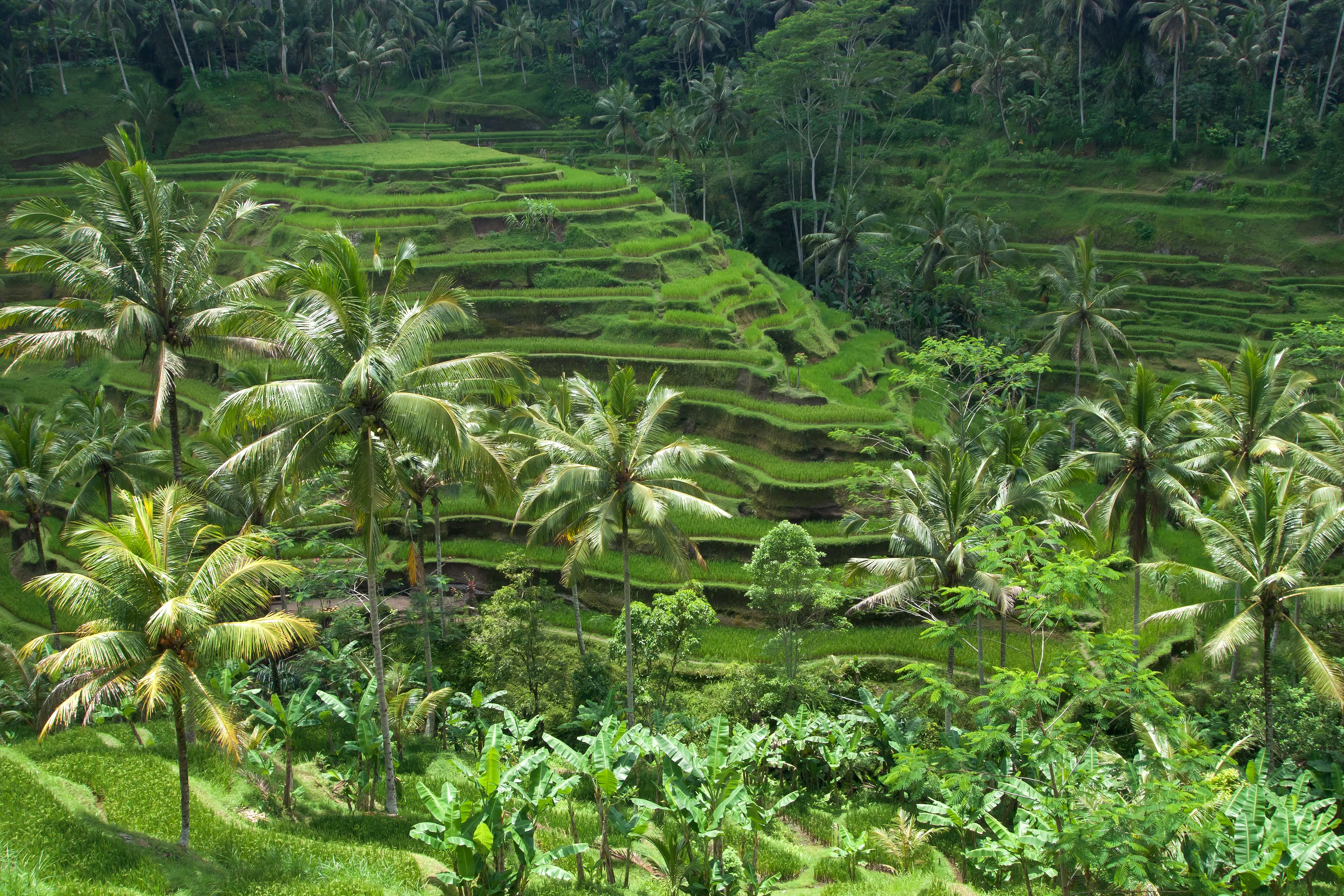
The Subak system — a network of water temples, canals, and cooperative farming associations that has coordinated Bali's rice paddies since the 9th century — was inscribed as a UNESCO Cultural Landscape; the irrigation temples at Pura Ulun Danu Batur regulate water flow to terraced paddies across the entire island, including the famous Tegallalang terraces
Ubud has over 200 traditional dance and music performances weekly
Kecak fire dance, Legong court dance, Barong and Keris drama, and full gamelan orchestral performances occur every evening across Ubud's temple stages; the density of live traditional performing arts in a single town is unmatched in Southeast Asia, and a knowledgeable guide distinguishes authentic ceremonial performances from tourist-only shows
Source: tour-guide.com — Free to cite with attribution
Things to see
What are the top attractions in Bali?
- Tegallalang Rice Terraces — Bali's most iconic landscape: UNESCO Subak terraced paddies carved into a volcanic river valley 20 km north of Ubud
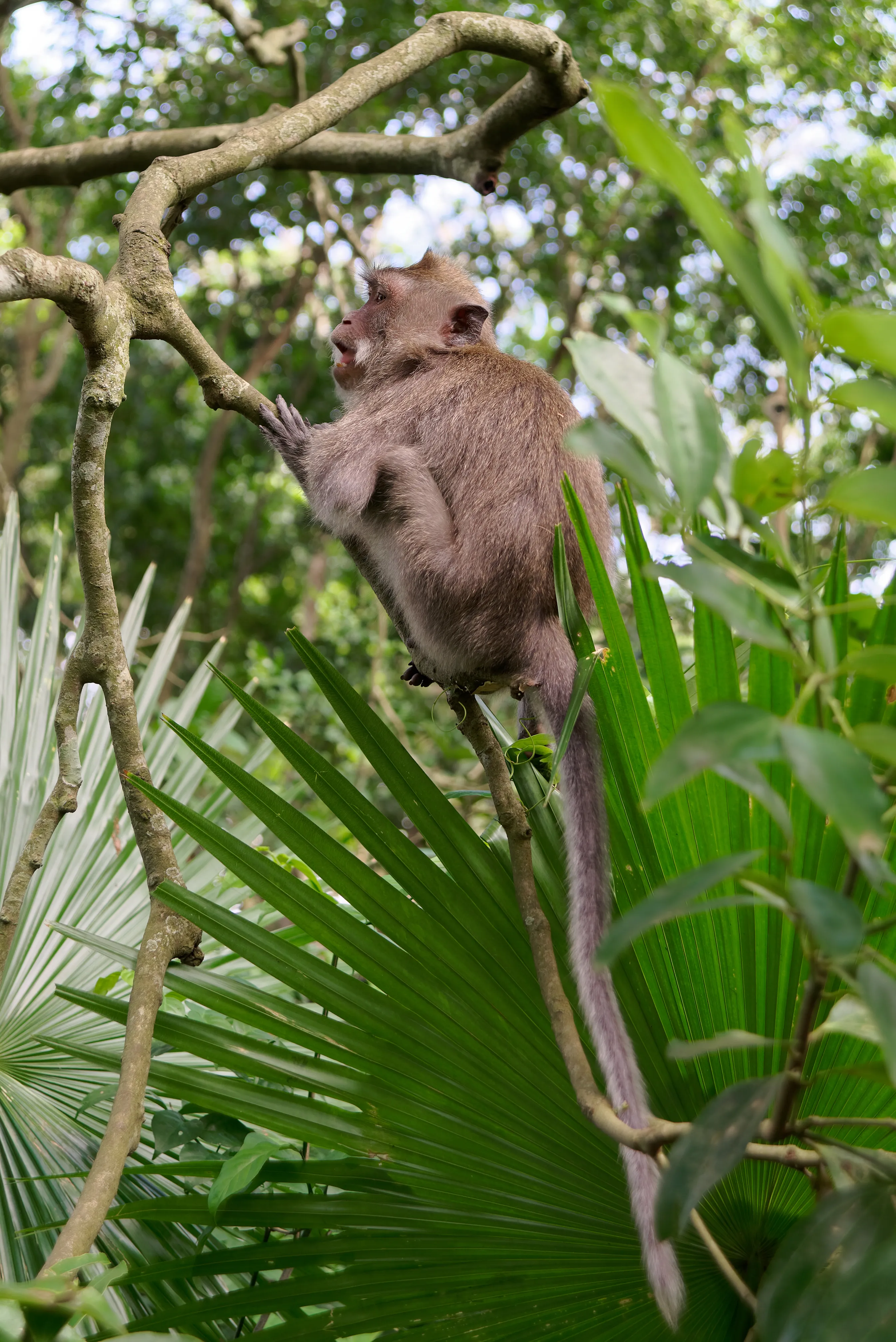
- Sacred Monkey Forest Ubud — 12 hectares of forest sanctuary sheltering 700 macaques and three 14th-century Hindu temples
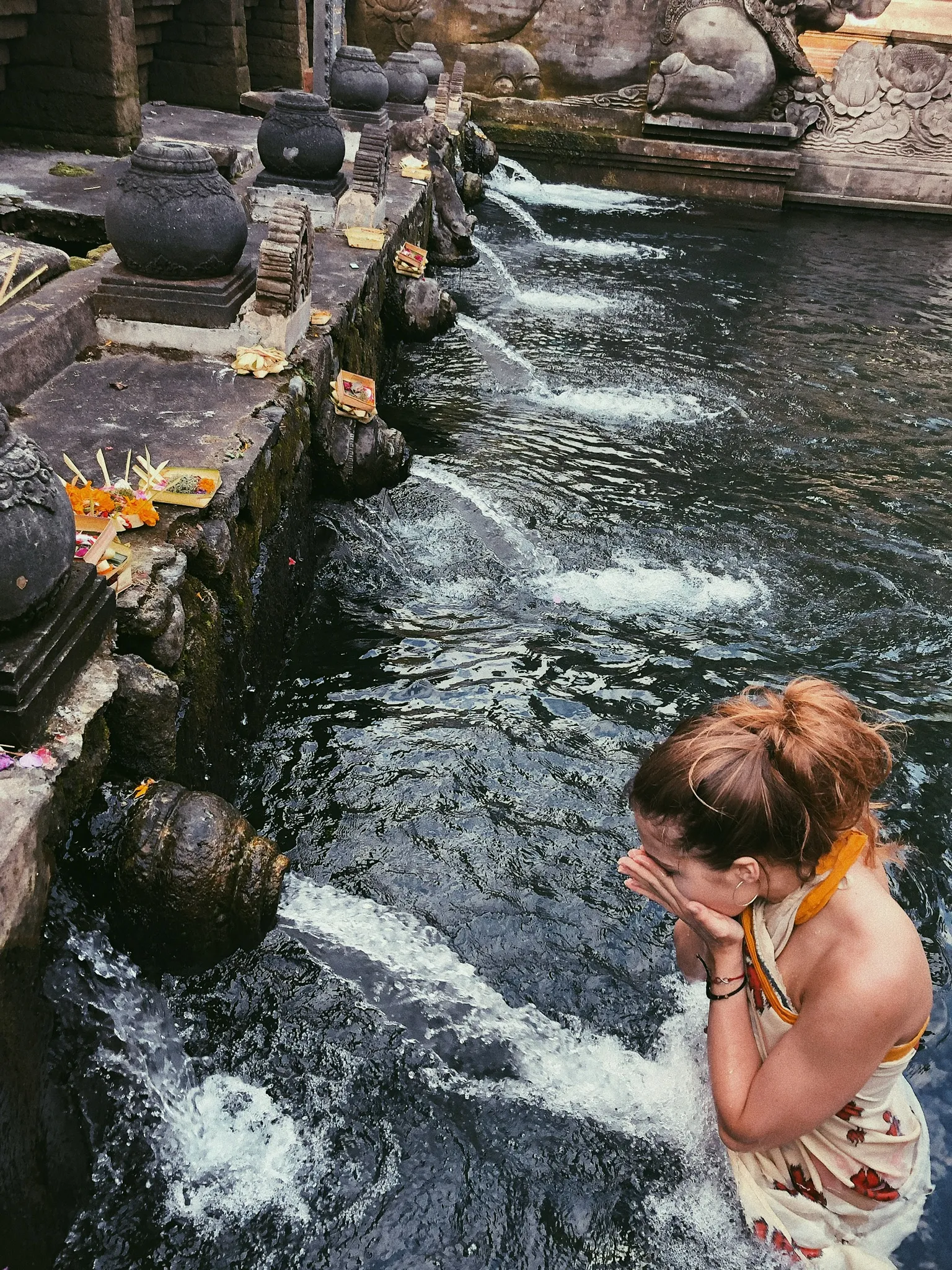
- Tirta Empul Temple — a 10th-century holy spring temple where visitors can participate in the Balinese melukat purification ritual
- Pura Tanah Lot — a sea temple on a rocky offshore island, most photographed at sunset from the coastal clifftop
- Pura Uluwatu — cliff-edge temple 70 metres above the Indian Ocean, with evening Kecak fire dance performances on the promontory
- Goa Gajah (Elephant Cave) — an 11th-century carved rock sanctuary with bathing pools and Buddhist reliefs outside Ubud
Sacred Monkey Forest Ubud
Seven hundred sacred macaques and three living Hindu temples in the heart of Ubud
Tegallalang Rice Terraces
Bali's most iconic landscape — a thousand-year-old irrigation system carved into living valley walls
Tirta Empul Temple
Bali's most sacred purification site — a 10th-century spring temple where ritual and history merge
Guide planning
How much does a tour guide cost in Bali?
| Tour Type | Price | Details |
|---|---|---|
| Ubud cultural half-day tour | IDR 400,000–600,000 | Monkey Forest, palace, market |
| Full-day Ubud temples & terraces | IDR 700,000–1,100,000 | Private, with transport |
| Sunrise volcano tour (Mount Batur) | IDR 350,000–600,000 | Per person, group trek |
| Private Bali cultural day | IDR 900,000–1,500,000 | Custom itinerary with driver-guide |
| Specialist Hindu culture guide | IDR 1,200,000–2,000,000 | Academic background, per day |
Season planner
When is the best time to visit Bali?
April through October is Bali's dry season and the optimal window for visits — clear skies, low humidity, and rice paddies at peak green from recent planting make the landscape most photogenic. July and August bring peak crowds and inflated accommodation prices; May and September offer dry conditions with noticeably fewer tourists. November through March is the wet season — daily afternoon rain of two to three hours, lush vegetation, and vibrant green terraces, but outdoor activities require flexible scheduling. The Balinese ceremonial calendar adds another layer: major Hindu festivals like Nyepi (the Day of Silence, usually March) and Galungan (every 210 days in the Pawukon cycle) offer extraordinary cultural experiences but require advance planning.
Spring
Mar-May
Summer
Jun-Aug
Autumn
Sep-Nov
Winter
Dec-Feb
Each score averages that season’s monthly ratings out of 5. The top-rated window is usually the peak season too, so read the guidance above for its trade-offs before you book.
On the ground
How do you get around Bali?
- Ojek (motorcycle taxi) — fastest option for short urban Ubud trips; Gojek and Grab apps make booking straightforward (IDR 10,000–30,000 per ride)
- Private driver — IDR 400,000–600,000 per day; standard for visiting Tegallalang, Tirta Empul, and Kintamani in a single day trip from Ubud
- Bicycle/scooter rental — IDR 50,000–100,000 per day; excellent for Ubud's rice terrace bund walks and village exploration; scooter recommended for distances over 5 km
- Metered taxi — Bluebird taxis are reliable in South Bali; less common in Ubud where ride-hailing dominates
- Shuttle services — Perama and similar companies run fixed-route shuttles between tourist centres (Ubud–Seminyak, Ubud–Lovina) at IDR 75,000–150,000 per seat
Frequently Asked Questions
How many days should I spend in Bali?
A minimum of five days allows you to cover Ubud's cultural core — the Sacred Monkey Forest, Tegallalang Rice Terraces, and Tirta Empul Temple — plus one full day for a guide-led temple and village circuit through Ubud's surrounding countryside. Ten days allows the complete experience: coastal South Bali (Seminyak, Canggu), Ubud's cultural heartland, the volcano and lake district around Mount Batur, and the cliffside temples of Uluwatu and Tanah Lot. A guide can compress the highlights into fewer days or structure a deeper itinerary across the full island depending on your interests.
What is the best area to stay in Bali?
Ubud is the optimal base for cultural exploration — rice terraces, temple ceremonies, and artisan villages are within cycling or short scooter distance, and the town's guide community is among the most knowledgeable in Indonesia. South Bali (Seminyak, Canggu, Kuta) offers beach access and the widest range of restaurants and nightlife but requires longer transport to reach cultural sites. Sanur is a quieter alternative with easy access to Nusa Penida ferry connections. For the volcano and highland lakes, a night in Kintamani or Bedugul gives you early morning access before tour groups arrive.
Do I need a guide in Bali?
Bali is one of the most guide-rewarding destinations in Asia. Temple ceremonies, Kecak fire dance performances, and the Balinese Hindu calendar operate on a 210-day Pawukon cycle that no map or app deciphers — a local guide alerts you to active odalan (temple anniversary) ceremonies at nearby village temples that are invisible to independent travellers. At Tirta Empul, a guide can arrange participation in the melukat purification ritual and explain the Hindu spiritual significance of each of the 30 spring spouts. In the terraced rice paddies around Tegallalang, a guide explains the centuries-old Subak cooperative irrigation system while navigating the narrow bund paths between paddies.