

Overview
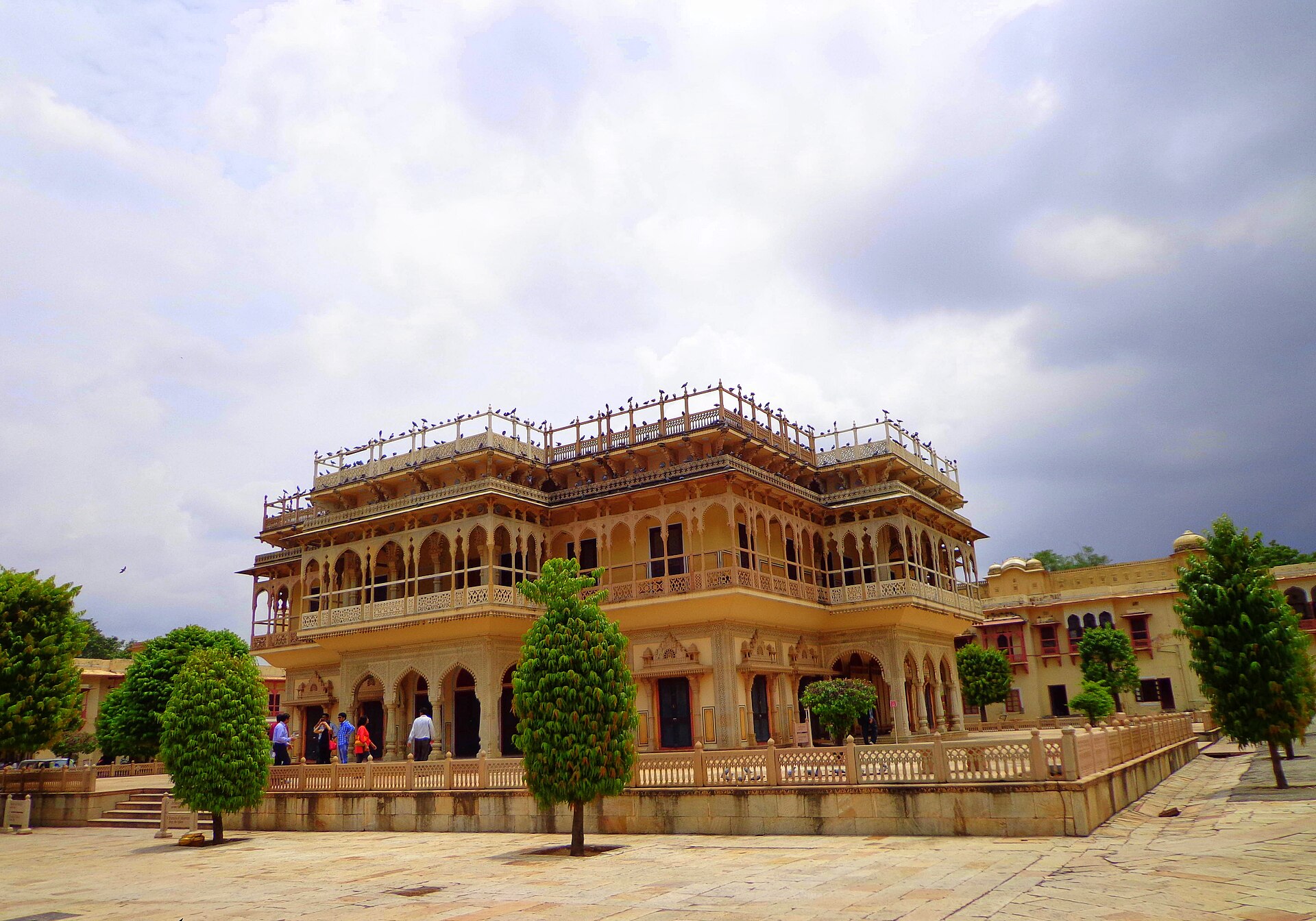
City Palace is a sprawling royal complex in the heart of Jaipur's Pink City, founded by Maharaja Sawai Jai Singh II in 1729. Still partially occupied by the Jaipur royal family, it blends Rajasthani and Mughal architecture across interconnected courtyards, gardens, and ceremonial halls built by successive maharajas over nearly three centuries. The Peacock Gate in Pritam Niwas Chowk is among the most photographed doorways in Rajasthan, and the textile and weapons collections -- including royal garments and jeweled daggers -- rank among the finest in the state. With Jantar Mantar next door and Hawa Mahal a five-minute walk away, City Palace anchors a trio of landmarks within the old city walls. A guide provides access to stories of the Jaipur royals and explains the astronomical and architectural innovations of Jai Singh II. They decode the symbolism of each courtyard and bring the palace's living heritage -- weddings, festivals, and ongoing royal residence -- into vivid focus.
Architecture
The City Palace occupies a vast walled compound in the heart of Jaipur's old city, blending Rajasthani and Mughal architecture across courtyards, gardens, and halls built by successive maharajas from 1727 onward. Unlike most Indian palace-museums, roughly a quarter of the complex remains the private residence of the current royal family -- the Maharaja of Jaipur still lives here, and the palace hosts weddings and events that maintain living continuity with centuries of Rajput tradition.
A guide navigates the complex's sprawling layout and brings its collections to life. The Diwan-i-Khas (Hall of Private Audience) holds two silver urns standing 1.6 meters tall and weighing 345 kilograms each -- the largest silver objects in the world, made from 14,000 melted silver coins so that Maharaja Sawai Madho Singh II could carry Ganges water to London in 1902. The textile gallery displays priceless Mughal and Rajput garments, including a robe worn by Maharaja Sawai Madho Singh I that required 13 meters of fabric for his legendary 250-kilogram frame. Adjacent to the palace are Jantar Mantar and Hawa Mahal, all walkable within the Pink City walls.
Historical Significance
Pritam Niwas Chowk: The "Peacock Courtyard" with four ornate gates representing the four seasons, each decorated in different colors and motifs. Diwan-i-Khas silver urns: The world's largest silver objects, each holding 4,000 liters, a Guinness World Record. Mubarak Mahal textile museum: Royal garments, pashmina shawls, Mughal robes, and a silk outfit belonging to the legendarily large Madho Singh I. Arms gallery: Swords with crystal handles, jeweled daggers, and shields made from rhinoceros and elephant hide. Chandra Mahal: The seven-storey royal residence -- the top floor flag indicates when the maharaja is home (visible from outside). Palace gardens: Manicured Mughal-style gardens connecting the palace sections.
When to Visit
Open: daily, 9:30 AM - 5:00 PM (last entry 4:30 PM). Best time: midmorning (10-11 AM) when courtyards are sunlit and crowds are manageable. Allow 2-3 hours for a thorough visit with a guide.
Admission and Costs
Foreigners: ₹700 ($8.40). Indian nationals: ₹300. Royal Grandeur ticket: ₹2,500 including access to private royal areas not on the standard tour. Guide: ₹500-1,000 for a 1.5-hour tour. Camera fee: ₹200 for still photography.
Tips for Visitors
The Royal Grandeur upgrade grants access to the Chandra Mahal's ground floor with a personal guide -- worth it for those interested in royal life. Standard ticket allows phone photos; camera fee is separate, with no flash in the textile gallery. Jantar Mantar is literally next door and Hawa Mahal a 5-minute walk -- plan all three together. The palace occasionally hosts classical music and dance performances. Exit into the surrounding Tripolia Bazaar for lac bangles, blue pottery, and block-printed fabrics. Also visit Amber Fort for a complete Jaipur day.