
Collections Highlights
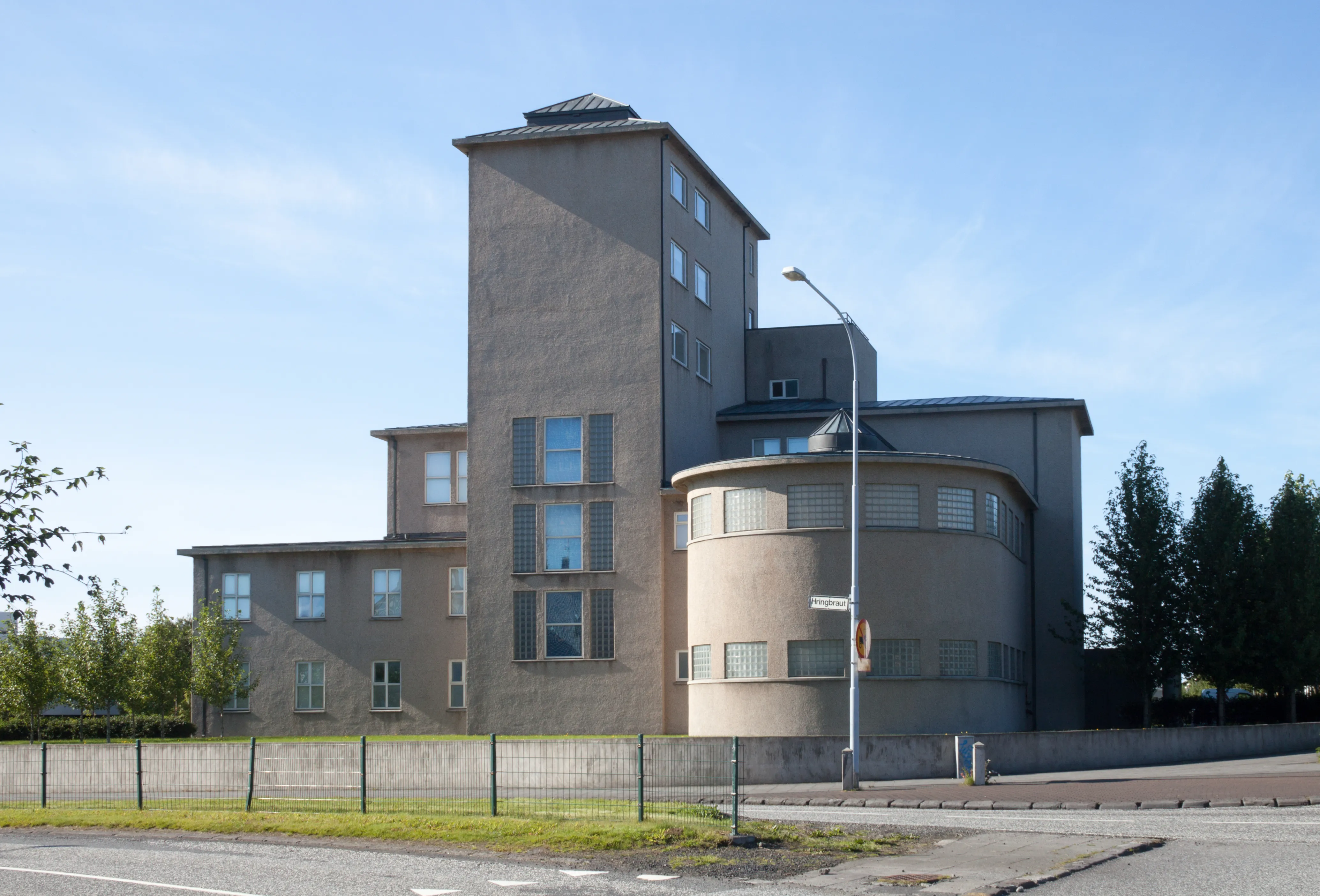
The museum occupies a 1950s functionalist building significantly extended in 2004 by Icelandic architect Manfred Vilhjálmsson. The extension added a new public atrium, café, and temporary exhibition galleries while preserving the original building's simple limestone-and-concrete facade. The interior is arranged around a central atrium that provides natural light to the upper floor galleries. The display design, last updated in 2004, is clear and well-organised but scheduled for a major renovation — several sections still use display technology that predates the digital age. The museum's location on Suðurgata, directly across from the University of Iceland campus, places it within easy walking distance of the Þjóðleikhúsið (National Theatre) and the Reykjavik City Library, creating a cultural cluster in the university quarter. For visitors building a day around Reykjavik's cultural institutions, the museum pairs naturally with the waterfront Harpa Concert Hall, where the Icelandic Symphony continues the national story in sound that the galleries here tell in objects.
Guided Tours
The National Museum was founded in 1863 — 81 years before independence — as a colonial-era institution under Danish administration, initially tasked with collecting and preserving Icelandic antiquities at a moment when Danish rule was beginning to face serious domestic political challenge from the independence movement led by Jón Sigurðsson. The founding of the museum was itself a political act: a claim that Iceland's cultural heritage was distinct from Denmark's and worthy of independent preservation. The collection was housed in Copenhagen for several decades before being transferred to Reykjavik in 1944, the same year independence was declared — a symbolic repatriation of cultural identity that the museum's own displays now contextualise for visitors.
When to Visit
Best visiting time: Weekday mornings (Tuesday–Friday before noon) for the quietest experience. Summer afternoons bring organized group tours from cruise ships and coach tours — the Viking section becomes crowded. Allow 2–3 hours minimum for the main permanent collection; the temporary exhibition may add another 30–60 minutes. The Settlement Exhibition in the city centre is best visited after the National Museum, so that the longhouse ruins have their Viking context already established. Museum café: Open throughout the day; the lunch service (12–2 PM) is busy but the kitchen is reliable for soup and sandwiches.
Admission and Costs
Admission: ISK 2,500 adults, ISK 1,200 ages 6–17, under-6 free. The Reykjavik City Card covers free admission to the museum and several other Reykjavik museums. Audio guide: Included with admission in English, Icelandic, German, and French. Combined ticket with the Settlement Exhibition (the Viking longhouse beneath the city centre): ISK 3,800 — excellent value for visitors who want the full chronological arc from the original settlement to the present. Museum shop: Well-stocked with Icelandic history books, Saga translations, and replica jewellery. Opening hours: Tuesday–Sunday 10 AM–5 PM; closed Mondays.
The Case for a Guide
The National Museum's audio guide is genuinely good, but a specialist guide adds interpretive layers the recording cannot:
- The Valþjófsstaðir door in European context: A guide trained in medieval art history can position the door alongside Romanesque carved panels from Scandinavian stave churches and English cathedral doorways, making clear that this Icelandic object was not a provincial imitation but a fully sophisticated participant in the wider European Romanesque tradition.
- The Saga manuscripts as literature: The museum displays manuscript pages that look beautiful but read slowly without context. A guide who has taught Icelandic literature can identify the specific Sagas on display — whether Njáls saga, Laxdæla saga, or the Sturlunga compilation — and explain why each was written, what legal disputes it encodes, and which families it was designed to vindicate or condemn.
- The independence decision of 1944: The museum presents the facts; a guide explains the politics — how Sveinn Björnsson persuaded the Althing that Denmark, under Nazi occupation, was in no position to object, and how the United States already had troops stationed in Iceland (to prevent German occupation) who provided a security guarantee that made the timing feasible.
- The Esjuberg silver hoard: The coins in the hoard include Arab dirhams from as far east as Central Asia — evidence that Viking trade networks through Russia's river systems reached Samarkand and Baghdad. A guide who knows the archaeological context turns the hoard from jewellery into a map of medieval globalisation.
Tips for Visitors
Start at the museum, then visit the Settlement Exhibition — the chronological sequence works better when you understand the broad arc of Icelandic history before standing above a 9th-century longhouse floor. Audio guide is included — use it as a baseline and add a specialist guide for depth if your budget allows. Closed Mondays — a common source of disappointed walk-up visitors; check opening times before making the trip. Museum shop stocks the best English-language translations of the Sagas available in Iceland — particularly the Penguin Classics editions and specialist academic editions with commentary. Combine with Reykjavik University Library — the library holds digitised Saga manuscripts online (handrit.is) that the museum's physical display only scratches the surface of.
Frequently Asked Questions
What are the National Museum's most important objects?
Three objects stand out from the 2,000-piece permanent collection. The Valþjófsstaðir door — a 12th-century carved wooden church door depicting a medieval knight slaying a dragon to rescue a lion, one of the finest examples of Romanesque wood carving in northern Europe — is remarkable for its survival in a country with so little medieval timber. The Þórður cross (Öndvegissúlur), carved wooden high-seat pillars thrown overboard by Norse settlers approaching Iceland to let the gods decide where to land, represents the most direct material link to the original settlement process described in the Landnámabók. And the silver hoard from Esjuberg — Viking Age jewellery and coins buried around 950 CE and undiscovered until the 19th century — demonstrates the wealth that the early Icelandic settler elite accumulated through North Atlantic trade networks.
How is the museum organised, and how long does a visit take?
The museum follows a chronological sequence across two floors, beginning with the Settlement Period (870–1000 CE) and progressing through the Saga Age, medieval Catholic Iceland, Reformation, Danish colonial rule, and the 19th–20th century national awakening to independence in 1944. A focused visit covering the highlights takes 90–120 minutes; a thorough visit including all audio guide stops and the temporary exhibition requires 3 hours. The building itself is a 1950s modernist structure extended in 2004 — functional rather than spectacular, which suits a museum whose purpose is to let the objects speak. The café in the ground floor is one of Reykjavik's better museum cafés, open throughout the day.
Does the museum cover the Sagas, and what are they?
The Sagas occupy a dedicated section of the museum and deserve careful attention. The Icelandic Sagas (Íslendingasögur) are prose narratives written in the 12th–14th centuries, describing the lives, conflicts, and genealogies of the Norse families who settled Iceland from 870 CE onward. They are simultaneously literature, legal records, and social history — recording disputes, feuds, killings, legal proceedings, and family histories with a documentary precision unusual in medieval European writing. The Sagas are also the primary historical source for the Norse exploration of North America (Vinland), recorded in the Grænlendinga saga and Eiriks saga rauða before any European contact with the Americas was otherwise documented. The museum displays illuminated manuscript pages and explains the oral tradition that predated the written texts.