
Country guide
What makes Greece a must-visit destination?
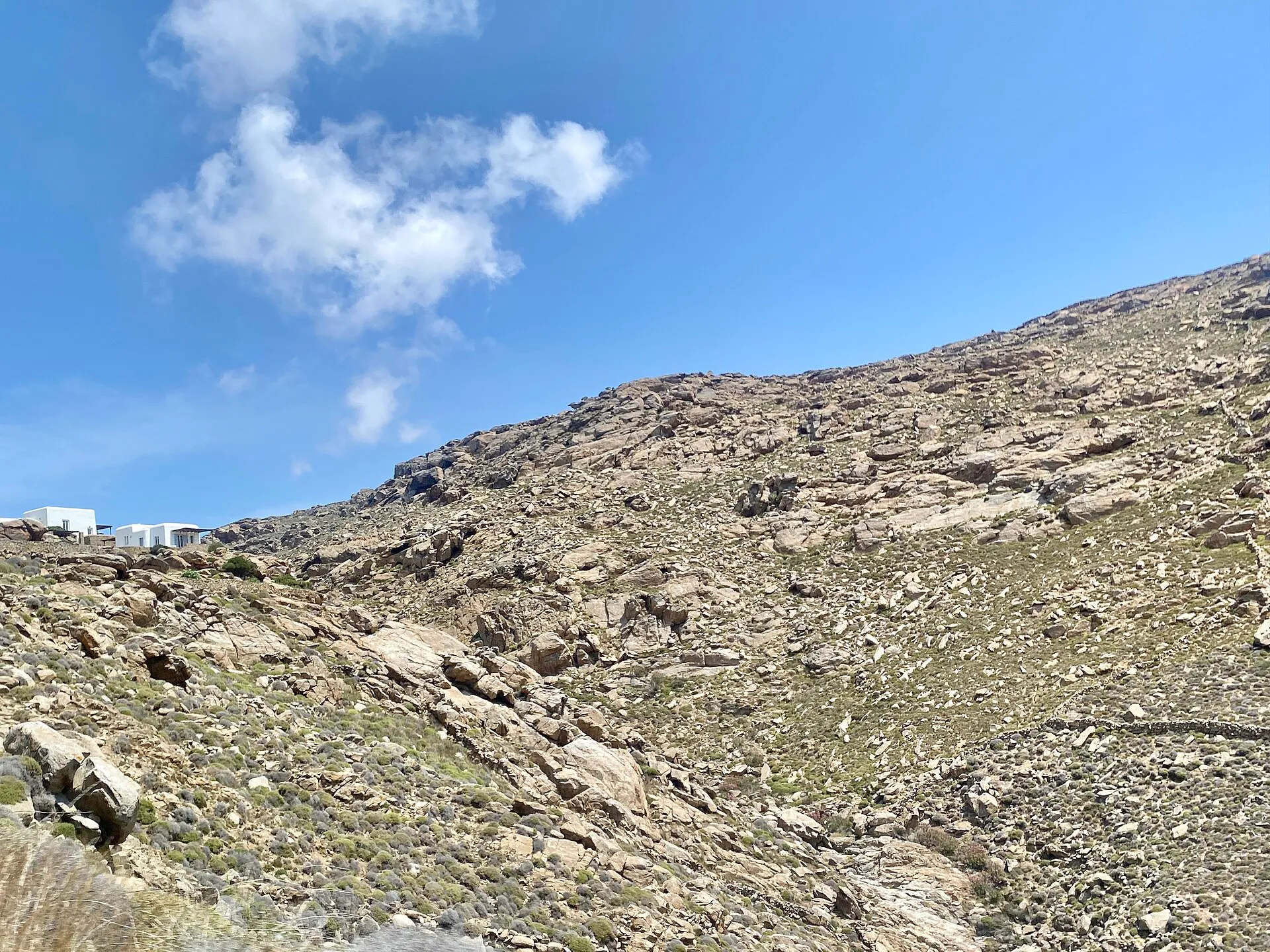
Few countries carry as much of the world's imagination as Greece. It is at once the birthplace of democracy, philosophy, theatre, and the Olympic Games, and a string of more than 6,000 sun-bleached islands scattered across the Aegean and Ionian seas. From the ancient Acropolis in Athens to the blue-domed churches of Santorini, the windmills and beaches of Mykonos, and the medieval ramparts of Rhodes, it braids millennia of history into landscapes that still stop travellers mid-sentence. Greece ranks among the world's ten most-visited countries, drawing well over 30 million international visitors a year with a blend of ruins, culture, and Mediterranean light that no other destination quite matches.
With 18 UNESCO World Heritage Sites, world-class museums, and archaeology at almost every turn, a knowledgeable local guide is what turns scattered stones into living stories — the myths, the politics, and the daily lives that shaped Western civilisation.
Three thousand years of history
Greek history reaches back to the Bronze Age, when the seafaring Minoans of Crete and the fortress-builders of Mycenae laid the foundations of European civilisation — a world preserved in astonishing detail at Ancient Akrotiri on Santorini, buried and sealed by a volcanic eruption around 1600 BCE. The Classical age of the 5th century BCE gave Athens its democracy, its philosophers — Socrates, Plato, Aristotle — and the Parthenon, while the conquests of Alexander the Great carried the Greek language and ideas from Egypt to the edge of India.
Rome absorbed Greece but fell under its cultural spell; the eastern half of the empire endured for another thousand years as Byzantium, spreading Orthodox Christianity and a golden thread of icon-painting and church-building. Four centuries of Ottoman rule followed the fall of Constantinople in 1453 — a period whose mosques, hammams, and cuisine still colour the islands — until the War of Independence of 1821 forged the modern Greek state. That long, layered inheritance is why a walk through Rhodes or the Plaka quarter of Athens crosses ancient, medieval, and modern Greece in the space of a single street.
The Acropolis of Athens and its monuments are universal symbols of the classical spirit and civilization and form the greatest architectural and artistic complex bequeathed by Greek Antiquity to the world.
A culture still lived out loud
Greek culture is not something sealed behind museum glass — it is eaten, sung, and argued over daily. Orthodox Christianity shapes the calendar, from candlelit Easter processions to the name days that friends celebrate more warmly than birthdays. The taverna is the country's true civic institution, where a table of mezze, olive oil, and shared plates — the heart of the UNESCO-recognised Mediterranean diet — can hold a family through a whole evening. Add the wail of a bouzouki in a rebetiko bar, the ritual of strong coffee drawn out for hours, and the near-sacred value placed on philoxenia — hospitality to strangers — and you have a culture that treats the visitor less as a customer than as a guest.
- Language
- Greek Widely spoken across Greece
- Currency
- Euro (€) Legal tender across Greece
- Time zone
- UTC+2 (EET) Local time in Greece
- Power plugs
- Types C, F · 230V Sockets used across Greece
- Getting around
- Domestic flights & island ferries Getting between Greece's cities
- Best months
- Apr, May, Jun, Jul, Aug, Sep, Oct Averaged across Greece's city ratings
Greece timeline
- 5th century BCE
Classical Athens flourishes
The Parthenon, civic theater, and democratic institutions made Athens a reference point for Greek heritage tours.
- 146 BCE
Roman Greece begins
Roman rule added theaters, roads, and civic layers to older Greek sites.
-
Byzantine era ends
The fall of Constantinople closed a major Greek-speaking imperial chapter.
-
Modern Greece recognized
Independence gave ancient sites new national meaning and shaped the museum culture visitors encounter today.
-
Greece joins Europe
European Community membership helped modernize infrastructure and heritage funding.
-
Olympics return to Athens
The Games renewed attention on transport, public spaces, and the ancient-modern city narrative.
Greece in Pictures
Local context
Culture and travel signals
6,000 islands and islets, only 227 of which are inhabited
Greece has the longest coastline in the Mediterranean and the 11th longest in the world at approximately 13,676 kilometres, giving it more coast per square kilometre than almost any country on Earth
The Parthenon was built between 447 and 432 BCE
Crowning the Acropolis above Athens, it has survived nearly 2,500 years of earthquakes, fires, an explosion, and looting, and still draws well over 3 million visitors a year as the defining symbol of the classical world
18 UNESCO World Heritage Sites across the mainland and islands
From the archaeological site of Delphi, where the ancient Greeks believed the omphalos marked the centre of the world, to the medieval old town of Rhodes raised by the Knights of St John in the 14th century
Tourism accounts for roughly a quarter of Greek GDP
Greece is one of the most tourism-dependent economies in the OECD, with the sector directly and indirectly supporting close to 900,000 jobs and drawing more than 30 million international visitors a year in a country of about 10.4 million people
The Mediterranean diet was inscribed by UNESCO in 2010
Greece was among the countries whose shared culinary heritage — olive oil, bread, wine, fish, and the ritual of the long shared table — earned recognition as intangible cultural heritage, a rare honour for a way of eating rather than a monument
The Theatre of Epidaurus seats 14,000 and has near-perfect acoustics
Carved into a hillside in the 4th century BCE at the Sanctuary of Asklepios, its stone tiers are so precisely engineered that a whisper or a dropped coin at the centre can be heard from the topmost row, and it still hosts ancient dramas each summer
Source: tour-guide.com — Free to cite with attribution
Season planner
A year in Greece
Use this best time to visit snapshot as a country-wide average, then check the city guides for local timing.
Mar-May
Spring
Spring holds up well for guided travel in Greece, averaging Mar-May (4/5).
Jun-Aug
Summer
Summer is Greece's strongest guide window — Jun-Aug (5/5) across its cities.
Sep-Nov
Autumn
Autumn holds up well for guided travel in Greece, averaging Sep-Nov (4/5).
Dec-Feb
Winter
Winter is Greece's quietest stretch at Dec-Feb (2/5) — plan narrower, local days.
Where should you go in Greece?
The Mainland
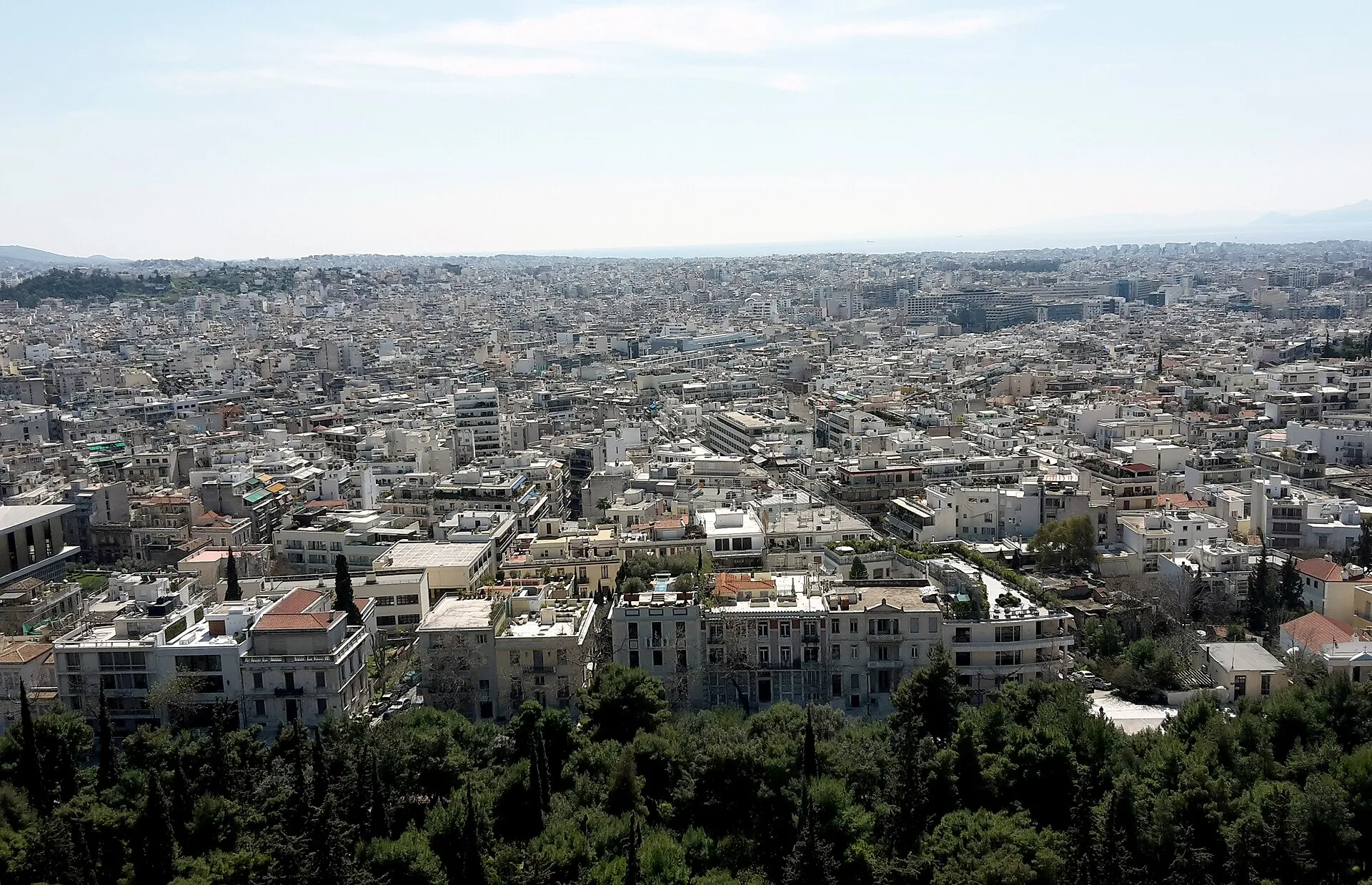
Athens wears its millennia openly. The Acropolis and the Parthenon crown the city, while the superb Acropolis Museum below displays sculptures that once adorned those very temples, and the tavernas and Byzantine churches of Plaka thread between Roman ruins at the foot of the sacred rock. Beyond the capital, the mainland holds the oracle sanctuary of Delphi — for the ancient Greeks the very navel of the world — and the clifftop monasteries of Meteora, both reachable on long day trips or overnight excursions with a driver-guide.
The Cycladic Islands
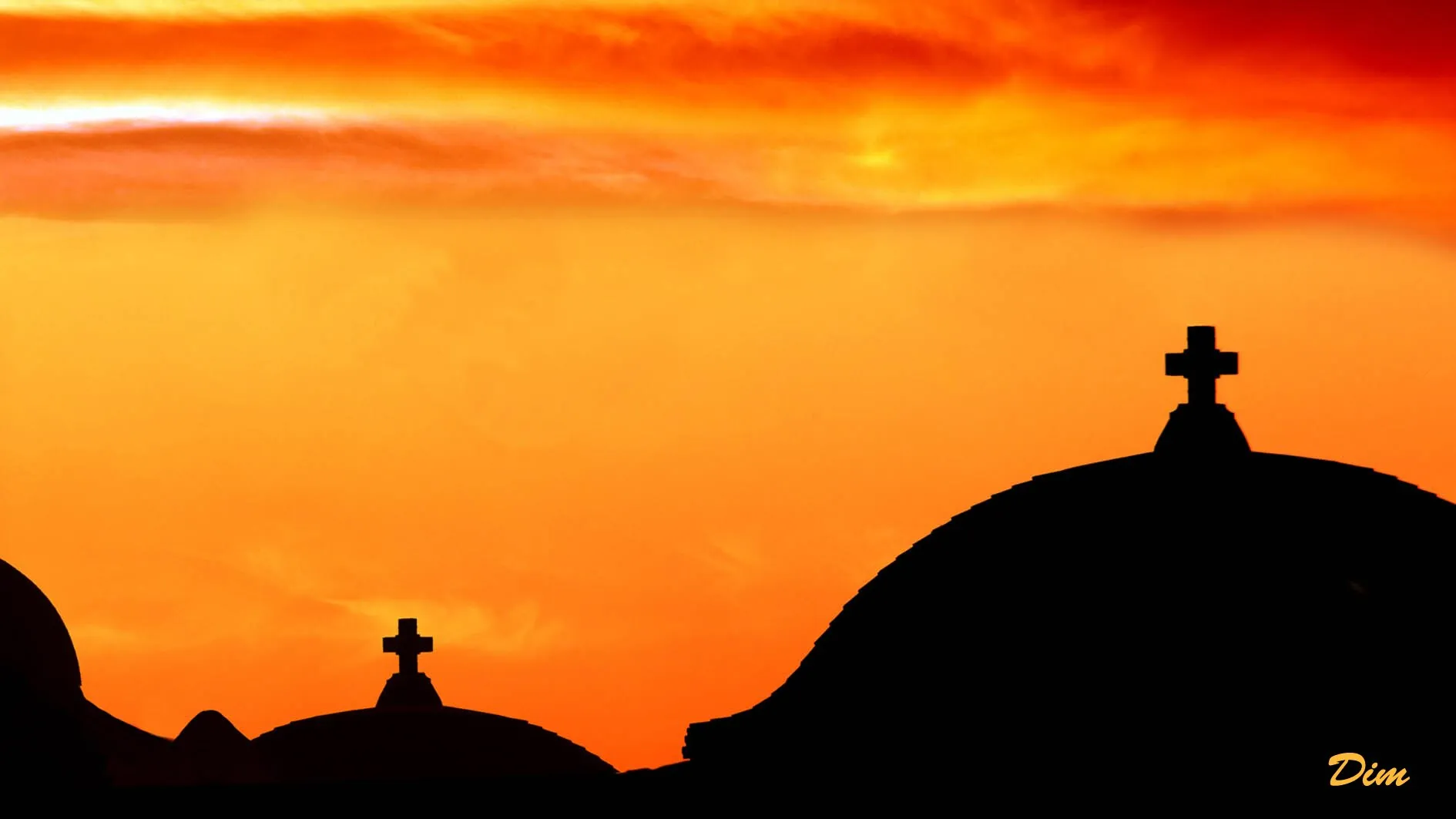
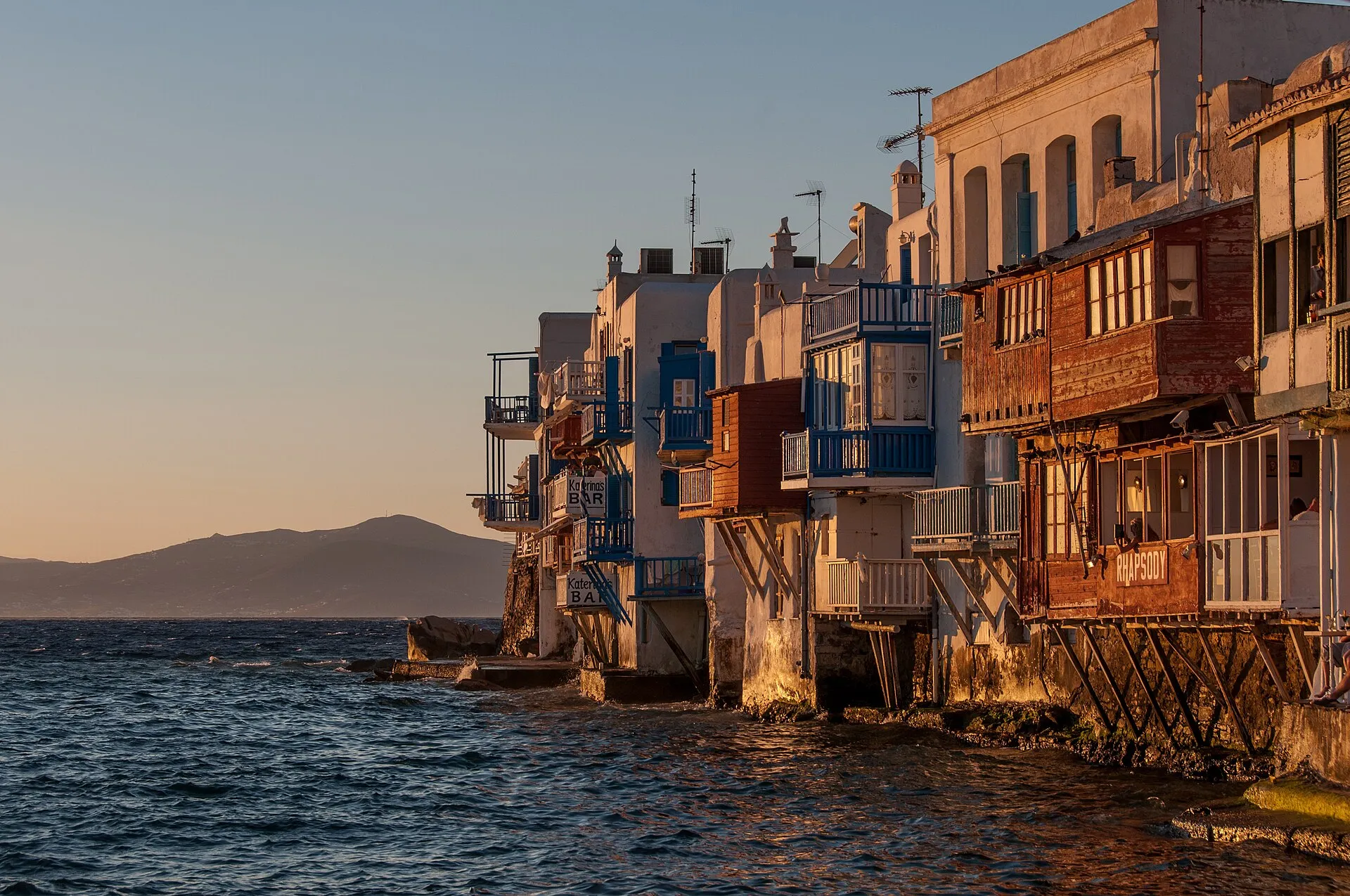
Out in the Aegean, Santorini drapes its whitewashed villages along the rim of a volcanic caldera, where sunsets over Oia and the buried Minoan town of Ancient Akrotiri draw travellers from every continent. Mykonos balances cosmopolitan energy with Cycladic charm — its sandy beaches give way to the pastel waterfront of Little Venice, a row of iconic windmills stands guard above the harbour, and a short boat ride reaches sacred Delos, the mythological birthplace of Apollo and one of the richest archaeological sites in the Mediterranean.
The Dodecanese Islands
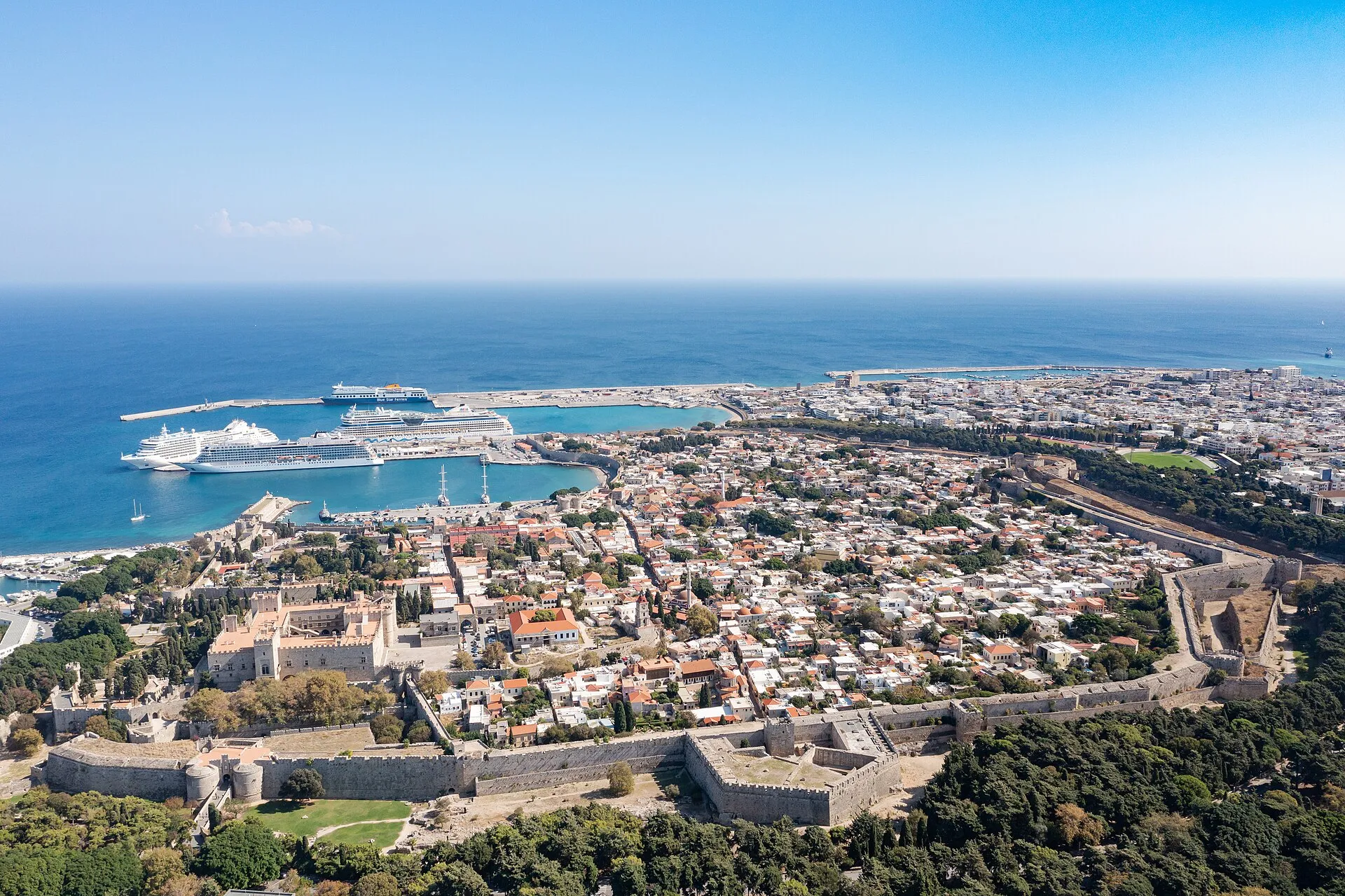
Rhodes anchors the southeastern Aegean with a remarkably intact medieval walled city — the Old Town of Rhodes is one of the best-preserved medieval settlements in Europe, where the Palace of the Grand Master still looms above the cobbled Street of the Knights that the Knights Hospitaller once patrolled. Day trips reach the clifftop Acropolis of Lindos, perched above a turquoise bay where ancient captains sheltered.
Walking these places with someone who knows their myths, their geology, and their hidden tavernas turns a Greek holiday into something far more layered.
Must-see attractions across Greece
Every region of Greece has a signature stop. Start with these, then let a guide reveal the stories the plaques leave out.
What do visitors need to know about Greece?
Finding a Guide
- Greek National Tourism Organisation (EOT/GNTO) offices in major cities connect visitors with licensed guides; look for official certification and archaeological-site expertise
- The Panhellenic Federation of Tourist Guides maintains directories of state-licensed professionals with specialist training in ancient history and mythology
- Hotels in Athens and island resorts keep relationships with quality guides and can arrange private itineraries, island-hopping, and airport logistics
- Reputable booking platforms feature verified Greek guides — read recent reviews and compare specialised offerings such as archaeology, Byzantine art, food, or wine tours
Typical Costs
| Tour Type | Price Range |
|---|---|
| Group walking tour (2–3 hrs) | €15–30 per person |
| Private half-day (up to 6) | €150–280 |
| Private full-day (up to 6) | €280–500 |
| Specialist guide (archaeology, mythology) | €350–600 per day |
| Island tour (Santorini, Mykonos) | €200–400 per day |
Prices are moderate by Western-European standards, but site and museum entry fees are almost always extra, and everything on the islands can run 20–40% higher during the July–August peak.
Getting Around
- Ferries are the backbone of island travel: high-speed catamarans are fast but weather-sensitive, while conventional car ferries are cheaper and steadier. Most sailings for the Cyclades leave from Piraeus and Rafina
- Domestic flights link Athens to Santorini, Mykonos, Rhodes, and Crete in under an hour — worth it when ferry times run long
- The Athens Metro connects the airport, Plaka, and the Acropolis, and the historic centre is compact enough to walk
- KTEL intercity buses reach mainland towns and archaeological sites reliably and cheaply; a rental car unlocks the villages, beaches, and viewpoints that public transport skips
Must-See Experiences
- Acropolis & Parthenon — ancient Athens' crown jewel, best understood with expert historical context
- Acropolis Museum — a world-class collection of Greek sculpture beneath a glass floor over live excavations
- Santorini sunsets — Oia village's iconic views over the volcanic caldera
- Ancient Akrotiri — a Minoan Bronze Age town preserved by volcanic ash
- Delos — the sacred birthplace of Apollo, a UNESCO site off Mykonos
- Greek cuisine — taverna crawls, wine tastings, and morning food markets
Good to Know
- Book ahead — the Acropolis and popular islands fill fast; guides secure the best time slots and skip-the-line entry
- Beat the heat — summer regularly tops 35 °C; take exposed archaeological sites in the early morning and carry water and sun protection
- Money — cards are widely accepted in cities and resorts, but keep cash for small tavernas, rural villages, and island kiosks
- Dress code — cover shoulders and knees at monasteries and churches; some lend wraps at the door
- Tipping — round up in tavernas and offer 10–15% to a private guide, €5–10 per person for a group tour if you were happy
- Peak-season ferries — reserve July and August crossings well in advance, and leave a buffer day before any onward flight
Frequently Asked Questions
What is the best time of year to visit Greece?
April through June and September through October strike the best balance between warm Mediterranean weather and manageable crowds. July and August bring peak heat (often above 35°C) and packed island ferries. Shoulder seasons reward visitors with lower prices, blooming wildflowers in spring, and grape harvests in autumn. Orthodox Easter — usually in April or May, on a different date from Western Easter — is the most atmospheric week of the year, when even the smallest island village fills with candlelit processions and roasting lamb.
How much does a private tour guide cost in Greece?
Group walking tours: €15–30 per person (2–3 hours). Private half-day tours: €150–280 (up to 6 people). Private full-day: €280–500. Specialist archaeology or mythology guides: €350–600 per day. Island tours on Santorini or Mykonos: €200–400 per day. Museum and archaeological-site entry fees are almost always charged separately from the guide's fee.
Do I need to speak the local language to travel in Greece?
English is widely spoken in Athens, on the major islands, and at archaeological sites, but proficiency drops in rural villages and smaller islands. Greek script can make navigation challenging without a guide, and having a local who reads ancient inscriptions at the Acropolis or negotiates a family taverna menu transforms a sightseeing trip into genuine cultural immersion. A handful of words — yassas (hello), efharistó (thank you), parakaló (please) — is warmly received everywhere.
How do you get between the Greek islands?
Greece runs one of the densest ferry networks in the world. Most Cycladic routes — to Santorini and Mykonos — leave from Piraeus or Rafina, the two ports serving Athens, while the Dodecanese and Rhodes are reached from Piraeus or by domestic flight. High-speed catamarans cut journey times roughly in half but cost more and are cancelled first in strong meltemi winds; conventional car ferries are cheaper, steadier, and far more forgiving of a queasy stomach. Book ahead for July and August, and build a buffer day into any itinerary that ends with a flight home.
What food and drink should you try in Greece?
Start with the pillars of the Mediterranean diet — extra-virgin olive oil, bread, seasonal vegetables, and horiatiki (village salad) topped with a slab of feta. Work through moussaka, grilled souvlaki, slow-cooked lamb, fresh-caught seafood, and mezze spreads meant for sharing. Pair them with regional wines such as Santorini's mineral Assyrtiko, grown in volcanic soil, or anise-scented ouzo over ice. Finish, as Greeks do, with strong coffee and an unhurried conversation — the meal is the destination.
What should visitors know about Greek customs and etiquette?
Greek philoxenia — literally "love of strangers" — means guests are often plied with more food, wine, and time than they expected; accepting graciously is the polite response. Dress modestly at monasteries and churches (covered shoulders and knees; some sites lend wraps), and never photograph inside where signs forbid it. Tipping is appreciated but not rigid: round up in tavernas, and offer 10–15% to a private guide you were happy with. Name days — the feast of the saint you are named after — are often celebrated more warmly than birthdays.