
Cited city facts
Key facts for visiting Giza
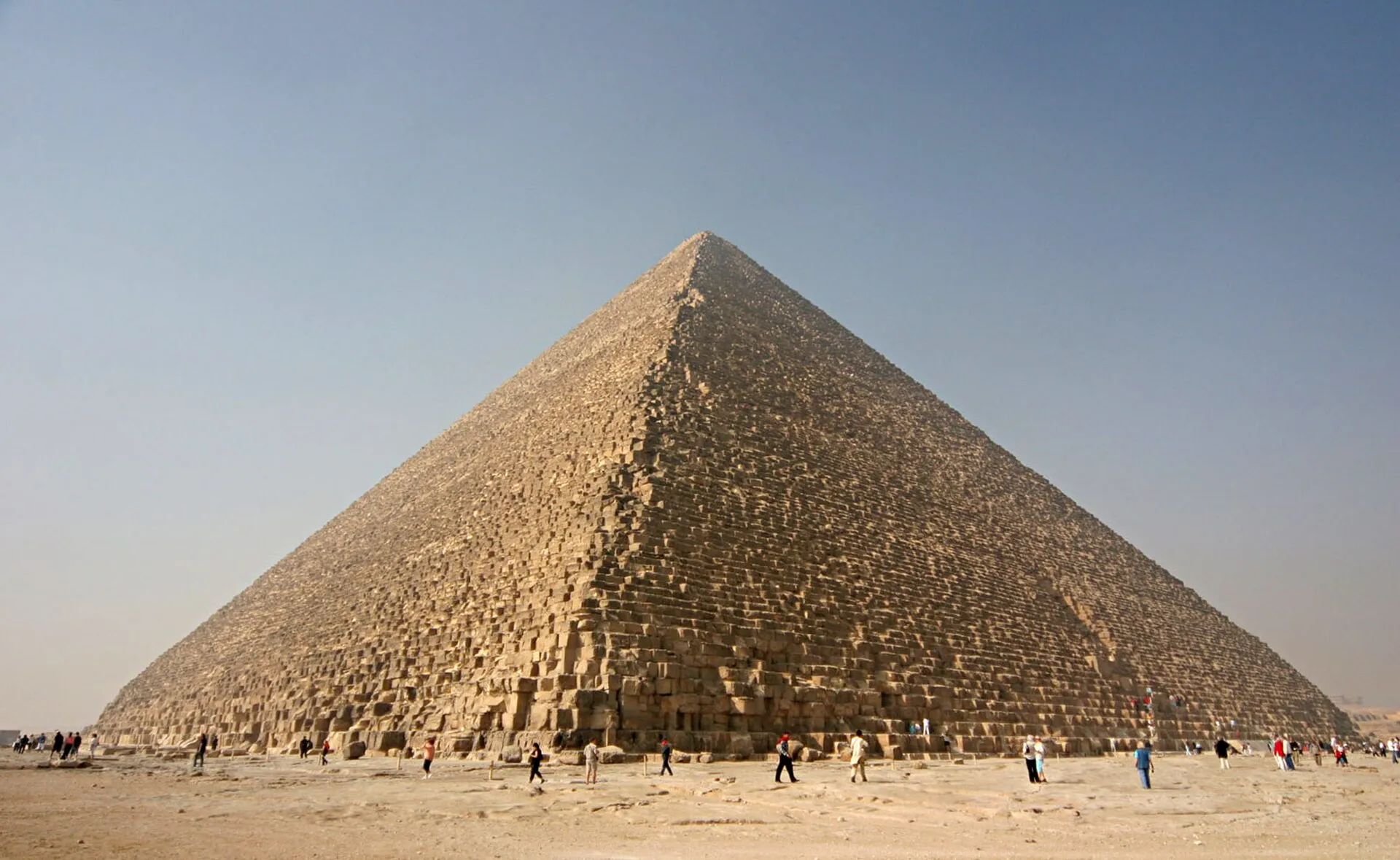
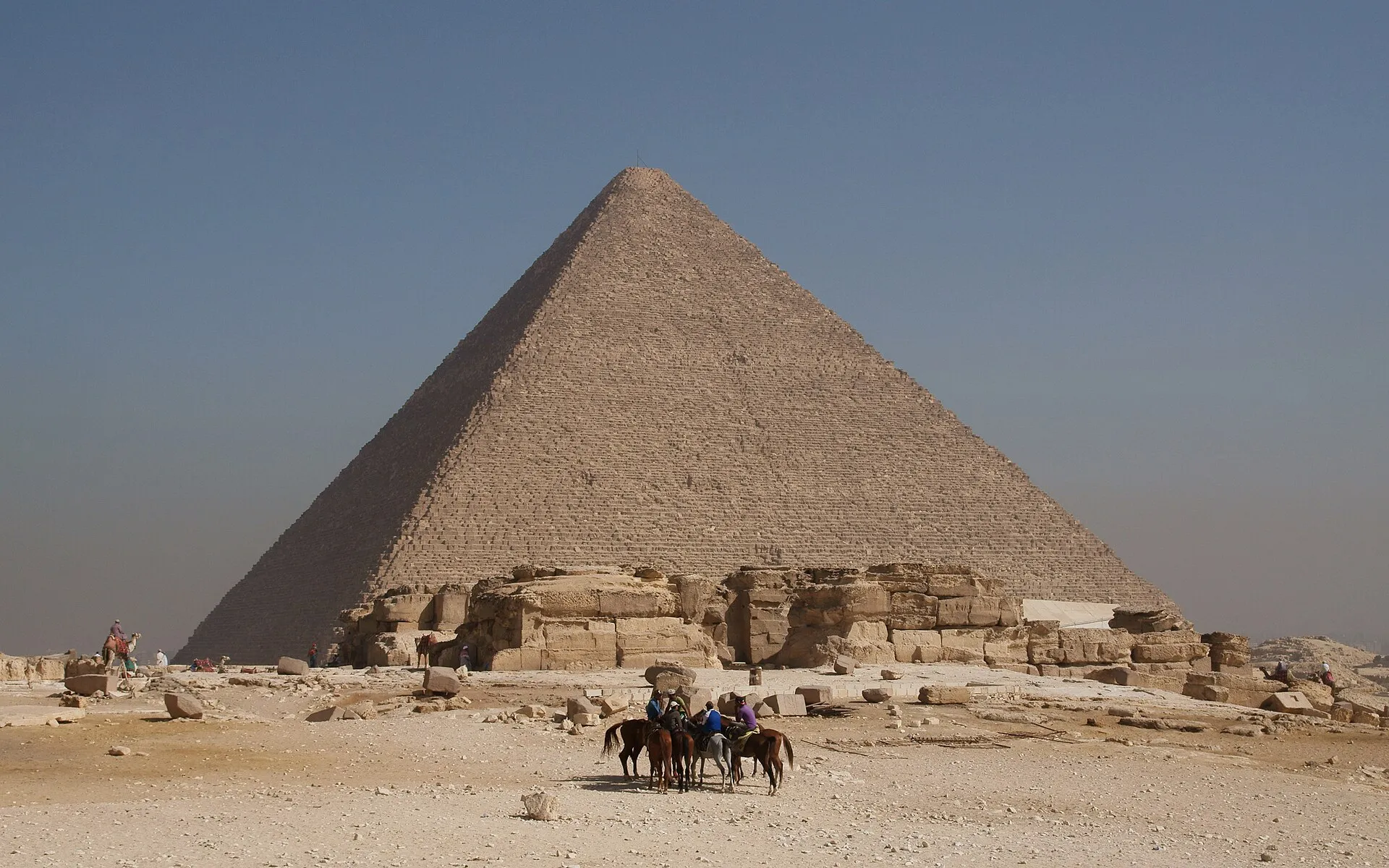
The Great Pyramid contains an estimated 2.3 million stone blocks
Each block averages 2.5 tonnes, with some granite slabs in the King's Chamber weighing up to 80 tonnes, transported from quarries in Aswan over 800 kilometers to the south
The Great Pyramid held the tallest structure record for 3,800 years
At its original height of 146.6 meters, Khufu's pyramid remained the tallest human-made structure on Earth from around 2560 BC until Lincoln Cathedral surpassed it in approximately 1311 AD
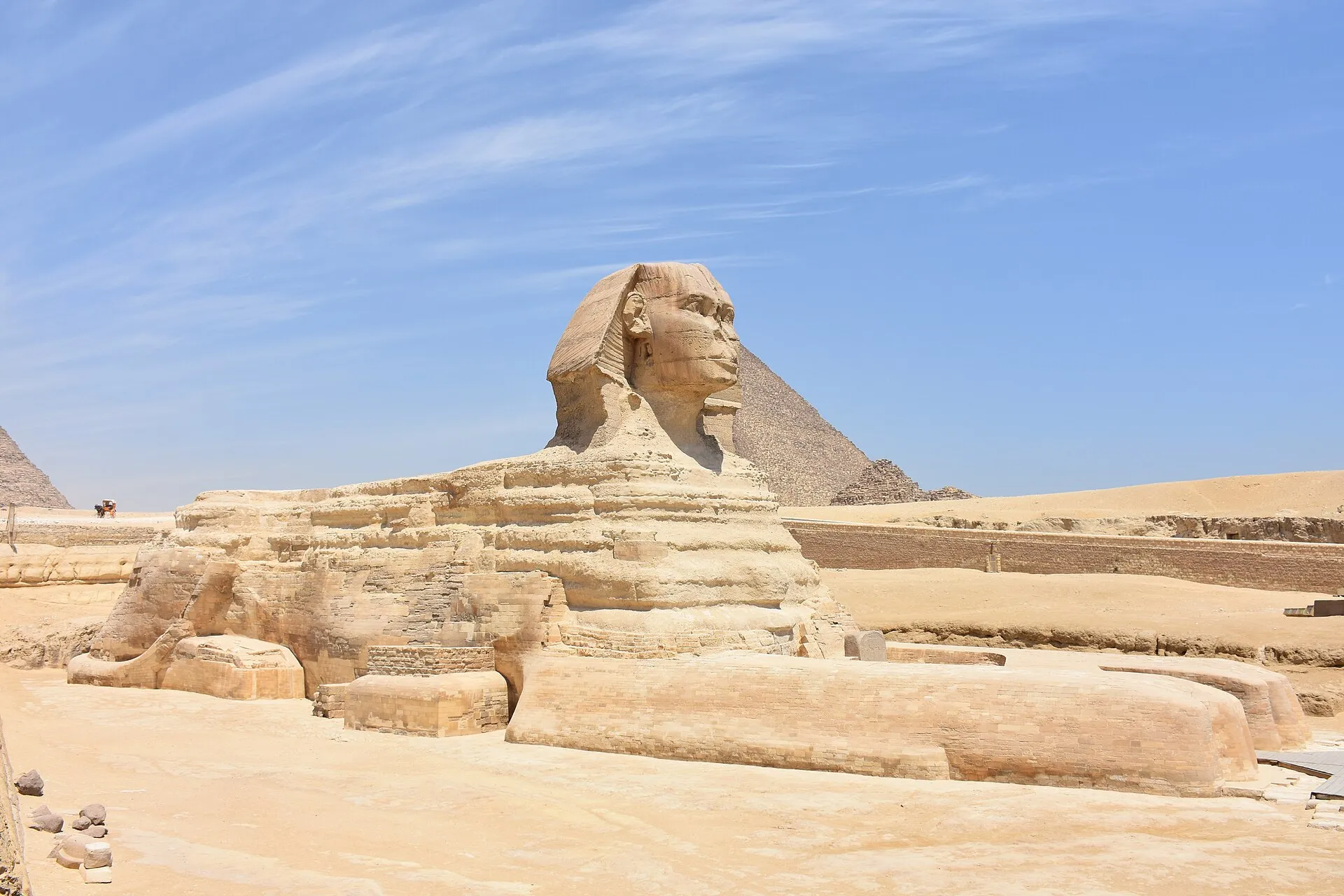
The Great Sphinx measures 73 meters long and 20 meters high
Carved directly from the natural limestone bedrock of the Giza Plateau, the Sphinx is the largest monolithic statue in the ancient world and has lost its nose to erosion and vandalism over the millennia
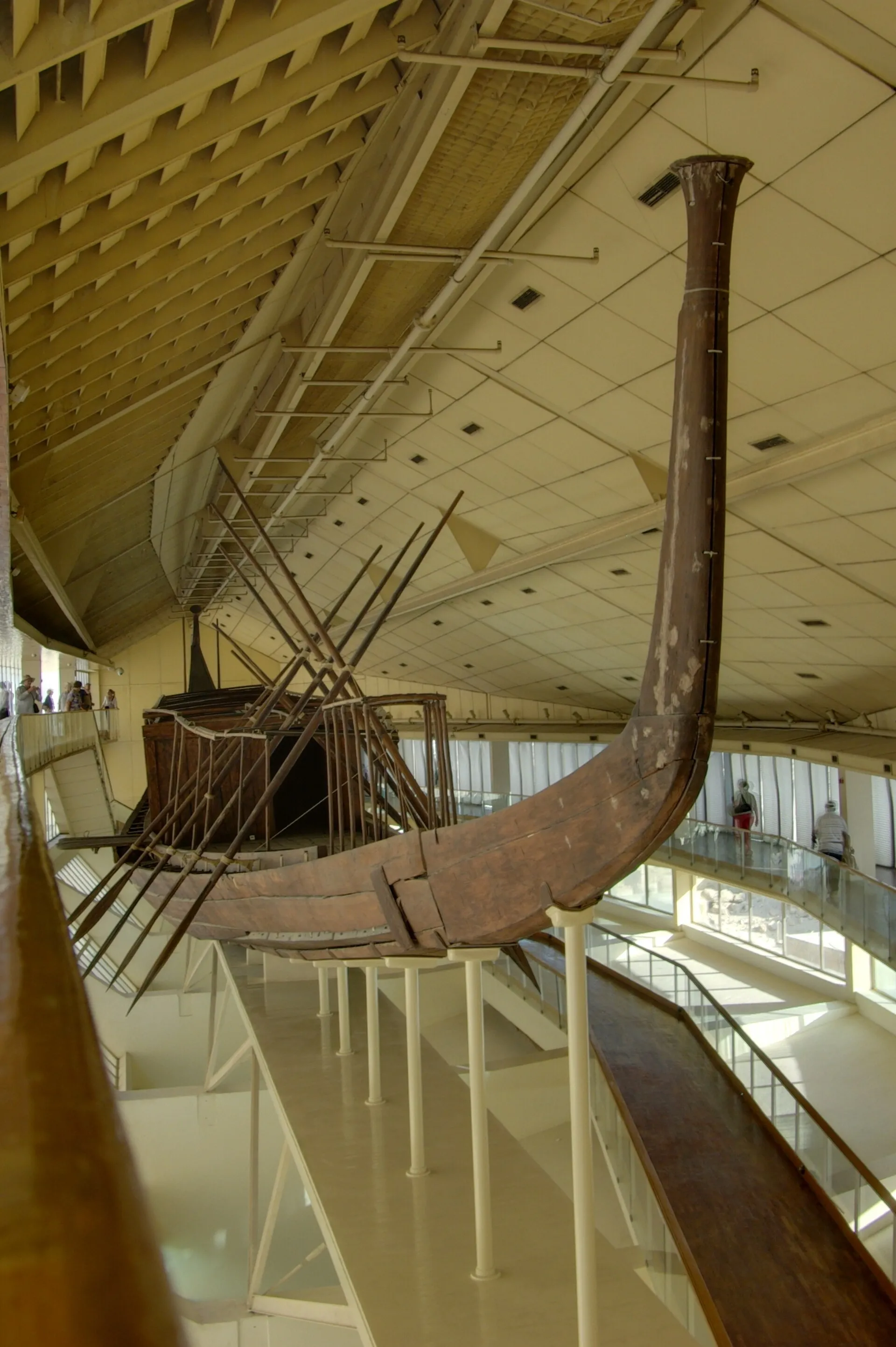
Khufu's solar boat was sealed in a pit for 4,600 years
Discovered in 1954, the 43.6-meter cedar vessel was found disassembled into 1,224 pieces in a hermetically sealed chamber at the base of the Great Pyramid and took 14 years to reconstruct
Source: tour-guide.com — Free to cite with attribution
Things to see
What are the top attractions in Giza?
- Inside the Great Pyramid — Climb the Grand Gallery and stand in the King's Chamber, a granite vault at the heart of Khufu's pyramid
- Sphinx up close at dawn — The Great Sphinx catches the first rays of sunrise directly on its face, a moment ancient priests may have observed daily
- Khufu's funeral barge — See 1,224 pieces of Lebanese cedar meticulously reassembled at the Solar Boat Museum
- Panoramic viewpoint — Walk to the desert ridge southwest of Menkaure's pyramid for the classic three-pyramid photograph without crowds
- Sound and Light Show — An evening spectacle that projects images onto the pyramids while the Sphinx narrates the story of ancient Egypt
- Workers' Village ruins — Recently excavated barracks, bakeries, and breweries that housed the pyramid builders, overturning the myth of slave labor
Great Pyramid of Khufu
The sole surviving Ancient Wonder of the World, standing since 2560 BC
Great Sphinx of Giza
Enigmatic limestone guardian watching over the Giza necropolis for 4,500 years
Solar Boat Museum
A 4,600-year-old royal vessel reassembled from over a thousand cedar pieces
Guide planning
How much does a tour guide cost in Giza?
Giza is part of Egypt's most heavily touristed corridor, and the difference between a mediocre visit and a revelatory one hinges almost entirely on your guide. The Ministry of Tourism licenses professional guides by specialty:
Season planner
When is the best time to visit Giza?
Summer temperatures routinely exceed 40°C (104°F). Best season: October through March offers manageable heat. December and January mornings can be surprisingly cool at around 12°C (54°F).
Spring
Mar-May
Summer
Jun-Aug
Autumn
Sep-Nov
Winter
Dec-Feb
Each score averages that season’s monthly ratings out of 5. The top-rated window is usually the peak season too, so read the guidance above for its trade-offs before you book.
On the ground
How do you get around Giza?
- Currency — Egyptian Pound (EGP). Bring small bills for tips, water vendors, and camel ride operators who rarely carry change
- Dress for the desert — Lightweight, breathable clothing, closed-toe shoes with grip, a hat, and sunscreen are essential
- Arrive at opening — The plateau opens at 8 AM. Arriving early means cooler temperatures and far fewer tour buses, especially near the Sphinx
- Persistent touts — Unlicensed camel handlers, souvenir sellers, and self-appointed "guides" cluster at entry points. A firm but polite refusal works; your licensed guide will intercept most approaches
- Hydration — Carry at least 1.5 liters of water per person. There is very little shade on the plateau and walking distances between monuments are substantial
- Combine with Cairo — Giza sits just 20 minutes from central Cairo by car. Many full-day itineraries pair the plateau with the Egyptian Museum or Islamic Quarter
Frequently Asked Questions
What is the best time to visit Giza?
Summer temperatures routinely exceed 40°C (104°F). Best season: October through March offers manageable heat. December and January mornings can be surprisingly cool at around 12°C (54°F).
How much does a tour guide cost in Giza?
Giza is part of Egypt's most heavily touristed corridor, and the difference between a mediocre visit and a revelatory one hinges almost entirely on your guide.
How do you get around Giza?
Currency: Egyptian Pound (EGP). Bring small bills for tips, water vendors, and camel ride operators who rarely carry change.