
Alexandria timeline
- 331 BCE
Founded by Alexander the Great
Founded in 331 BC by Alexander the Great.
- 3rd century BCE
Alexandria completed
Built in the 3rd century BC, the Lighthouse of Alexandria was one of the original Seven Wonders of the Ancient World and guided ships for over 1,500 years before a.
- 14th century
Alexandria completed
Built in the 3rd century BC, the Lighthouse of Alexandria was one of the original Seven Wonders of the Ancient World and guided ships for over 1,500 years before a.
Cited city facts
Key facts for visiting Alexandria
Founded in 331 BC by Alexander the Great
Alexandria was designed by the architect Dinocrates on a grid plan and rapidly became the largest city in the ancient world, serving as Egypt's capital for nearly a thousand years under Ptolemaic and Roman rule
The ancient Pharos Lighthouse stood approximately 100 meters tall
Built in the 3rd century BC, the Lighthouse of Alexandria was one of the original Seven Wonders of the Ancient World and guided ships for over 1,500 years before a series of earthquakes destroyed it by the 14th century
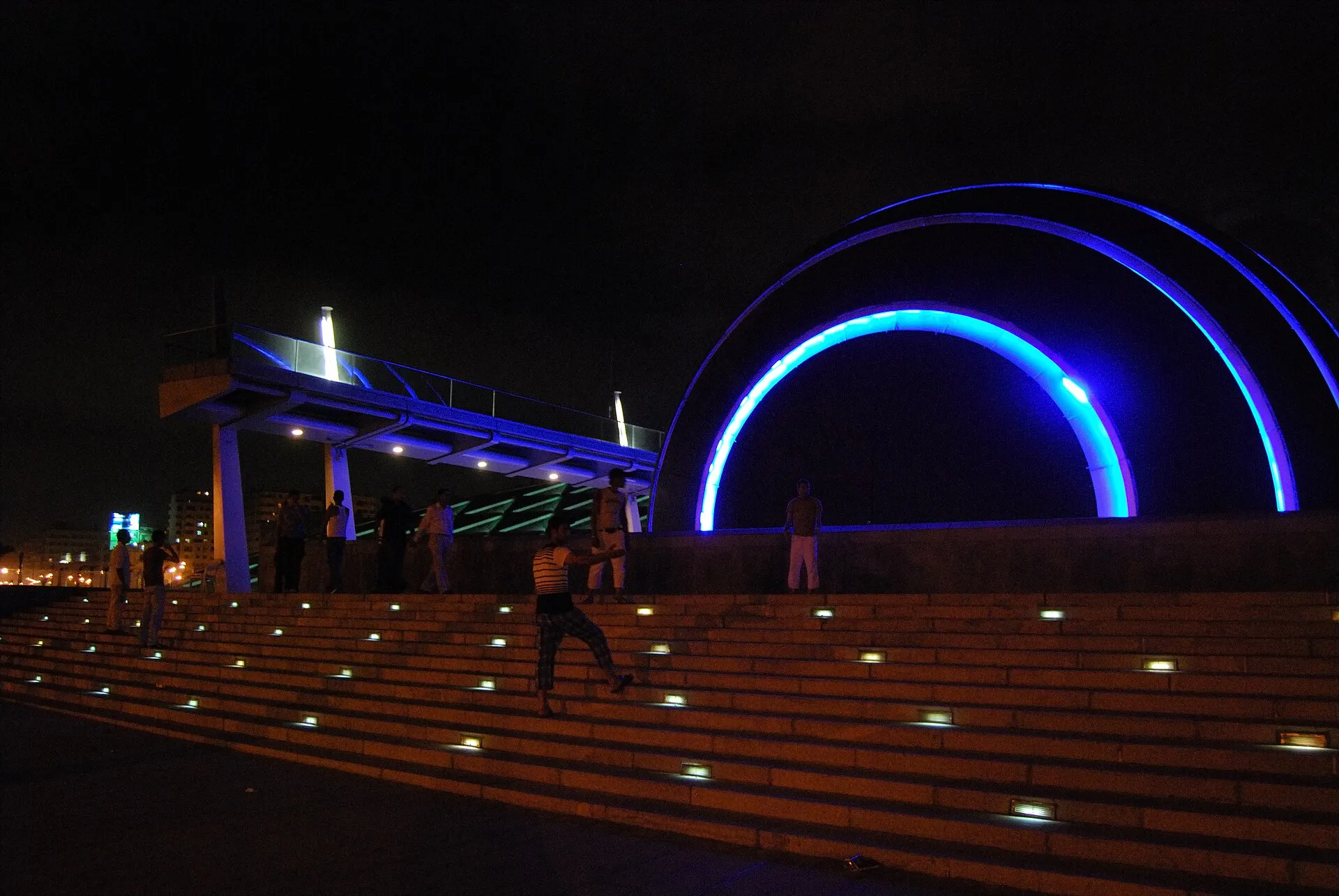
Bibliotheca Alexandrina reading room seats 2,000 readers across 7 levels
Opened in 2002, the modern library's tilted disc-shaped roof spans 160 meters in diameter and the building houses over 8 million books along with specialized museums and research centers
Catacombs of Kom El Shoqafa descend 3 levels over 30 meters underground
Dating to the 2nd century AD, this Roman-era necropolis uniquely blends Egyptian, Greek, and Roman funerary art in a single site, reflecting Alexandria's position as a cultural crossroads
Source: tour-guide.com — Free to cite with attribution
Things to see
What are the top attractions in Alexandria?
- Bibliotheca Alexandrina reading room — Stand beneath the world's largest reading hall, a cascading space that seats 2,000 readers across seven terraced levels
- Qaitbay Citadel at sunset — Watch fishing boats return to the Eastern Harbor as the Mediterranean sky turns amber behind the fortress walls
- Kom El Shoqafa's spiral staircase — Descend three levels underground past carvings that merge Anubis with Roman armor and pharaonic crowns with Greek drapery
- Corniche waterfront walk — A 15-kilometer promenade tracing the crescent-shaped harbor from Qaitbay to Montaza Palace gardens
- Pompey's Pillar and the Serapeum — A 27-meter red granite column marks the site of the ancient temple to Serapis, with sphinx statues still guarding its base
- Fresh seafood at Abu Qir — This fishing village east of the city serves the catch of the day grilled over charcoal, a local tradition since Ptolemaic times
- Submerged royal quarters — Glass-bottom boat tours glide over Cleopatra's sunken palace columns and sphinx statues resting on the harbor floor
Bibliotheca Alexandrina
A modern architectural marvel honoring the ancient Library of Alexandria
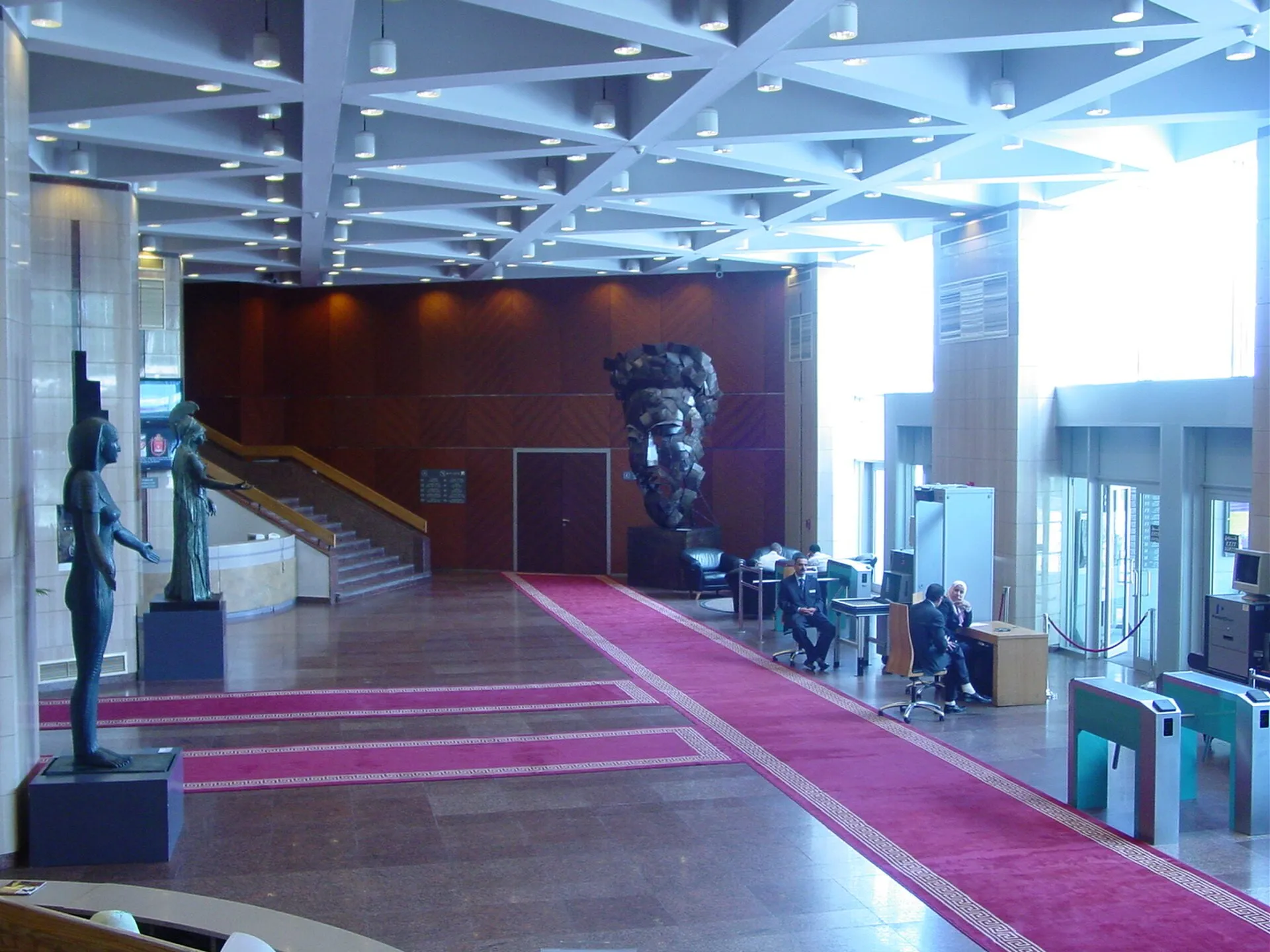
Catacombs of Kom El Shoqafa
Underground necropolis where three civilizations carved their dead into stone
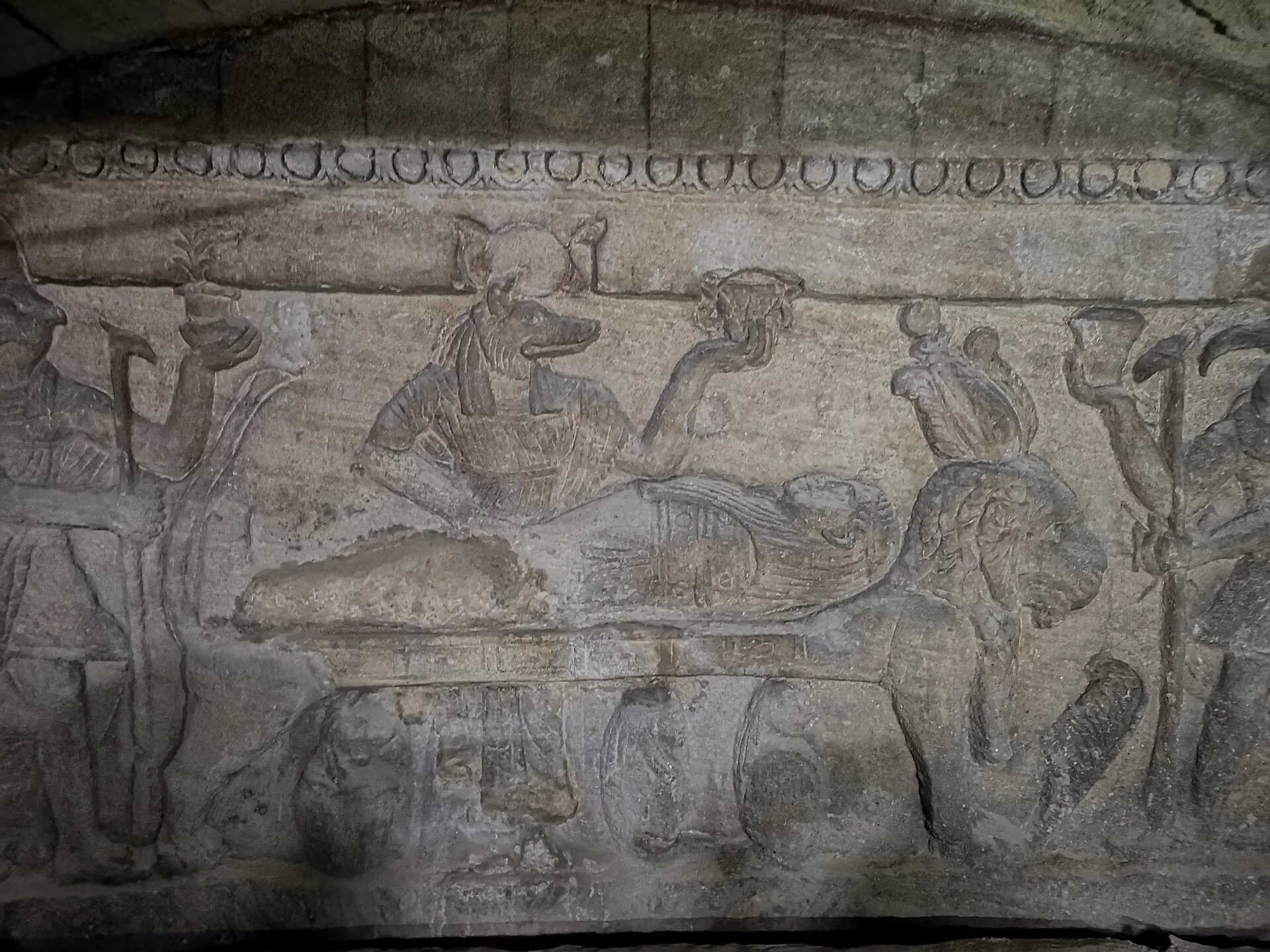
Citadel of Qaitbay
15th-century fortress rising from the ruins of the ancient Lighthouse of Alexandria
Guide planning
How much does a tour guide cost in Alexandria?
Per person, glass-bottom boat or snorkel, 2–3 hours
Site entry fees are separate. The Bibliotheca Alexandrina costs EGP 150 ($3), Qaitbay Citadel EGP 200 ($4), and Kom El Shoqafa EGP 200 (~$4). Prices are subject to change — confirm with your guide before departure.
Season planner
When is the best time to visit Alexandria?
Best season: March through May and September through November offer mild temperatures (20–28 °C) and fewer crowds than Cairo.
Spring
Mar-May
Summer
Jun-Aug
Autumn
Sep-Nov
Winter
Dec-Feb
Each score averages that season’s monthly ratings out of 5. The top-rated window is usually the peak season too, so read the guidance above for its trade-offs before you book.
On the ground
How do you get around Alexandria?
- Getting there — Alexandria is 220 km northwest of Cairo — express trains take about 2.5 hours from Ramses Station, or private car transfers run $60–90
- Currency — Egyptian Pound (EGP); most tourist sites accept only local currency, so withdraw from ATMs near Raml Station
- Dress code — Alexandria is more liberal than Upper Egypt, but cover shoulders and knees when visiting mosques — the Abu al-Abbas al-Mursi Mosque is worth a stop
- Sea breeze factor — Coastal winds keep Alexandria 5–10 °C cooler than Cairo year-round, but carry a light jacket for evening walks along the Corniche
- Tipping — EGP 50–100 for site guards who open restricted areas, 10–15 % for private guides, and a few pounds for helpful locals
- Photography — The Bibliotheca allows photos in the main hall but not in special exhibition rooms — ask your guide about current restrictions at each site
Frequently Asked Questions
What is the best time to visit Alexandria?
Best season: March through May and September through November offer mild temperatures (20–28 °C) and fewer crowds than Cairo.
How much does a tour guide cost in Alexandria?
Alexandria's history spans Hellenistic, Roman, Byzantine, and Islamic periods, so the right guide makes all the difference:
How do you get around Alexandria?
Getting there: Alexandria is 220 km northwest of Cairo — express trains take about 2.5 hours from Ramses Station, or private car transfers run $60–90.