

What makes Egypt a must-visit destination?
Egypt straddles the northeast corner of Africa and the Sinai Peninsula, cradling the Nile River that sustained one of humanity's earliest and longest-lasting civilizations. With seven UNESCO World Heritage Sites — from the Giza pyramid complex to medieval Islamic Cairo — the country draws over 14 million visitors every year. Hieroglyphic temples, royal tombs carved deep into desert cliffs, and an unmistakable desert-meets-river landscape make Egypt unlike any other destination on Earth.
A qualified Egyptologist transforms a trip from photo stops into genuine understanding. Whether you are deciphering cartouches inside Karnak's hypostyle hall, sailing past Aswan's granite islands on a felucca, or tracing Cleopatra's legacy through Alexandria's Mediterranean streets, local expertise connects scattered ruins into a vivid narrative spanning five thousand years.
Where should you go in Egypt?
The Capital & Lower Egypt
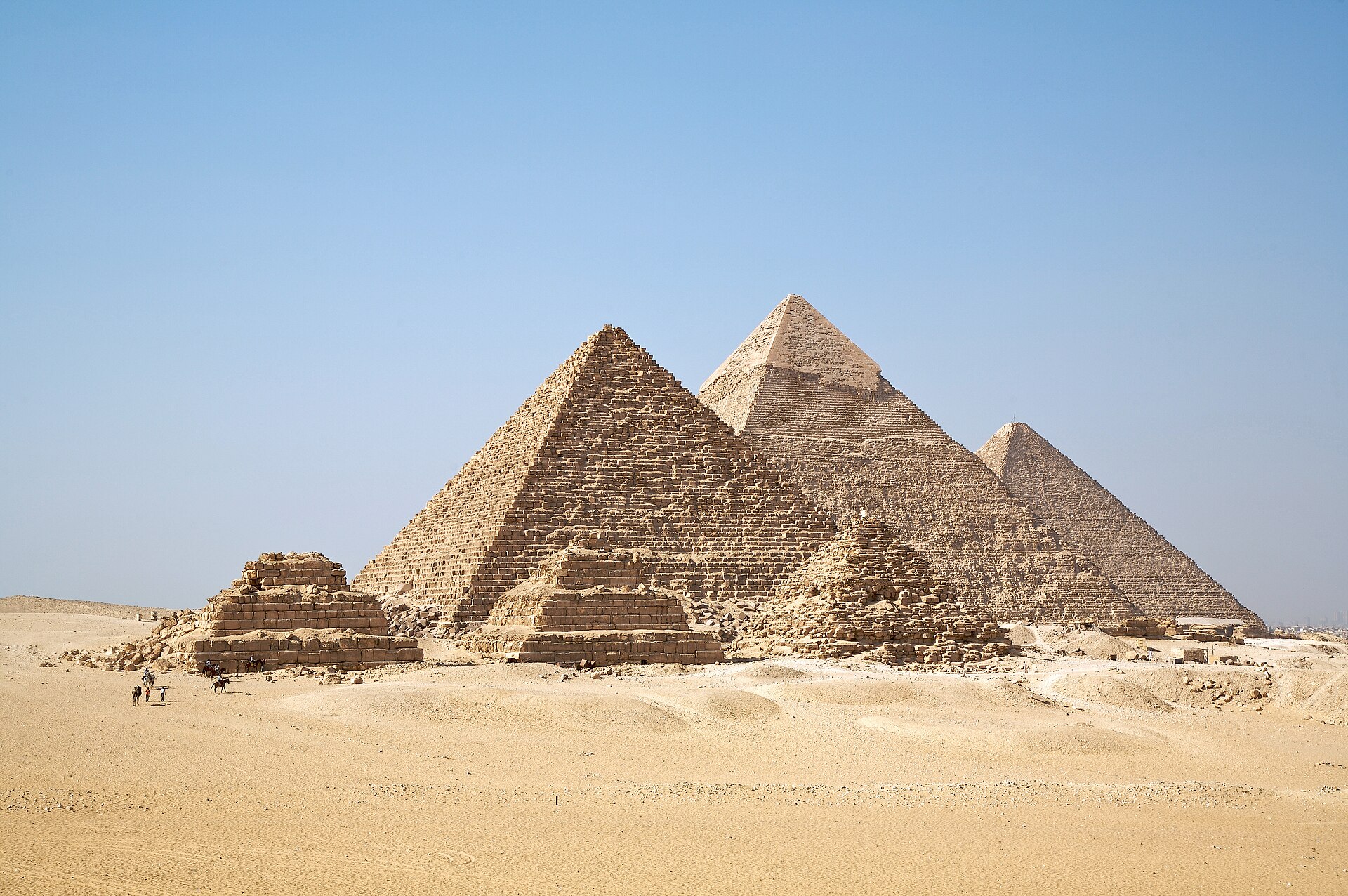
Cairo overwhelms in the best possible way — medieval mosques shoulder up against bustling bazaars, and the Grand Egyptian Museum overflows with artifacts that span thirty dynasties. At Giza, the Great Pyramid and the Sphinx need no introduction, though the nearby Solar Boat Museum often catches visitors by surprise.
The Nile Valley
Upstream along the Nile, Luxor functions as an open-air museum unto itself, with Karnak's forest of columns on the east bank and the Valley of the Kings carved into the cliffs of ancient Thebes on the west. Aswan marks the Nubian frontier, where feluccas glide past granite islands to Philae Temple, and the road south leads to the colossal rock-cut facades of Abu Simbel.
The Mediterranean Coast
Alexandria trades desert heat for a Mediterranean breeze, its waterfront shaped by Alexander the Great's founding vision and anchored today by the striking modern Library of Alexandria.
Alexandria
Egypt's Mediterranean jewel where ancient wisdom meets coastal splendor
⛵Aswan
Nubian gateway on the Nile where temples rise from desert and water
🕌Cairo
Where pharaonic grandeur meets the living pulse of the Arab world
🔺Giza
Home to the last surviving Ancient Wonder of the World
🏺Luxor
The world's greatest open-air museum on the Nile
What do visitors need to know about Egypt?
Finding a Guide
- Egypt's Ministry of Tourism requires guides at archaeological sites to hold an Egyptology degree and a government-issued license — look for the official badge with photo ID
- GetYourGuide, Viator, and Egypt Tailor Made offer pre-vetted guides with transparent reviews and flexible cancellation
- Major hotels in Cairo and Luxor partner with licensed guides and can arrange private or small-group excursions, often with car and driver included
- Multi-day cruises between Luxor and Aswan bundle on-board Egyptologists with every shore excursion, covering temples along the river at a relaxed pace
Typical Costs
| Tour Type | Price Range |
|---|---|
| Group walking tour (3–4 hrs) | $25–50 per person |
| Private half-day (up to 6) | $80–160 including transport |
| Private full-day (up to 6) | $150–300 including transport |
| Multi-day Nile cruise with Egyptologist | $600–1,500 per person (3–4 nights) |
| Specialist photography or sunrise tour | $100–200 per person |
Must-See Experiences
- Giza Pyramids at dawn — Arrive before the crowds to see the last Ancient Wonder bathed in golden light
- Karnak Sound and Light Show — An evening walk through illuminated columns retelling pharaonic history
- Abu Simbel sunrise — Ramesses II's colossal facade glows orange as the sun rises over Lake Nasser
- Felucca sailing in Aswan — Drift past Elephantine Island and the Aga Khan Mausoleum on a traditional wooden sailboat
- Khan El-Khalili at night — Cairo's medieval bazaar comes alive with lantern vendors, spice merchants, and traditional coffee houses
- Tutankhamun's treasures — The Grand Egyptian Museum near Giza houses the boy king's golden mask and 5,000 artifacts
- Philae Temple by boat — A short motorboat ride across the Nile delivers you to Isis's island sanctuary
Tips for Visitors
- Best season — October through April offers cooler temperatures (20–25 °C); summer in Upper Egypt regularly exceeds 40 °C
- Visa on arrival — Most nationalities can buy a 30-day tourist visa at Cairo airport for $25
- Currency — Egyptian Pound (EGP); US dollars and euros are widely accepted at tourist sites but local currency gets better prices
- Dress modestly — Cover shoulders and knees when visiting mosques; lightweight long sleeves also protect against sun
- Hydration — Carry at least 2 liters of water per person when visiting outdoor sites — dehydration is the most common tourist ailment
- Photography permits — Some tombs and museum halls charge extra for camera use (EGP 50–300); ask your guide before snapping inside
- Tipping culture — Baksheesh is expected — EGP 50–100 for site guards, 10–15% for private guides, EGP 20–50 for drivers
- Site entry tickets — Almost always separate. Giza Plateau costs EGP 540 (
$11), Karnak EGP 450 ($9), and Valley of the Kings EGP 600 (~$12) as of 2024. Prices change frequently — confirm with your guide before departure
When is the best time to visit Egypt?
Frequently Asked Questions
What is the best time of year to visit Egypt?
October through April brings comfortable daytime temperatures of 20 to 25 degrees Celsius, making it the ideal window for exploring the Pyramids of Giza, cruising the Nile from Luxor to Aswan, and wandering Cairo's medieval streets. Summer heat in Upper Egypt regularly exceeds 40 degrees, turning visits to the Valley of the Kings and Karnak Temple into grueling ordeals best avoided unless you start at dawn. Nile cruises run year-round but are most pleasant from November through February, when the weather is mild and the light over the river is at its most photogenic. The Red Sea coast around Hurghada and Sharm el-Sheikh offers warm water and excellent diving in every season, making it a reliable add-on regardless of when you visit.
How much does a private tour guide cost in Egypt?
Group walking tours: $25–50 per person (3–4 hours). Private half-day tours: $80–160 (up to 6 people, including transport).
Do I need to speak the local language to travel in Egypt?
Arabic is the official language, and while tourist-facing staff in Cairo and Luxor hotels often speak basic English, communication becomes difficult at local markets, taxi stands, and smaller archaeological sites. Egypt's Ministry of Tourism requires guides at major monuments to hold Egyptology degrees and government licenses, so a qualified guide not only translates but deciphers hieroglyphics, explains the religious symbolism carved into every temple column, and negotiates fair prices with felucca captains and bazaar vendors on your behalf.