

Overview
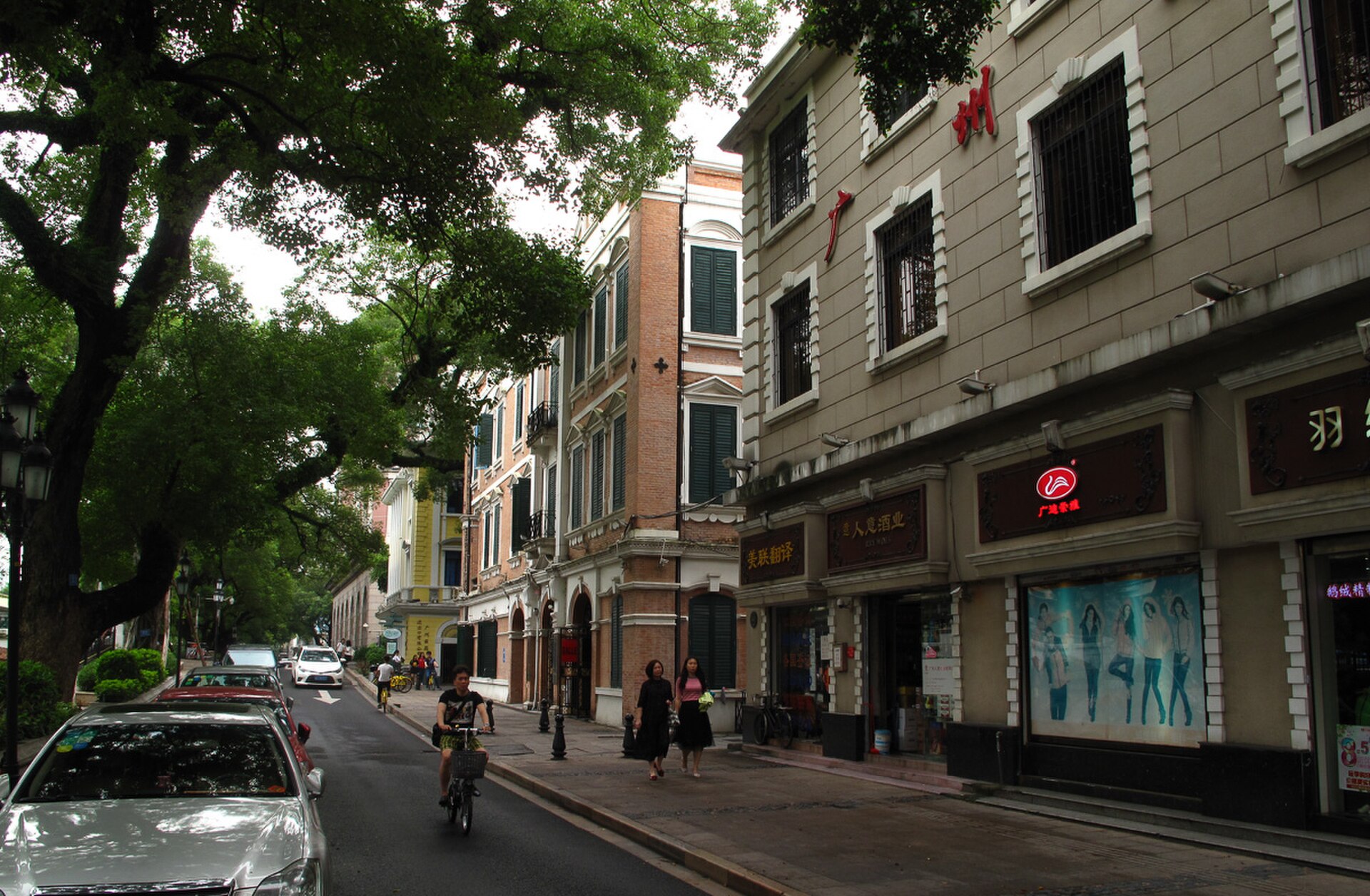
Shamian Island is a 900-meter-long sandbank in the Pearl River that was divided into British and French concession zones following the Second Opium War in 1859. For the next century, foreign powers built consulates, churches, banks, and trading houses along the island's two main boulevards, creating an enclave of European neoclassical, baroque, and art deco architecture that still stands largely intact. Connected to the Liwan District mainland by two short bridges, the island today feels like a pocket of Mediterranean calm dropped into one of China's most frenetic cities. Ancient banyan trees line every avenue, their aerial roots forming natural curtains over the pavements. Cars are restricted on most streets, replaced by joggers, wedding photographers, and elderly residents practicing tai chi on the grass. The island sits just ten minutes by taxi from both Chen Clan Ancestral Hall and the ferry docks where you can embark on a Pearl River cruise past Canton Tower, forming a natural Guangzhou walking itinerary.
Walking Routes
Our Lady of Lourdes Chapel: A small French Gothic chapel built in 1892, still standing on Shamian's central boulevard with its original stained glass. Banyan-canopied main avenue: Shamian Dajie boulevard runs the island's length under a continuous green tunnel of century-old banyan trees. Wedding photography scene: Couples in full bridal attire pose against the European facades; watching the elaborate setups is entertainment in itself. Former British Consulate: A grand cream-colored building at the island's eastern tip, now repurposed but retaining its columned portico and formal gardens. Pearl River waterfront promenade: A paved walkway along the southern shore offers views across to the Liwan shore and passing cargo barges. Bronze street sculptures: Life-sized statues depicting historical scenes are scattered along the lanes, from Qing-era merchants to colonial-era residents
Local Life
Shamian's resident population is small but deeply rooted, and mornings on the island belong to them. Retirees practice sword forms and fan dances on the grassy median of Shamian Dajie before breakfast, while older couples claim shaded benches along the Pearl River promenade to play Chinese chess and listen to Cantonese opera on portable radios. Cross the east bridge into Liwan and the pace shifts entirely: Qingping Market stalls overflow with dried seahorses, medicinal herbs, and live turtles, and dim sum restaurants along Dishifu Road serve har gow and char siu bao to crowds of locals who have eaten there for years.
When to Visit
Island access: Open 24 hours, public streets with no gates or admission. Cafes and restaurants: Most open 9:00 AM to 10:00 PM. Best time: Late afternoon when golden light filters through the banyan canopy and the temperature drops enough for a comfortable stroll. Photography tip: Early morning on weekdays offers empty streets and soft light ideal for capturing the architecture
Admission and Costs
Island entry: Completely free. Coffee at a colonial-building cafe: ¥25-45 for a specialty drink. Lunch at a waterfront restaurant: ¥60-120 per person for Cantonese or Western cuisine. Getting there: Huangsha metro station (Line 1) is a 5-minute walk across the north bridge; taxis from the city center cost ¥15-25
Tips for Visitors
Combine with Qingping Market: Cross the east bridge and you land at the edge of Guangzhou's famous traditional medicine and dried goods market. Bring mosquito repellent: The dense tree cover and river proximity attract mosquitoes, especially during the humid summer months. Do not rush: Shamian rewards slow exploration; sit on a bench, watch the tai chi groups, and absorb the contrast between this island and the city beyond the bridges. History requires a guide: Plaques on buildings are mostly in Chinese; an English-speaking guide can explain the layered history of opium trade, foreign concessions, and modern reclamation. Evening riverside walk: After dark the waterfront path offers views of the Liwan skyline and cool breezes off the Pearl River