

Overview
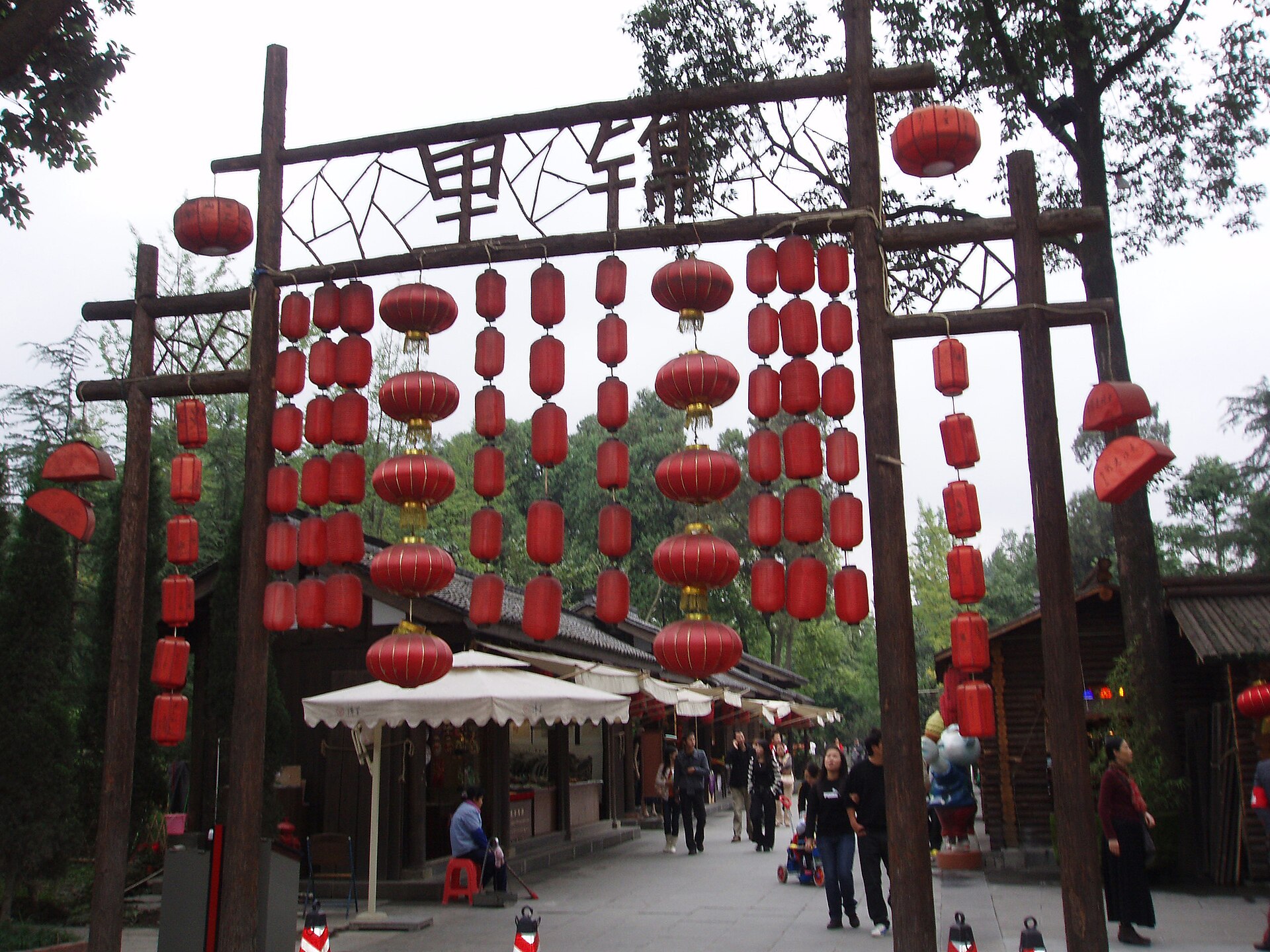
Jinli Ancient Street is a 550-meter pedestrian lane adjacent to the Wuhou Shrine, recreating the bustling commercial atmosphere of a Shu Kingdom marketplace from the Three Kingdoms period (220-280 CE). While the current buildings were constructed in 2004, they faithfully reproduce Qing-dynasty architectural styles with dark timber frames, curved tile roofs, and latticed windows that transport visitors to an older Chengdu. The street's real magic lies in what fills those structures: shadow puppet theaters, sugar-blowing artisans who shape molten candy into intricate animals, face-changing opera performers who swap painted masks at superhuman speed, and dozens of food stalls serving Sichuan specialties you won't find anywhere else. Jinli is at its most enchanting after sunset, when hundreds of red lanterns cast a warm glow over the crowd and the scent of grilled skewers mingles with sweet osmanthus. The street connects naturally to a visit to the Panda Research Base in the morning and makes an ideal evening complement before or after a day trip to the Leshan Giant Buddha. For the full picture, see our Chengdu guide.
Landmarks Along
Three Cannon Balls (san da pao): Glutinous rice balls launched into a tray of soybean powder with a dramatic triple bang - delicious theater. Face-changing opera: Performers swap elaborately painted masks in fractions of a second, a closely guarded Sichuan art form. Lantern-lit atmosphere: As night falls, the red glow reflecting off dark wooden facades creates one of Chengdu's most photogenic scenes. Shadow puppet shows: Backlit leather puppets enact classical Chinese stories to live narration and music in tiny streetside theaters. Chuan chuan xiang skewers: Pick from dozens of ingredients on bamboo sticks, dipped into communal spicy broth and sold by the skewer. Calligraphy and seal carving: Artisans carve your name in Chinese characters onto a stone seal while you watch
Photo Spots
Several locations along Jinli Ancient Street offer exceptional photographic opportunities at specific times of day when the light, framing, and atmosphere align. Guides know these spots and can help visitors capture memorable images of their visit.
When to Visit
Street access: Open 24 hours, though most shops operate 10:00 AM - 10:00 PM. Food stalls peak: 5:00 PM - 9:00 PM when the full range of vendors is active. Best: Arrive around 5:00 PM to browse in daylight, then stay as the lanterns ignite at dusk. Avoid: National holiday weeks when the narrow street becomes shoulder-to-shoulder
Admission and Costs
Street entry: Free. Wuhou Shrine (adjacent): ¥50. Street snacks: ¥5-20 per item. Sugar painting or dough figurine: ¥10-30 for a handmade souvenir. Face-changing performance: Free outdoor shows on the street, or ¥50-150 at seated teahouse stages
Tips for Visitors
Visit Wuhou Shrine first: The shrine closes at 6:00 PM - see it before transitioning to Jinli for the evening food and performance scene. Eat from the side alleys: The main drag has tourist-priced stalls, while parallel lanes serve locals at half the cost with equal flavor. Bargain gently on crafts: Prices at souvenir stalls are negotiable, but keep it friendly - aggressive haggling is frowned upon. Bring small bills: While most stalls accept WeChat Pay, having ¥5 and ¥10 notes speeds up transactions at the smallest vendors. Don't fill up too fast: With so many snack options, pace yourself with small portions so you can sample the full range of Sichuan flavors