

What makes China a must-visit destination?
China stretches across a vast landmass that contains some of the world's most extraordinary cultural and natural treasures. From the imperial grandeur of Beijing's Forbidden City to the futuristic skyline of Shanghai, from the silent ranks of Xi'an's Terracotta Warriors to the misty karst peaks above Guilin's Li River, few countries pack such variety into a single journey.
Navigating China's rich history, complex languages, and regional customs makes an English-speaking guide invaluable. A skilled guide decodes Confucian symbolism in palace architecture, secures tables at family-run Sichuan restaurants tourists would never find, and transforms a walk along an ancient city wall into a vivid lesson on dynastic strategy. With over 60 million inbound visitors a year, guides are well-established across every major destination.
Where should you go in China?
The Imperial North
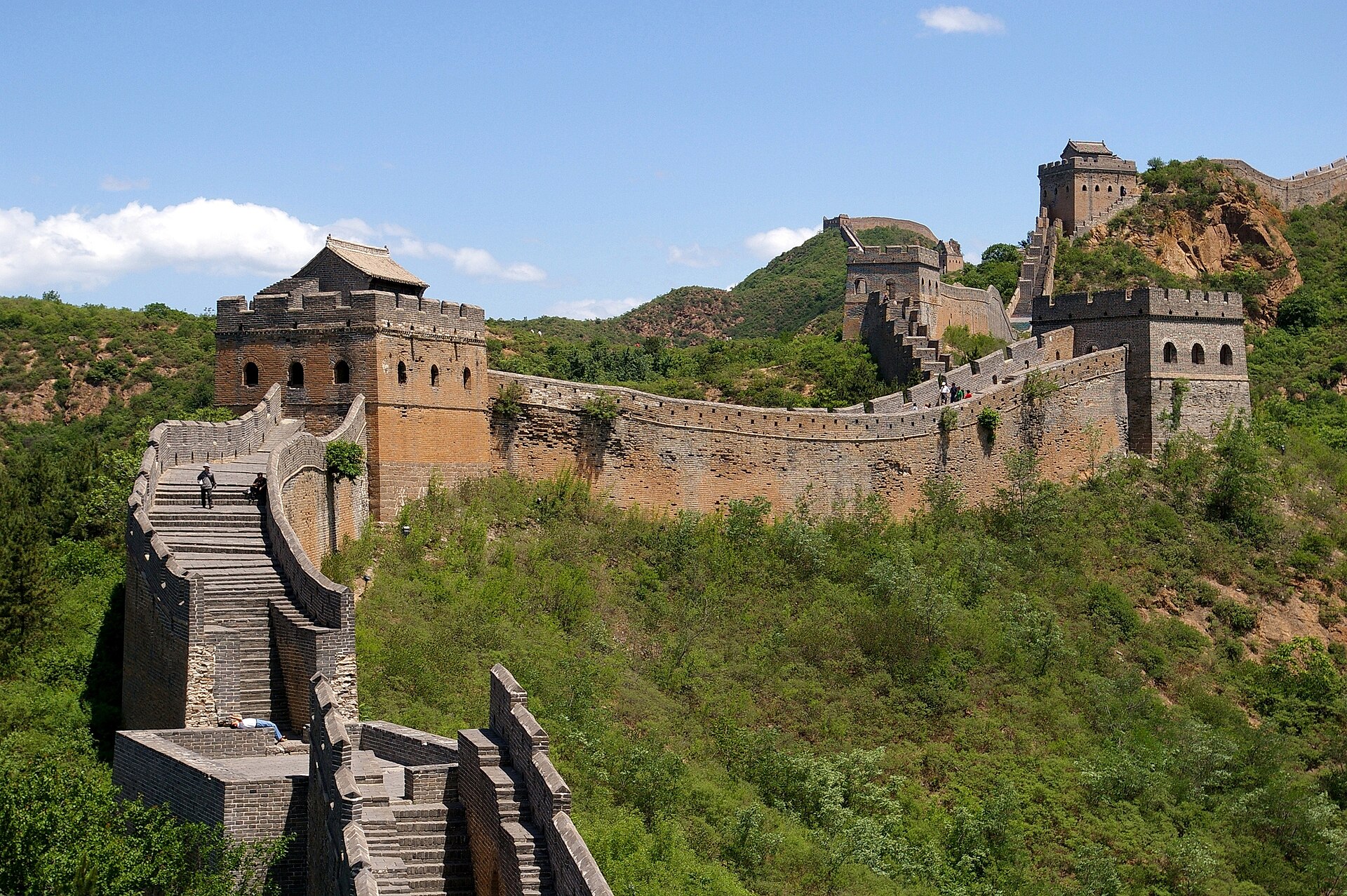
Beijing opens with the Forbidden City, the Great Wall, and the Temple of Heaven — monuments so vast they rewrite your sense of scale. Xi'an, once the eastern anchor of the Silk Road, guards the Terracotta Army behind its intact City Wall, and the Muslim Quarter still serves lamb skewers under lantern light.
The Eastern Seaboard
Shanghai answers with a different kind of grandeur, its Bund waterfront juxtaposing colonial banking halls against the Shanghai Tower and the neon glow of Pudong. Hangzhou drifts at a slower tempo around West Lake, Lingyin Temple, and the Longjing tea hillsides. Guangzhou rounds out the map with the twisting Canton Tower, the ornate Chen Clan Hall, and the leafy colonial lanes of Shamian Island.
The Interior & South
In Chengdu, giant pandas tumble through bamboo at the Research Base while Jinli Street and the colossal Leshan Buddha offer a gentler pace. Guilin's karst peaks rise from the Li River like a scroll painting, complemented by the Reed Flute Cave and tiered rice terraces nearby. Hong Kong stacks Victoria Peak views, the bronze Tian Tan Buddha, and clamorous night markets into a vertical cityscape.
Beijing
The imperial capital where dynasties shaped civilization
🐼Chengdu
Sichuan's laid-back capital of pandas, spice, and teahouse culture
🏙️Guangzhou
The birthplace of dim sum and two thousand years of maritime trade
🏔️Guilin
Where emerald peaks rise from the mist like brushstrokes on silk
🍵Hangzhou
The city Marco Polo deemed the most splendid in the world still earns the title
🌃Hong Kong
A Special Administrative Region where skyscrapers crowd the harbor and tradition fills the back streets
🌃Shanghai
Where Art Deco grandeur meets a soaring futuristic skyline
🐉Xi'an
Gateway to China's ancient past and the legendary Silk Road
What do visitors need to know about China?
Finding a Guide
- Government-licensed guides carry an official ID card and have passed language proficiency and cultural knowledge exams. China requires professional certification for tour guides.
- International hotels in cities like Beijing and Shanghai maintain curated lists of English-speaking guides they trust. This is often the most reliable route for last-minute bookings.
- Viator, GetYourGuide, and Klook feature vetted Chinese guides with traveler reviews. Booking ahead is strongly recommended during national holidays like Golden Week.
- Reputable agencies like China Highlights and Intrepid Travel employ experienced guides who handle logistics, translation, and cultural context across multi-city itineraries.
Typical Costs
| Tour Type | Price Range |
|---|---|
| Group walking tour | ¥200–500 ($28–70) per person |
| Private half-day guide | ¥800–1,500 ($110–210) |
| Private full-day guide | ¥1,500–2,500 ($210–350) |
| Food tour guide (includes tastings) | ¥400–800 per person |
| Multi-day specialist guide (per day) | ¥2,000–4,000 |
Must-See Experiences
- The Forbidden City — 9,999 rooms of imperial history spanning 600 years
- The Great Wall — Walk the Mutianyu section for restored ramparts without the crowds
- Terracotta Army — Over 8,000 life-sized warriors guarding an emperor's tomb
- Giant pandas in Chengdu — Watch cubs tumble at the world's leading conservation center
- Li River landscapes — Drift past jade-green karst peaks on a bamboo raft
- Shanghai's Bund at dusk — Art Deco meets neon as the Pudong skyline ignites
- Longjing tea ceremony — Sip premium green tea in the hillside plantations where it grows
- Cantonese dim sum — Savor steaming baskets in the birthplace of yum cha
Tips for Visitors
- Book early for peak seasons — October's Golden Week and Chinese New Year (January/February) see massive domestic travel; guides fill up months ahead
- VPN before you go — Google, WhatsApp, and most Western social media are blocked on the mainland. Download a VPN before arriving. Hong Kong does not have these restrictions
- WeChat Pay and Alipay — Cash and foreign credit cards are rarely accepted. Ask your guide to help set up mobile payments or bring a linked international card
- Language barrier is real — Outside top-tier tourist sites, English signage is sparse. Guides are essential for train stations, restaurants, and hospitals
- High-speed rail — China's bullet train network connects most cities faster than flying; your guide can help book tickets on the 12306 app
- Best weather windows — April–May and September–November offer comfortable temperatures and fewer crowds in most regions
- Tipping — Not expected in mainland China, but appreciated by private guides. In Hong Kong, a 10% service charge is standard
- Visa planning — Most nationalities need a visa. Apply at least 4 weeks ahead; transit visa exemptions exist for short stopovers
When is the best time to visit China?
Frequently Asked Questions
What is the best time of year to visit China?
April through May and September through November offer comfortable temperatures and fewer crowds across most regions. Avoid October's Golden Week and Chinese New Year (January/February), when massive domestic travel packs transport and tourist sites — if you must travel then, book guides months ahead.
How much does a private tour guide cost in China?
Given the language barrier and complexity of navigating Chinese cities, guided tours offer strong value. Group walking tours run ¥200–500 ($28–70) per person, while a private English-speaking guide for a half day — essential at sites like the Forbidden City or along the Great Wall — costs ¥800–1,500 ($110–210).
Do I need to speak the local language to travel in China?
Mandarin is the official language, but China's regions speak dozens of distinct dialects and many rural areas have virtually no English signage or speakers. Even in Beijing and Shanghai, menus, transit systems, and hospital forms are overwhelmingly in Chinese characters. An English-speaking guide is essential for navigating daily logistics, and invaluable for interpreting the historical and cultural context at sites like the Forbidden City or Terracotta Army.