
Adventure & Geography
🇨🇦 Tour Guides in Canada
Vast wilderness, vibrant cities, and warm hospitality from coast to coast
Why should you explore Canada?
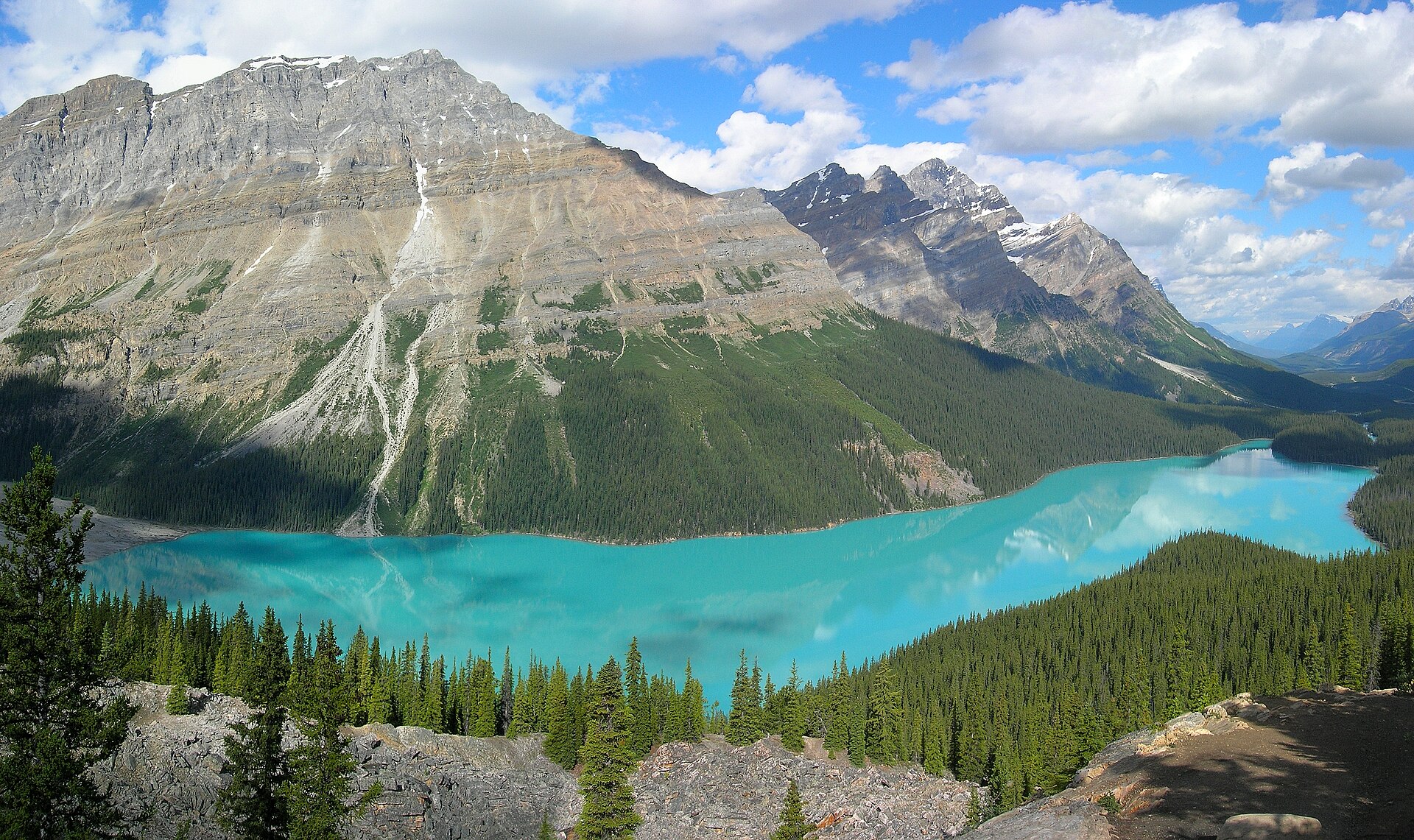
Stretching from the Atlantic to the Pacific and up to the Arctic, Canada is the world's second-largest country by landmass and one of its most welcoming destinations. Visitors encounter cosmopolitan cities like Toronto and Montreal alongside staggering natural landscapes — Rocky Mountain peaks, boreal forests, and coastlines that seem to go on forever. The country's bilingual heritage, blending English and French traditions, creates a cultural richness unlike anywhere else in North America.
Whether you're chasing the Northern Lights in the Yukon, sampling poutine in Quebec City, or kayaking through Vancouver's harbour, a knowledgeable local guide transforms any Canadian trip from scenic to unforgettable. Guides help navigate seasonal extremes, translate French-speaking regions, and share Indigenous histories that most travel books overlook.
Where should you go in Canada?
Ontario & The Capital
Toronto's CN Tower punctuates a skyline that shelters some of the most culturally diverse neighborhoods on the continent, along with a dining scene to match. Ottawa ties the country together with Parliament Hill, the Rideau Canal — a skating rink in winter, a boating corridor in summer — and national museums flanked each May by millions of tulips.
Quebec & French Canada
Montreal layers cobblestone Old Montreal, year-round festivals, and a fiercely independent food identity built on bagels, smoked meat, and French-speaking joie de vivre. Quebec City feels lifted from Europe, its fortified Old Town dominated by the turreted Château Frontenac and centuries of French heritage visible in every stone wall.
The Pacific Coast
On the Pacific coast, Vancouver frames every street with either mountains or ocean, offering Stanley Park's thousand-acre seawall loop and a craft beer culture that keeps expanding.
🎭 Montreal
North America's French-speaking cultural powerhouse
🏛️ Ottawa
Canada's capital - where national pride and natural beauty converge
🏰 Quebec City
North America's most European city, founded in 1608
🏙️ Toronto
Canada's largest city - where the world meets on one skyline
🌲 Vancouver
Where snow-capped peaks plunge into the Pacific
What should you know before visiting Canada?
Finding a Guide
- Provincial tourism agencies — Tourism Ontario, Tourisme Québec, Destination British Columbia — maintain curated lists of licensed guides and outfitters
- Parks Canada interpreter programs offer guided hikes, wildlife viewing, and cultural experiences led by trained naturalists within Canada's 48 national parks
- Indigenous Tourism Canada certifies authentic experiences led by First Nations, Métis, and Inuit guides sharing traditional knowledge, art, and land-based practices
- Urban walking tour operators in major centres cover food scenes, street art, architecture, and neighbourhood history with passionate local storytellers
Typical Costs
| Tour Type | Price Range |
|---|---|
| Group walking tour | CA$25–50 (~US$19–37) per person |
| Private half-day guide | CA$200–400 (~US$148–296) |
| Private full-day guide | CA$400–700 (~US$296–518) |
| National park guided hike | CA$60–120 (~US$44–89) per person |
| Indigenous cultural experience | CA$80–200 (~US$59–148) per person |
Must-See Experiences
- CN Tower — Toronto's defining landmark with glass-floor thrills and city panoramas
- Stanley Park — A thousand-acre urban oasis ringed by Vancouver's seawall
- Notre-Dame Basilica — Montreal's dazzling Gothic Revival masterpiece
- Château Frontenac — The world's most photographed hotel, crowning Quebec City
- Parliament Hill — Gothic architecture and the Changing of the Guard in the capital
- Montmorency Falls — A cascade thirty metres taller than Niagara
- Rideau Canal — UNESCO-listed waterway that becomes the world's largest skating rink
- Montreal Museum of Fine Arts — One of North America's foremost art collections
Tips for Visitors
- Dress in layers — Canadian weather shifts rapidly; even summer days can turn chilly in the mountains or along the coast
- Language pockets — Quebec is officially French-speaking; guides in Montreal and Quebec City often offer bilingual tours
- Tipping culture — Canadians expect 15–20% tips for guided tours, meals, and taxis
- Seasonal planning — Summer (June–August) is peak season; fall foliage peaks mid-September to mid-October
- Travel distances — Canada is enormous; flying between cities is often more practical than driving
- Currency — The Canadian dollar (CA$) is widely accepted alongside credit cards; carry cash for markets and small vendors
- Wildlife awareness — Bear spray and proper food storage are essential for backcountry hiking; guides provide safety briefings
- eTA requirement — Most visa-exempt travellers need an Electronic Travel Authorization before flying to Canada
When is the best time to visit Canada?
Frequently Asked Questions
What is the best time of year to visit Canada?
Summer (June through August) is peak season with warm weather ideal for cities, national parks, and coastal exploration. Fall foliage peaks from mid-September to mid-October, painting Quebec and Ontario in spectacular color. Winter draws skiers to Whistler and the Rockies, while spring (April-May) brings fewer crowds and cherry blossoms in Vancouver.
How much does a private tour guide cost in Canada?
Prices reflect Canada's high standard of living but remain reasonable. A group walking tour in cities like Montreal or Vancouver typically runs CA$25-50 (US$19-37) per person, and a private half-day guide costs CA$200-400 (US$148-296) — particularly worthwhile for bilingual tours in Quebec or Indigenous cultural experiences.
Do I need to speak the local language to travel in Canada?
The country's bilingual heritage, blending English and French traditions, creates a cultural richness unlike anywhere else in North America.