
Quebec City timeline
-
Champlain founds Quebec
The French settlement on the St. Lawrence became the cradle of New France.
-
Battle of the Plains
British victory outside the walls changed the future of French Canada.
-
Provincial capital
Confederation made Quebec City the capital of the province of Quebec.
-
Old Quebec listed
UNESCO recognition protected the fortified old town as a World Heritage Site.
Cited city facts
Key facts for visiting Quebec City
Only walled city north of Mexico
Quebec City's 4.6 kilometres of stone ramparts, gates, and bastions — raised by French and British engineers between the 17th and 19th centuries — make Old Quebec the sole fortified city still standing north of Mexico, a distinction central to its 1985 UNESCO World Heritage listing
Founded in 1608 by Samuel de Champlain
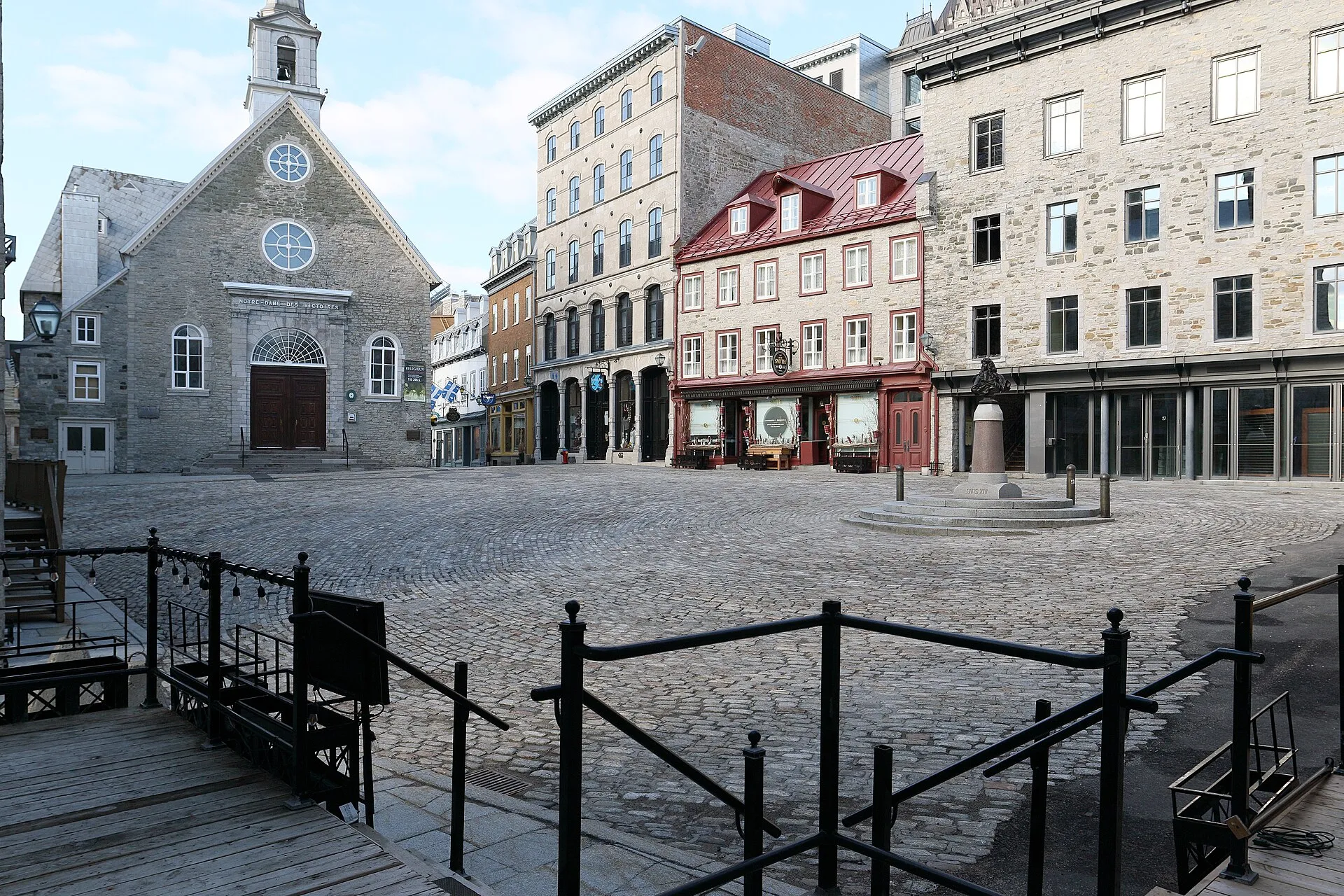
Champlain's riverside habitation at Place Royale grew into the capital of New France and the oldest French-speaking city in North America, giving Quebec City more than four centuries of continuous history
World's largest winter carnival
The Carnaval de Québec, held over roughly two weeks each January and February since 1955, is billed as the biggest winter carnival on Earth, drawing hundreds of thousands to its ice palace, night parades, and canoe race across the frozen St. Lawrence
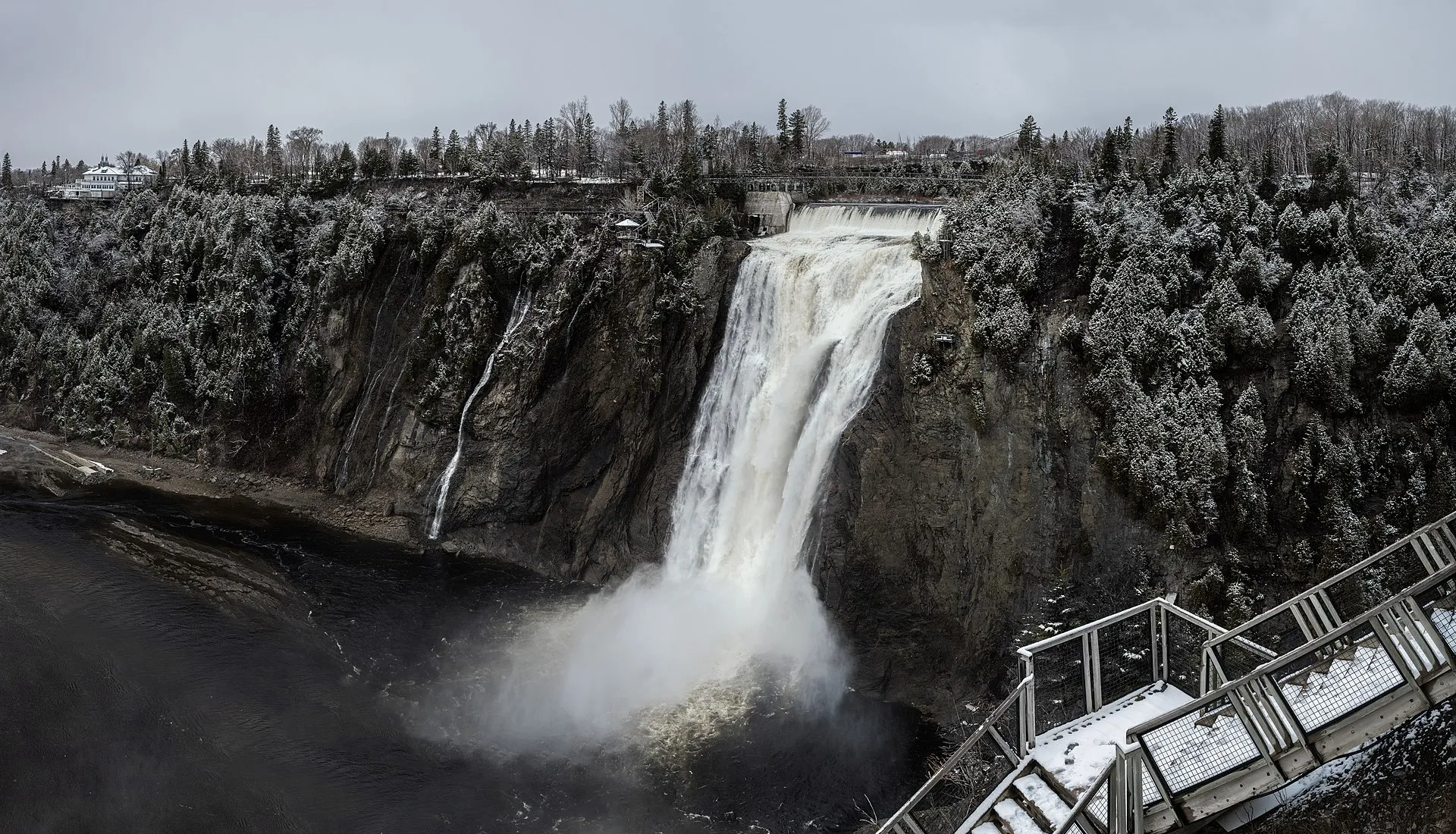
Montmorency Falls: 83 metres tall
Just twelve kilometres downstream, the Montmorency waterfall plunges 83 metres — some 30 metres higher than Niagara Falls — and freezes each winter into a towering ice cone locals call the "pain de sucre" (sugarloaf)
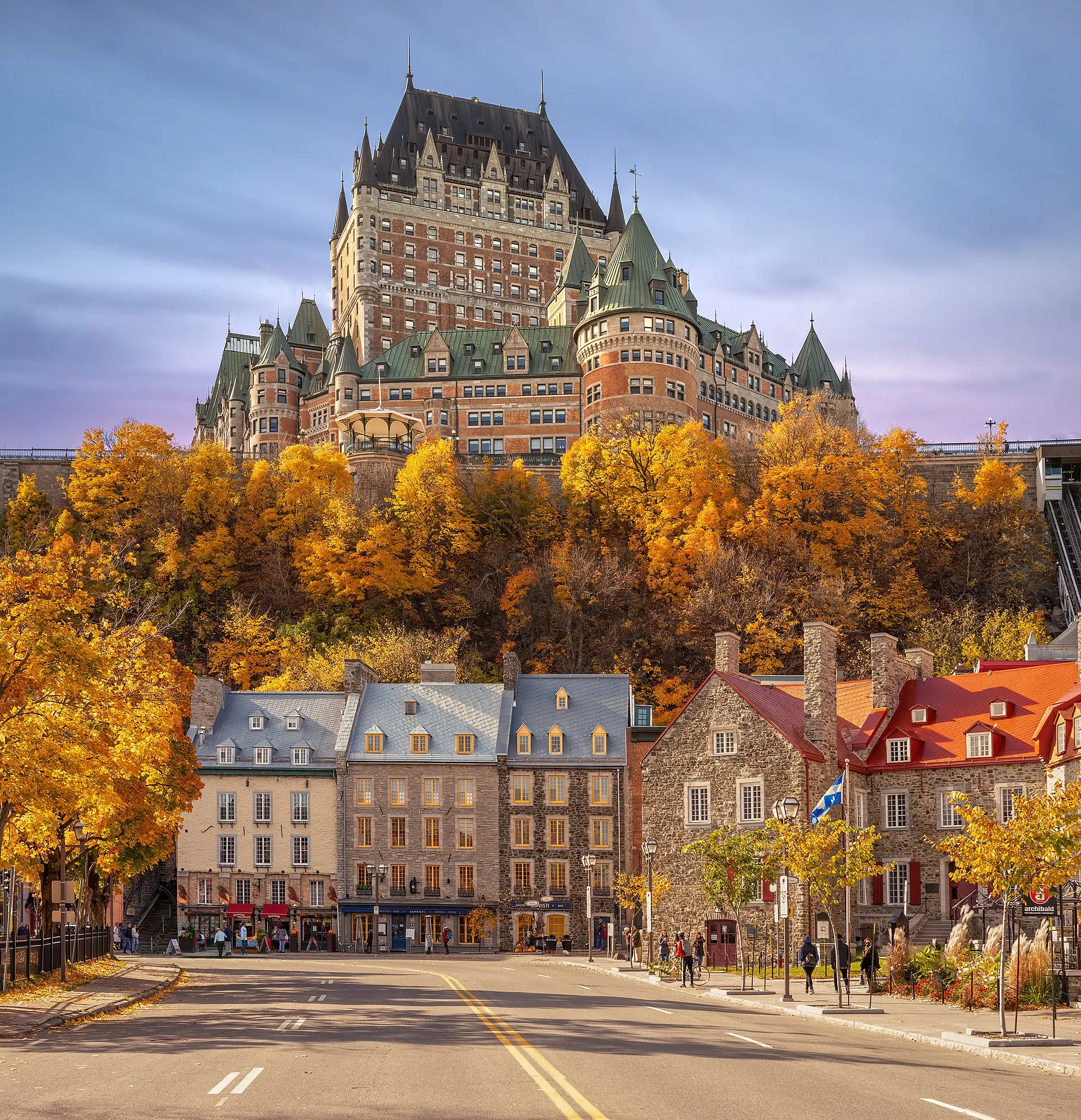
Château Frontenac: opened in 1893
Built by the Canadian Pacific Railway and named for a governor of New France, the copper-roofed Château Frontenac crowns the Cap Diamant clifftop and is often cited as the most photographed hotel in the world
96.4% French-speaking population
French is the mother tongue of the vast majority of Quebec City's roughly 550,000 residents, making it one of the most linguistically homogeneous major cities in North America
Source: tour-guide.com — Free to cite with attribution
Things to see
What are the top attractions in Quebec City?
- Château Frontenac boardwalk — Dufferin Terrace offers sweeping river and lower-town panoramas
- Petit-Champlain quarter — The narrowest, most charming shopping street in North America, tucked below Old Quebec's cliff
- Montmorency Falls zipline — Soar 300 metres across the face of a cascade taller than Niagara
- Winter Carnival — Ice palaces, night parades, and canoe races on the frozen St. Lawrence
- Île d'Orléans — A pastoral island of farmsteads, vineyards, and maple sugar shacks
- Place Royale murals — Trompe-l'oeil frescoes depicting four centuries of Quebec life
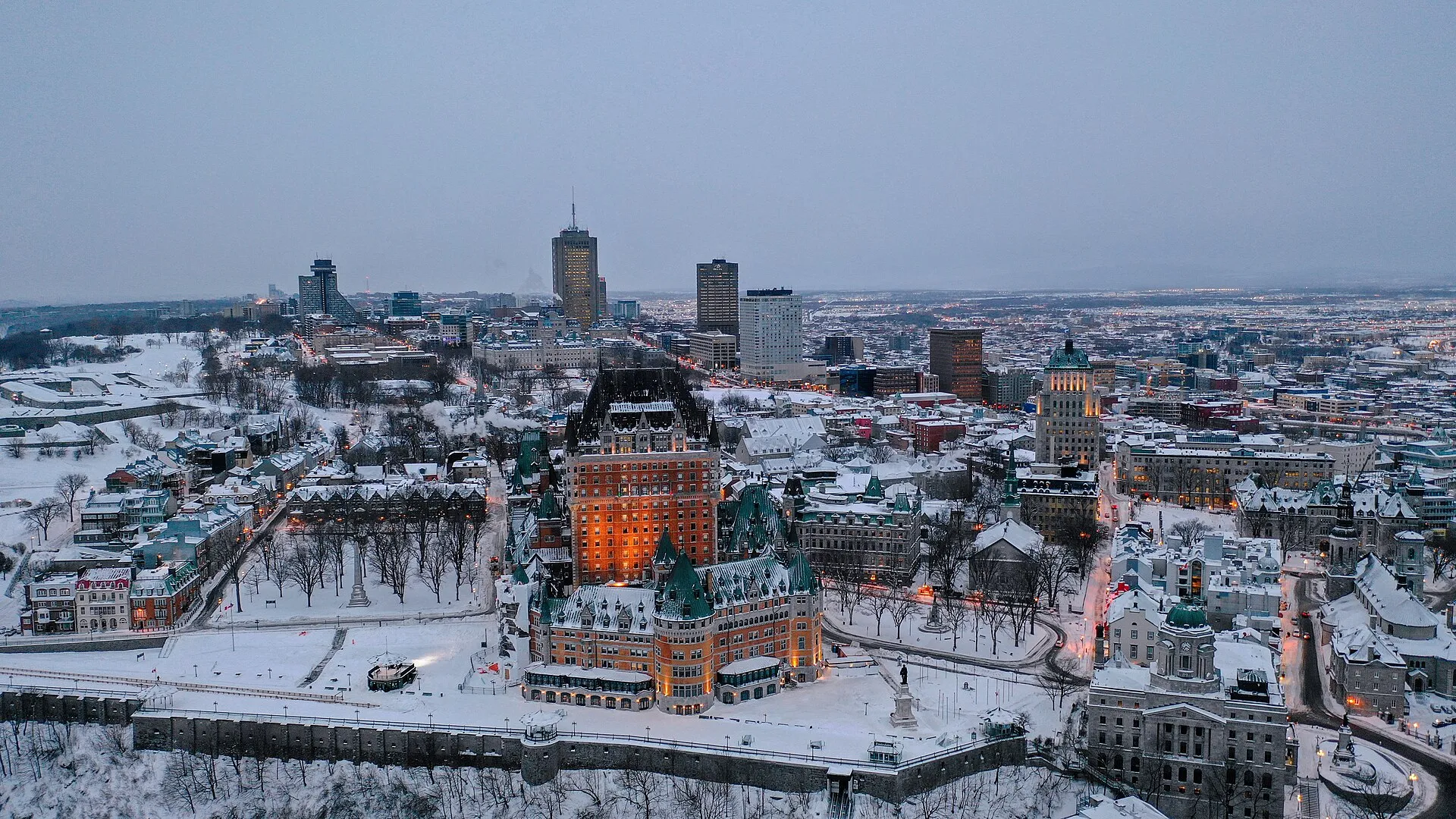
Château Frontenac
The world's most photographed hotel crowning Quebec's skyline
Montmorency Falls
An 83-metre cascade that towers over Niagara
Old Quebec
The only walled city in North America, frozen in time since 1608
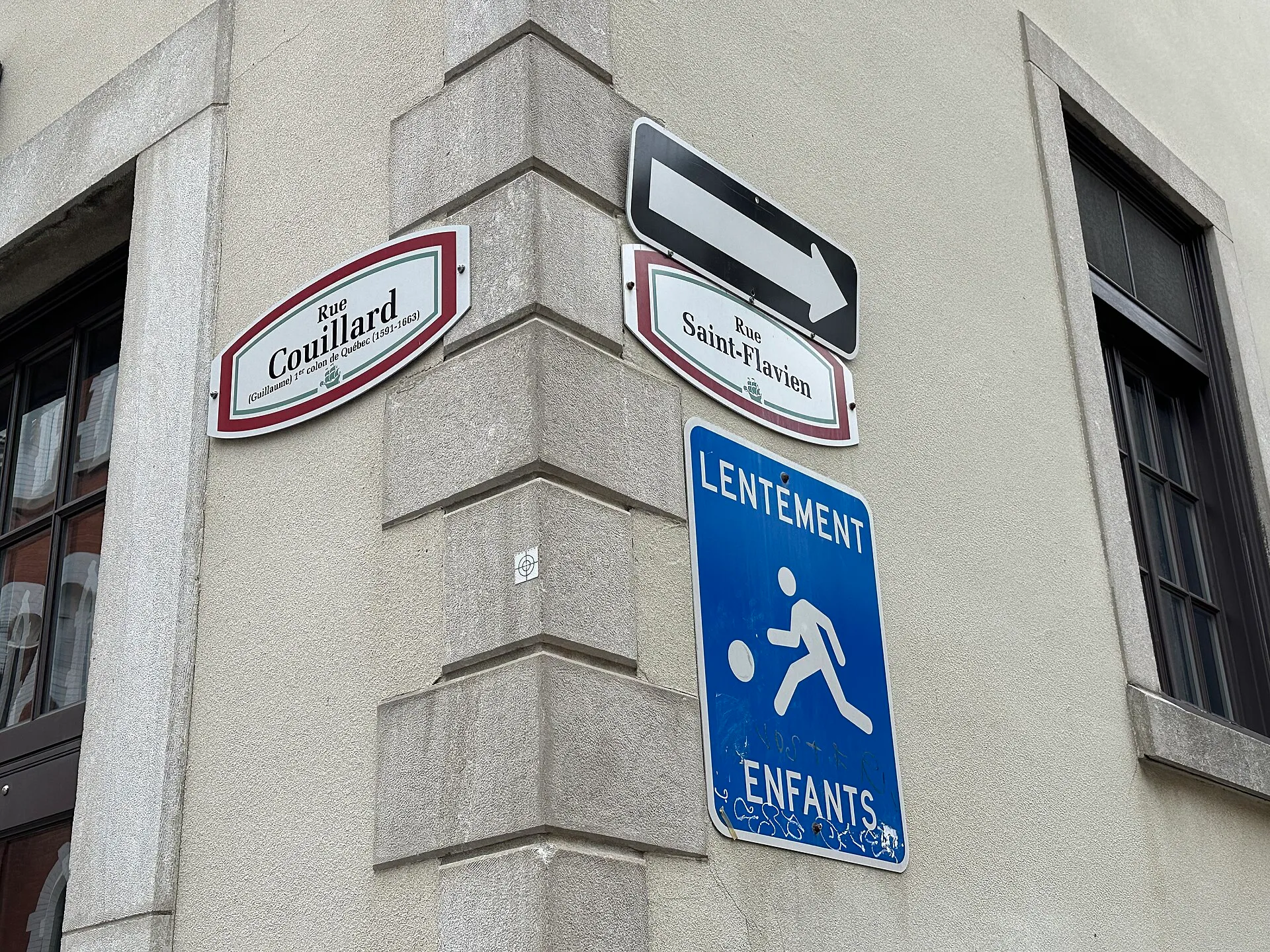
Place Royale
Birthplace of French civilization in the Americas
Guide planning
How much does a tour guide cost in Quebec City?
Guiding rates in Quebec City sit broadly in line with the rest of Canada, and for a first visit to this francophone capital a bilingual guide is the single best investment you can make. Expect the following typical rates:
| Tour Type | Price | Details |
|---|---|---|
| Group Walking Tours | CA$25-40 | ~US$19-30 per person |
| Ghost & History Tours | CA$30-50 | ~US$22-37 evening tours |
| Private Half-Day | CA$200-350 | ~US$148-259 |
| Private Full-Day | CA$380-600 | ~US$281-444 |
Season planner
When is the best time to visit Quebec City?
The Quebec Winter Carnival (Carnaval de Québec) in late January and February is one of the world's largest winter festivals, featuring an ice palace, night parades, and canoe races across the frozen St. Lawrence River. Summer from June through August fills the Old Town with outdoor concerts, the Festival d'été music festival in July, and long warm evenings on the Château Frontenac's Dufferin Terrace boardwalk. Autumn is spectacular on Île d'Orléans and around Montmorency Falls, where the vineyards and maple groves turn brilliant shades of crimson and amber from late September through mid-October. Spring thaw in April and May brings quieter streets, budding gardens along the fortification walls, and the sweet smell of fresh maple syrup flowing from cabanes à sucre across the surrounding countryside.
Spring
Mar-May
Summer
Jun-Aug
Autumn
Sep-Nov
Winter
Dec-Feb
Each score averages that season’s monthly ratings out of 5. The top-rated window is usually the peak season too, so read the guidance above for its trade-offs before you book.
On the ground
How do you get around Quebec City?
- French is essential — Quebec City is more francophone than Montreal; bilingual guides make navigation effortless
- Wear sturdy shoes — The Old Town's cobblestones and steep hills between Upper and Lower Town demand comfortable footwear
- Funicular shortcut — The Old Quebec funicular connects Upper and Lower Town for CA$4 each way, sparing you the steep Breakneck Stairs
- Getting here — VIA Rail links Montreal to Quebec City's Gare du Palais in about three and a quarter hours, and Jean Lesage International Airport (YQB) lies roughly 15 km west of the core
- Local transit — RTC city buses connect the historic core to the suburbs and out to Montmorency Falls, though the compact, walkable centre means most visitors rarely need them
- Cruise ship days — When ships dock at the Port of Québec, the Old Town gets crowded; morning or evening visits are calmer
Frequently Asked Questions
What is the best time to visit Quebec City?
The Winter Carnival in late January and February is a world-famous festival with ice palaces and canoe races. Summer fills the Old Town with outdoor concerts and the Festival d'été. Autumn brings stunning leaf color on Île d'Orléans, and spring means maple syrup season at nearby cabanes à sucre.
Why is Quebec City important to Canada?
Founded in 1608, Quebec City was the capital of New France and the cradle of French settlement in North America. It was the stage for the decisive 1759 Battle of the Plains of Abraham and today serves as the political capital of the province of Quebec, the heart of Québécois culture, and home to a UNESCO-listed old town that draws millions of visitors each year.
Do you need to speak French to visit Quebec City?
No, but a few courtesies help. Quebec City is overwhelmingly francophone — more so than Montreal — yet the tourism trade in Old Quebec is well used to English-speaking visitors, and most guides, hotels, and restaurants in the historic core operate bilingually. A bilingual guide unlocks stories that English signage alone never tells.
How much does a tour guide cost in Quebec City?
Group Walking Tours: CA$25-40 (US$19-30 per person). Ghost & History Tours: CA$30-50 (US$22-37 evening tours). Private Half-Day: CA$200-350 (US$148-259). Private Full-Day: CA$380-600 (US$281-444)
How far is Quebec City from Montreal?
Quebec City sits about 250 kilometres (155 miles) northeast of Montreal along Autoroute 20 or 40 — roughly a three-hour drive. VIA Rail trains connect the two cities in about three and a quarter hours, and frequent intercity coaches and short flights link them as well, making a combined visit to both Quebec cities easy to plan.
How do you get around Quebec City?
Old Quebec is compact and best explored on foot, with a funicular linking the upper and lower town. Local RTC buses connect the historic core to surrounding suburbs and attractions.