
Toronto timeline
-
Town of York founded
The colonial town on Lake Ontario became the capital of Upper Canada and the core of modern Toronto.
-
Toronto incorporated
York took the Indigenous-derived name Toronto and began its rise as a major Canadian city.
-
Metropolitan government
Metro Toronto coordinated suburban growth, transit, and regional infrastructure.
-
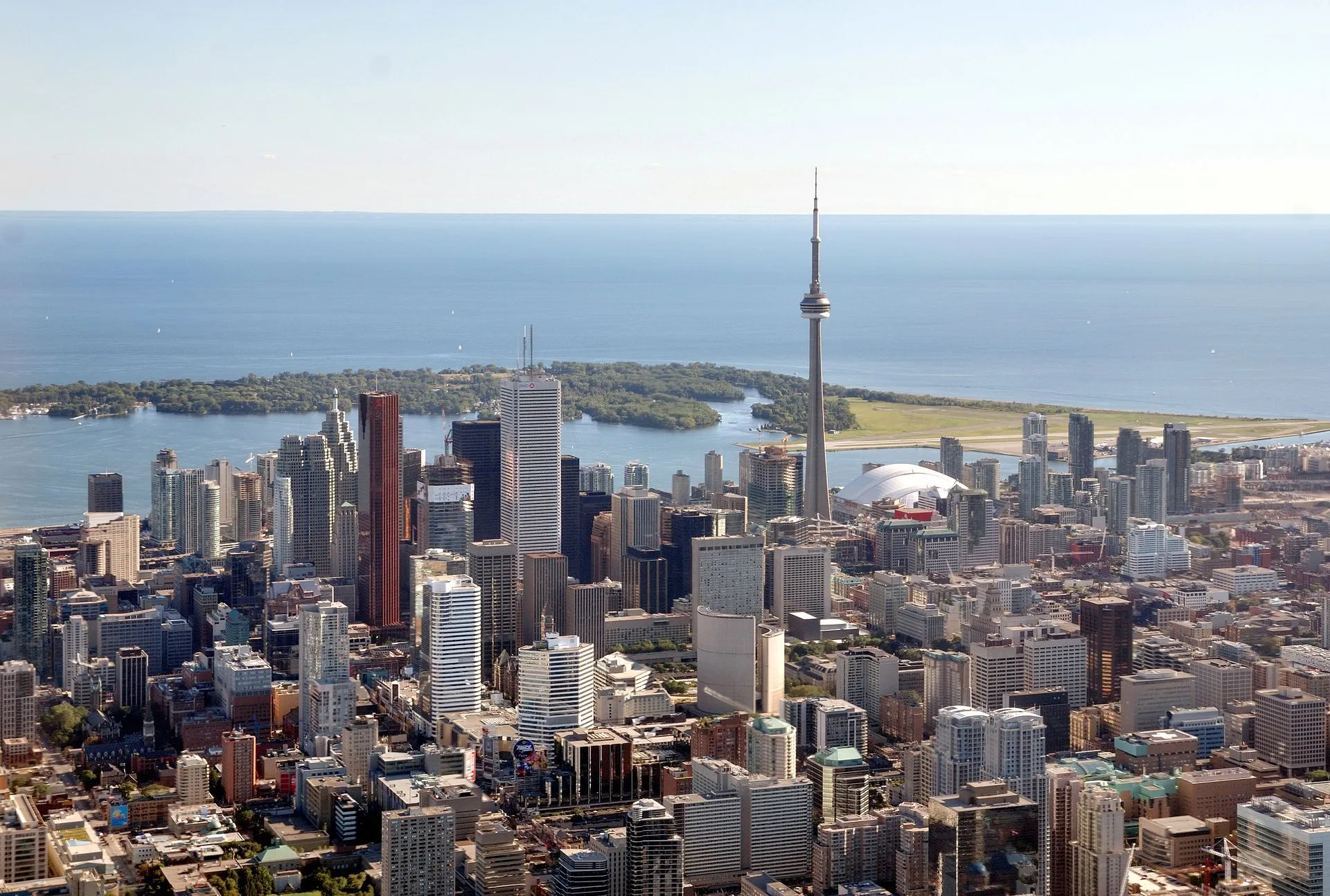
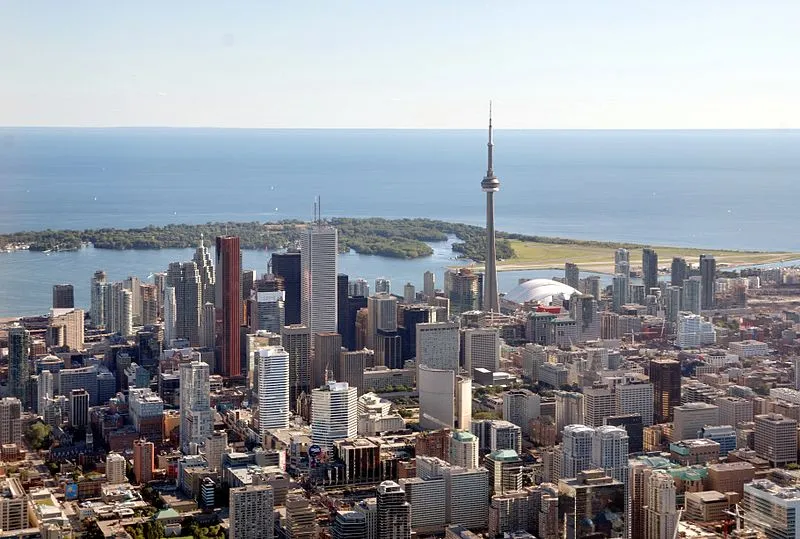
CN Tower opens
The tower gave Toronto its defining skyline marker and visitor icon.
-
Amalgamation forms the "megacity"
Six municipalities merged into a single City of Toronto, cementing its place as Canada's largest city.
Cited city facts
Key facts for visiting Toronto
Over 200 ethnic groups speaking 140+ languages
Toronto is one of the most multicultural cities on Earth, with more than half of its 2.9 million residents born outside Canada, according to Statistics Canada census data
Greater Toronto Area home to about 6.7 million people
The metropolitan region is Canada's largest and one of the fastest-growing in North America, holding roughly one in six Canadians and generating a fifth of national economic output
CN Tower held the world's tallest free-standing structure record until 2007
At 553.3 metres, the CN Tower opened in 1976 as the world's tallest free-standing structure. The Burj Khalifa surpassed it during construction in 2007; the CN Tower remains Canada's tallest structure
PATH network: 30 km of underground walkways
Toronto's PATH system is the largest underground shopping complex in the world by total area, linking 75 buildings and six subway stations beneath the financial district
Home to the Toronto Stock Exchange, North America's third-largest
The TSX and its financial-district bank towers make Toronto Canada's undisputed economic capital and one of the leading financial centres in the Americas by listed companies
Third-largest film production centre in North America
Toronto's film industry generates over CA$2 billion annually, earning the city the nickname "Hollywood North" with major studios and the Toronto International Film Festival drawing global attention each September
Source: tour-guide.com — Free to cite with attribution
Things to see
What are the top attractions in Toronto?
- CN Tower at sunset — Watch the city lights come alive from 553 metres up
- Kensington Market — Bohemian streets packed with vintage shops and global street food
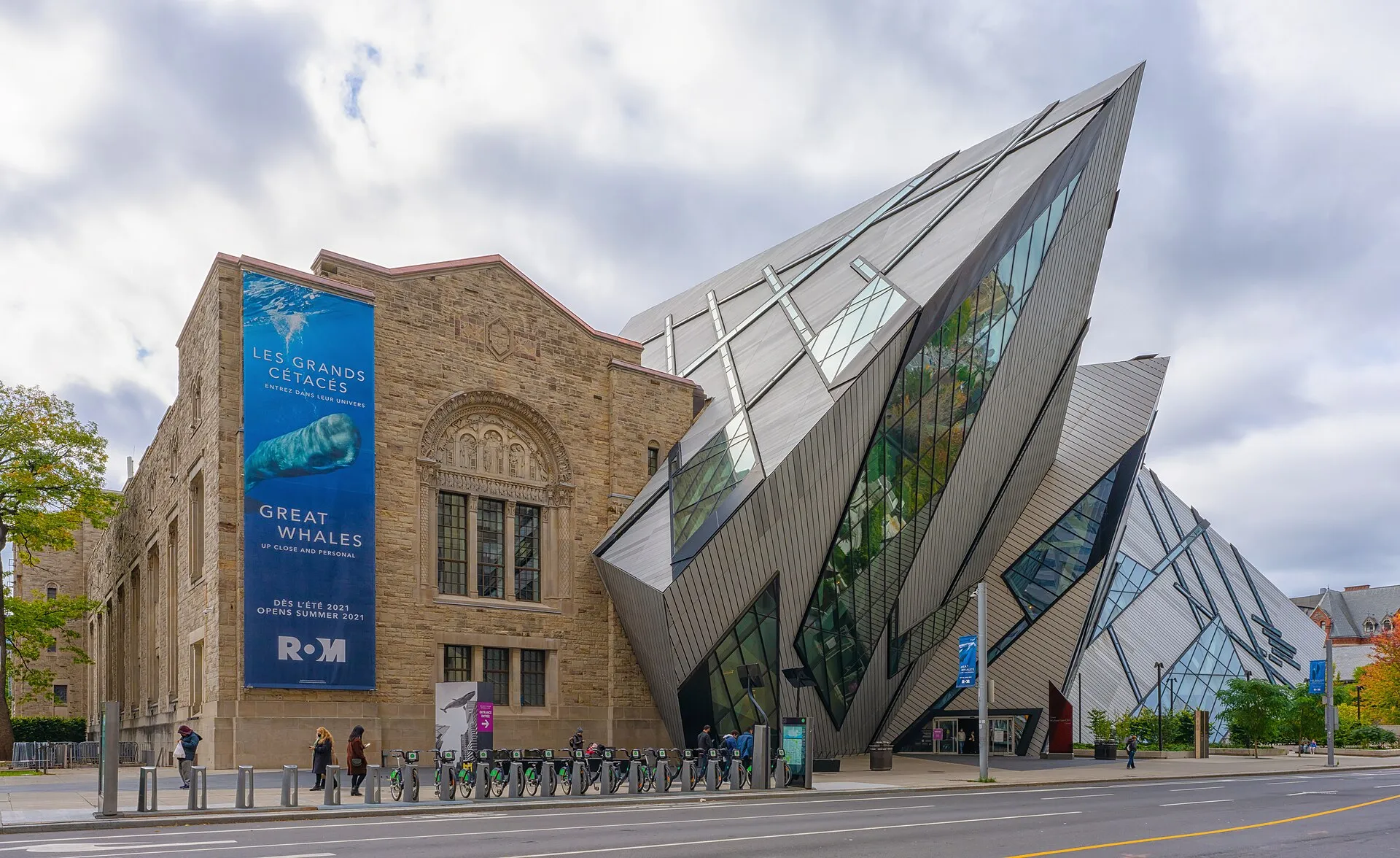
- Royal Ontario Museum — Dinosaur galleries beneath the Michael Lee-Chin Crystal
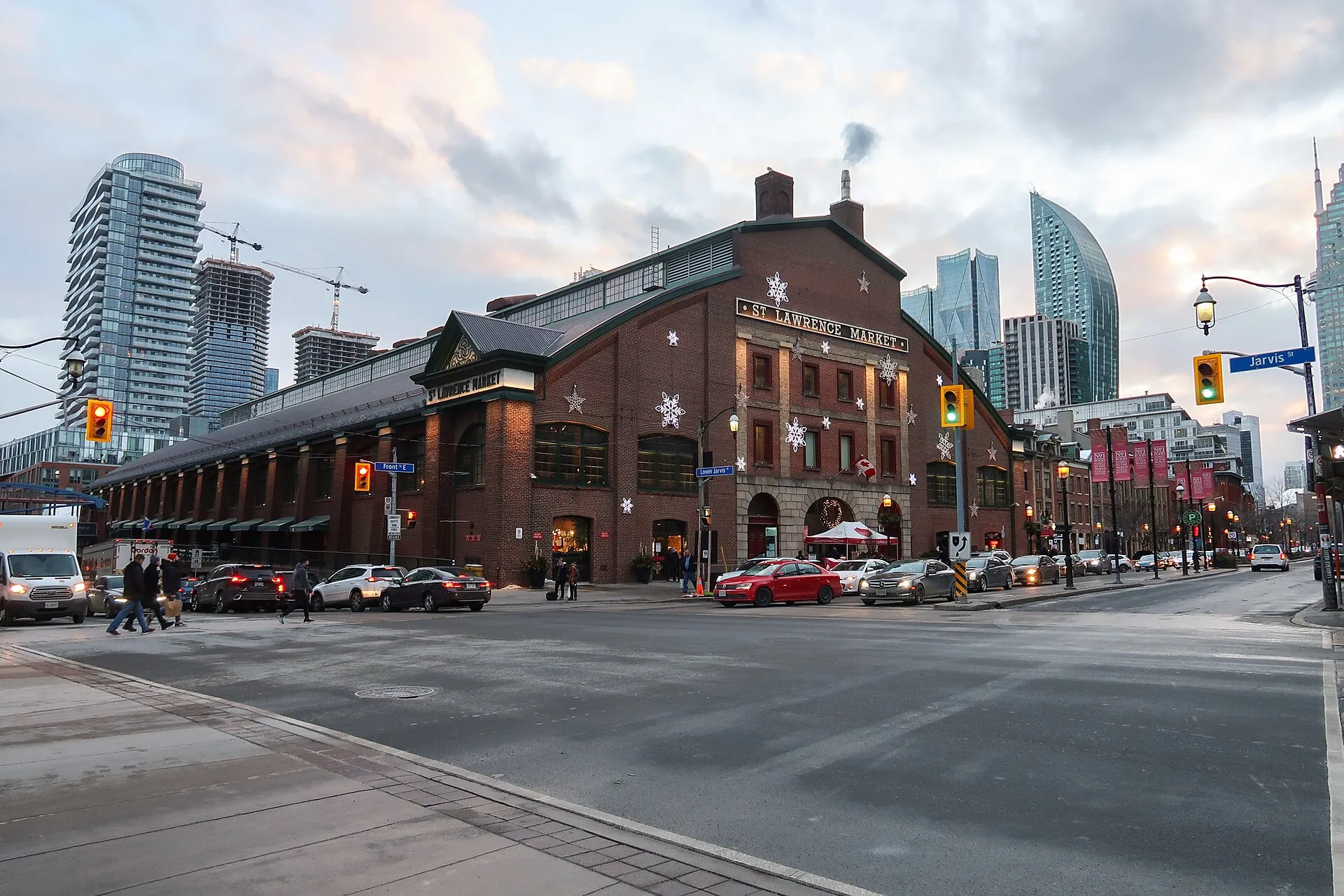
- St. Lawrence Market — 120+ vendors in the market National Geographic named the world's best
- Ripley's Aquarium of Canada — Walk the tunnel beneath sharks at the foot of the CN Tower
- Theatre District — Broadway-calibre shows along King Street West
- Toronto Islands — Ferry ride to car-free islands with skyline views
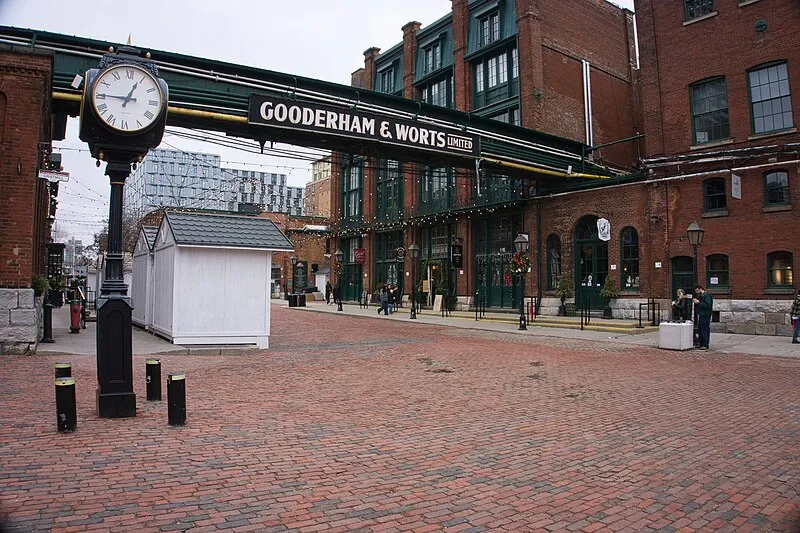
- Distillery District — Craft breweries and galleries in heritage brick buildings
CN Tower
Toronto's needle in the sky at 553 metres
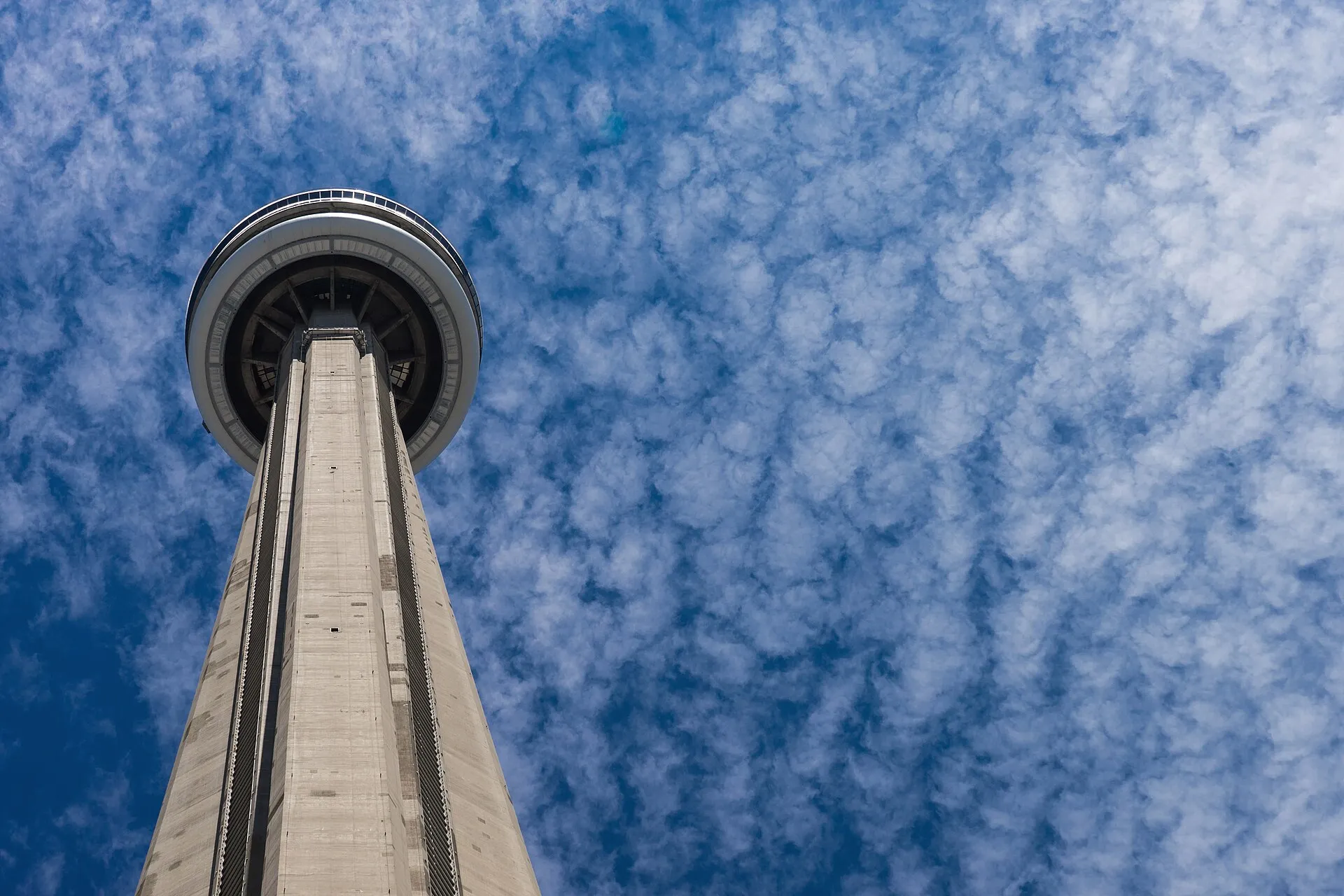
Distillery District
Victorian whiskey heritage reborn as Toronto's arts quarter
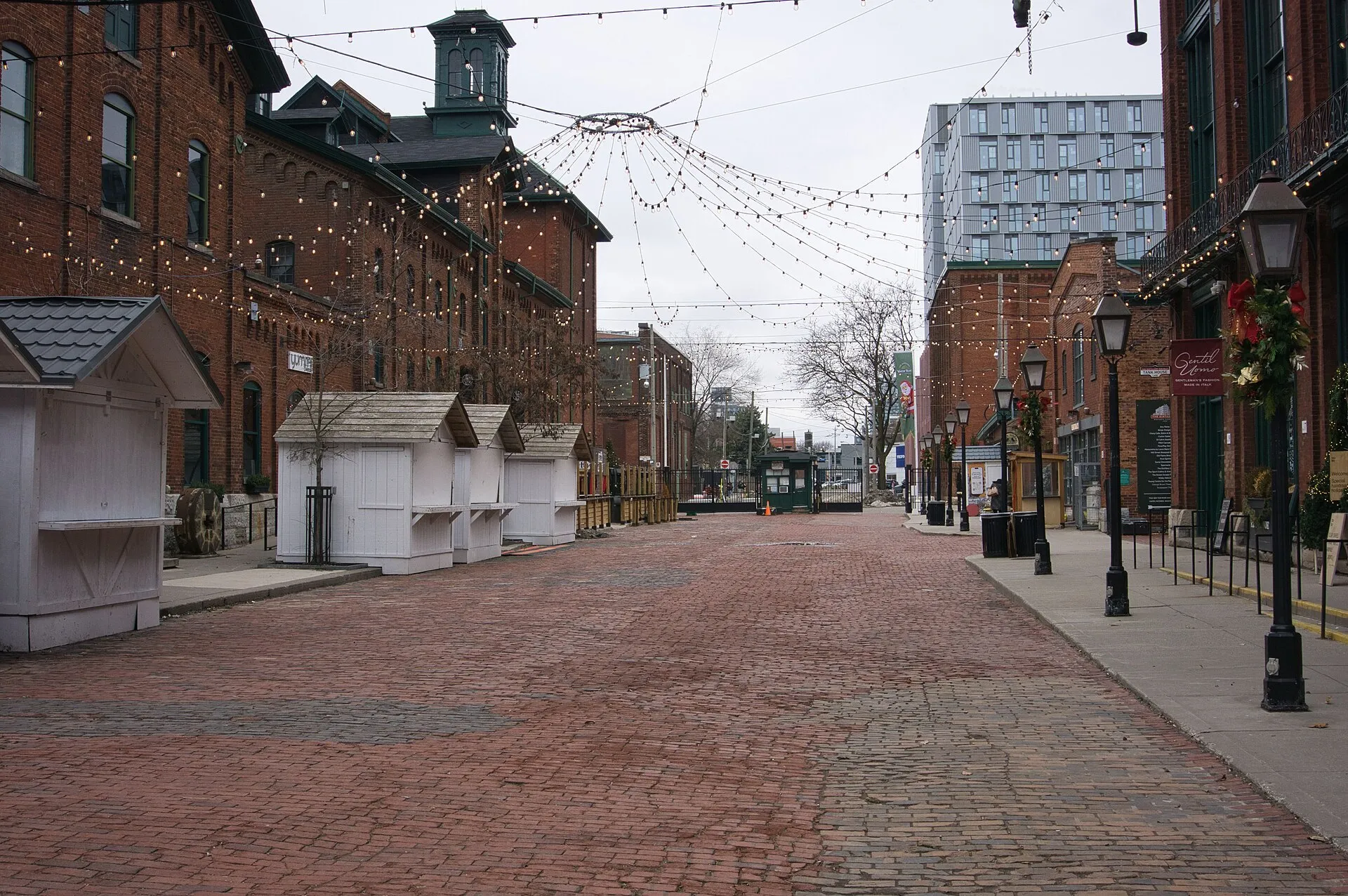
Ripley's Aquarium of Canada
Walk through an underwater tunnel beneath sharks and rays
Royal Ontario Museum
Where dinosaurs meet the Michael Lee-Chin Crystal
St. Lawrence Market
Named the world's best food market by National Geographic
Guide planning
How much does a tour guide cost in Toronto?
| Tour Type | Price | Details |
|---|---|---|
| Group Walking Tours | CA$30-50 | ~US$22-37 per person |
| Food & Neighbourhood | CA$80-130 | ~US$59-96 with tastings |
| Private Half-Day | CA$250-400 | ~US$185-296 |
| Private Full-Day | CA$450-700 | ~US$333-518 |
Book a Local Guide
The guides below are independent local businesses we recommend purely on editorial merit. We don't sell placement and we earn no commission when you book with them — see our booking and affiliate disclosure.
Culinary Adventure Co.
Culinary Adventure Co. runs food tours through Kensington Market, Chinatown, and St. Lawrence Market that treat Toronto's extraordinary multicultural food scene as the defining story of the city's character. Their guides connect the Jamaican patty shops, Portuguese custard tarts, and Sichuan noodle houses to the waves of immigration that built each neighbourhood, turning a food walk into a genuinely moving account of how Toronto became what it is.
Heritage Toronto
Heritage Toronto runs neighbourhood walking tours led by historians and architectural specialists covering the city's Victorian streetscapes, its industrial waterfront, and the layers of community history embedded in areas like Cabbagetown, the Annex, and Parkdale. Their annual Doors Open Toronto festival gives access to buildings normally closed to the public, but the year-round walking programme offers similarly expert-guided access to the city's built past on any given weekend.
Season planner
When is the best time to visit Toronto?
Toronto is a genuine four-season city, and the calendar matters as much as the thermometer. Late May through October is the sweet spot: patios open, the Toronto Islands ferries run frequently, and the view from the CN Tower comes with long, warm evenings. July and August are hot and humid — often 30–35°C — and busiest, while September pairs lingering summer warmth with thinner crowds and the city's marquee film festival. Winters are genuinely cold, with January and February routinely dipping below -10°C and lake-effect wind chills sharper still, but they deliver the holiday market and indoor culture without the summer crowds.
A year of signature events fills the calendar:
- Toronto Caribbean Carnival (Caribana) — North America's largest Caribbean festival, late July into early August, culminating in a Grand Parade along the lakeshore.
- Toronto International Film Festival (TIFF) — early-to-mid September, when King Street West fills with red-carpet premieres and global stars.
- Pride Toronto — one of the world's largest Pride celebrations, late June in the Church-Wellesley Village.
- Nuit Blanche — a free, all-night contemporary-art event each autumn that turns the downtown core into an open-air gallery.
- Toronto Christmas Market — mid-November to late December in the Distillery District, one of Canada's best holiday markets.
- Winterlicious — a late-January-to-February prix-fixe dining promotion that makes the coldest weeks the best value for food lovers.
Spring
Mar-May
Summer
Jun-Aug
Autumn
Sep-Nov
Winter
Dec-Feb
Each score averages that season’s monthly ratings out of 5. The top-rated window is usually the peak season too, so read the guidance above for its trade-offs before you book.
On the ground
How do you get around Toronto?
- TTC transit — The Toronto Transit Commission runs two main subway lines, the iconic red streetcars, and an extensive bus network; a single fare (about CA$3.35) buys a two-hour journey with free transfers when you tap a Presto card or contactless credit card
- From the airport — The UP Express train links Pearson International Airport to downtown Union Station in about 25 minutes, skipping highway traffic entirely
- Union Station hub — Canada's busiest transport hub gathers the subway, GO Transit regional trains, VIA Rail, and the airport train under one roof, steps from the CN Tower
- Neighbourhood hopping — Ask your guide to connect Chinatown, Kensington Market, and Little Italy in one walk; the downtown core is flat and very walkable
- On two wheels — Bike Share Toronto stations dot the core, handy for the waterfront's Martin Goodman Trail
- Sports culture — Catching a Raptors, Maple Leafs, or Blue Jays game at Scotiabank Arena or the Rogers Centre is a quintessential Toronto experience
Frequently Asked Questions
What is the best time to visit Toronto?
Weather swings: Winters dip to -20°C while summers hit 35°C—pack accordingly. Book ahead for CN Tower: Timed-entry tickets sell out during summer weekends.
How much does a tour guide cost in Toronto?
Group Walking Tours: CA$30-50 (US$22-37 per person). Food & Neighbourhood: CA$80-130 (US$59-96 with tastings). Private Half-Day: CA$250-400 (US$185-296). Private Full-Day: CA$450-700 (US$333-518)
How do you get around Toronto?
Transit friendly: The TTC subway, streetcars, and buses cover most tourist areas well. Neighbourhood hopping: Ask your guide to connect Chinatown, Kensington, and Little Italy in one walk.
Is Toronto the capital of Canada?
No — that is a common mix-up. Ottawa is Canada's national capital, while Toronto is the capital of the province of Ontario and the country's largest city and financial centre. The Ontario legislature sits at Queen's Park, a short walk from the Royal Ontario Museum.
Which Toronto neighbourhoods are best for first-time visitors?
Start with the waterfront cluster around the CN Tower and Ripley's Aquarium, then explore the cobblestone Distillery District and the food stalls of St. Lawrence Market. Kensington Market and neighbouring Chinatown reward slow wandering, while Yorkville layers on upscale galleries and the Theatre District anchors nightlife along King Street West.