

Overview
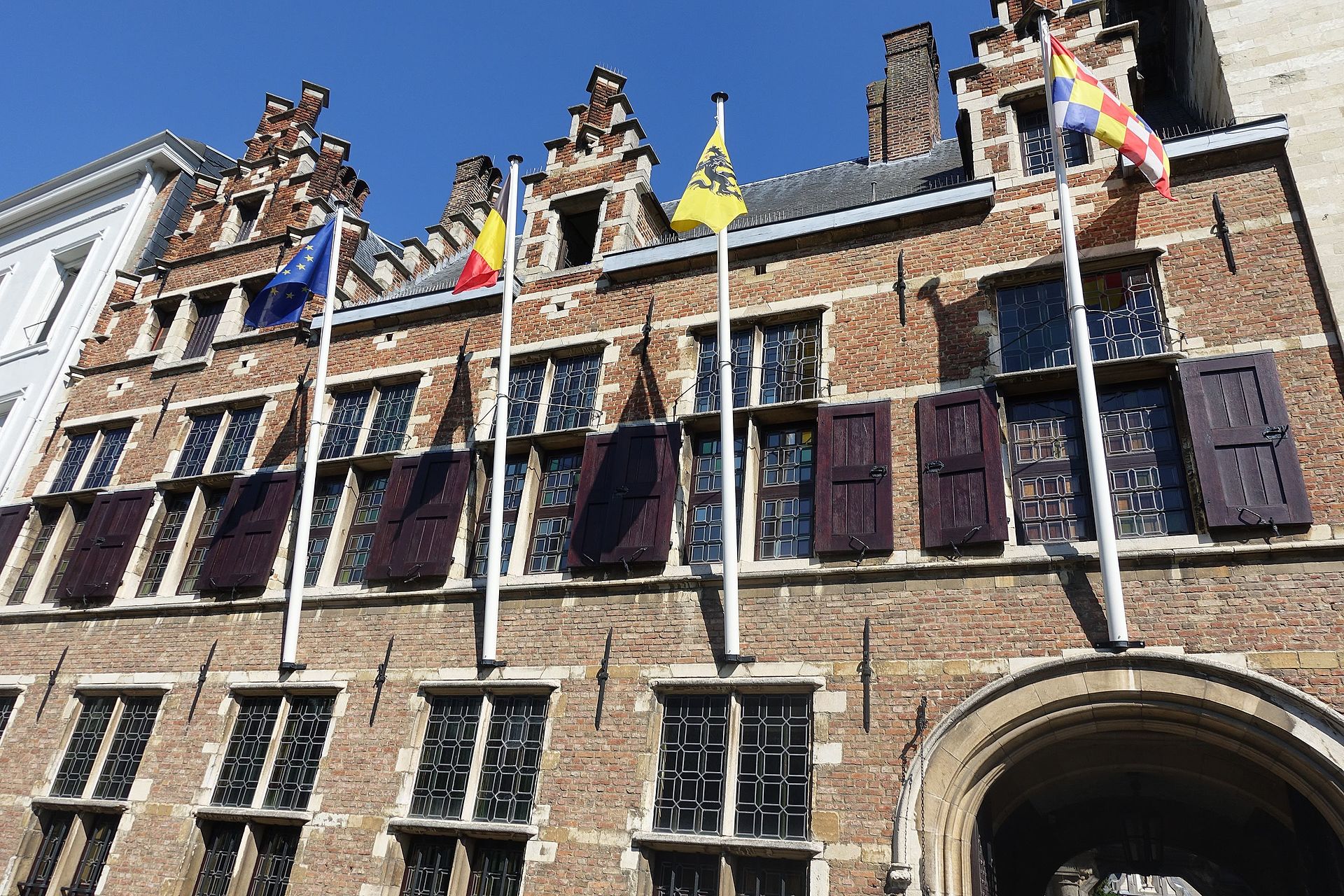
Peter Paul Rubens purchased this Antwerp property in 1610 at age 33, fresh from eight years studying Italian Renaissance masters in Rome, Mantua, and Venice. He immediately began transforming the existing structure into a residence befitting his ambitions — not merely a painter's workshop but an architectural statement combining Flemish domestic tradition with Italian palazzo grandeur. The Rubens House served simultaneously as family home, painting factory employing a dozen assistants, reception hall for aristocratic patrons, and personal museum displaying Rubens' collection of classical sculpture and contemporary art. He lived here for 29 years until his death in 1640, producing hundreds of paintings while also conducting diplomatic missions for the Spanish Habsburg rulers of the Southern Netherlands. After his death the house passed through various owners, suffered alterations and neglect, nearly faced demolition in 1937, then underwent extensive reconstruction (1939-1946) that restored authentic elements while necessarily recreating sections destroyed by centuries of modifications. The house essentially comprises two buildings connected by a theatrical Baroque portico that Rubens designed himself around 1622. The right-hand structure served as residential quarters — family bedrooms, dining room, and domestic spaces where Rubens' first wife Isabella Brant and their three children lived until her death in 1626, then his second wife Hélène Fourment whom he married in 1630 when she was 16 and he was 53. The left-hand building contained the grand studio where Rubens supervised production of commissioned works, with apprentices and collaborators handling different aspects of large canvases while Rubens himself executed faces, hands, and crucial compositional elements. The connecting portico functioned as architectural theater — visitors approaching from the street passed through the residential entrance, crossed a courtyard, and emerged through this Italian-inspired screen of columns and sculpture into the formal garden, a processional sequence designed to impress visiting nobility with cultured sophistication. The studio reconstruction occupies the most impressive interior space — a double-height room with north-facing windows providing consistent natural light essential for color accuracy. The current installation shows reproduction paintings alongside period furniture and artistic equipment, creating atmosphere rather than displaying originals (most authentic Rubens works hang in museums worldwide, including several at the nearby Cathedral of Our Lady). Exhibition cases contain pigment samples, grinding stones, brushes, and preparatory sketches demonstrating 17th-century painting techniques. Information panels explain Rubens' workshop organization — how he employed specialists in landscape backgrounds, animal rendering, and architectural elements, creating an assembly-line system that allowed him to fulfill commissions for Spanish royalty, French nobles, and wealthy Antwerp merchants simultaneously. This industrial approach scandalized some contemporaries who believed great art required individual genius touching every brushstroke, but Rubens understood that reputation and output both mattered in an era when artists depended on aristocratic patronage. The residential rooms display period furniture, tapestries, and artworks (mostly 17th-century pieces from other sources, not originally Rubens' possessions) recreating domestic interiors of wealthy Flemish households. The dining room features a massive oak table and fireplace, the bedroom shows a canopied bed and clothing chests, the art cabinet displays curiosities and small paintings in the manner Rubens collected them. These rooms communicate social context — Rubens wasn't a starving artistic genius but a wealthy burgher who lived comfortably, owned property, entertained distinguished guests, and moved in diplomatic circles. He spoke six languages, corresponded with scholars throughout Europe, and served as ambassador to England and Spain, traveling extensively while maintaining his Antwerp household. The house architecture reflects this dual identity: Flemish practicality combined with Italian cultural sophistication, northern mercantile success enhanced by southern artistic refinement. The Baroque garden reconstruction (completed 2000) follows designs visible in background details of Rubens' paintings and garden views drawn by his contemporaries. The layout employs formal geometry — rectangular beds bordered by clipped hedges, gravel paths intersecting at right angles, statuary placed according to classical principles. A small pavilion designed by Rubens himself stands at the garden's far end, decorated with frescoes and meant for contemplation and conversation during summer months. Plantings include period-appropriate species — boxwood hedges, roses, herbs, and flowering plants documented in 17th-century Flemish gardens. The garden functions as outdoor museum demonstrating Baroque landscape design principles, though its modest scale (500 square meters) feels intimate rather than palatial. Modern visitors accustomed to Versailles' grandeur may find this space underwhelming, but for 17th-century Antwerp it represented cultured sophistication accessible only to the city's wealthiest residents. The museum's collection includes works by Rubens' students and collaborators, providing context for understanding his artistic influence. Anthony van Dyck studied here before establishing his own London studio and becoming court painter to Charles I of England. Jacob Jordaens worked alongside Rubens on multiple projects, developing a similar dynamic Baroque style. Several paintings by these artists hang in dedicated rooms, allowing visual comparison with Rubens' technique. The collection also displays 17th-century prints after Rubens designs — his compositions circulated throughout Europe via engravings, spreading his visual vocabulary to regions that couldn't afford original paintings. These reproductive prints reveal how artistic reputation functioned in an era before photography, when engravers served as mass-media channels translating unique paintings into repeatable images. Visiting the Rubens House requires managing expectations about authenticity. The architecture is substantially reconstructed rather than originally preserved — walls, floors, and ceilings date mostly from 1940s restoration work that aimed for period accuracy but inevitably involved educated guesses about vanished details. The furniture and artworks are period pieces but generally weren't Rubens' actual possessions. The garden is a 21st-century recreation based on historical research. What you're seeing is an informed reconstruction of how the house might have appeared around 1630-1640, not an untouched survival from Rubens' lifetime. This doesn't invalidate the experience but shifts it from "walking through Rubens' actual rooms" to "experiencing an architecturally and historically accurate recreation of his domestic environment." A knowledgeable guide clarifies which elements survive authentically and which represent reconstruction, contextualizing the building's complex preservation history.
Collections Highlights
Baroque portico: Rubens-designed architectural screen connecting house to garden — theatrical Italian-inspired entrance showcasing classical sculpture and decorative elements. Grand studio: Double-height workspace with north-facing windows where Rubens supervised production of masterpieces — recreated with period equipment and reproduction paintings. Formal Baroque garden: 500-square-meter geometric garden with period plantings, gravel paths, and Rubens-designed pavilion — reconstructed following 17th-century documentation. Van Dyck and Jordaens works: Paintings by Rubens' most famous students displayed for comparison — revealing workshop influence and Baroque style evolution. Kunstkabinet: Recreation of Rubens' personal collection space displaying curiosities, small paintings, and classical artifacts in period arrangement style. Residential interiors: Period-furnished domestic rooms showing how wealthy 17th-century Flemish families lived — dining hall, bedchamber, and reception spaces.
Guided Tours
Art historian guides at the Rubens House decode the relationship between Rubens' domestic environment and his artistic production — explaining how the studio's north-facing windows were calculated for color accuracy, why the portico design referenced Roman triumphal arches to impress visiting nobility, and which elements of the current rooms survive authentically from the 1610-1640 period versus the 1940s reconstruction. Guides familiar with the Cathedral of Our Lady create walking circuits connecting the artist's home workshop to his four monumental altarpieces, revealing how commissioned works traveled the 850 meters from studio to sanctuary. The MAS Museum rooftop provides a panoramic perspective of the port district whose mercantile wealth funded Rubens' career.
When to Visit
Museum hours: Tuesday-Sunday 10:00 AM - 5:00 PM, closed Mondays. Last admission: 4:30 PM — allow 90 minutes minimum for full visit including garden. Closed: January 1, May 1, Ascension Day, December 25-26. Best: Tuesday and Wednesday mornings (10:00-11:30 AM) for smallest crowds and optimal natural light in studio. Garden peak: Late April through September when plantings are fully grown and pavilion is accessible. Avoid: Weekend afternoons when tour groups and local families create congestion in relatively small interior spaces.
Admission and Costs
General admission: €10 adults, €8 students/seniors (65+), free for children under 12. Audio guide: €2 (available in Dutch, English, French, German, Spanish — provides room-by-room commentary). Guided tours: €30-40 per person for 90-minute tour focusing on Rubens' artistic techniques and biographical details. Private specialist guide: €220-300 for 2-hour tour covering Baroque architecture, 17th-century art market, and Rubens' diplomatic career. Combination ticket: Some city passes include Rubens House alongside other Antwerp museums at reduced total cost.
Tips for Visitors
Audio guide recommended: The €2 audio guide provides essential context about which architectural elements are original versus reconstructed, and explains Rubens' workshop methods. Without this information, the space feels like generic period rooms. Studio lighting: The studio's north-facing windows (facing the courtyard, not the street) provide consistent natural light morning through afternoon. Rubens specifically designed this orientation for painting accuracy — observe how light quality remains stable even as sun position changes. Garden seasonal variations: Visit April-September when plantings reach full growth and the pavilion is open. Winter visits (November-March) show bare hedges and locked pavilion, diminishing the garden's impact. Reconstruction awareness: The house underwent major reconstruction in the 1940s after centuries of alterations. Ask guides to clarify which elements survive from Rubens' era versus 20th-century recreation — understanding this context prevents disappointment. Combine with Cathedral of Our Lady: The 850-meter walk (12 minutes) allows you to see Rubens' four altarpieces in their intended liturgical context. Visiting both sites in one morning contextualizes his religious commissions. Photography: Photos permitted without flash. The Baroque portico and garden pavilion make striking photographs in afternoon light (2:00-4:00 PM) when sun illuminates decorative details. Crowd management: Interior rooms are relatively small — groups of 15+ create congestion. If you encounter a large tour group, wait in the garden for 15 minutes until they move through, then explore rooms at your own pace. Biographical context: Reading a brief Rubens biography before visiting (or hiring a guide) significantly enhances the experience. Knowing about his diplomatic missions, two marriages, and workshop organization transforms empty rooms into spaces where historical events actually occurred.