
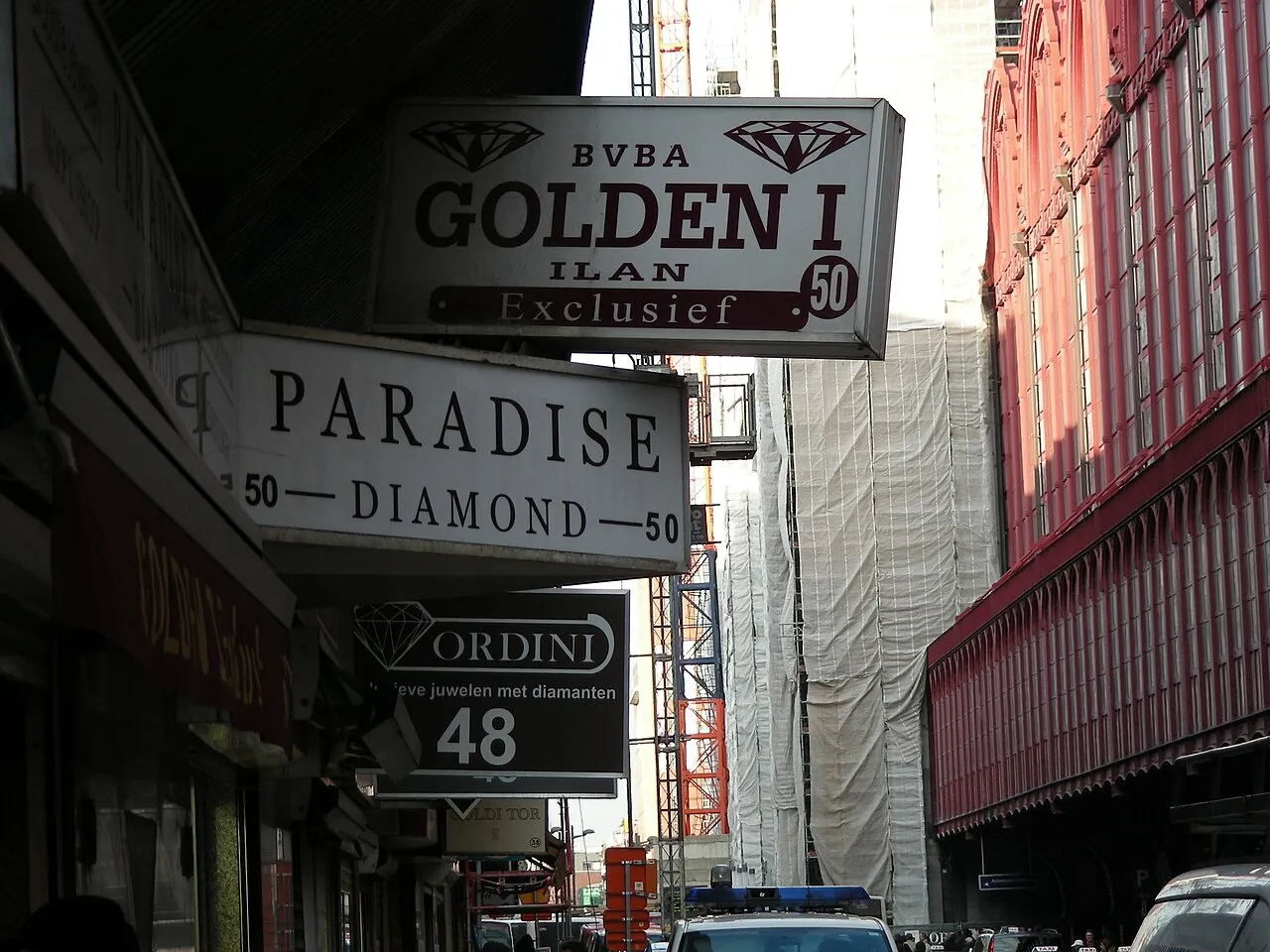
Walking Routes
Four diamond bourses: Private trading floors where 84% of world's rough diamonds change hands — members-only access but architecturally interesting exteriors. DIVA museum: €12 admission covering diamond geology, cutting techniques, and Antwerp's trade dominance — best introduction to understanding the district's global importance. Cutting demonstrations: Free workshops showing master cutters polishing facets to micron precision on traditional scaifes — 10-15 minute demonstrations revealing centuries-old craft. Jewish heritage: Hasidic dealers in traditional dress conducting business in Yiddish — visible continuity with centuries of Jewish diamond expertise. Retail shops on Schupstraat and Pelikaanstraat: Direct access to wholesale markets means competitive pricing compared to other cities — extensive comparison shopping essential for significant purchases. Trader cafes: Hoffy's and other local cafes where dealers conduct informal meetings — observing (not eavesdropping) reveals business culture of personal relationships and verbal agreements.
Local Life
The Diamond District pulses with a rhythm dictated by the Jewish calendar and the global diamond market rather than typical tourist schedules. On weekday mornings, Hasidic traders in black hats stride between bourses carrying leather satchels, pausing at Hoffy's kosher bakery on Lange Herentalsestraat for coffee and rugelach before the trading floors open. The neighborhood's kosher restaurants — including Hoffy's, Kleinblatt, and the bakeries along Pelikaanstraat — serve the community rather than tourists, offering challah, knishes, and traditional Ashkenazi fare. Friday afternoons transform the district as businesses close early for Shabbat: shop shutters roll down, the streets empty of traders, and families walk to synagogues in their finest clothes. The Romi Goldmuntz Synagogue on Hoveniersstraat anchors the community's religious life. Indian traders from Surat and Mumbai have established a growing presence since the 1980s, their offices alongside traditional Jewish firms, adding Hindi and Gujarati to the district's multilingual commercial chorus.
When to Visit
District hours: Monday-Friday 9:00 AM - 6:00 PM, Saturday 9:00 AM - 5:00 PM — most shops closed Sundays and Jewish holidays. DIVA museum: Tuesday-Sunday 10:00 AM - 6:00 PM, closed Mondays. Best for atmosphere: Tuesday-Thursday mornings (10:00-12:00 PM) when dealers actively circulate between bourses and cafes. Cutting demonstrations: Typically scheduled 11:00 AM and 2:00 PM — call shops ahead to confirm timing. Avoid: Saturday afternoons when many businesses close early for Shabbat preparation (starts sunset Friday, observed strictly in Orthodox community). Jewish holidays: District essentially closes during major Jewish holidays (Rosh Hashanah, Yom Kippur, Pesach, Sukkot) — check calendar before visiting September-October when holidays concentrate.
Admission and Costs
Walking the district: Free — public streets accessible to all, window shopping costs nothing. DIVA museum: €12 adults, €8 students/seniors (65+), free for children under 12. Cutting demonstrations: Free at shops offering them (functions as sales tool, no obligation to purchase). Guided walking tours: €30-40 per person for 90-minute tours explaining district history and diamond trade mechanics. Private specialist guide: €250-350 for 2-3 hour tour including DIVA museum, cutting demonstration, and Jewish heritage context. Purchasing diamonds: Prices vary enormously based on quality — competent independent appraisal recommended before significant purchases.
Tips for Visitors
Manage expectations: You cannot enter diamond bourses or observe actual wholesale trading — the district's economic heart remains deliberately opaque to outsiders. Visit to understand cultural context and see retail/cutting operations, not to witness million-euro transactions. DIVA museum first: Start with the museum (€12, 90 minutes) to understand geological, technical, and historical context before walking the district. Without this background, the streets appear unremarkable. Cutting demonstrations: Call shops ahead to confirm demonstration schedules — many advertise "free cutting shows" but actually run them only by appointment or when sufficient visitors gather. Purchasing diamonds: If considering significant purchases, hire an independent gemologist (€150-200) to verify stone quality and price fairness. The district's competitive pricing advantages exist but require knowledge to access — naive tourists overpay just like anywhere else. Cultural sensitivity: The Orthodox Jewish community maintains this district — respect religious practices (no photography of individuals without permission, modest dress appreciated, awareness of Shabbat closures). Combine with Cathedral of Our Lady: The 600-meter walk (8 minutes) connects diamond wealth to religious art patronage — Rubens' altarpieces were commissioned by merchants whose fortunes derived from trade in gems, spices, and colonial goods. Security awareness: The district maintains heavy but discreet security. Don't photograph building entrances, bourse exteriors, or security personnel — guards will politely but firmly ask you to delete images. Language: Dealers speak Dutch, French, English, Hebrew, and Yiddish fluently — retail shop staff are exceptionally multilingual to serve international clientele from China, India, Russia, and Arab states.
Frequently Asked Questions
Does the season matter for visiting Antwerp's Diamond District?
The district operates on business schedules rather than tourist seasons, so April through October simply offers more comfortable walking weather between showrooms and the DIVA museum. Avoid visiting during major Jewish holidays (concentrated in September-October) when the district essentially shuts down, and check the calendar for Shabbat closures on Saturday afternoons year-round.
What are the opening hours for the Antwerp Diamond District and DIVA museum?
District hours: Monday-Friday 9:00 AM - 6:00 PM, Saturday 9:00 AM - 5:00 PM — most shops closed Sundays and Jewish holidays. DIVA museum: Tuesday-Sunday 10:00 AM - 6:00 PM, closed Mondays.
How much should visitors budget for Diamond District?
Walking the district: Free — public streets accessible to all, window shopping costs nothing. DIVA museum: €12 adults, €8 students/seniors (65+), free for children under 12.
What can visitors realistically expect to see in Antwerp's Diamond District?
Manage expectations: You cannot enter diamond bourses or observe actual wholesale trading — the district's economic heart remains deliberately opaque to outsiders.