
Collections Highlights
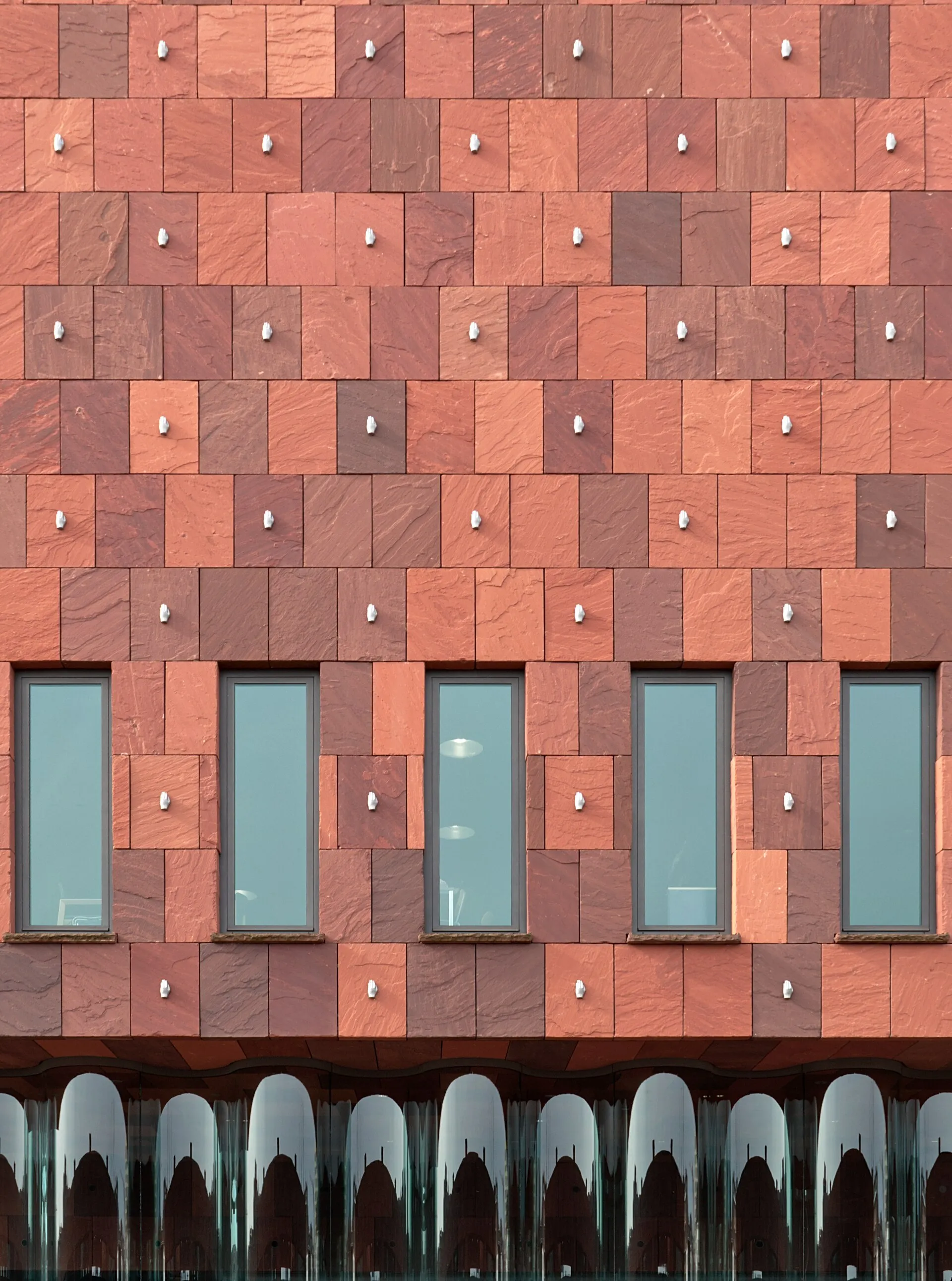
Free rooftop terrace: 60-meter elevation providing 360-degree views across Antwerp skyline, port operations, and Scheldt River — accessible without gallery admission. Stacked tower architecture: Ten rotating rectangular volumes clad in red sandstone and curved glass — controversial contemporary design evoking shipping containers and Flemish step-gables. Maritime collection: Ship models spanning five centuries, navigation instruments, and port labor history — documenting evolution from sail power to containerization. Ethnographic galleries: 470,000 objects from global trade networks — Indonesian, Congolese, Pacific Island, and pre-Columbian material reflecting colonial connections. Emigration exhibits: Photographs and personal possessions of millions who departed through Antwerp docks for North America — connecting Belgian history to global diaspora. Rotating temporary exhibitions: Ground floor and top floor galleries featuring contemporary art, design, and cultural themes — typically ambitious in scale and accessible in presentation.
Guided Tours
Guides at MAS contextualize Antwerp's maritime past within Belgium's broader colonial history, explaining how Congolese ivory, Indonesian spices, and diamond rough funneled through these docks to fuel European wealth. Art history specialists decode the ethnographic collections' provenance complexities, while architecture-focused tours analyze Neutelings Riedijk's design philosophy — how the rotating volumes reference both shipping containers and traditional Flemish trapgevels. Maritime historians trace the evolution from 16th-century carracks to modern container vessels using the museum's ship models. Combine a guided MAS visit with the Rubens House to connect Antwerp's mercantile wealth with its artistic golden age.
When to Visit
Museum hours: Tuesday-Sunday 10:00 AM - 5:00 PM, closed Mondays. Rooftop access: Same hours as museum, free admission even without gallery ticket. Last admission: 4:30 PM for galleries, rooftop remains accessible until closing. Closed: January 1, May 1, December 25. Best: Weekday mornings (10:00-11:30 AM) for uncrowded galleries and optimal morning light on exhibitions. Rooftop optimal: Late afternoon (3:30-5:00 PM) for dramatic lighting on port installations and city skyline, particularly atmospheric in autumn and winter when low sun creates long shadows. Avoid: Sunday afternoons when local families visit, creating congestion on escalators and in popular gallery sections.
Admission and Costs
General admission: €10 adults, €6 students/seniors (65+), free for visitors under 26. Rooftop access: Free for all visitors — elevator and escalator access without gallery ticket. Audio guide: €3 (available in Dutch, English, French, German — covers permanent collection highlights). Guided tours: €35-45 per person for 90-minute tour focusing on maritime history and colonial connections. Private specialist guide: €250-320 for 2-hour tour addressing port history, ethnographic collections, and contemporary architecture. Family ticket: €20 for 2 adults + children under 18 — good value for families spending 2-3 hours exploring all floors
Tips for Visitors
Free rooftop strategy: If budget-conscious or time-limited, skip gallery admission and visit only the free rooftop terrace (10:00 AM - 5:00 PM Tuesday-Sunday). Elevator access from ground floor requires no ticket, providing Antwerp's best free viewpoint. Morning vs. afternoon light: Gallery interiors benefit from morning natural light (10:00-12:00 PM), while rooftop views are most dramatic in late afternoon (3:30-5:00 PM) when sun angles create shadows on port cranes and cathedral spire. Escalator experience: The spiraling escalator ascent through glass-enclosed tubes is architecturally interesting but physically demanding for visitors with mobility concerns. Regular elevators provide alternative access to all floors including rooftop. Collection depth: The 470,000-object collection includes many items in storage — visible galleries show perhaps 5% of holdings. Serious researchers can arrange access to study collections with advance notice. Colonial context: The museum has made efforts to address colonial provenance but labels sometimes still lack adequate critical context. Visitors interested in decolonization issues should read collection materials critically. Combine with Diamond District: The 1.2-kilometer walk (15 minutes) connects port redevelopment to historic trading quarter, allowing you to understand how diamond trade connected to broader maritime commerce. Photography: Photos permitted without flash. The curved glass escalator enclosures create interesting reflections and fragmented cityscape views — experiment with angles to minimize glare and emphasize geometric compositions. Temporary exhibitions: Check current temporary shows before visiting — they occupy substantial gallery space and significantly affect visit duration. Some shows merit 90+ minutes while others can be viewed in 20 minutes.
Frequently Asked Questions
What are the opening hours and rooftop access rules at the MAS Museum?
Museum hours: Tuesday-Sunday 10:00 AM - 5:00 PM, closed Mondays. Rooftop access: Same hours as museum, free admission even without gallery ticket. Last admission: 4:30 PM for galleries, rooftop remains accessible until closing.
What does admission to MAS Museum cost?
General admission: €10 adults, €6 students/seniors (65+), free for visitors under 26. Rooftop access: Free for all visitors — elevator and escalator access without gallery ticket.
Is it possible to visit the MAS Museum rooftop without paying for gallery admission?
If budget-conscious, skip gallery admission and visit only the free rooftop terrace via elevator from ground floor — Antwerp's best free viewpoint. The spiraling escalator ascent through glass tubes is architecturally interesting but physically demanding for those with mobility concerns.