
.JPG)
Overview
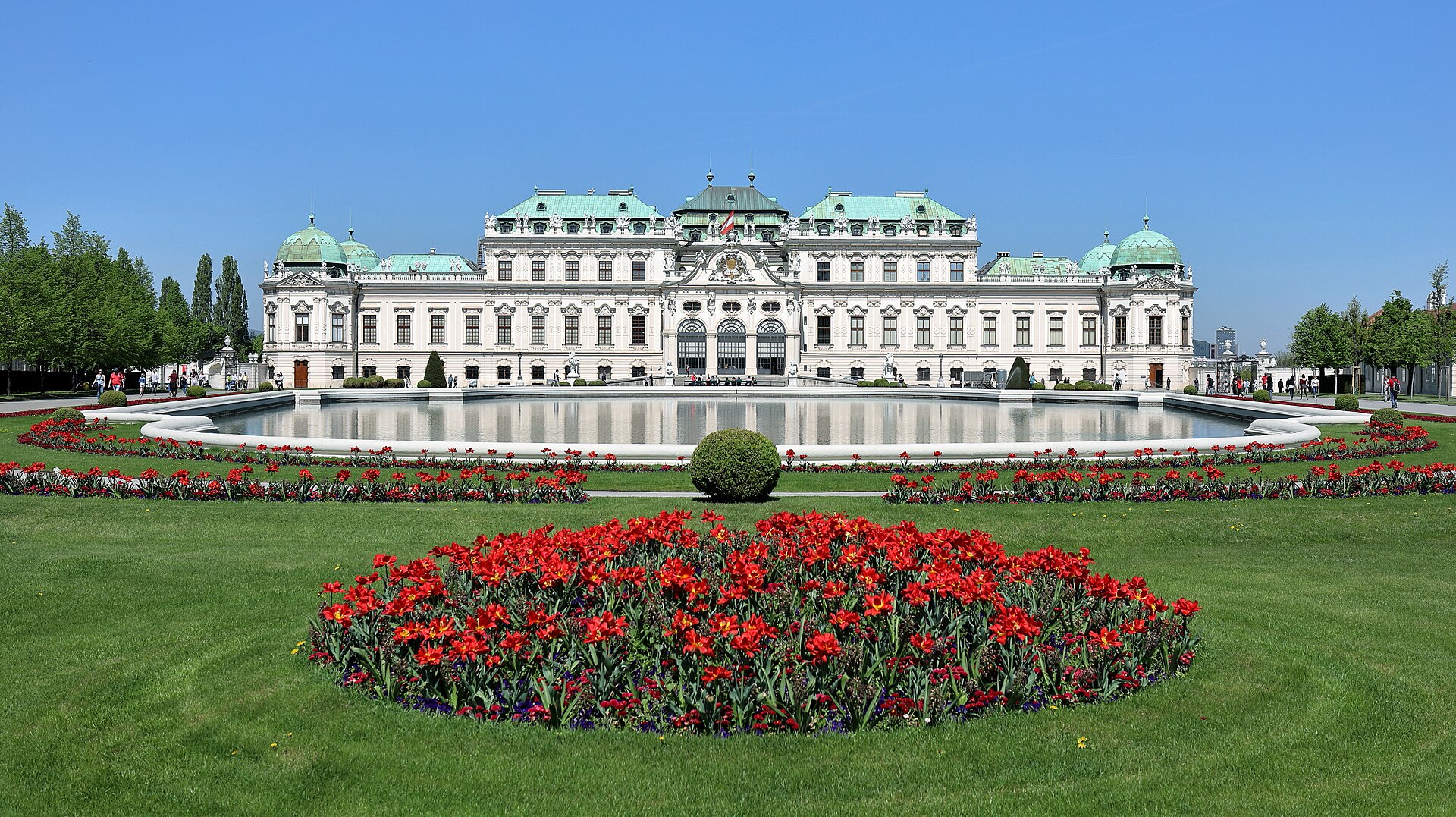
The Belvedere is a pair of baroque palaces — Upper and Lower — built between 1714 and 1723 for Prince Eugene of Savoy, the military commander who defeated the Ottoman Turks and secured Austria's position as a European superpower. Set on a gentle slope connected by one of Europe's finest formal gardens, the Upper Belvedere today houses Austria's most important art collection, headlined by Gustav Klimt's iconic The Kiss (1907-1908) in its permanent gallery. The Lower Belvedere served as Eugene's residential palace and now hosts rotating exhibitions. Together they form one of Vienna's defining cultural landmarks, and a guide unlocks the connections between the Secessionist art on the walls and the baroque splendor of the architecture itself. The palace pairs naturally with a visit to Hofburg Palace or Schönbrunn Palace for a full imperial day.
Guided Tours
Klimt in context: Guides explain the Wiener Secession movement, Klimt's gold period, and the personal story behind The Kiss. Schiele and Kokoschka: The collection spans Austrian Expressionism — guides connect the radical works to early 20th-century Vienna. Prince Eugene's legacy: Understand why a Savoyard general became Austria's greatest hero and built this palace. Baroque architecture decoded: Johann Lukas von Hildebrandt's design choices, ceiling frescoes, and garden symbolism come alive with expert narration.
Collections Highlights
The Kiss (1907-1908): Klimt's gold-leaf masterpiece — displayed alone against a dark wall for maximum impact. Judith and the Head of Holofernes: Klimt's provocative gold-period painting in the same gallery. Egon Schiele collection: Raw expressionist self-portraits and figure studies from Klimt's protégé. Marmorsaal (Marble Hall): Upper Belvedere's grand central hall with ceiling frescoes by Carlo Carlone. Baroque gardens: Tiered formal gardens with fountains, sphinxes, and an Alpine garden between the two palaces. French Impressionists: Monet, Renoir, and Van Gogh in the Upper Belvedere alongside the Austrian collection. Lower Belvedere Orangerie: Rotating contemporary exhibitions in Prince Eugene's former citrus greenhouse.
When to Visit
Upper Belvedere: Daily 9 AM-6 PM (Friday until 9 PM). Lower Belvedere: Daily 10 AM-6 PM. Gardens: Free entry, open daily from 6:30 AM until dusk. Best time: Friday evenings (6-9 PM) for a quieter experience with The Kiss. Duration: Upper Belvedere alone takes 1.5-2 hours; both palaces plus gardens need 3-4 hours. Garden approach: Enter through the Lower Belvedere gate and walk up through the gardens for the grand reveal of the Upper palace. Tram 71 or D: Both stop at the Upper Belvedere entrance; Hauptbahnhof is a 10-minute walk.
Admission and Costs
Upper Belvedere: €16.70 adults (permanent collection including Klimt). Combo ticket (Upper + Lower): €26.80 adults. All-Belvedere ticket (all venues): €35.80 adults. Under 19: Free entry to all Belvedere museums. Friday evening tickets: Standard price but significantly fewer visitors. Private guided tour: €180-280 for a 2-hour art-focused visit.
Tips for Visitors
Start at the Upper Belvedere: That's where Klimt, Schiele, and the permanent collection are — the Lower hosts rotating shows. Photography allowed: Non-flash photography permitted throughout, including of The Kiss. Combine with Karlskirche: The baroque church is a 15-minute walk away — natural pairing for architecture fans. Friday evening visits: Extended hours until 9 PM with noticeably thinner crowds — recommended for Klimt viewing. Austrian State Treaty: The Upper Belvedere balcony is where Austria's independence was proclaimed in 1955 — a guide explains the political significance.