
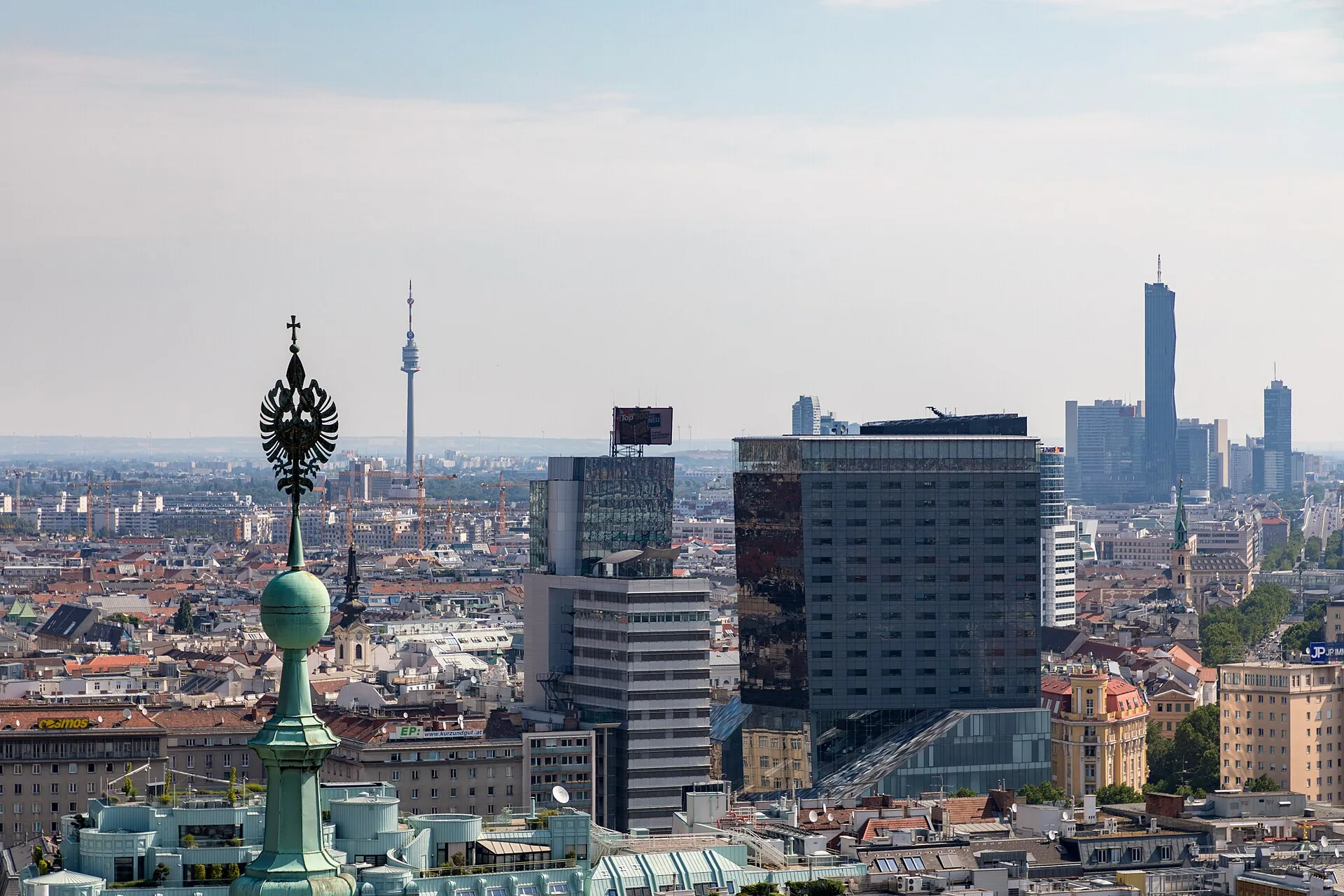
Vienna timeline
- 15 BCE
Roman Vindobona begins
The Roman frontier camp established an early urban layer beneath central Vienna.
-
Habsburg rule takes hold
Habsburg power made Vienna the dynastic capital behind its palaces and court churches.
-
Congress of Vienna
Diplomats remade post-Napoleonic Europe in the ballrooms and palaces visitors tour today.
-
The Ringstrasse opens
Franz Joseph replaced the old city walls with a grand boulevard lined by the Opera, Parliament, and City Hall.
-
The Vienna Secession forms
Klimt and fellow artists broke with academic tradition; their legacy still fills the Belvedere and draws crowds to The Kiss.
-
Imperial capital becomes republic
The end of the Habsburg monarchy reframed Vienna's grand imperial fabric for modern Austria.
Cited city facts
Key facts for visiting Vienna
1,441 rooms in Schönbrunn Palace
The Habsburg summer residence is one of Europe's largest baroque palaces; visitors tour either 22 rooms on the Imperial Tour or 40 on the Grand Tour, while the remainder stay in administrative or private use.
8 million overnight visitors a year
Vienna consistently ranks among Europe's top five most-visited capitals, with tourism driven by its imperial palaces, world-class museums, and performing-arts institutions.
About 500 standing-room places per opera performance
The Vienna State Opera releases its cut-price standing tickets roughly 80 minutes before curtain, putting a night at one of the world's premier opera houses within reach of almost any budget.
Over 100 museums across the city
Vienna's museum landscape spans the Kunsthistorisches Museum's old masters, the Sigmund Freud Museum, the Globe Museum (the world's only museum dedicated to globes), and the Haus der Musik.
Viennese coffee-house culture is listed intangible cultural heritage
Austria inscribed the Kaffeehaus on its national inventory of intangible cultural heritage in 2011, formally recognising the ritual of a Melange, a stack of newspapers, and unhurried hours at a marble table.
The Ringstrasse opened in 1865 as a 5.3 km showcase boulevard
Emperor Franz Joseph had the medieval city walls demolished and replaced with a monumental ring road lined by the Opera, Parliament, City Hall, and the great museums of the Habsburg capital.
Source: tour-guide.com — Free to cite with attribution
Things to see
What are the top attractions in Vienna?
- Schönbrunn Palace — Walk the Grand Gallery where Mozart performed as a child for Empress Maria Theresa
- Hofburg Palace — The Habsburgs' winter residence, with the imperial apartments, the Sisi Museum, and the Spanish Riding School
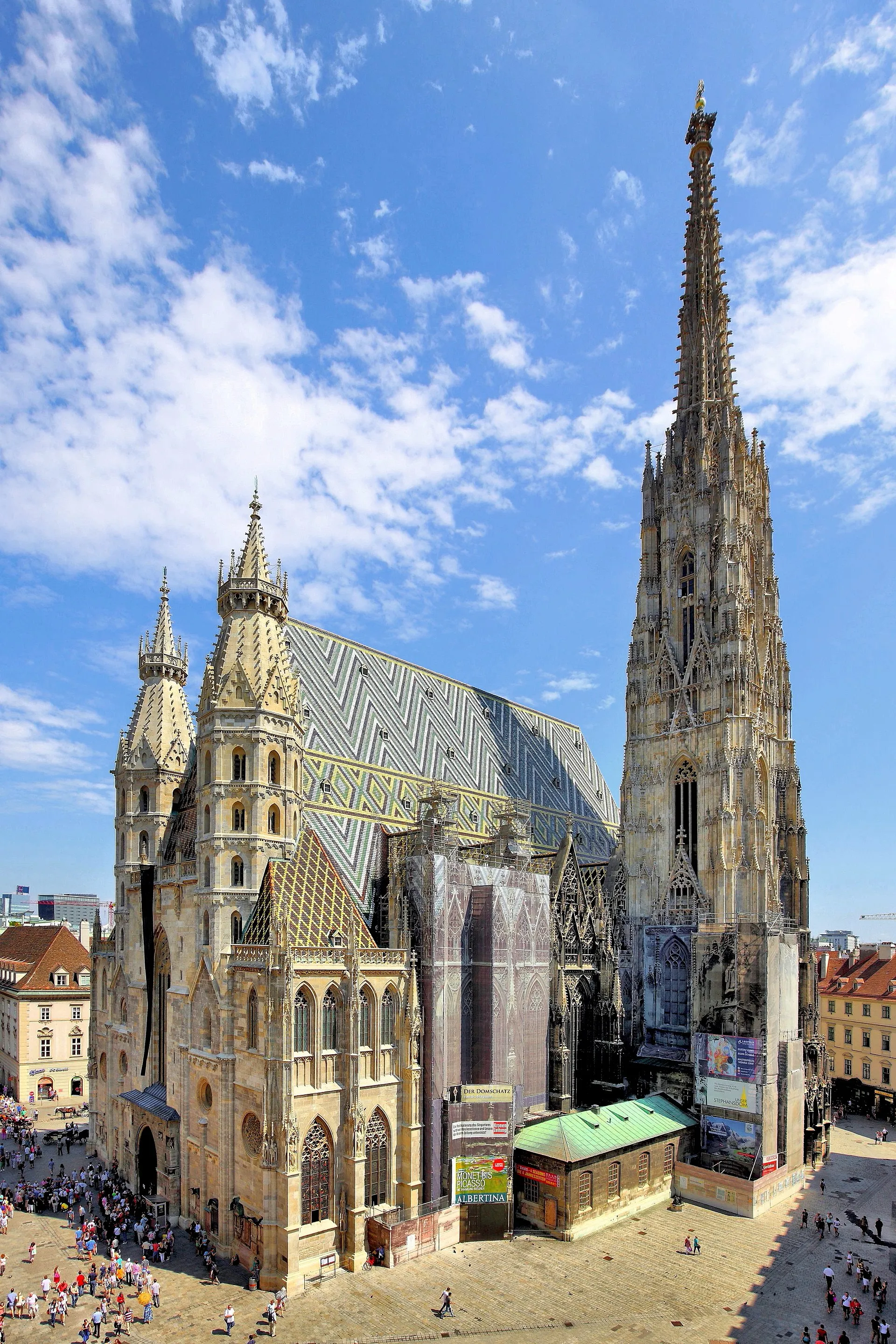
- St. Stephen's Cathedral — Climb 343 steps to the South Tower for panoramic views over the old city
- Belvedere — Two baroque palaces holding the world's largest Klimt collection, including The Kiss
- Kunsthistorisches Museum — Vermeer, Caravaggio, and Bruegel in a building as impressive as the art
- Musikverein Golden Hall — Acoustically perfect venue of the New Year's Concert broadcast worldwide
- Coffeehouse culture — Café Central, Demel, and Sacher for Viennese pastry traditions dating to the 1680s
- Vienna State Opera — Standing-room tickets from €4 for world-class performances
- Naschmarkt — Open-air market stretching half a kilometer with over 120 stalls
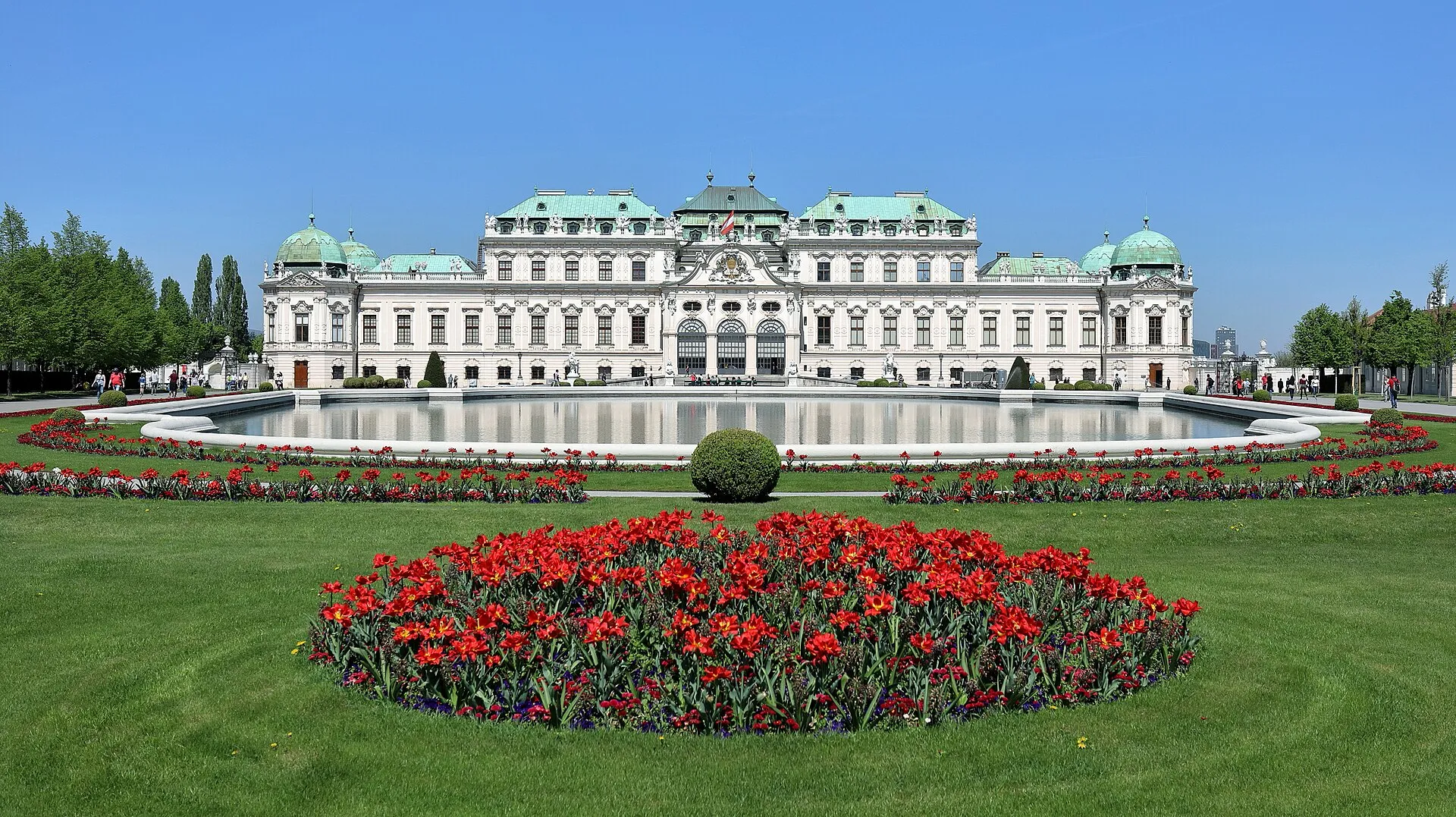
Belvedere Palace
Baroque masterpiece housing Klimt's golden masterworks and Austrian art treasures
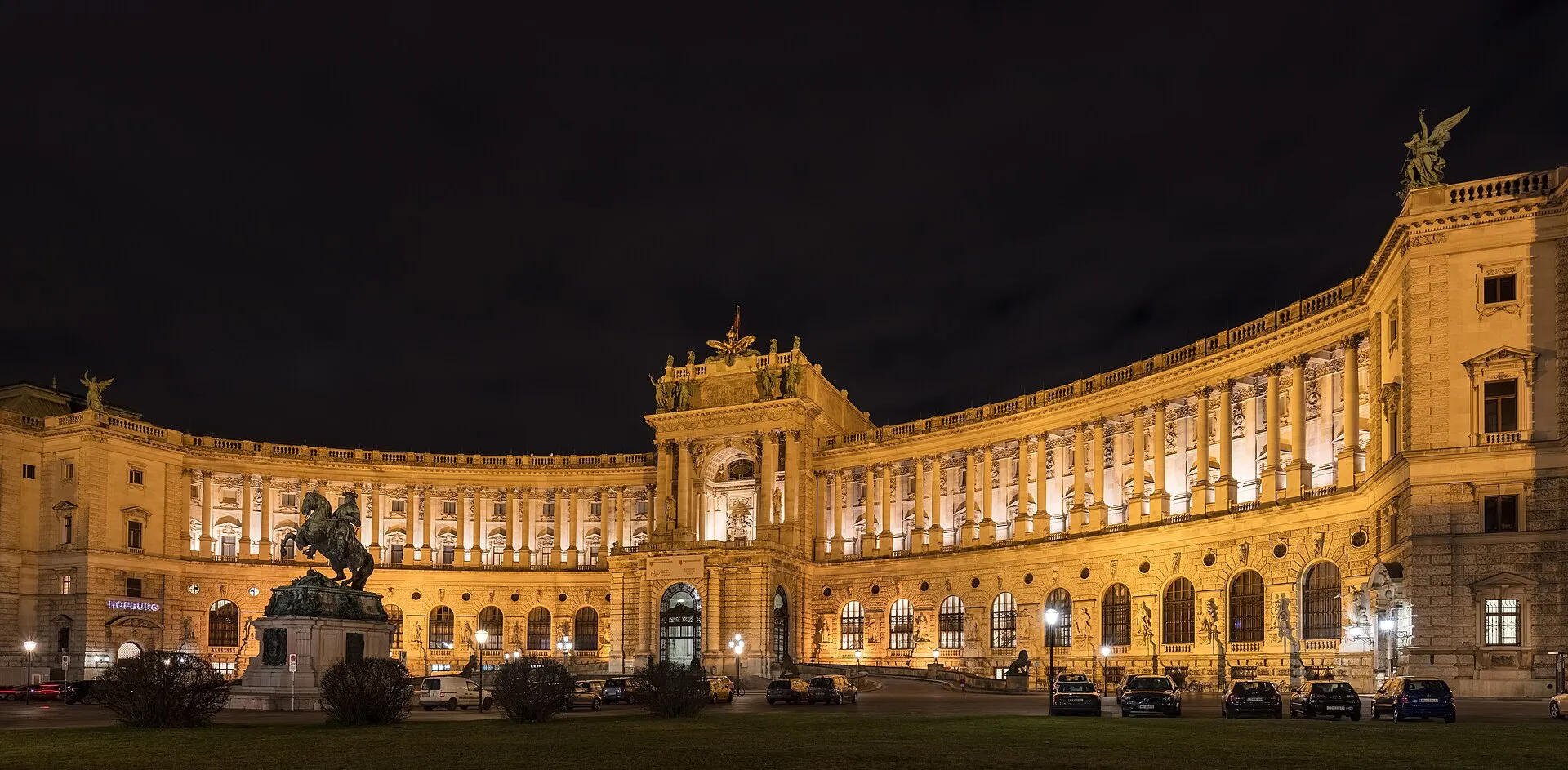
Hofburg Palace
Six centuries of Habsburg rule — imperial apartments, the Sisi Museum, and the Spanish Riding School
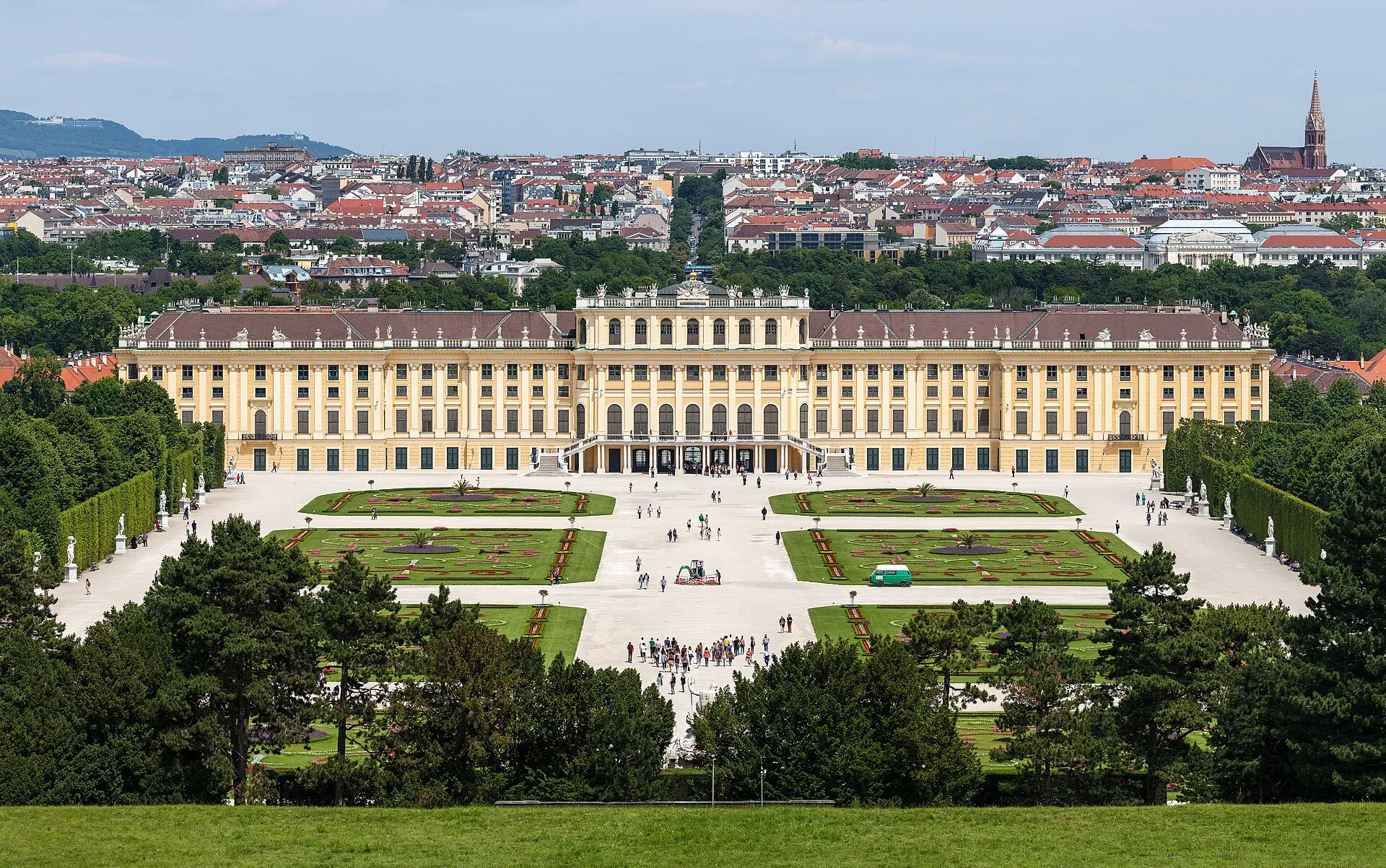
Schönbrunn Palace
Habsburg summer residence — 1,441 rooms, baroque gardens, and imperial history
St. Stephen's Cathedral
Vienna's Gothic heart — 800 years of worship, a mosaic roof, and city-wide views
Guide planning
How much does a tour guide cost in Vienna?
Austria regulates professional tourist guiding, covering public places as well as museums and historic buildings. The Austriaguides professional profile explains that scope. For the Hofburg or Schönbrunn, check the actual itinerary: a guide booking does not automatically include admission or a reserved entry time. Here are useful places to start:
- Vienna Tourist Board and the city guides' association — searchable directories of licensed guides you can filter by language and specialism (music, Jewish Vienna, architecture, Habsburg history)
- Museum and palace desks — book their own guided visits, ideal when you want depth on a single site rather than a whole-city overview
- Free walking tours — usually focus on an outdoor orientation circuit on a tips basis; check the meeting point, advertised stops and any admission charges with the operator
- Hotels and specialist operators — arrange private art, music, and culinary guides tailored to your interests
Typical rates in 2026:
- Free walking tour — a customary tip of €8–12 ($9–13) per person for a two-hour circuit
- Group walking tour — €20–35 ($22–38) per person for two to three hours
- Private half-day (up to six people) — €150–280 ($165–305)
- Private full-day — €300–500 ($325–540)
- Specialist guide (Habsburg history, music, or Klimt at the Belvedere) — €300–550 ($325–595) per day
For Schönbrunn, ask whether your booking includes a timed palace ticket. A guide qualification alone does not reserve a slot or waive the entrance charge.
Book a Local Guide
The guides below are independent local businesses we recommend purely on editorial merit. We don't sell placement and we earn no commission when you book with them — see our booking and affiliate disclosure.
Vienna Walks and Talks
Vienna Walks and Talks has earned an outstanding reputation for its expert-led private walking tours of the imperial city. Their guides bring the Habsburg dynasty, the Vienna Secession, and fin-de-siècle coffeehouses vividly to life through carefully researched storytelling. The half-day tour of the Ringstrasse alone is worth the visit, connecting the Opera, Kunsthistorisches Museum, and Parliament through a century of architectural ambition.
Context Travel Vienna
Context Travel pairs travellers with Vienna-based scholars — art historians, architects, and musicologists — for in-depth private tours of the Kunsthistorisches Museum, the Belvedere, and the city's extraordinary musical heritage. Tours are capped at six people and led by guides with graduate-level expertise, making every conversation a genuine learning exchange rather than a rehearsed script.
Season planner
When is the best time to visit Vienna?
- April-June — Mild weather, garden blooms at Schönbrunn, fewer crowds than summer peak
- September-October — Grape harvest season, Heurigen wine taverns in full swing, pleasant temperatures
- December — Christkindlmarkt at Rathausplatz and Schönbrunn — magical but busy
- January-February — Opera Ball season; crisp winter air and short queues at museums
- Early mornings — Schönbrunn at opening (8:30 AM) beats the coach tours by two hours
Spring
Mar-May
Summer
Jun-Aug
Autumn
Sep-Nov
Winter
Dec-Feb
Each score averages that season’s monthly ratings out of 5. The top-rated window is usually the peak season too, so read the guidance above for its trade-offs before you book.
On the ground
How do you get around Vienna?
- U-Bahn is excellent — Five metro lines reach all major sights; single ride €2.40, day pass €5.80. Trams and buses fill in the gaps, especially along the Ringstrasse and to outer districts
- Walkable center — The city centre inside the Ring is compact enough to walk between most attractions. Cycling is popular, with extensive bike lanes and the WienMobil bike-share system
- Vienna Pass — Covers Schönbrunn, Hofburg, Belvedere, and 70+ attractions with fast-track entry
- Guide credentials — Check professional qualifications when booking a city guide; museums also offer their own guided visits
- Sunday closures — Most shops close Sundays; museums stay open but restaurants may have reduced hours
- Tipping — 10% for private guides, €5-10 for group tours; round up at cafés
Frequently Asked Questions
How many days do you need in Vienna?
Plan on three days to do Vienna justice. A full day goes to the imperial Habsburg sites — Schönbrunn Palace and the Hofburg — and a second to the art of the Kunsthistorisches Museum and the Belvedere, where Klimt's The Kiss hangs. The third day is for St. Stephen's Cathedral, the Naschmarkt, and the unhurried coffeehouse culture that defines the city. Music lovers should add an evening at the State Opera or Musikverein, which can easily justify a fourth day.
What is the best time to visit Vienna?
April-June: Mild weather, garden blooms at Schönbrunn, fewer crowds than summer peak. September-October: Grape harvest season, Heurigen wine taverns in full swing, pleasant temperatures.
How much does a tour guide cost in Vienna?
Group walking tours in Vienna typically cost €20-35 ($22-38) per person for 2-3 hours. Private half-day tours with a licensed guide run €150-280 ($165-305) for up to 6 people, while full-day private tours range from €300-500 ($325-540). Specialized palace or museum tours with skip-the-line access cost €200-350 ($215-380).
How do you get around Vienna?
Vienna's U-Bahn metro has five lines that reach all major sights, with single rides at €2.40 and day passes at €5.80. Trams and buses fill in the gaps, and the city center is compact enough to walk between most attractions. Cycling is also popular, with an extensive network of bike lanes and the WienMobil bike-share system.
Which Vienna neighborhoods are worth exploring beyond the main sights?
The Innere Stadt (1st district) holds most of the landmark quartet — the Hofburg, St. Stephen's Cathedral, and the grand houses along the Ringstrasse. For a change of mood, Leopoldstadt (2nd) wraps around the Prater park and its giant Ferris wheel; the MuseumsQuartier and neighbouring Neubau (7th) mix baroque courtyards with independent cafés and design shops; and Landstrasse (3rd) is home to the Belvedere. To end the day with a glass of new wine, ride the tram to the Heurigen villages of Grinzing and Nussdorf on the city's wooded northern edge.