
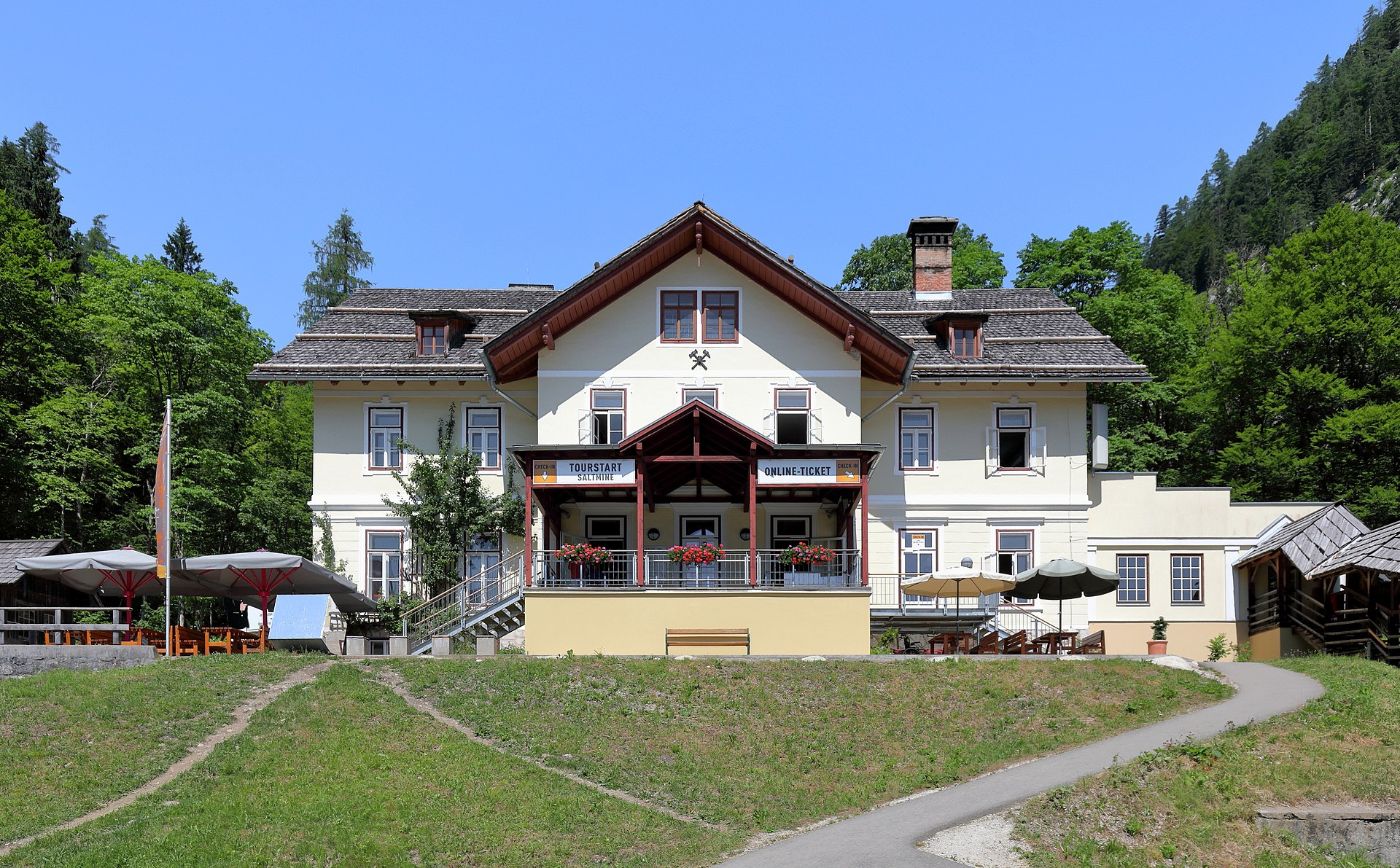

Overview
The Salzwelten Hallstatt (Salt Worlds) is the world's oldest known salt mine, with evidence of continuous extraction stretching back over 7,000 years to the Neolithic period. The mine sits 838 meters above Hallstatt on the Salzberg mountain, reached by a funicular railway that climbs through forest from the village. The discoveries made inside this mountain were so significant — including perfectly preserved prehistoric tools, leather clothing, and the body of a Bronze Age miner — that an entire era of European civilization takes its name from this place: the Hallstattkultur (Hallstatt culture, circa 800-450 BC). Today's visitor experience combines genuine archaeological importance with entertaining presentation, including two wooden miners' slides, a subterranean salt lake with light-and-sound shows, and a recreated Bronze Age wooden staircase. The mine ticket includes access to the Skywalk viewing platform, and the Dachstein Ice Cave makes an excellent companion excursion.
Architecture
Bronze Age staircase: Reconstructed 3,000-year-old wooden staircase found preserved in salt — the oldest wooden staircase in Europe. Miners' slides: Two wooden slides (the longer is 64 meters) used by miners and now by visitors — a thrill at any age. Underground salt lake: Illuminated subterranean lake with light-and-sound installations reflecting off mirror-still water. Mining outfit: Every visitor suits up in traditional white mining overalls before entering — mandatory and photogenic. Skywalk platform: Included in the ticket, 350 meters above Hallstatt with glass floor panels and lake views. Mann im Salz (Man in Salt): Presentation about the remarkably preserved Bronze Age miner found in the tunnels — a discovery that rewrote European prehistory.
Historical Significance
The salt deposits inside the Salzberg mountain formed roughly 250 million years ago when an ancient sea evaporated, leaving behind layers of Steinsalz (rock salt) that Neolithic humans first discovered around 5000 BC. By the Bronze Age, Hallstatt had become one of the wealthiest communities in Central Europe — the salt trade made its inhabitants rich enough to import amber from the Baltic and ivory from Africa. The perfectly preserved tools, textiles, leather shoes, and the mummified miner's body found in the tunnels gave archaeologists an unprecedented window into prehistoric life, leading to the designation of an entire cultural period: the Hallstattkultur (800-450 BC). Salt mining continued through the Roman era, the medieval period, and into the modern age — a 7,000-year chain of extraction that makes this the oldest continually operated industrial site in the world. The archaeological significance, combined with the village's lakeside setting and the surrounding Salzkammergut landscape, contributed to Hallstatt's UNESCO World Heritage status.
When to Visit
Open: Daily 9:30 AM-4 PM (last entry); extended hours in peak summer. Season: Late March to early November; closed in winter. Funicular: Included in ticket, runs from village to mine entrance. Tour duration: Approximately 70 minutes underground, plus funicular and Skywalk access. Best time: Book the first morning slot (9:30 AM) to beat day-trip crowds arriving from Salzburg.
Admission and Costs
Adults (mine + funicular + Skywalk): €40. Children 4-15: €20. Family ticket (2 adults + 1 child): €90. Under 4: Not admitted (minimum height 1 meter required). Online booking: Strongly recommended — summer time slots sell out. Private guide for Hallstatt area: €180-300 for half-day (separate from mine tour guide).
Tips for Visitors
Pre-tour context: A private guide gives you the full Hallstattkultur backstory before you enter, making the underground experience far more meaningful. Wear warm clothing: The mine interior is a constant 8°C regardless of season — layers under the mining suit are wise. Closed-toe shoes required: No sandals or flip-flops; the mine floor is uneven and the slides are fast. Not for very young children: Minimum age 4, minimum height 1 meter; the slides and tunnels can be intimidating. Claustrophobia warning: Some passages are narrow and the mine is deep underground — consider this beforehand. Combine with Skywalk: The viewing platform is on the same ticket and reached from the mine exit — don't skip it. Allow a full morning: Funicular, mine tour, Skywalk, and return easily fill 3 hours including wait times.