

What makes Austria a must-visit destination?
Austria draws over 30 million international visitors each year to a country where Habsburg grandeur meets dramatic Alpine scenery. The capital Vienna ranks consistently among the world's most livable cities, offering an unrivaled concentration of imperial palaces, coffeehouses, and concert halls. Beyond the capital, Salzburg enchants with its baroque old town and Mozart legacy, while Innsbruck places visitors at the foot of the Nordkette range with ski slopes practically inside the city.
With twelve UNESCO World Heritage Sites, a musical tradition stretching from Haydn and Mozart through Strauss to the Vienna Philharmonic, and landscapes ranging from the Danube Valley vineyards to the glaciers of the Hohe Tauern, Austria rewards travelers who explore with a knowledgeable local guide at their side.
Where should you go in Austria?
The Capital
Vienna anchors the country with Schönbrunn Palace, its legendary coffeehouse culture, and the grand sweep of the Ringstrasse, but Austria's other cities deserve far more than a day trip.
Salzburg & The West
Salzburg pairs Mozart's legacy with a baroque old town crowned by Hohensalzburg Fortress, its hills still alive with Sound of Music pilgrims every summer. Innsbruck wedges Olympic heritage and the glittering Golden Roof beneath the Nordkette peaks, making it possible to ride a cable car from a Gothic quarter to an Alpine summit in under twenty minutes.
The South & The Lakes
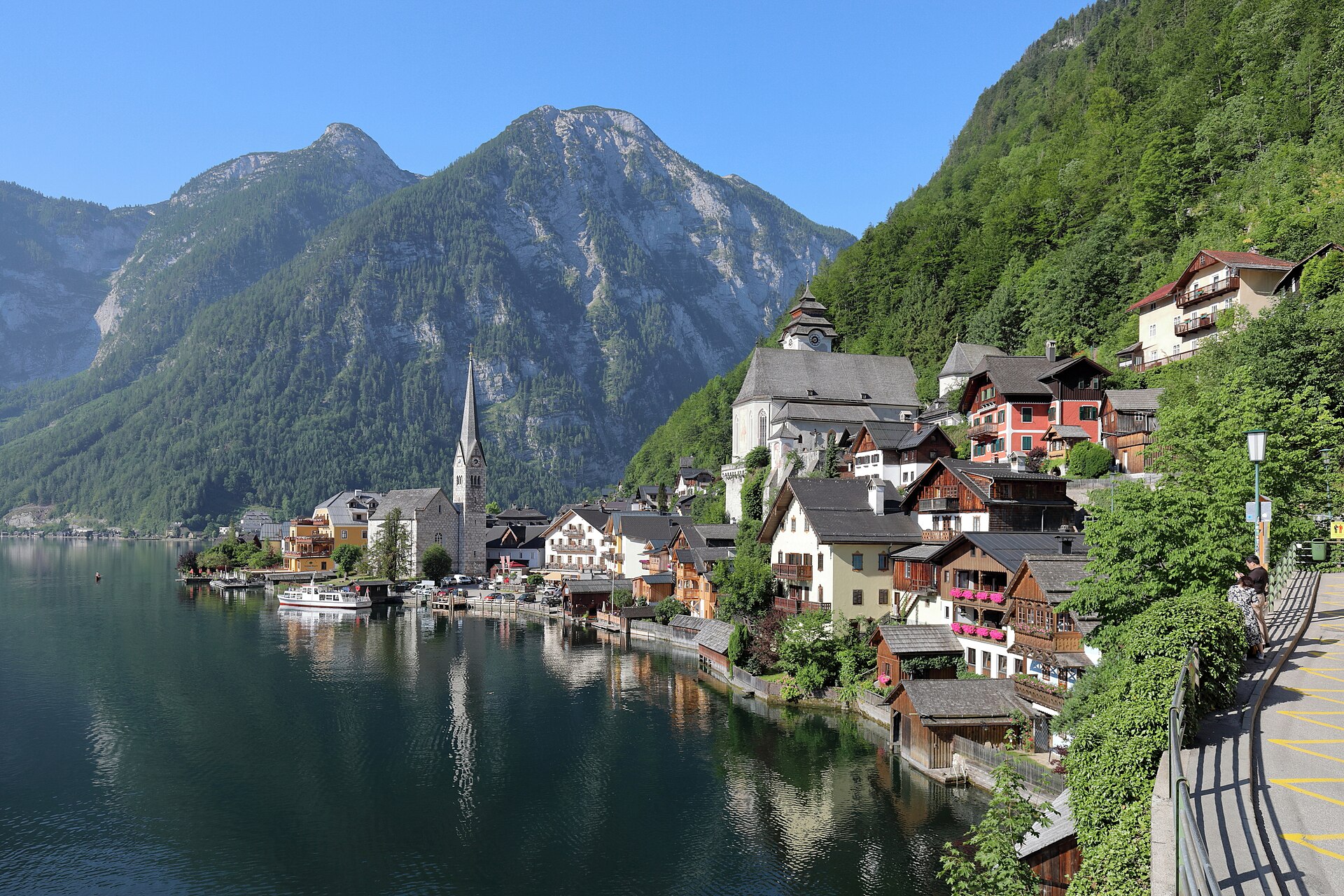
Graz, the country's culinary capital, unfolds around a UNESCO-listed old town and the wooded slopes of Schlossberg hill, while tiny Hallstatt clings to its lakeside perch above ancient salt mines and the soaring Dachstein massif.
Graz
Austria's second city — UNESCO old town, bold architecture, and Styrian gastronomy
🏔️Hallstatt
Austria's lakeside jewel — 7,000 years of salt mining, Alpine scenery, and UNESCO heritage
🏔️Innsbruck
Where Habsburg history meets the high Alps — a two-time Olympic host city
🎵Salzburg
Mozart's hometown - baroque architecture, Alpine backdrop, Sound of Music magic
🏛️Vienna
Imperial splendor, coffeehouse tradition, and the world capital of classical music
What do visitors need to know about Austria?
Finding a Guide
- Austria Guides (Austrian Professional Tour Guide Association) maintains a directory of state-licensed guides. Austrian guide licensing requires a rigorous exam and is legally mandated for guiding inside museums and monuments.
- Vienna, Salzburg, and Innsbruck tourism offices each have well-staffed bureaus that book licensed guides for walking tours, museum visits, and day excursions.
- GetYourGuide, Viator, and local operators offer pre-bookable tours ranging from Sound of Music excursions to wine-tasting journeys along the Danube.
- Higher-end hotels often have partnerships with specialist guides for private art, music, and culinary tours tailored to guest interests.
Typical Costs
| Tour Type | Price Range |
|---|---|
| Free walking tour (tips-based, 2–2.5 hrs) | €8–12 typical tip |
| Group tour (2–3 hrs) | €20–35 per person |
| Private half-day (up to 6) | €160–280 |
| Private full-day (up to 6) | €300–500 |
| Specialist guide (music, Habsburg, wine) | €300–550 per day |
Must-See Experiences
- Schönbrunn Palace — Habsburg summer residence rivaling Versailles in grandeur
- Vienna State Opera — World-class performances in a neo-Renaissance masterpiece
- Hohensalzburg Fortress — Central Europe's largest fully preserved castle overlooking Salzburg
- Grossglockner High Alpine Road — Austria's most spectacular mountain drive
- Mozart's Birthplace — The Getreidegasse apartment where a genius was born
- Tyrolean Alps — World-class skiing and hiking from Innsbruck to St. Anton
Tips for Visitors
- Best time — May–September for sightseeing and hiking, December–March for skiing and Christmas markets
- Language — German is official; English is widely understood in tourist areas, though guides illuminate cultural subtleties
- Public transport — ÖBB trains connect all major cities efficiently; Vienna's U-Bahn is comprehensive
- Tipping — 10% for private guides, €5–10 for group tours; round up at restaurants
- Vienna Pass — Covers 70+ attractions plus hop-on/hop-off buses for 1–6 days
- Book ahead — Summer opera festivals and December Advent markets fill hotels weeks in advance
When is the best time to visit Austria?
Frequently Asked Questions
What is the best time of year to visit Austria?
Late spring through early autumn is ideal for sightseeing and Alpine hiking, with June through August bringing wildflower-carpeted meadows and the renowned Salzburg Festival filling the city with world-class opera and theater in July and August. Vienna's concert season runs year-round, but autumn adds the magic of new-wine Heurigen taverns and golden foliage along the Danube. December transforms the country entirely — Viennese Christmas markets glow with mulled wine and gingerbread stalls beneath baroque facades, while fresh powder blankets the Tyrolean Alps for skiing that stretches through March.
How much does a private tour guide cost in Austria?
Vienna and Salzburg both offer free walking tours where a tip of €8-12 is customary for a two-hour stroll. Private half-day guides run €160-280 for groups of up to six, while specialist tours focusing on Habsburg architecture, music history, or Wachau Valley wine can reach €300-550 per day.
Do I need to speak the local language to travel in Austria?
German is the official language and English is widely understood in Vienna, Salzburg, and other tourist areas. However, Austrian German differs notably from standard German, and a local guide illuminates cultural subtleties — from coffeehouse etiquette to the Habsburg history woven into everyday Viennese life — that language skills alone cannot convey.