

Overview
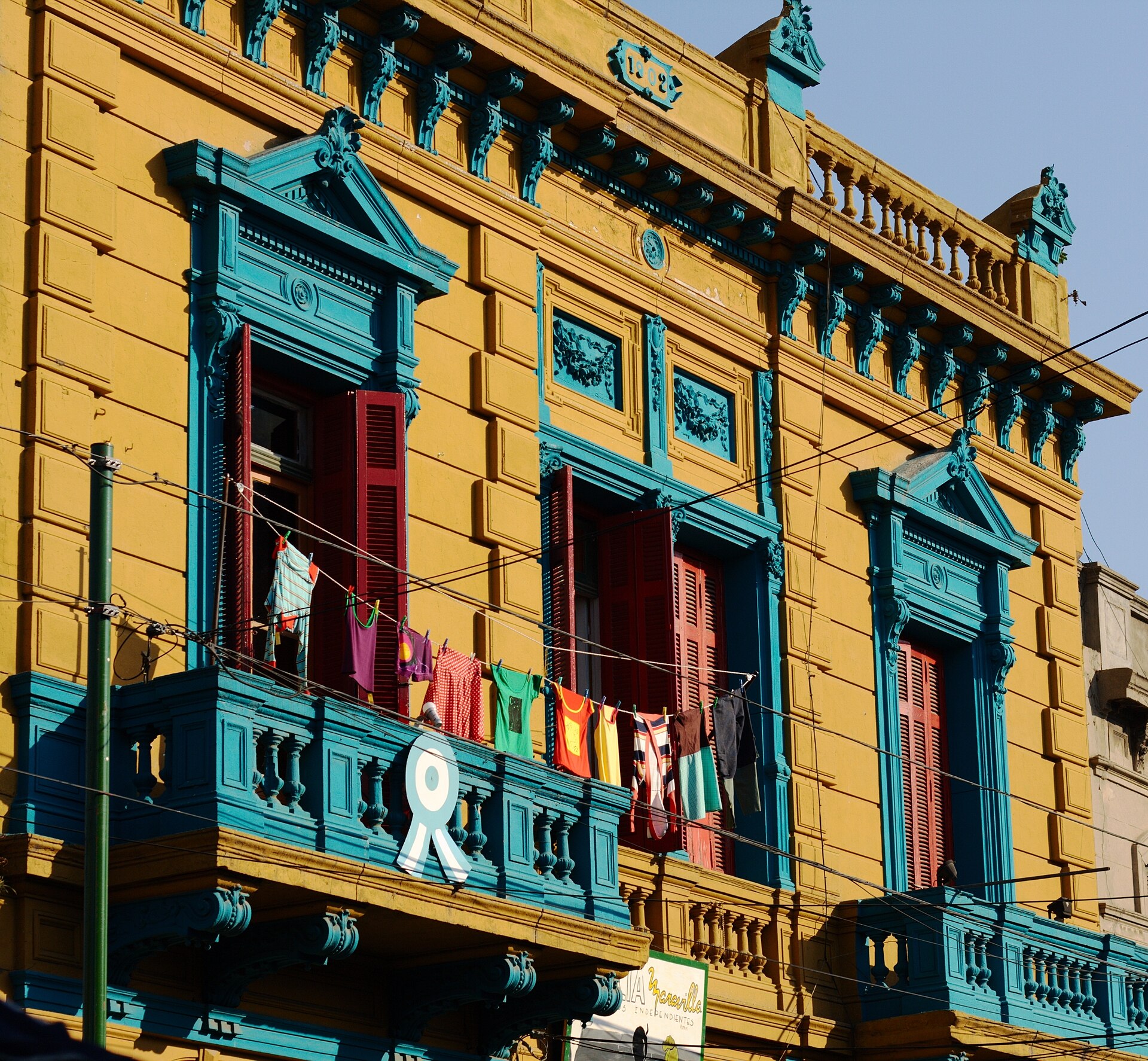
La Boca is the neighborhood that gave the world tango. In the late 19th century, Genoese immigrants crowded into this port district at the mouth of the Riachuelo river, building tenement houses from salvaged ship materials and painting them with leftover marine paint — which is why the facades along the Caminito pedestrian street blaze in patchwork shades of blue, yellow, red, and green. The tango was born in these streets too, emerging from the dim conventillos (communal tenement houses) where Italian, Spanish, and African-descended communities mixed their musical traditions into something raw, sensual, and unlike anything else.
Today, Caminito is the most photographed block in Buenos Aires: a pedestrianized lane of painted zinc-walled houses, open-air art stalls, and tango dancers posing for tips. It's beautiful but curated. The real La Boca — the neighborhood beyond the tourist strip — is grittier and more authentic, home to La Bombonera, the vertiginous home stadium of Boca Juniors where 49,000 fans make the stands literally shake. A guide is essential here: they navigate you safely beyond Caminito into streets where tourist infrastructure vanishes, point out the conventillos that survive unchanged, and explain why tango wasn't the glamorous dance you see at dinner shows but a desperate, melancholic expression of immigrant loneliness. Combine La Boca with a walk through neighboring San Telmo or follow the historical thread to Plaza de Mayo, where many of these immigrants marched for workers' rights.
Walking Routes
Caminito street art: The pedestrian lane explodes with color — painted zinc walls, murals, sculptures, and an open-air gallery where local artists sell work at approachable prices. Street tango dancers: Performers in period costume dance on the Caminito cobblestones; a good guide explains how this tourist-friendly version differs from the tango danced in milongas at 2 AM. La Bombonera: Boca Juniors' stadium is a near-vertical concrete bowl where 49,000 fans make the stands literally shake — the Museo de la Pasión Boquense inside is open on non-match days. The surviving conventillos: Beyond Caminito, a guide can show you original communal tenement houses where families of eight shared single rooms, and where tango emerged from communal patios. Fundación Proa: A world-class contemporary art museum at the foot of the old port bridge, with a rooftop café overlooking the Riachuelo.
Local Life
Beyond the main attractions, La Boca offers a window into everyday porteño culture. Corner pizzerias serve thick fugazzeta to dock workers, while bares notables — historic cafés protected by city ordinance — keep the neighborhood's Italian-immigrant identity alive. Street murals multiply on walls far from Caminito, commissioned by local collectives rather than tourist boards. On weekday mornings, Parque Lezama hosts joggers and elderly couples sharing mate on benches overlooking the Riachuelo, and a guide can walk you through the daily rhythms that visitors rushing between San Telmo and Caminito never witness.
When to Visit
Caminito: Open 24 hours, but vendors and performers are active from 10 AM to 6 PM daily. Best: Late morning on weekdays when light hits the painted facades and crowds are manageable. Avoid: After dark outside the Caminito zone — the surrounding streets are poorly lit and can be unsafe. Match days: If Boca Juniors are playing at home, the neighborhood transforms into a carnival — exhilarating with a guide, overwhelming without one. Duration: 1.5-2 hours for Caminito; 3-4 hours including the wider neighborhood with a guide.
Admission and Costs
Walking Caminito: Free — the street is a public pedestrian zone. Guided La Boca walking tour: AR$15,000-25,000 ($15-25) per person. Private guide with tango history focus: AR$40,000-60,000 ($40-60). Boca Juniors match ticket + guide: AR$50,000-120,000 ($50-120) depending on match and seat. La Boca + San Telmo combined tour: AR$30,000-50,000 ($30-50) per person.
Tips for Visitors
Stay on the tourist circuit without a guide: La Boca outside the Caminito strip can be rough — if you're solo, stick to the painted streets and main avenues during daylight. Cameras and phones: Keep equipment in hand and bags closed. Petty theft is common in crowded areas around Caminito. Getting here: Take bus 29 from the center or a taxi/rideshare. The area has no subway station — don't attempt to walk from San Telmo through unfamiliar streets. Tipping the tango dancers: If you photograph the street performers, a tip of AR$1,000-2,000 is expected and fair. Combine wisely: La Boca pairs naturally with a visit to San Telmo (especially on Sundays for the antique market) or Plaza de Mayo for a walking day that traces Buenos Aires' immigrant and political history.