

Overview
Established in the 1840s, San Francisco's Chinatown is the oldest in North America and the largest outside of Asia. Spanning 24 blocks between Grant Avenue and Stockton Street, it is home to one of the most densely populated urban neighborhoods in the western hemisphere. An estimated 15,000 residents live within these narrow alleyways and bustling streets, maintaining traditions that stretch back over 170 years. Temples hide above storefronts, herbalists blend ancient remedies behind beaded curtains, and bakeries turn out egg tarts and pork buns before dawn. Combine a visit here with a stroll to nearby Fisherman's Wharf, or check our broader San Francisco and United States guides.
Local Life
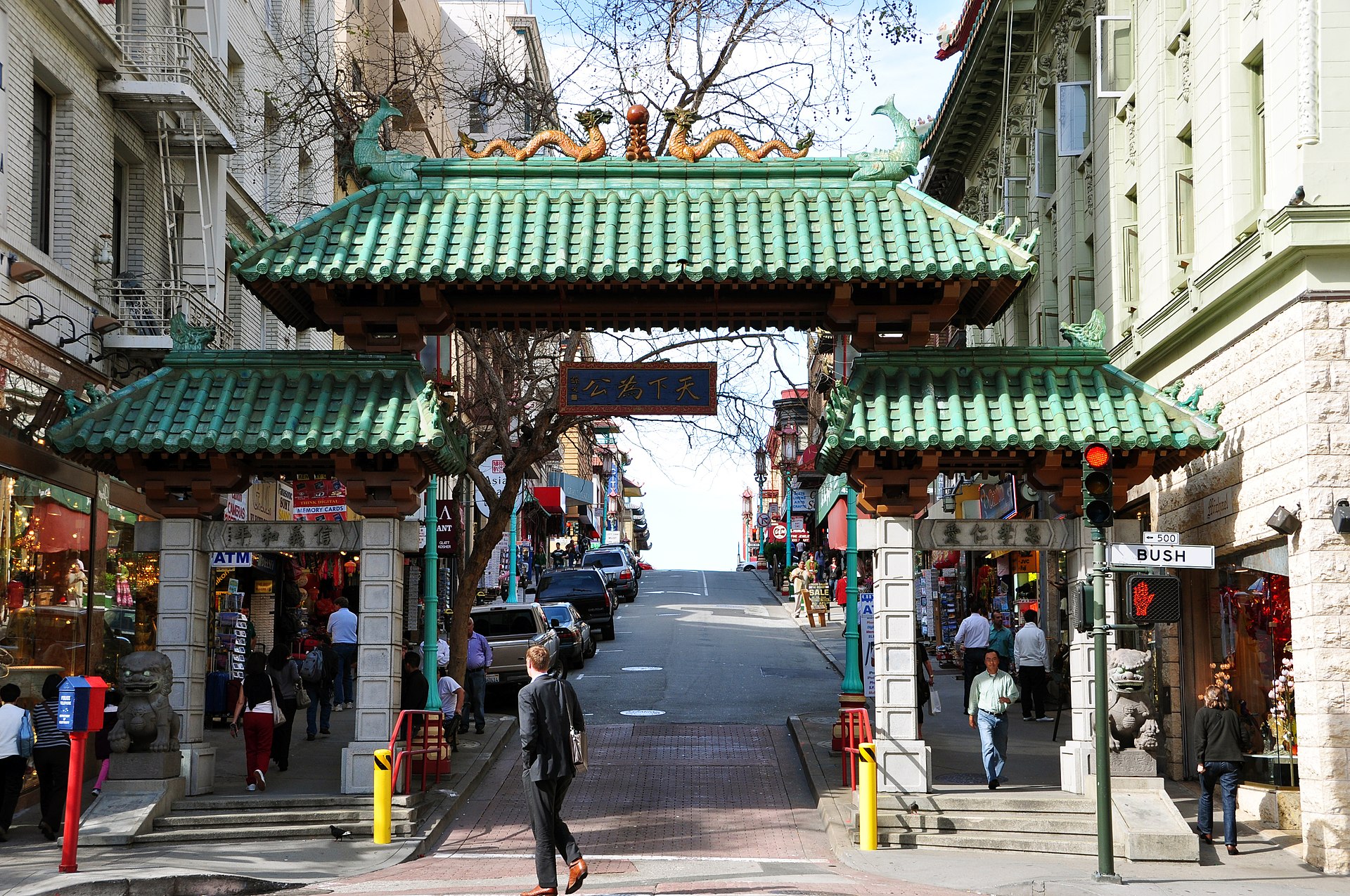
Most visitors stroll down Grant Avenue, snap photos of the Dragon's Gate, and leave without discovering the neighborhood's soul. Guides lead you through unmarked alleyways like Ross Alley and Waverly Place, where fortune cookies are still folded by hand on cast-iron griddles and incense smoke drifts from fourth-floor temple windows. They introduce you to Tin How Temple with the reverence it deserves, explaining the etiquette of offering incense and the history of a shrine that has served this community since 1852. Food tours through Chinatown transform an overwhelming maze of restaurants into a curated tasting journey. Your guide steers past the dim sum parlors that cater to tourists and into the family-run spots where Cantonese grandmothers still roll har gow by hand each morning. They explain the medicinal philosophy behind the dried seahorses and ginseng roots displayed in herbal shop windows, connecting these remedies to traditions that survived the 1906 earthquake, the Chinese Exclusion Act, and decades of discrimination. After exploring here, the Cable Cars offer a scenic ride toward other neighborhoods.
Walking Routes
Dragon's Gate: The ornamental entrance on Grant Avenue at Bush Street, donated by Taiwan in 1970 and flanked by stone lions. Tin How Temple: The oldest Chinese temple in the United States, founded in 1852, tucked above a Waverly Place storefront on the fourth floor. Golden Gate Fortune Cookie Factory: A tiny Ross Alley workshop where fortune cookies are still folded by hand on cast-iron griddles. Portsmouth Square: The living room of Chinatown, where elders practice tai chi at sunrise and play chess through the afternoon. Waverly Place: Known as the Street of Painted Balconies for its colorful overhanging terraces in red, green, and gold. Stockton Street markets: The real grocery corridor where locals buy live seafood, exotic fruits, and roasted duck. Chinese Historical Society of America: A museum inside a landmark Julia Morgan building documenting 160 years of Chinese-American life
When to Visit
Shops and markets: Most open 8:00 AM - 10:00 PM daily. Restaurants: Dim sum starts as early as 7:00 AM, dinner service until 10:00 PM. Best for food tours: Weekday mornings (9:00 - 11:00 AM) before the lunch rush. Best for atmosphere: Saturday mornings when Stockton Street markets overflow with produce. Quietest times: Tuesday and Wednesday afternoons
Admission and Costs
Walking Chinatown: Free to explore on your own. Group food walking tour: $40-65 per person (includes 6-8 tastings over 2.5 hours). History and culture walking tour: $25-40 per person (2 hours). Private guide for families or groups: $200-350 for up to 8 people (3 hours). Cooking class with market tour: $80-120 per person (includes ingredients and meal)
Tips for Visitors
Wear comfortable shoes: Streets are hilly and uneven, and you will walk more than you expect exploring the alleyways. Bring cash: Many vendors, bakeries, and smaller restaurants do not accept credit cards. Parking is scarce: Use the Portsmouth Square Garage or take Muni to Chinatown-Rose Pak station on the Central Subway. Photography etiquette: Ask before photographing temple interiors, herbal shops, or people at work. Come hungry: Food tours involve substantial portions, and even a casual walk leads to spontaneous tastings. Lunar New Year: The annual parade in late January or February is spectacular but extremely crowded, so arrive early for sidewalk spots