

Overview
Washington Park is the green soul of Portland, a 410-acre expanse of hillside forest, manicured gardens, and cultural institutions that has served as the city's primary public park since 1871. Located in the West Hills just two miles from downtown, the park climbs from 200 feet to over 1,000 feet in elevation, creating a landscape that ranges from formal rose terraces to dense stands of Douglas fir and western red cedar. The International Rose Test Garden, established in 1917, is the oldest continuously operated public rose test garden in the United States and the source of Portland's enduring "City of Roses" identity. On clear days, the garden's terraced amphitheater frames a staggering view of Mount Hood floating above the city skyline. Beyond the roses, Washington Park packs a remarkable concentration of attractions into its acreage. The Portland Japanese Garden occupies a hillside within the park's western reaches, widely considered the finest outside Japan. The Oregon Zoo, home to over 2,000 animals across 64 acres, is accessible via the MAX Light Rail at the deepest transit station in North America, 260 feet below the park's surface. The Hoyt Arboretum weaves 12 miles of hiking trails through a living collection of over 2,300 species of trees and shrubs gathered from six continents. The Portland Children's Museum, the World Forestry Center, and several memorial gardens round out a park that could easily fill two or three full days of exploration. It connects seamlessly northward into the Wildwood Trail system that leads through Forest Park to Pittock Mansion, making it possible to walk from formal rose beds to a Gilded Age estate entirely through forest.
Seasonal Highlights
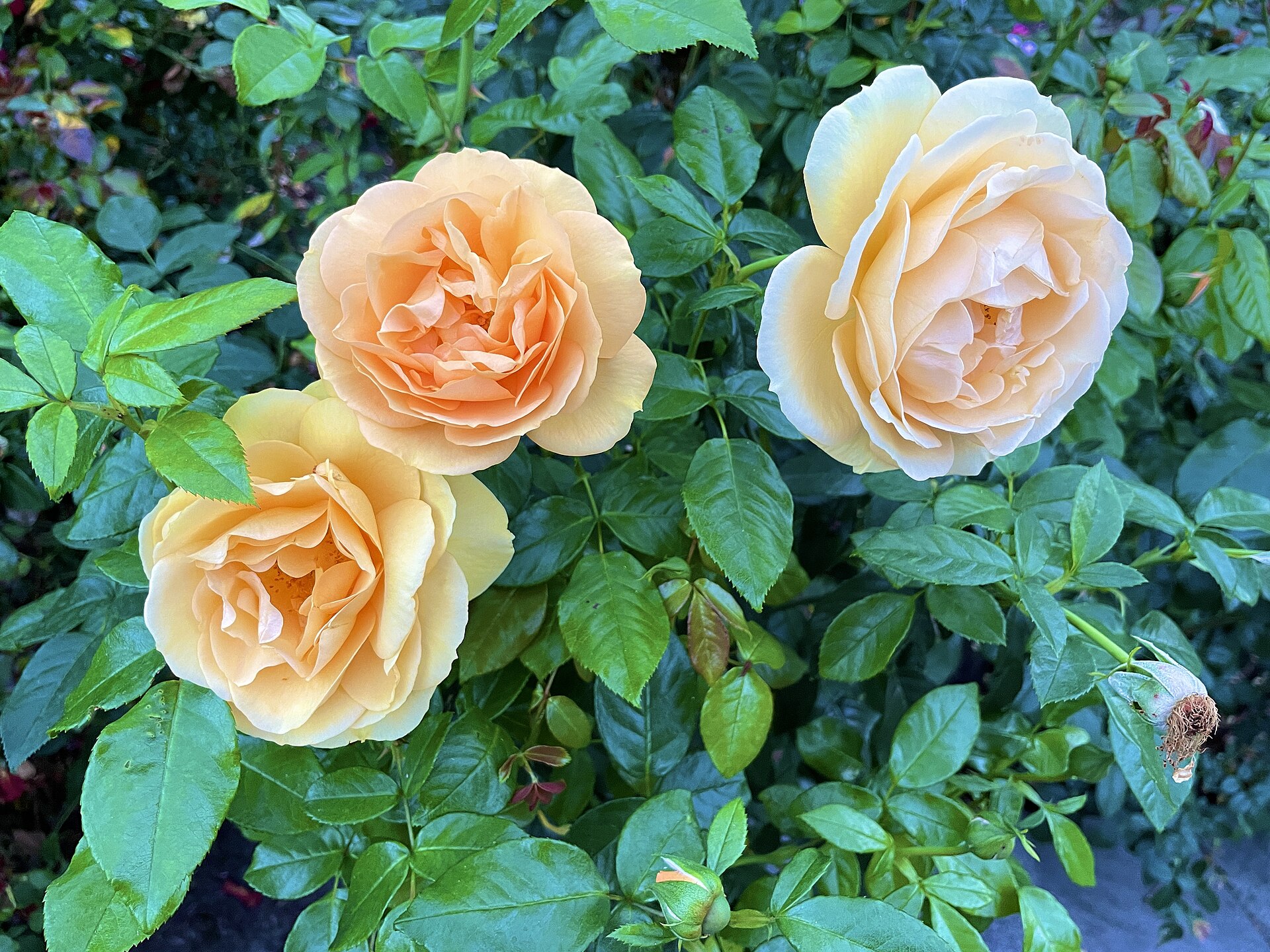
Over 2,300 tree species from six continents grow in the Hoyt Arboretum, but without botanical expertise most visitors stroll past remarkable specimens without recognition. Guides identify dawn redwoods, the prehistoric species thought extinct until living trees were discovered in China in 1944. They point out monkey puzzle trees with their reptilian bark, coast redwoods growing far north of their native range, and Japanese maples that blaze crimson in autumn. This knowledge transforms a pleasant forest walk into a tour of global dendrology concentrated within a few hundred acres. The International Rose Test Garden carries its own history worth narrating. Established during World War I as a safe haven for European hybrid roses threatened by bombing, the garden preserves 610 named varieties across terraced beds with Mount Hood framing the backdrop. Guides share the stories behind specific cultivars, explain the testing program that evaluates new varieties before they reach commercial markets, and lead visitors to the Shakespeare Garden section containing only roses mentioned in the playwright's works. Washington Park's trail network can confuse hikers at unmarked intersections where paths diverge toward Forest Park, Pittock Mansion, or back toward the rose terraces. Guides navigate these junctions confidently and explain the ecological systems operating along the way. The forest here functions as a genuine Pacific Northwest temperate rainforest, with Douglas fir reaching toward filtered light, sword ferns carpeting the understory, and wildlife ranging from black-tailed deer to pileated woodpeckers depending on the habitat. Guides connect this green space to Portland's broader identity as an environmentally progressive city that has prioritized parks and open space since its earliest planning decisions.
Activities
MAX Light Rail: The Washington Park station (260 feet underground) drops you directly at the zoo entrance and connects to downtown in 10 minutes for $2.50. Free shuttle: A shuttle loops between the MAX station, the rose garden, and the Japanese Garden every 15 minutes from spring through fall. Parking: Free lots serve the rose garden and zoo, but they fill quickly on summer weekends; arrive before 10 AM or use transit. Footwear: The park mixes paved paths with forest trails; waterproof hiking shoes are wise from October through May when mud is common. Pack lunch: Picnic areas near the rose garden are scenic and free; there are no restaurants within the park itself beyond the zoo's concessions. Full-day itinerary: Start at the rose garden in the morning, shuttle to the Japanese Garden before noon, hike the arboretum after lunch, then explore the Pearl District galleries in the evening. Extend to Pittock: If time and energy allow, the Wildwood Trail north to Pittock Mansion adds a rewarding 3.5-mile forest walk with panoramic views at the finish
When to Visit
Park grounds: Open daily 5 AM to 10 PM year-round; no admission fee for the park itself. Rose Test Garden: Open daily, dawn to dusk, with peak bloom from late May through October. Oregon Zoo: Open daily 9:30 AM to 5 PM (6 PM in summer); separate admission required. Best for roses: June is the peak month when over 10,000 bushes in 610 varieties are in full bloom; early morning visits avoid both crowds and midday heat. Best for hiking: September and October offer dry trails, cooler temperatures, and spectacular fall color in the Hoyt Arboretum. Rainy season advantage: Winter and spring rains bring the forest to lush, mossy life; the trails are quieter and the park's temperate rainforest character emerges fully
Admission and Costs
Park entry: Completely free, including the Rose Test Garden, Hoyt Arboretum trails, and all memorial gardens. Oregon Zoo: $24.95 adults, $19.95 seniors, $17.95 children 3-11, free under 3. Japanese Garden: $18.95 adults (separate from general park admission). Guided nature walk: $20-35 per person for a 2-hour botanical or forest ecology walk through the arboretum and trails. Private park tour: $150-250 for groups up to 6 people, covering the rose garden, arboretum highlights, and forest trails over 3-4 hours
Tips for Visitors
International Rose Test Garden: Wander over 4.5 acres and 10,000 rose bushes with Mount Hood as your backdrop; the Shakespeare Garden section features only varieties mentioned in the Bard's plays. Portland Japanese Garden: The crown jewel within the park, accessible via a short uphill walk or free shuttle from the MAX station. Hoyt Arboretum: Twelve miles of trails through a global tree collection; the Redwood Deck overlooks a grove of coastal redwoods planted far north of their native range. Oregon Zoo: The zoo's Elephant Lands exhibit and Primate Forest are standouts; concerts on the lawn draw thousands during summer evenings. Wildwood Trail to Pittock Mansion: The 3.5-mile trail segment from the park to the mansion passes through old-growth forest and offers one of the finest urban hikes in America. Rose Garden viewpoint: The amphitheater-style terraces provide a framing of downtown Portland with Mount Hood that has graced a thousand postcards