
Local Life
Industrial bones hide beneath the Pearl District's polished surfaces, and guides know where to find them. Original freight elevators still operate in buildings that once hauled goods to rail cars. Massive timber trusses span loft spaces where workers once sorted cargo. Rail spurs disappear beneath modern sidewalks, their routes traceable if you know where to look. This transformation from loading dock to gallery district happened deliberately, shaped by urban planners, community activists, and developers whose decisions are now studied by cities worldwide hoping to replicate the Pearl's success. Choosing among the neighborhood's forty-plus galleries without guidance often leads to random wandering and overwhelmed capitulation. Guides who know the local art scene steer visitors toward exhibitions matching their tastes, whether that means contemporary Indigenous work, studio glass from the region's renowned glassblowing tradition, or emerging painters whose work has not yet commanded major prices. Food tours offer similar curation, bypassing obvious restaurants to introduce visitors to artisan chocolatiers, small-batch sake brewers, and chef-driven kitchens sourcing ingredients from farms within fifty miles of the city. The Pearl does not exist in isolation, and knowledgeable guides connect it naturally to neighboring attractions. Powell's City of Books anchors the district's southeastern corner, a natural starting point before heading into the galleries. The Portland Streetcar links the neighborhood to Washington Park in minutes, making it easy to combine urban art exploration with forest trails and botanical gardens in a single day.
Walking Routes
First Thursday Art Walk: The monthly free gallery crawl is the single best evening experience in Portland, with wine receptions, live music, and street performers. Jamison Square fountain: Kids splash in the stepped stone basin while adults relax on the surrounding lawn - a perfect urban park scene. Powell's City of Books: The world's largest independent bookstore sits at the Pearl's southeast corner, blending perfectly into the neighborhood's literary culture. Northwest 13th Avenue gallery row: The highest concentration of galleries in the district, walkable in a single afternoon with stops for coffee between exhibitions. Tanner Springs Park: A naturalistic park that reimagines the wetland landscape that once covered this area, complete with native plantings and a rail-art installation. Restaurant row: Northwest 11th and 12th Avenues host a density of acclaimed dining that rivals neighborhoods twice the size, from farm-to-table fine dining to inventive ramen
When to Visit
District access: The streets and parks are open at all times; no admission is required to walk the neighborhood. Gallery hours: Most galleries open Tuesday through Saturday, 11 AM to 6 PM, with some extending to 8 PM on First Thursdays. First Thursday Art Walk: The first Thursday of every month from 6 to 9 PM is the marquee event, when galleries debut new exhibitions and the streets fill with art lovers. Morning calm: Weekday mornings before 10 AM offer the best photography opportunities with soft light on the brick facades and quiet sidewalks. Restaurant prime time: Reserve dinner tables by 5 PM to avoid waits at popular spots along Northwest 11th and 12th Avenues
Admission and Costs
Walking the district: Completely free at all times. Gallery admission: Nearly all galleries are free to enter; some special exhibitions may charge $5-10. Guided art walk: $30-50 per person for a 2-hour gallery tour with an art historian or local artist. Private neighborhood tour: $180-300 for groups up to 6 people, covering 3 hours of architecture, art, and culinary stops. Food-focused tours: $65-90 per person including tastings at 5-6 Pearl District restaurants and food artisans
Tips for Visitors
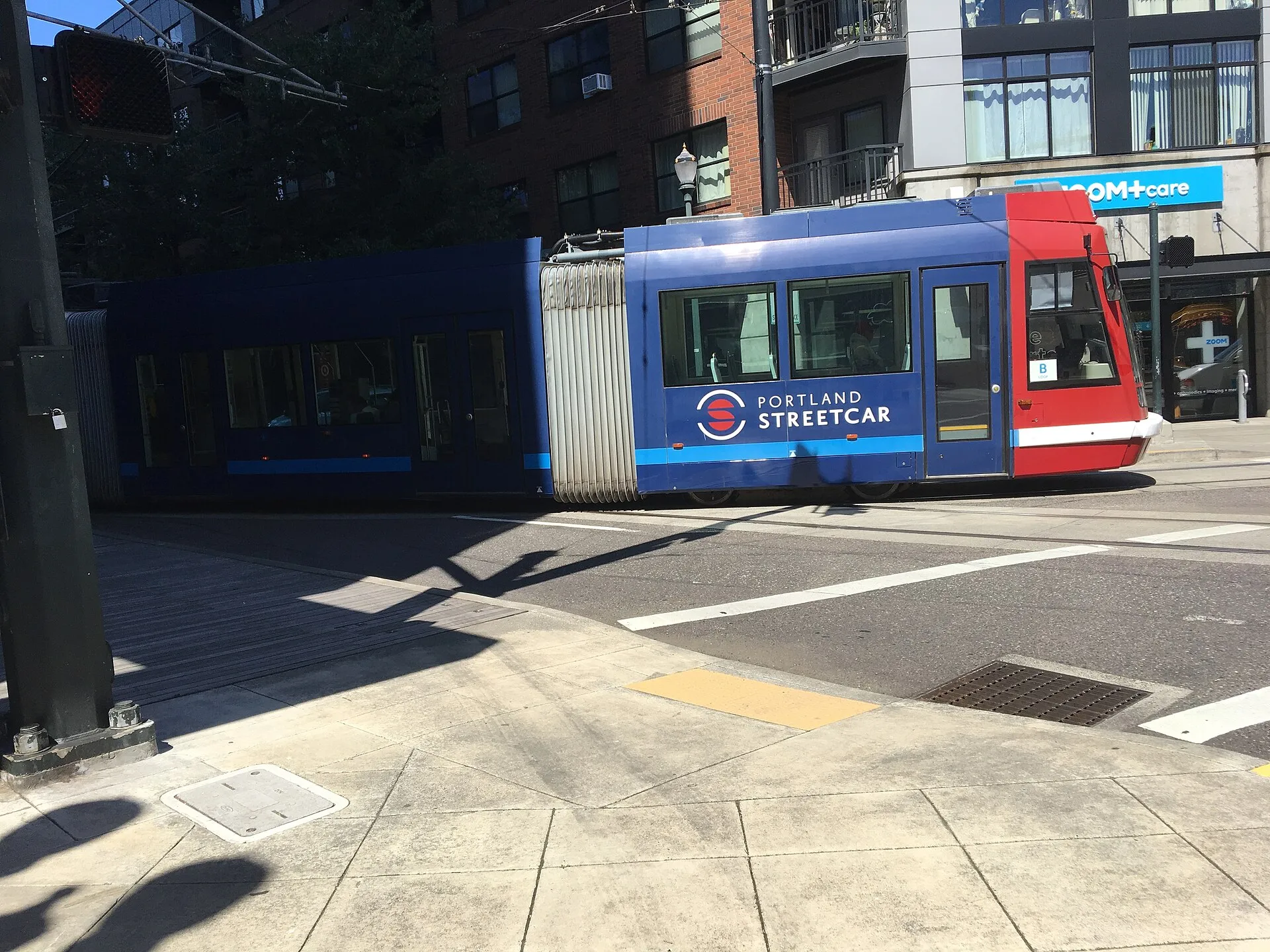
Getting there: The Portland Streetcar runs through the heart of the Pearl District, connecting it to downtown and the South Waterfront for $2. Combine with Powell's: Start at Powell's City of Books on West Burnside, then walk north into the gallery district - a natural two-to-three-hour itinerary. Parking: Street parking is metered and competitive; the Smart Park garages on Northwest 10th Avenue charge $1.80 per hour with a $5 daily maximum on weekends. Rainy day perfect: The Pearl District is one of Portland's best rainy-day destinations since nearly everything worth seeing is indoors. Pair with nature: After a morning in the galleries, take the MAX to Washington Park or drive 15 minutes to Pittock Mansion for an afternoon of green space and panoramic views. Saturday Market nearby: On weekends, the Portland Saturday Market under the Burnside Bridge is a short walk south, with over 250 artisan vendors
Frequently Asked Questions
What time of year is best for exploring Portland's Pearl District?
June through September is prime time, when Portland's reliably dry, sunny weather makes walking between galleries, shops, and outdoor cafes a delight and the First Thursday art walks are at their most vibrant. The district is largely indoors-oriented, so rain-soaked winter months are still viable for gallery hopping, but the grey skies and frequent drizzle from November through March dampen the outdoor dining and people-watching that give the Pearl its energy.
What time of day is best for exploring Pearl District?
District access: The streets and parks are open at all times; no admission is required to walk the neighborhood. Gallery hours: Most galleries open Tuesday through Saturday, 11 AM to 6 PM, with some extending to 8 PM on First Thursdays.
How much should visitors budget for Pearl District?
Walking the district: Completely free at all times. Gallery admission: Nearly all galleries are free to enter; some special exhibitions may charge $5-10.
How do visitors get to Portland's Pearl District by public transit?
Getting there: The Portland Streetcar runs through the heart of the Pearl District, connecting it to downtown and the South Waterfront for $2.