

Overview
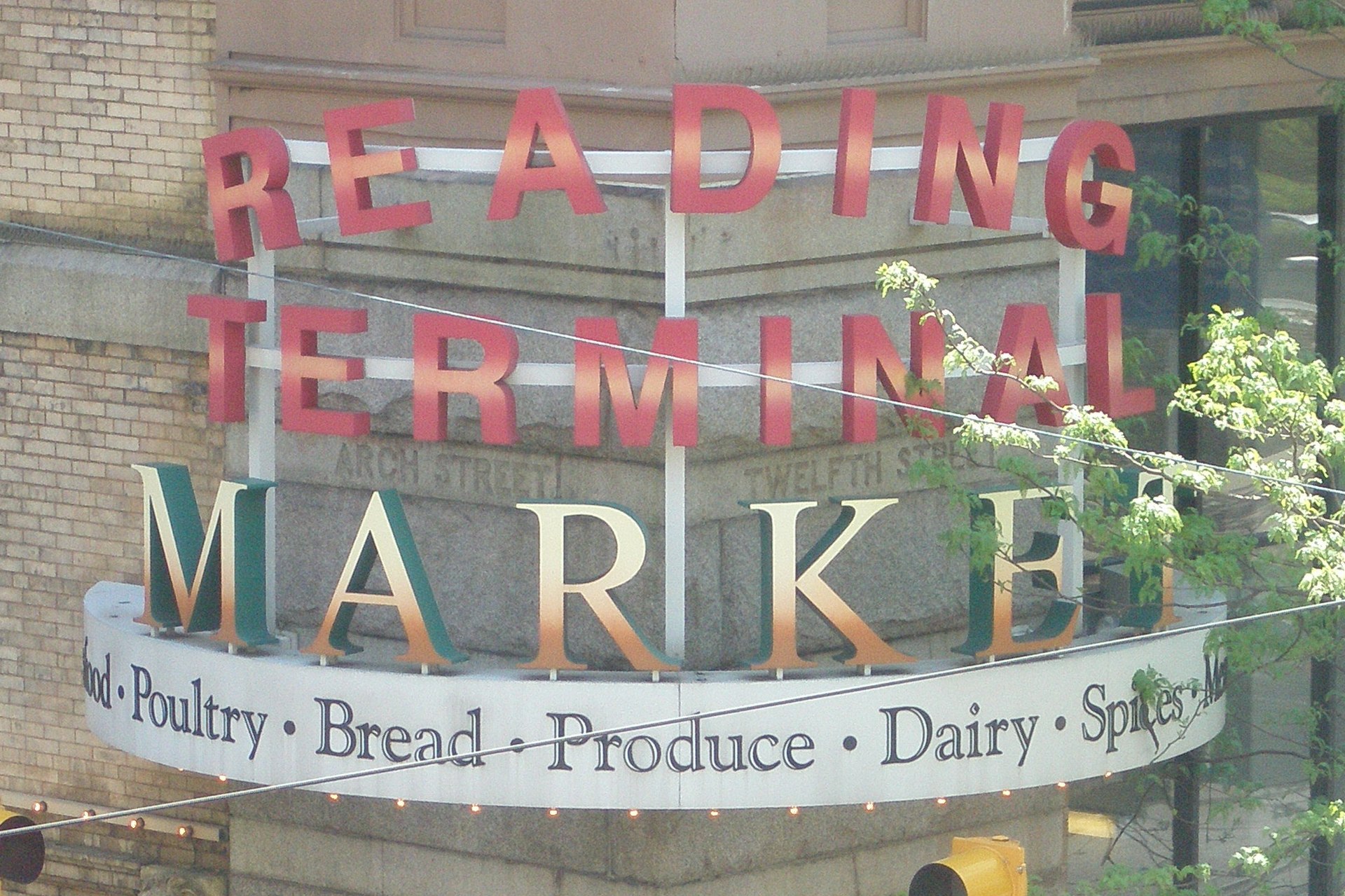
Reading Terminal Market is not a food court. It is a living, breathing artifact of American commerce that has operated continuously beneath the soaring iron-and-glass train shed of the former Reading Railroad terminal since 1893. Over 80 vendors pack this single city block at 12th and Arch Streets, selling everything from Amish butter and scrapple to Oaxacan mole and Vietnamese pho. The market predates modern supermarkets by decades, and it survived the suburban exodus, the decline of the railroads, and the near-death of American downtowns to remain what it has always been: the place where Philadelphia feeds itself. What makes Reading Terminal different from the trendy food halls popping up in every American city is authenticity. The Amish and Mennonite vendors who sell here on Wednesdays through Saturdays have been traveling from Lancaster County for generations. DiNic's roast pork sandwich has been named the best sandwich in America by national food critics. Bassett's Ice Cream has occupied the same stall since 1893, making it the oldest ice cream company in the country. Beiler's Bakery donuts draw lines that stretch past neighboring stalls. A food tour guide does not just tell you what to eat; they explain who makes it, where the traditions come from, and why this market matters to the soul of a city that takes its food as seriously as its history.
Food Stalls
DiNic's Roast Pork: Voted the best sandwich in America, featuring slow-roasted pork with sharp provolone and broccoli rabe on a Sarcone's roll. Beiler's Bakery: Amish-made donuts that sell out daily, especially the apple fritter and glazed varieties. Bassett's Ice Cream: Operating from the same stall since 1893, this is the oldest ice cream brand in the country.
Hershel's East Side Deli: Classic pastrami and corned beef sandwiches. Sang Kee's Peking Duck: Representing the Asian culinary traditions that have enriched the market. Valley Shepherd Creamery: Award-winning artisanal cheeses aged in caves in Long Valley, New Jersey, with generous samples offered. The Amish and Mennonite stalls sell hand-rolled butter, whoopie pies, chow-chow relish, and shoofly pie from Lancaster County families (Wednesday through Saturday only).
What To Buy
DiNic's Roast Pork: Voted the best sandwich in America, featuring slow-roasted pork with sharp provolone and broccoli rabe on a Sarcone's roll. Beiler's Bakery: Amish-made donuts that sell out daily, especially the apple fritter and glazed varieties that draw the market's longest lines. Bassett's Ice Cream: Operating from the same stall since the market opened in 1893, this is the oldest ice cream brand in the country. Amish and Mennonite stalls: Hand-rolled butter, fresh-baked whoopie pies, chow-chow relish, and shoofly pie from Lancaster County families (Wednesday through Saturday only). Diverse global flavors: From Hershel's East Side Deli pastrami to Sang Kee's Peking duck, the market reflects every wave of immigration that shaped Philadelphia. Valley Shepherd Creamery: Award-winning artisanal cheeses aged in caves in Long Valley, New Jersey, with generous samples offered
When to Visit
Eighty vendors packed into a single city block overwhelm first-time visitors, who tend to fill up on the first appealing thing they see rather than pacing themselves toward the market's genuine treasures. Food tour guides know the rhythm of a proper grazing strategy: which portions to share, which stalls reward returning for a full meal, and how to save room for Beiler's donuts that sell out by early afternoon. They steer you past the tourist-trap cheesesteaks toward DiNic's roast pork, guide you to the Thai stall hidden in a back corner, and introduce you to the spice merchant whose custom blends are unavailable anywhere else in the country.
The market reflects over a century of Philadelphia's immigration waves layered atop each other in a single soaring space. German and Irish roots established the market's foundation in 1893, and their influence persists in the scrapple, the pretzel vendors, and the corned beef. Southeast Asian refugees who arrived in the 1970s and 1980s brought pho and banh mi. Latin American vendors added Oaxacan mole and fresh tortillas. Guides explain these cultural layers while leading you through them, transforming a food tour into an edible history of American immigration. They also explain what scrapple actually is, why Philadelphia water bagels taste different, and how the cheesesteak was invented a few miles south at Pat's in 1930.
The Amish and Mennonite vendors who travel from Lancaster County on Wednesdays through Saturdays represent the market's most distinctive tradition, selling hand-rolled butter, fresh-baked whoopie pies, and shoofly pie to recipes passed down through generations. Guides know which Amish woman makes the best shoofly pie, which stall to visit for genuine Lancaster County scrapple, and how to identify the subtle differences between Amish and Mennonite foodways. For visitors with dietary restrictions, guides can map vegan, gluten-free, or halal paths through the market that you would never discover wandering alone. The market sits just six blocks north of the Liberty Bell and Independence Hall, making it a natural lunch break during any historic district exploration.
Admission and Costs
Entry: Completely free. You pay only for what you eat and buy. Average meal: $8-15 per person for a substantial lunch from any vendor. Tasting tour budget: $25-40 per person if you want to sample from 4-5 different vendors over a morning. Guided food tours: $45-75 per person for a 2-hour tour with tastings included at 5-6 vendor stops. Private food guide: $200-350 for a personalized 2-hour market tour for up to 6 people with generous tastings throughout
Tips for Visitors
Come hungry, pace yourself: The biggest mistake is filling up at the first stall. Share portions and graze your way through the market over 90 minutes to two hours. Bring cash: Several vendors, particularly the Amish stalls, are cash-only. The in-market ATM can have lines during peak hours. Seating is communal: Shared tables are scattered throughout the market. During lunch rush, grab any open seat and do not expect to linger. Location advantage: The market is just six blocks north of the Liberty Bell and Independence Hall, making it a natural lunch break during a historic district tour. Convention Center connection: The market sits beneath the Pennsylvania Convention Center, connected by interior corridors. If attending a conference, you have world-class lunch directly below. Take something home: Spice blends, local honey, Amish preserves, and artisanal chocolates make excellent Philadelphia souvenirs that fit in a carry-on. Morning coffee ritual: Several vendors serve excellent coffee, and arriving at 8:00 AM with a cortado in hand while the market comes alive is a quintessential Philadelphia experience