
Historical Significance
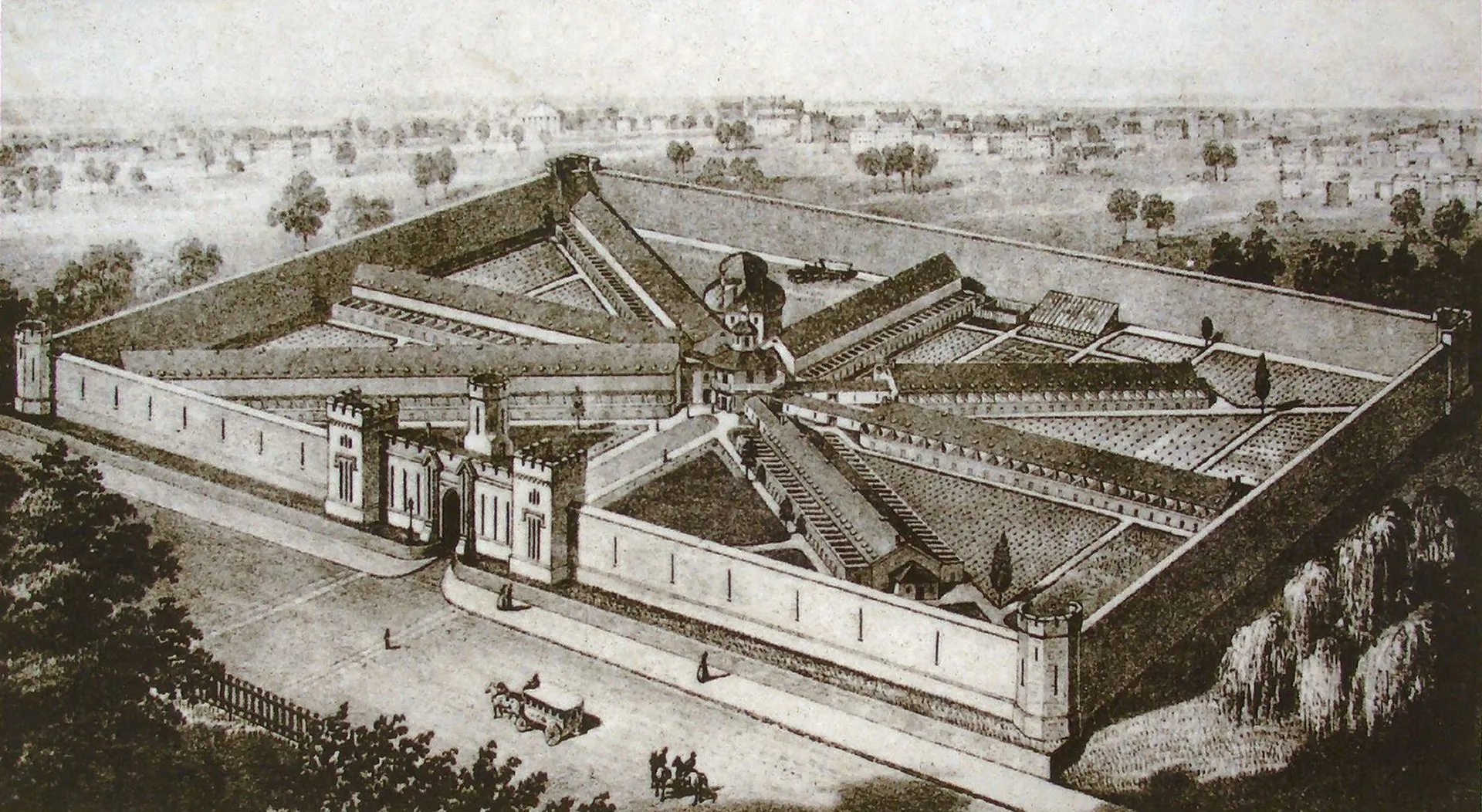
Every architectural choice in this building was designed to embody a Quaker philosophy of penitent reflection, and understanding that design transforms the visit from creepy tourism into genuine reckoning. The wagon-wheel layout allowed a single guard at the central hub to observe all seven cellblocks radiating outward like spokes. Individual skylights in each cell, which architects called "the Eye of God," provided the only natural light and reminded prisoners of divine judgment watching from above. Hooded entry corridors ensured that inmates never saw another face during their entire sentence. Guides decode how the building itself was the punishment, how good intentions produced what Charles Dickens described as psychological torture, and why over 300 prisons on five continents were modeled on this deeply flawed experiment. Specialty guided tours access spaces the general audio tour cannot reach, including the hospital ward where prisoners received medical care across 140 years of evolving practice, the synagogue built by Jewish inmates, Death Row's particularly grim cellblock, and the tunnels used in escape attempts like Willie Sutton's 1945 breakout. Guides with criminology or social justice backgrounds connect Eastern State to ongoing debates about solitary confinement, prison reform, and mass incarceration in America. The themes raised inside these crumbling cellblocks are not historical relics but urgent contemporary questions that affect millions of incarcerated people today. Al Capone's restored cell reveals the privileges that America's most powerful gangster secured during his eight comfortable months here in 1929, complete with fine furniture, oriental rugs, a cabinet radio, and oil paintings. The contrast between his accommodations and the austere cells designed for solitary reflection makes visible the inequalities that have always shaped the criminal justice system. Rotating contemporary art installations transform cells and corridors into commentaries on justice, memory, and confinement, and guides help visitors understand how these works interact with the ruined space. The Philadelphia Museum of Art and Rocky Steps are just a few blocks away for a dramatically different afternoon experience.
Architecture
Wear sturdy shoes: The grounds are uneven with loose rubble, crumbling concrete, and puddles in some cellblocks. Heels and sandals are a poor choice. Dress for the weather: Much of the prison is open to the elements, with no climate control. In winter, dress warmly. In summer, bring sunscreen for the open-air yards. Allow 90 minutes to 2 hours: The audio tour alone runs about an hour, and you will want time to explore independently and sit with the atmosphere. Near the Museum of Art: Eastern State sits just a few blocks from the Philadelphia Museum of Art and the Rocky Steps, making them natural companions for a Fairmount district afternoon. Photography is encouraged: The ruins are extraordinarily photogenic. Wide-angle lenses capture the dramatic corridors, and the play of light through broken ceilings creates stunning images. Halloween events: "Terror Behind the Walls" transforms the prison into one of the nation's top haunted house experiences each fall, but tickets sell out fast and are priced separately from daytime admission. Emotional preparation: This is not a lighthearted visit. The prison's history of isolation, suffering, and failed ideology is presented honestly, and many visitors find it profoundly affecting
When to Visit
Standard hours: Wednesday through Sunday, 10:00 AM to 5:00 PM (last entry at 4:00 PM). Seasonal variation: Open daily during peak summer months (Memorial Day through Labor Day) and extended hours during special events. Terror Behind the Walls: The famous Halloween event runs select evenings in September and October with separate ticketing and dramatically longer hours. Best time to visit: Weekday mornings when the cellblocks are nearly empty, amplifying the eerie silence that defined the original prison experience. Closed: Mondays and Tuesdays (except summer), Thanksgiving, December 24-25, and January 1
Admission and Costs
Adult admission: $19 general, includes the award-winning audio tour narrated by actor Steve Buscemi. Seniors (65+): $17. Students with valid ID: $15. Children 7-12: $13. Under 7: free. Audio tour included: Every ticket comes with the Buscemi-narrated audio guide, which alone is worth the visit. Guided specialty tours: $25-40 per person for themed add-on tours exploring hidden areas like the hospital wing or underground tunnels. Private group guide: $200-400 for a private 90-minute tour for up to 10 people with behind-the-scenes access
Tips for Visitors
Al Capone's cell: Restored to its 1929 appearance with fine furniture, oriental rugs, a cabinet radio, and oil paintings. The most powerful gangster in America served a relatively comfortable eight months here for carrying a concealed weapon. Willie Sutton's escape tunnel: The bank robber and eleven others dug a tunnel under the prison wall in 1945. The entry point and partial tunnel are visible in Cellblock 7. The "Eye of God" skylights: Each original cell had a single small skylight, the only source of natural light, designed to remind prisoners of divine judgment watching from above. Hospital wing: Accessible on specialty tours, the prison hospital reveals the harsh medical realities of institutional life spanning 140 years. Contemporary art installations: Artists create site-specific works that transform cells and corridors into powerful commentaries on justice, memory, and confinement. Nature reclaiming the ruins: Trees grow through collapsed roofs, vines crawl up guard towers, and wildlife inhabits the cellblocks. The decay itself has become part of the experience
Frequently Asked Questions
What is the best time of year to explore Eastern State Penitentiary?
April through September offers the most comfortable conditions for walking the roofless cellblocks and crumbling corridors, where natural light streams through the skylights as the architects originally intended. October is the marquee month, when the hugely popular Terror Behind the Walls haunted house event transforms the penitentiary after dark. Winter visits have a raw, atmospheric quality, though some outdoor sections can be chilly and the facility operates on a reduced schedule.
When can visitors tour Eastern State Penitentiary?
Standard hours: Wednesday through Sunday, 10:00 AM to 5:00 PM (last entry at 4:00 PM). Seasonal variation: Open daily during peak summer months (Memorial Day through Labor Day) and extended hours during special events.
How much is the entrance fee for Eastern State Penitentiary?
Adult admission: $19 general, includes the award-winning audio tour narrated by actor Steve Buscemi. Seniors (65+): $17. Students with valid ID: $15. Children 7-12: $13. Under 7: free.
What makes Eastern State Penitentiary's Al Capone exhibit special?
Al Capone's cell: Restored to its 1929 appearance with fine furniture, oriental rugs, a cabinet radio, and oil paintings. The most powerful gangster in America served a relatively comfortable eight months here for carrying a concealed weapon.