

Overview
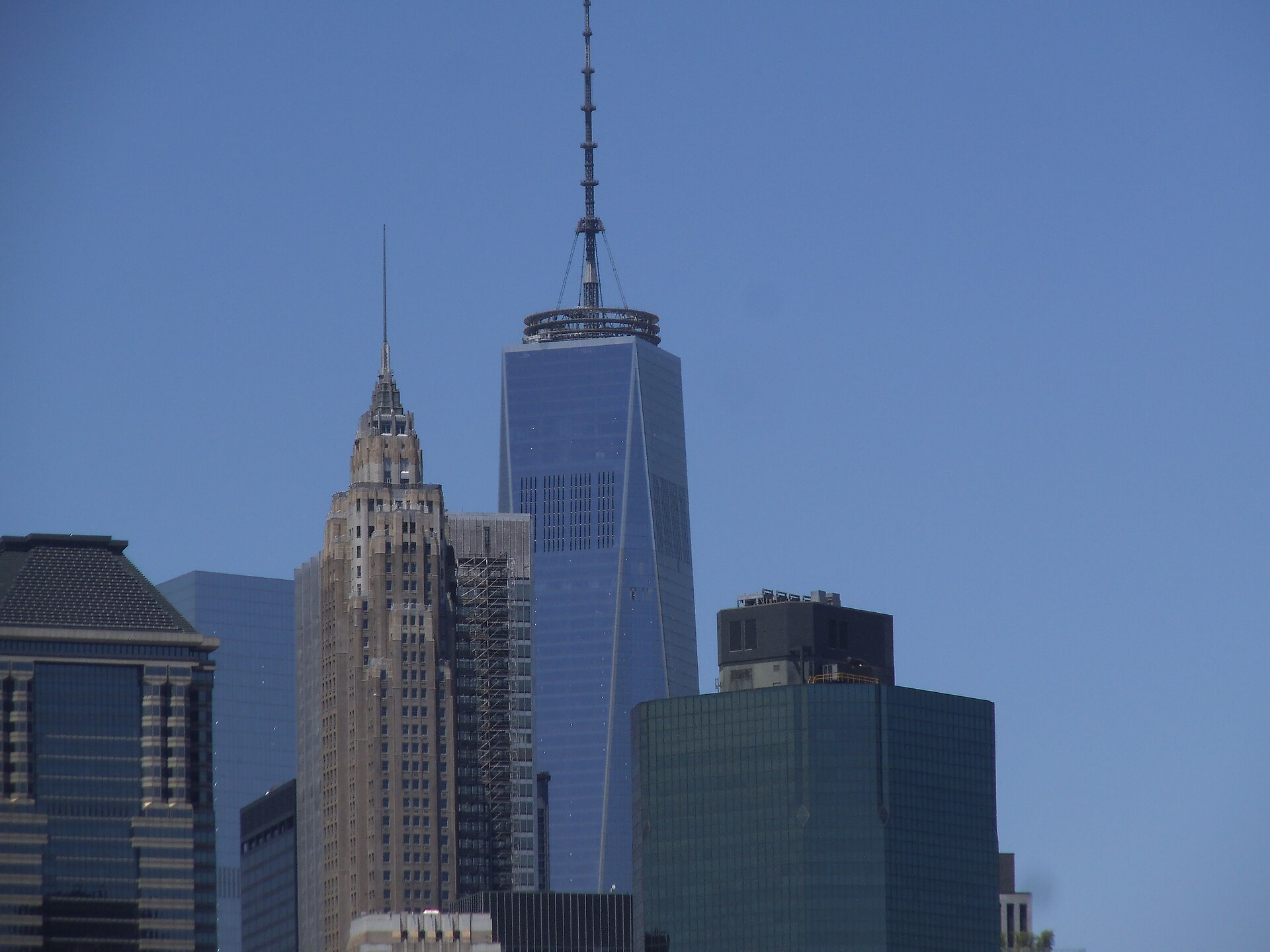
One World Observatory occupies floors 100 through 102 of One World Trade Center, the tallest building in the Western Hemisphere at a symbolically chosen 1,776 feet, a height that references the year of American independence. The building rises from the northwest corner of the World Trade Center site in Lower Manhattan, its crystalline glass facade reflecting the sky and harbor in geometric patterns that shift throughout the day. The observatory opened in May 2015, nearly 14 years after the September 11 attacks destroyed the original Twin Towers, and it carries a weight of meaning that no other observation deck in New York City can match. The experience begins with five dedicated Sky Pod elevators that ascend 1,250 feet in just 47 seconds, their walls displaying a time-lapse animation of the Manhattan skyline evolving from primeval forest through 500 years of construction to the present day. When the animation concludes and the elevator doors open, visitors step onto a floor-to-ceiling glass observation platform with unobstructed 360-degree views stretching to a 50-mile horizon. The panorama from One World Observatory is the most comprehensive available anywhere in Manhattan. To the south, the Statue of Liberty stands clearly in the harbor with Ellis Island behind her and the Verrazzano-Narrows Bridge framing the entrance to the Atlantic. To the north, the entire spine of Manhattan unfolds: the Brooklyn Bridge and its neighbors, the Empire State Building, Central Park as a green rectangle bisecting the island, and on clear days the Catskill Mountains 100 miles away. To the west, New Jersey's skyline and the Meadowlands stretch toward the horizon. Below, directly at the building's base, the memorial pools of the 9/11 Memorial are visible, their twin voids marking the footprints of the fallen towers. This juxtaposition of soaring height and ground-level remembrance gives One World Observatory an emotional depth that purely recreational observation decks lack. The observatory also features interactive digital experiences, a dining level, and seasonal programming, but it is the views and their context that make this one of the most powerful places to stand in all of New York.
Observation Points
Standard ticket: $43 adults, $37 children ages 6-12, free under 6; includes timed entry and access to all three observatory levels. Priority access: $60 per person for expedited entry bypassing the main queue. Flex ticket: $56 per person with date flexibility and priority access. Combination ticket: $65 per person with the 9/11 Memorial & Museum, a natural pairing given their shared location. City Pass / Go City: One World Observatory is included in several multi-attraction discount passes.
Engineering Facts
Combine with the 9/11 Memorial: The memorial and museum are directly at the building's base; visit the observatory first for the aerial perspective, then walk the memorial at ground level for emotional immersion. Subway access: The Fulton Center (2/3/4/5/A/C/J/Z) and WTC Cortlandt (1) stations are within a 5-minute walk; the PATH station is in the Oculus directly beneath the building. The Oculus: Santiago Calatrava's winged transit hub and shopping center below the observatory is an architectural spectacle worth exploring before or after your visit. Clear day priority: If you have scheduling flexibility, save your visit for a day with clear skies; the difference between a hazy day and a crisp one is the difference between 10-mile and 50-mile visibility. Walk the Brooklyn Bridge: After the observatory, walk south to the Brooklyn Bridge for a pedestrian crossing that offers street-level views of the tower you just stood atop. Evening dining: The Tribeca and Financial District neighborhoods surrounding the WTC offer excellent restaurants; consider combining a sunset observatory visit with dinner in the area.
When to Visit
Hours: Open daily 10 AM to 8 PM; extended summer hours until 9 PM from late June through Labor Day. Best for clear views: Weekday mornings in autumn (September-November) typically offer the clearest skies and least crowded platforms. Sunset visits: Timed tickets for 60-90 minutes before sunset offer the most spectacular experience, watching the city transition from daylight to golden hour to illuminated nightscape. Avoid: Weekend afternoons and holiday periods are the busiest; school vacation weeks and cruise ship port days add significant crowds. Weather check: Low cloud cover can reduce visibility to zero at 1,250 feet; check the observatory's live webcam before visiting on overcast days
Admission and Costs
From 1,250 feet above Manhattan, hundreds of buildings, bridges, and neighborhoods spread before you, and without someone to identify them, the panorama can blur into an undifferentiated mass of steel and glass. Guides name every major structure on the horizon, from the Gothic spires of the Brooklyn Bridge to the green rectangle of Central Park four miles north, explaining the architectural ambitions and rivalries that shaped the skyline over the past century. This building stands on ground that carries profound emotional weight, and guides provide the historical context that transforms a scenic view into something far more meaningful. They narrate the story of the original Twin Towers, the attacks that destroyed them, the fourteen-year debate over rebuilding, and the symbolism embedded in the new tower's 1,776-foot height. They explain the unprecedented safety engineering, including a windowless concrete base, blast-resistant curtain walls, and pressurized stairwells, that makes One World Trade Center the safest skyscraper ever built. After descending, many tours continue to the 9/11 Memorial directly below, where the aerial perspective you just experienced deepens the impact of standing beside the reflecting pools at ground level.
Tips for Visitors
Sky Pod elevator experience: The 47-second ride features a stunning time-lapse animation of Manhattan's skyline growing over 500 years, culminating in a theatrical reveal as the walls become transparent at the top. City Pulse interactive floor: A circular interactive platform on the 102nd floor projects a real-time map of the city below, letting visitors tap to identify buildings, neighborhoods, and transit routes. See Forever glass floor: A section of glass flooring on the 100th level lets you look straight down 1,250 feet to the street below. Sunset transition: If your timed ticket spans the sunset hour, watch the city transform from a sunlit stone-and-glass grid into a glittering constellation of lights stretching to the horizon. Statue of Liberty view: The southeastern windows provide the clearest aerial perspective of the Statue of Liberty, Ellis Island, and the harbor available from any indoor location in Manhattan. Memorial pools from above: Looking down at the 9/11 Memorial pools from 100 stories above provides a perspective on the Twin Towers' footprints that visitors at ground level cannot experience.