

Overview
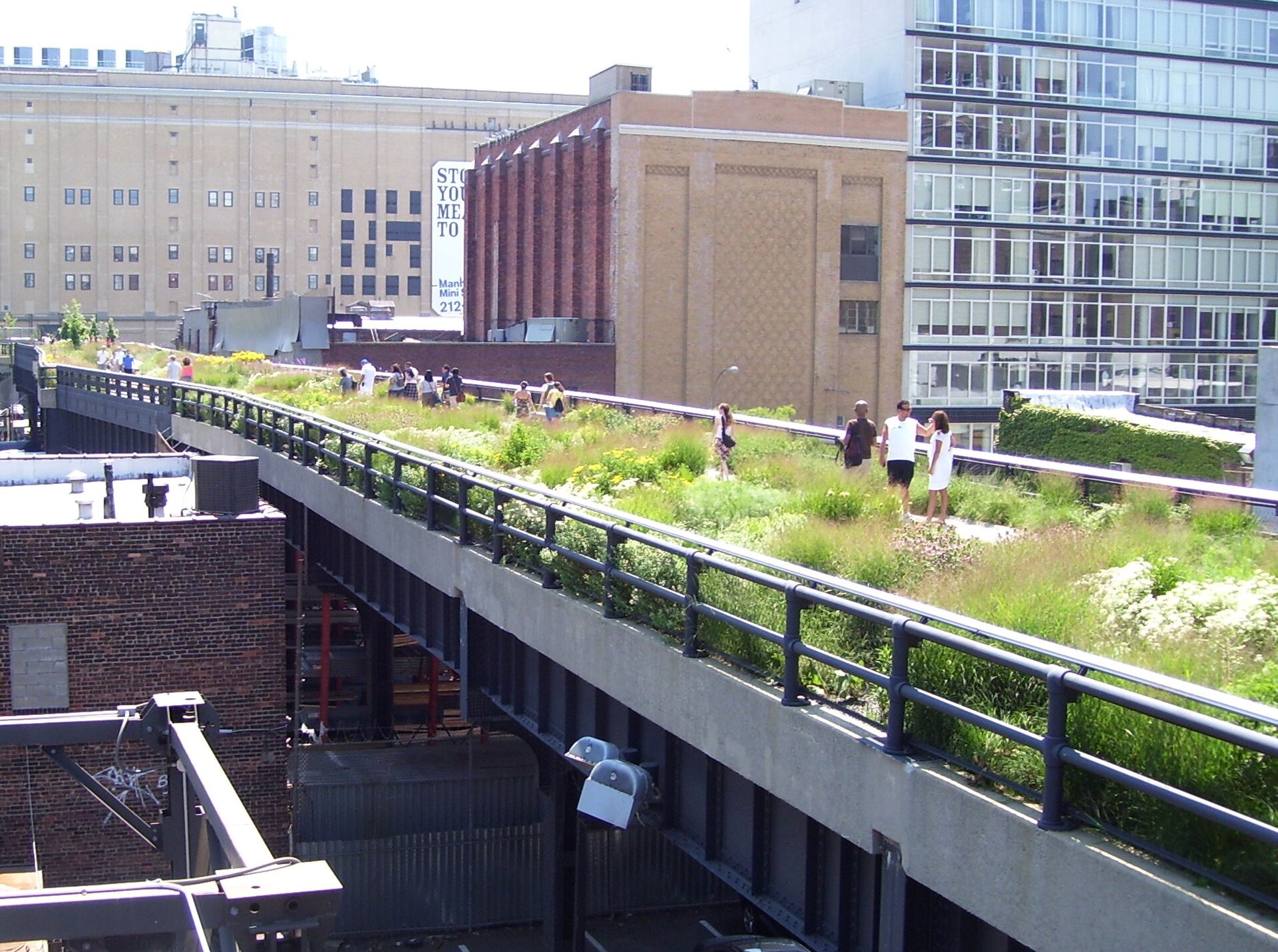
Before this elevated park existed, the same steel structure carried refrigerated rail cars loaded with meat through a neighborhood of slaughterhouses and packing plants. Guides reconstruct that vanished industrial landscape as you walk, explaining why the viaduct was built thirty feet above street level after too many pedestrians died beneath ground-level freight trains. They point to the starchitect buildings that sprouted along the route after the park opened, identifying works by Zaha Hadid, Jean Nouvel, Frank Gehry, and Renzo Piano that now define the Chelsea skyline. Piet Oudolf's planting design revolutionized American public horticulture, and without a guide, its genius can seem like random wildflowers. Guides explain how the five hundred-plus species were chosen to echo the meadow that naturally reclaimed the abandoned tracks, how they bloom in succession from March through November, and how maintenance crews cultivate controlled chaos rather than manicured perfection. Art installations rotate throughout the year, some monumental and obvious, others embedded subtly in the path itself, and a guide ensures you notice pieces you would otherwise walk right past. The park also sparked fierce gentrification debates, and thoughtful guides address the displacement of longtime residents alongside the undeniable beauty they are showing you. After your walk, consider heading south to the 9/11 Memorial or east to the neon glow of Times Square.
Seasonal Highlights
The High Line is a 1.45-mile elevated linear park built on a disused New York Central Railroad spur on Manhattan's West Side. The freight viaduct was constructed in the 1930s to lift dangerous rail traffic off the streets of the Meatpacking District and West Chelsea, and it carried its last train in 1980. For two decades the structure sat abandoned, and wild grasses, sumac trees, and wildflowers colonized the track bed in a surreal airborne meadow that few New Yorkers even knew existed. When the city threatened demolition, neighborhood activists Joshua David and Robert Hammond founded Friends of the High Line in 1999 and spent a decade advocating for its transformation into public parkland. The park opened in phases between 2009 and 2014, designed by landscape architects James Corner Field Operations and architects Diller Scofidio + Renfro, and it immediately became one of New York's most beloved public spaces, drawing over 8 million visitors annually. Walking the High Line is an experience unlike anything else in New York City. Thirty feet above street level, you move through a carefully curated sequence of gardens, overlooks, and art installations that frame the city in constantly shifting perspectives. At one point you sit in bleacher-style stadium seating and watch traffic flow through a glass window cut into the walkway below your feet. At another, you stand on a narrow catwalk suspended between buildings with the Hudson River and New Jersey Palisades spread before you. The plantings, designed by Dutch garden designer Piet Oudolf, echo the wild meadow that naturally reclaimed the tracks, using 500 species of perennials, grasses, shrubs, and trees arranged to bloom in succession from March through November. Commissioned artworks rotate throughout the year, ranging from monumental sculptures to subtle interventions embedded in the path itself. The park stretches from Gansevoort Street in the Meatpacking District north to the Hudson Yards development at 34th Street, passing through neighborhoods that have been transformed by its presence from industrial wastelands into some of Manhattan's most desirable real estate.
Activities
Walk south to north: Starting at Gansevoort Street and walking north gives you the Hudson River and sunset views ahead of you; the Meatpacking District offers excellent dining options before or after. Multiple access points: Staircases and elevators at every few blocks mean you can enter or exit the park at convenient points throughout Chelsea and Hudson Yards. Combine with nearby attractions: The Whitney Museum of American Art sits at the High Line's southern entrance; One World Observatory is a 20-minute walk south, and Times Square is a 15-minute walk east from 34th Street. Wear comfortable shoes: The 1.45-mile walk is flat and paved, but adding neighborhood exploration easily doubles the distance. Subway access: The A/C/E at 14th Street, the 1/2/3 at 14th or 23rd Street, and the 7 at Hudson Yards all connect to the park's access points. Sunset timing: In summer, arrive by 7 PM to walk the full park with sunset light; in winter, start by 3:30 PM before the early darkness
When to Visit
Park hours: Open daily 7 AM to 10 PM (April through November); 7 AM to 7 PM (December through March). Best for fewer crowds: Weekday mornings before 10 AM; the park is busiest on weekend afternoons from May through October. Best for photography: Golden hour before sunset, when the western-facing park catches dramatic light over the Hudson River. Seasonal highlights: Late May through June for peak wildflower bloom; October for autumn foliage; December for holiday installations near the southern entrance. Art programming: Rotating exhibitions and performances are scheduled throughout the year; check thehighline.org for current installations
Admission and Costs
Park admission: Completely free, always, no tickets or reservations required. Guided group tour: $20-35 per person for a 90-minute walking tour covering history, architecture, horticulture, and public art, led by trained High Line volunteers or licensed NYC guides. Private tour: $250-400 for groups up to 10, with a specialized guide focusing on architecture, art, or garden design. Food vendors: Seasonal food carts and pop-up vendors along the park sell artisanal snacks, ice cream, and beverages, $5-15 per item
Tips for Visitors
10th Avenue Square: Bleacher-style seating frames a glass window in the walkway through which you watch 10th Avenue traffic pass directly beneath your feet, a mesmerizing urban theater experience. Oudolf's perennial meadows: The wildflower and grass plantings between 14th and 16th Streets are the park's horticultural heart, particularly stunning during the June and September blooms. Hudson River overlook: Near 17th Street, a cantilever extends over the street with unobstructed views of the Hudson River, the Statue of Liberty on clear days, and the New Jersey shoreline. Preserved rail tracks: Throughout the park, original rail tracks and switches have been woven into the walkway and plantings, reminding visitors of the structure's industrial origins. Spur at Hudson Yards: The northern terminus curves toward the Vessel and Edge observation deck at Hudson Yards, connecting the park to Manhattan's newest neighborhood. Rotating art installations: Large-scale sculptures, murals, and conceptual works change regularly; the park has commissioned pieces from artists including El Anatsui, Carol Bove, and Simone Leigh