Walking Route
Photo Spots
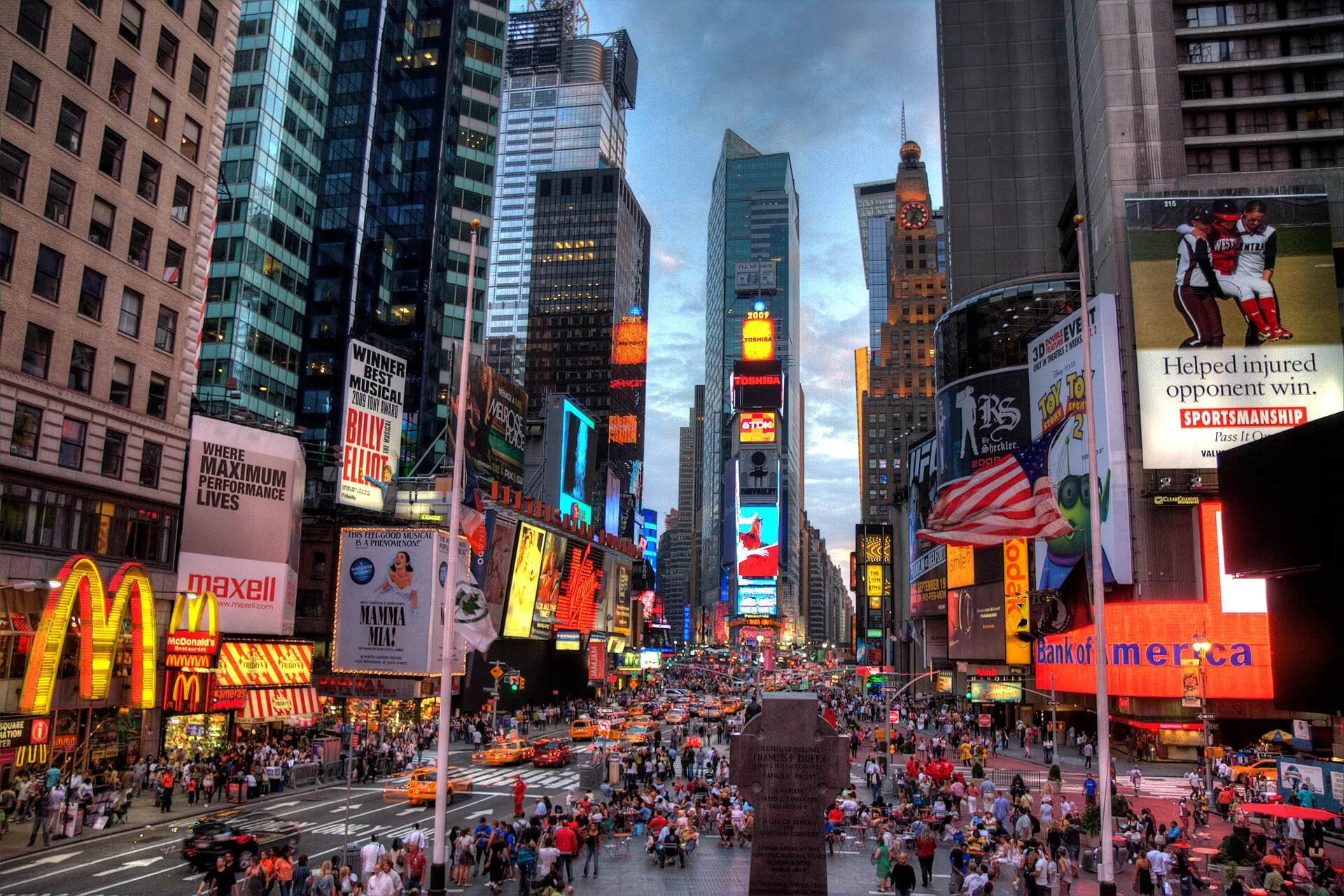
Times Square's sensory overload can overwhelm first-time visitors, leaving them unsure where to look or how to navigate the crowds. Guides cut through the chaos with purpose, steering you past the costume characters angling for tips and positioning you at vantage points where the canyon of digital billboards frames perfectly for photographs. They time walks to catch dusk, when the screens blaze brightest against the fading sky, and they know which rooftops and elevated plazas offer perspectives the street-level throngs never see.
Theater expertise transforms a generic Times Square visit into genuine Broadway immersion. Your guide shares the histories of landmark venues like the Shubert and the New Amsterdam, matches show recommendations to your personal taste, and reveals the lottery and rush ticket strategies that can land you orchestra seats for a fraction of face value. Beyond the main drag, they introduce you to Off-Broadway houses, jazz clubs in basement speakeasies, and comedy venues where tomorrow's stars perform tonight. For deeper theatrical exploration, visit the Broadway Theater District page.
Landmarks Along the Route
Times Square is engineered for spectacle and commerce, and several landmarks reward a slow look. The red glass steps above the TKTS booth in Duffy Square double as the city's best free grandstand, with statues of Father Francis Duffy and songwriter George M. Cohan at their base. Nearby, the ABC studio for Good Morning America stages free outdoor concerts on summer Friday mornings.
- Flagship stores: the three-story M&M's World and Hershey's Chocolate World, the giant Disney Store, the NFL Shop, and Line Friends line Broadway between 44th and 48th Streets.
- Classic restaurants: Sardi's has hung caricatures of Broadway stars on West 44th Street since 1927; Ellen's Stardust Diner is beloved for its singing waitstaff; and Carmine's serves vast family-style Italian plates just off the square.
- Restaurant Row: West 46th Street between Eighth and Ninth Avenues packs pre-theater bistros into one block — a far better bet than the chain outlets ringing the plazas.
- People-watching perches: the café tables and steel seating sculptures scattered across the car-free plazas let you sit and take in the signage without fighting the current of foot traffic.
Times Square timeline
-
Longacre Square becomes Times Square
The New York Times opened its headquarters in the Times Tower at One Times Square, and the city renamed Longacre Square in the newspaper's honor. The paper staged its first New Year's Eve celebration there that December with a fireworks display.
-
The first New Year's Eve ball drops
After the city banned the rooftop fireworks, publisher Adolph Ochs had a 700-pound iron-and-wood ball studded with 100 light bulbs lowered down the Times Tower flagpole to ring in 1908 — launching the tradition now watched worldwide.
- 1920s
The Great White Way at its peak
Dozens of new playhouses, glittering electric signs, and grand hotels made the district the capital of American theater. The dazzling signage earned Broadway its enduring nickname, the Great White Way.
- 1970s
Decline and the fiscal crisis
New York's fiscal crisis, a concentration of adult theaters, and rising crime gave Times Square a seedy reputation immortalized in films like Midnight Cowboy and Taxi Driver. The crossroads became a symbol of urban decline.
-
Disney restores the New Amsterdam
A public-private campaign to reclaim 42nd Street reached a turning point when Disney reopened the restored New Amsterdam Theatre, drawing families back and accelerating the district's transformation into a family-friendly destination.
-
Broadway goes car-free
The city closed Broadway to traffic between 42nd and 47th Streets, converting the roadbed into pedestrian plazas. The experiment cut accidents and congestion and was made permanent the following year.
-
The plazas rebuilt in stone
A reconstruction designed by Snøhetta repaved the plazas in granite, buried the utilities, and added benches and steel seating sculptures, giving the car-free crossroads its present form.
When to Visit
The plazas never close: Times Square is a public space open 24 hours a day, and its signs are brightest after dark. For photographs, come at dusk (5–7 PM), when the screens blaze against a deep-blue twilight sky. For room to move, arrive early (7–9 AM) before the crowds and the costume characters assemble. The square is most crowded from 6–10 PM, when theater-goers converge before curtain.
Most Broadway performances begin at 8 PM on weeknights, with 2 PM and 8 PM shows on weekends, so the plazas surge and empty with the theater schedule. The single busiest moment of the year is New Year's Eve, when about one million people pack the Bowtie behind barricades from early afternoon for the midnight ball drop — plan to arrive before 3 PM or watch from a nearby bar instead.
Admission and Costs
Walking the square and watching the billboards is free. A Broadway show is the headline expense: standard seats run $60–$200, while premium orchestra seats for blockbuster musicals reach $300 or more. The TKTS discount booth beneath the red steps in Duffy Square sells same-day Broadway tickets at 20–50% off, though the queue can run 30–60 minutes; digital lotteries and rush tickets offer $30–50 seats for the flexible.
A guided Theater District walking tour costs about $40–60 per person for two to three hours, sometimes with backstage access, and a private guide runs $250–400 for up to six people. Budget for extras the square is built to sell: branded flagship stores, rooftop bars, and the notoriously overpriced chain restaurants that ring the plazas — a guide steers you to better value a block or two away.
The Case for a Guide
Most visitors experience Times Square as pure spectacle and move on — a guide reveals the theatrical history, architectural layers, and midnight engineering that made this intersection the crossroads of the world.
- New Year's Eve ball mechanism: The famous ball drop uses a Waterford Crystal-studded aluminium geodesic sphere weighing 11,875 pounds, lowered on a flagpole at exactly midnight via a computer-controlled winch system; guides explain the 1907 origin of the tradition, why the New York Times chose fireworks first and switched to the ball, and what happens to the ball during the other 364 nights of the year.
- Original newspaper printing building: The One Times Square tower at the triangular apex of the square was built in 1904 as the home of the New York Times, which gave the square its current name; guides explain how the building became economically worthless as a newspaper facility but vastly profitable as a billboard platform — its exterior ad space generates more revenue per square foot than almost any building in the world.
- Neon sign maintenance crews working overnight: The roughly 350 illuminated signs are maintained by specialist crews who work from 2 to 6 AM when the square is emptiest; guides explain the zoning laws that actually require businesses in the core Theatre District to display illuminated signage — the lights are legally mandated, not optional commercial choices.
- The Crossroads of the World theater district context: The 41 Broadway theatres clustered within a half-mile radius represent the largest concentration of professional live theatre venues on earth; guides explain which buildings are landmarked specifically to protect their theatrical use, how the 1982 Times Square Redevelopment Plan saved the district from conversion to office space, and which theatres have been continuously operating since the early 20th century.
- Pre-1970s Times Square history contrast: Before the 1970s fiscal crisis, Times Square was Longacre Square's successor — a centre of legitimate theatre and upscale hotels; guides trace the specific economic and social forces that transformed it into the crime-ridden area depicted in 1970s cinema, and explain the controversial 1990s clean-up campaign led by the city and the Disney Corporation that produced the sanitised tourist destination that exists today.
Tips for Visitors
The plazas are safe but dense, so keep wallets and phones secured against pickpockets in the crush. The costumed characters — Elmo, superheroes, the painted Naked Cowboy — are not official and will press you for a tip, often aggressively, after a photo; agree on a dollar or two first or decline politely. The topless, body-painted desnudas work the same way, and a guide helps you read the hustle before it starts.
Public restrooms are scarce: duck into a Starbucks, a hotel lobby, or your theater before the show. If you are seeing a performance, arrive 30 minutes early and check the venue's bag policy, since many theaters restrict sizes. For photography, the pedestrian plazas give a safe, traffic-free distance for wide-angle shots of the billboard canyon — the red TKTS steps in Duffy Square are the classic elevated vantage.
Frequently Asked Questions
When is the best time to walk through Times Square?
The plazas are open 24 hours, and the billboards look their best after dark. Come at dusk, 5–7 PM, for photographs, when the screens pop against a twilight sky, or early morning, 7–9 AM, if you want room to move before the crowds. The square is most crowded from 6–10 PM before theater curtains, and on New Year's Eve roughly a million people fill it for the midnight ball drop.
Is Times Square free to visit?
Yes — walking the pedestrian plazas and taking in the billboards costs nothing. The expenses are optional: Broadway shows run $60–$300+ depending on the production and seat, the TKTS booth sells same-day tickets at 20–50% off after a 30–60 minute wait, and guided theater tours cost $40–60 per person. A private guide for Times Square and Broadway history is about $250–400 for up to six people.
What safety tips should visitors know in Times Square?
Times Square is heavily policed and safe, but the dense crowds invite pickpockets, so keep valuables secure. The costumed characters and body-painted performers are not official and expect a cash tip after any photo, sometimes pushing hard — agree on a small amount first or decline. Skip the plaza's overpriced chain restaurants, use a Starbucks or hotel lobby for restrooms, and give yourself 30 minutes before any show.
How do you get to Times Square by subway?
Times Square–42nd Street is one of the busiest stations in the New York City subway, served by the 1, 2, 3, 7, N, Q, R, W and S shuttle lines, with the A, C, E reachable through the underground passage to 42nd Street–Port Authority. The S shuttle runs straight to Grand Central in about two minutes. A single ride is $2.90 via MetroCard or OMNY contactless tap.
Where should I eat and shop around Times Square?
For food, skip the chain outlets on the plazas and head to the classics: Sardi's on West 44th Street, hung with caricatures of Broadway stars since 1927; Ellen's Stardust Diner with its singing waitstaff; or the pre-theater bistros along Restaurant Row (West 46th Street). For shopping, the flagship M&M's World, Hershey's Chocolate World, and the Disney Store cluster along Broadway — more spectacle than bargain, but fun with children.
Why is it called Times Square?
The intersection was Longacre Square until 1904, when The New York Times opened its headquarters in the Times Tower at One Times Square and the city renamed the district after the paper. The Times left the building within a decade, but it remains the stage for the New Year's Eve ball drop, first lowered on December 31, 1907. The square is nicknamed the Crossroads of the World.